
What Causes Seniors to Feel Isolated?
Author: Ketan Patel
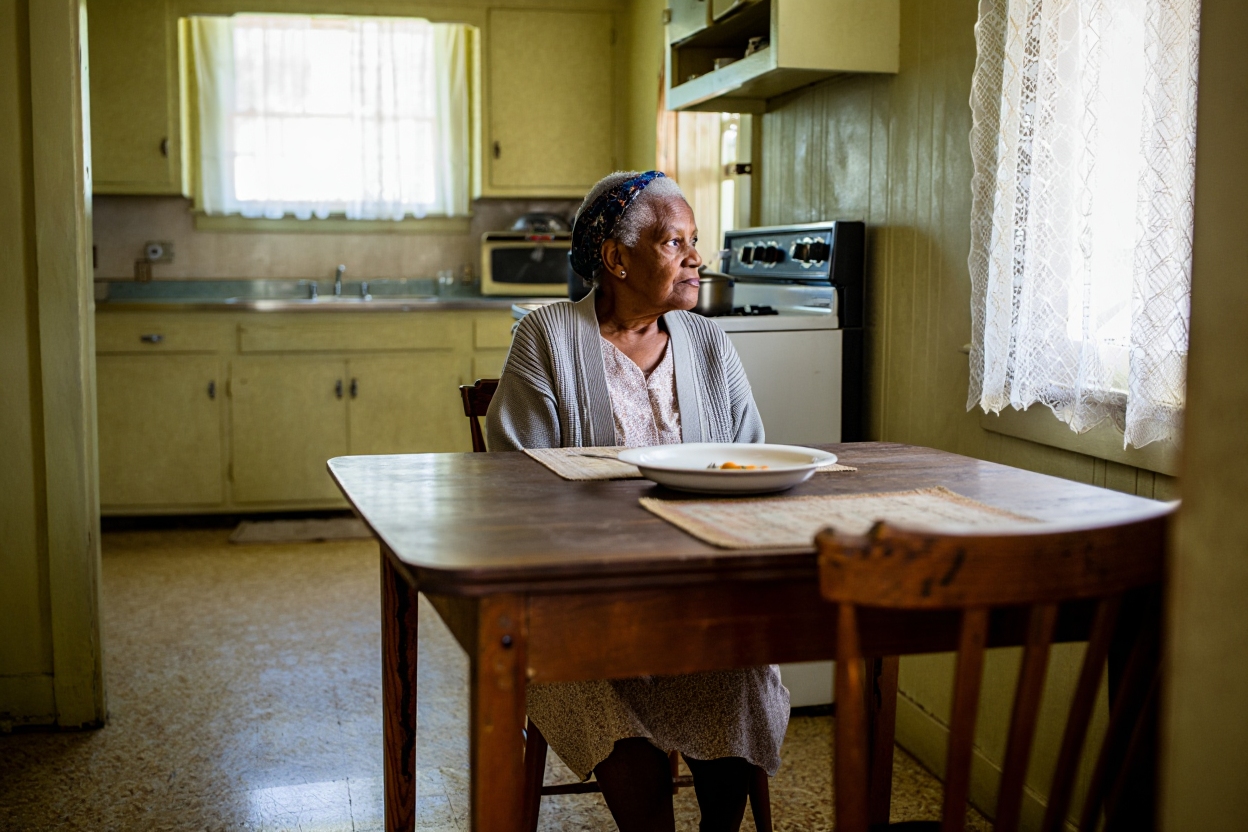
Seniors may not mention it to friends or family members, but feeling cut off or isolated from the rest of the world is a common problem. When seniors do feel isolated, that’s a sign to address the problem as quickly as possible. Letting the situation continue to grow can lead to issues like depression, anxiety, and physical health challenges as a result. Companion care at home can help families understand more about what is causing isolation while also helping to address the problem.
Living by Themselves
Living alone has its positives, of course, but eventually it can also present some issues. As seniors experience changes in their health or find driving more difficult, they may start to feel more isolated. Elder care providers can be there to offer some assistance, like with transportation and mobility, but they also get to know the seniors they’re helping. They spend time together and create shared experiences that reduce loneliness and isolation.
Friends and Family Members Moving Away
Modern society has people moving farther away than they might have in the past. That sometimes can mean that seniors don’t have their friends and family members living nearby. Whether seniors are introverted and have a tough time meeting new people or they simply don’t want to, that might leave them spending more time alone than they would like.
Hearing Changes
When seniors start to have more trouble with their hearing, they may find socializing to be more difficult. They have a harder time keeping up with conversations, and they might feel self-conscious about asking other people to repeat what they’ve said. Companion caregivers understand the challenges that seniors face when they have trouble hearing well, so they can offer them patience and compassion.
Mental Health Challenges
It’s tough to feel social when seniors are already struggling with mental health challenges like depression or anxiety. These challenges leave seniors feeling as if being around other people sometimes might be too much effort. Having a consistent, low-pressure social opportunity like companion care at home can help seniors to get their social needs met without making mental health challenges worse.
Physical Health Challenges
Poor health and other physical health challenges require a lot of energy and leave seniors feeling reluctant to socialize at times. The best part about companion care at home is that the care is flexible and easily customizable to meet health needs that might not always be consistent. Being able to spend time with someone friendly can be such a comfort when seniors aren’t feeling well. Companionship can be a welcome distraction as well from physical illnesses.
Helping seniors get the social connection that they need sometimes means that families need to pay close attention to what might be standing in the way of those social engagements. Companion care at home can be there to offer valuable emotional support for seniors who are struggling with all sorts of issues. As seniors have reliable access to companionship, they may find it easier to get social engagement in other ways, too.
If you or an aging loved one is considering companion care at home in Palo Alto, CA, please contact the caring staff at Home Helpers today (408) 317-4969.