Can You Help Your Senior Prevent Bruising?

Bruises are fairly commonplace, but when your senior suddenly starts sprouting a few at a time, you might need to look into what is happening. Taking some simple steps now can help you to prevent some of the bruises that your aging family member might be picking up as a normal part of her daily life.

Try to Determine the Cause

The very first step in preventing bruises is to try to learn what is causing them for your aging adult. Some people just naturally bruise more easily than other people do. Also, as your senior ages, her skin becomes thinner and there may be less of a cushioning layer of fat underneath her skin.

Add to those factors certain medications and other health conditions and your elderly family member may be experiencing bruising far more often than you or she would like. Talk with her doctor about what you’re seeing and determine what could be contributing to the problem.

Move Obstacles and Furniture

Take an objective look at your senior’s home environment. If she’s got quite a few pieces of furniture or other obstacles that are often in her way, it may be a huge contributing factor to her injuries. Talk with your elderly family member about the possibility of rearranging some things to give her more room to maneuver safely.

Help Her to Stand Safely

If your senior finds that she’s wobbly or more prone to falling when she’s sitting down or trying to stand up, she may need some extra help. Learn how to help her when she’s getting up so that you’re supporting her and helping her to stay balanced. Senior care providers have quite a bit of experience with this and can show you how to manage this safely.

Add Hand Rails Around the House

Even after your senior is safely standing, however, she may find that she’s occasionally less steady on her feet. Having hand rails strategically placed throughout the house can give her something secure to lean on or to grab if she finds herself feeling wobbly.

Once you’ve done everything that you can to reduce the likelihood that your senior will experience bruising, the next step is to treat them as well as you can. Work with her doctor to find the right treatment methods for your aging adult.

Categories

How to Tell if a Senior Has Prediabetes

Gloria, aged 78, had always been good about seeing her doctor regularly. That’s why she was surprised to learn that test results at her annual physical showed she had prediabetes. Her daughter, Ann, was surprised by this, too. However, when the two of them discussed the condition and what to do next, they realized that Gloria had had some symptoms of prediabetes over the past year that they had missed.

Fruits with diabetes reader

Many people miss the symptoms of prediabetes in an older adult. Sometimes they are mistaken for normal parts of aging. However, when you know more about the condition and the signs of prediabetes, it can help you to get your older family member help sooner, so that they can prevent prediabetes from turning into full-blown diabetes.

What is Prediabetes?

You may be more familiar with prediabetes as “borderline diabetes,” the term once used for the condition. Prediabetes occurs when a person’s blood sugar levels are elevated but no so high that they can be diagnosed with diabetes.

Essentially, prediabetes is a warning sign of diabetes. It does not have to progress into type 2 diabetes. There are lifestyle changes that can lower your older family member’s blood sugar levels and prevent them from getting diabetes.

What are the Signs of Prediabetes?

Sometimes there are no noticeable signs of prediabetes. That said, the best way to find out if your aging relative has prediabetes is to have them tested for it. However, in some cases, you might notice the following signs of prediabetes, which can also indicate prediabetes has become type 2 diabetes:

  • Darkened patches of skin, especially around the knuckles, neck, knees, armpits, and elbows.
  • Being thirstier than usual.
  • Urinating often.
  • Blurry vision.
  • Fatigue.

What Can Be Done About Prediabetes?

Learning that an older family member has prediabetes shouldn’t be viewed as a curse. Instead, encourage the senior to look at it as an opportunity. Knowing they have prediabetes gives them the opportunity to take control of their health and prevent a progression to type 2 diabetes.

The doctor will probably recommend making lifestyle changes to prevent diabetes, such as changing the older adult’s diet and exercising more. Home care can help with these changes as well as other aspects of the senior’s life. Home care providers can make the healthy meals your older family member needs to help them control their blood sugar. In addition, a home care provider can do things like go for walks with the senior, drive them to an exercise class, or monitor them at home while they exercise, which can further reduce blood sugar levels.

Sources
https://www.mayoclinic.org/diseases-conditions/prediabetes/symptoms-causes/syc-20355278
https://www.webmd.com/diabetes/guide/understanding-diabetes-symptoms
https://www.medicalnewstoday.com/articles/311240.php

Categories

Powerhouse Foods That Boost Your Immune System

Viruses occur throughout the year. In the winter, homes are closed up to keep the cold air outside. This makes it easier for germs to spread around a classroom, home, or business. Keep colds and the flu away by washing hands regularly, getting a flu shot, and eating foods that are known to boost the immune system’s function.

#1 – Bell Peppers

Red bell peppers are best, but you could add yellow and orange and also ingest a lot of vitamin C. The benefit to bell peppers is that they also are very low in sugar, so you can eat plenty of them and not have to worry about natural sugars.

#2 – Blueberries

Blueberries contain high levels of anthocyanin. This antioxidant helps ease inflammation. It is known to help boost the body’s immune response, too. It’s one of the best fruits to turn to if you’re battling a cold or upper respiratory infection.

#3 – Citrus Fruit

Oranges, lemons, limes, and grapefruit are examples of citrus fruit. They all have very high levels of vitamin C. Drink their juice, add slices to your water or seltzer, or turn them into smoothies and enjoy a quick boost of antioxidants.

#4 – Cruciferous Vegetables

Studies show that cruciferous vegetables have an antioxidant (sulforaphane) that helps ward off cell damage. Broccoli is one of the best cruciferous vegetables, as it’s high in vitamin C. Other cruciferous vegetables to add to your diet, are Brussels sprouts, cauliflower, kale, and turnip.

#5 – Garlic

The strong flavor of garlic adds to almost any savory dish. Garlic is also an excellent source of allicin, which is a compound with anti-inflammatory and antimicrobial qualities. Studies find people who take garlic supplements or eat a lot of garlic have a lowered incidence of colds.

# 6 – Ginger

Choose ginger root when you’re planning to use ginger to strengthen the immune system. In addition to protecting the cells from oxidative stress, ginger is known to have anti-inflammatory properties.

Ginger is also very versatile. Pieces of dried ginger root make an excellent hot or cold tea. Add lemon and honey for additional protection against viruses.

#7 – Kefir

Kefir is a fermented beverage that is like a thin yogurt. It’s easy to find in stores and mixes well into smoothies. The bacteria in this beverage is believed to help boost antioxidant activity within the body. It also has some anti-inflammatory properties and helps increase the beneficial bacteria in your gut. It’s believed that this can help rid the body of some of the bacteria that impacts the immune system.

Cooking is not everyone’s favorite daily chore. If your mom and dad are struggling with meal preparation, it’s a good time to discuss senior care. Let caregivers plan meals with them. Caregivers can take them shopping, carry groceries in, and cook meals for them. Call a senior care agency to discuss prices.

Sources:
https://lpi.oregonstate.edu/mic/food-beverages/garlic
https://www.ncbi.nlm.nih.gov/pmc/articles/PMC6465033/
https://www.ncbi.nlm.nih.gov/pubmed/28222814

Categories

Keeping Your Loved Ones Safe from Elder Fraud

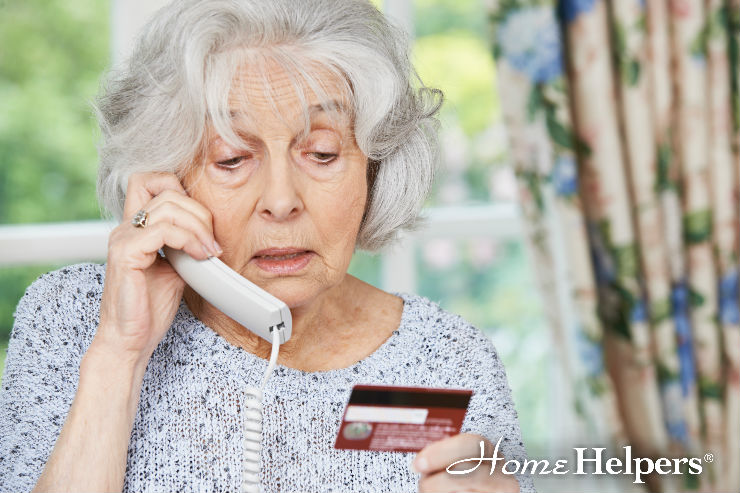
These days it seems that robocalls are just a part of daily life that we have to contend with. While it might seem easy to you and I to read through the calls and emails that are obvious scams, it’s not always so easy for seniors. They may not deal with technology enough to recognize when something is nefarious. This is precisely why scammers prey on older adults more than anyone else! Billions of dollars are lost each year due to these scams, much of it unrecoverable.

The FBI has reached out to educate Americans about some of the most common financial scams that seniors may find themselves falling victim to. Read on to learn more!

The Miracle Cure

Seniors already feel vulnerable when they have been diagnosed with a chronic or long-term health condition. It can leave them desperate for a cure, and one of the most common scams on seniors today is the “miracle cure” scams. Here are a few tips to help:

  • Most important of all, never take anything that did not come from the treating physician! Even if it’s a supplement bought in a place that feels safe, advertising can be very misleading with outrageous claims that do nothing more than extract your senior’s hard-earned money.
  • If it sounds too good to be true, it probably is! Promises of a cure or a life without sickness are enticing, especially if it’s endorsed by a celebrity. But that alone should cause you to pause and be suspicious. Celebrities are paid large amounts of money to say whatever the manufacturer wants them to say!
  • If you aren’t sure, contact the BBB (Better Business Bureau). The Food and Drug Administration is very careful about what is approved to be sold, and many scammers will continue on with their products, even if the FDA has not approved it. If the BBB has had complaints before on a certain product, you should steer clear!

Final Wishes Fraud

You’ve probably noticed all the commercials these days from companies who claim to help you plan for your final wishes. This is an emotional decision for anyone and therefore can leave seniors who may be grieving a loss, vulnerable to be taken advantage of. Here is what you should know any time you are planning funeral arrangements:

  • Never do it by yourself! Seniors should always have another trusted family member with them when making final
  • Call several funeral homes before going to meet with them. By law, they are mandated to give you the pricing over the phone.
  • If you have chosen cremation, it is NOT necessary to purchase a casket. It is also not necessary to pay for embalming in that case. Both of those things can add huge amounts of money to the grand total and should not be forced upon you!
  • Never sign any contracts without taking the time to read through and ask questions, and make sure you understand what you’re signing. If possible, have a trusted friend or family member look at it with you.

Telemarketer Tips

Telemarketers prey on seniors, who are often lonely and enjoy engaging in conversation. Seniors may not be aware of common scam tactics such as:

  • Rewards that are “free,” yet require a small fee to be able to receive it.
  • Asking for a personal credit card or checking account information.
  • Being pushy about a purchase—the scammer doesn’t want to lose the sale!
  • Trying to sell services that require payment ahead of time.

Keep your senior loved ones safe by talking to them often about who calls, the mail they receive, and talk openly and often! Scammers often think older adults are not smart enough to know the difference, but you can help your loved one know what to look out for in this world of greedy scammers!

For more info on detecting scams among the elderly, please contact us today!

Home Helpers of North Atlanta is a locally-owned, trusted home health care agency and offers quality, compassionate senior in-home care services including home care assistance, personal care, companion care, respite care, 24-hour care, and live-in care, Alzheimer’s & dementia care, Parkinson’s care, and stroke recovery home care services in Alpharetta, Buford, Cumming, Duluth, Johns Creek, Lawrenceville, Lilburn, Marietta, Milton, Roswell, Sandy Springs, Snellville, Stone Mountain, Sugar Hill, Suwanee, and Woodstock, Georgia.

Legal Disclaimer
This blog provides general information and discussions about medicine, health, and related subjects. The words and other content provided in this blog, and in any linked materials, are not intended and should not be construed as medical advice. If the reader or any other person has a medical concern, he or she should consult with an appropriately-licensed physician or other healthcare workers.

Never disregard professional medical advice or delay in seeking it because of something you have read on this blog or in any linked materials. If you think you may have a medical emergency, call your doctor or 911 immediately.

The views expressed on this blog and website have no relation to those of any academic, hospital, practice, or other institution with which may have been mentioned or linked to in the article.

Categories

How Can You Make Dressing Easier for an Older Adult?

Your older family member needs to get dressed every day. For younger people, dressing is something they probably don’t think about much beyond what they are going to wear. However, dressing can be a much bigger deal for a senior who has some trouble moving with ease. Dressing requires a great deal of bending and stretching. It also requires nimble fingers that can button buttons, zip zippers, and tie shoes. While those are things that most people take for granted, they may cause older adults a great deal of trouble. However, there are ways to make dressing easier for older adults, including the suggestions below.

Allow Ample Time for Dressing

When older adults who have difficulty dressing feel pressured to dress quickly, it can make the task stressful. Instead of rushing your aging relative to get dressed each day, give them plenty of time. If there’s something they need to get ready for by a certain time, like a doctor appointment, get them started early, so they have plenty of time.

ASK if They Need Help

It can be tempting to force help on an older adult when they are taking too long to do something. However, this can be upsetting to some seniors. Still, you don’t want them to struggle needlessly. Instead of just jumping in and helping, take the time to ask the older adult if they want your help. This allows them to be in control of their own decisions and accept help only if they truly want it.

Purchase Simpler Clothing Options

Find out which parts of dressing are most difficult for your aging relative. If they have arthritic figures, they might have the most trouble with buttoning shirts. If that’s the case, consider buying shirts that pull over the head and don’t need to be buttoned. If zippers are an issue, try pull on pants without a zipper. Shoes with Velcro closures are also easier for older adults than ones with shoelaces.

Lay Out Clothes in Order

Older adults with dementia may have difficulty with dressing because they find it confusing. It can be helpful to lay out their clothing in the order they need to put it on. When helping them, keep the instructions short and simple.

Use Elder Care

Although they may need help getting dressed, some older adults may resist letting family members assist because of modesty. However, they may be more receptive to receiving help from an elder care provider who is not related to them. Because elder care providers are professionals, they know how to help while maintaining the older adult’s dignity. In addition, seniors are often more comfortable with an elder care provider seeing them undressed because of their professional nature.

Sources
https://dailycaring.com/5-top-tips-make-it-easier-to-help-seniors-get-dressed/
https://www.dementia.org/how-caregivers-can-assist-with-dressing
https://www.aarp.org/caregiving/home-care/info-2018/adaptive-clothing-guide.html

Categories

How to Reminisce and Remember with Seniors with Dementia

Everyone loves to share memories, but there’s something extra special about sharing and talking about memories made many years back. For seniors who suffer from dementia or Alzheimer’s Disease, memories are especially special because the disease robs them of the ability to hold onto short-term memories, so long-term memories become all they have.

Therapy that involves sharing long-term memories is a very popular and effective treatment for those with Alzheimer’s. It helps them focus on the positive things that have happened in their lives, helps them feel connected, and generally boosts their sense of joy, belonging, and pride. For dementia’s earlier stages, it can also be helpful because the dementia patient often knows they are dealing with the cognitive decline and are looking for anything to hold onto.

There are some key differences between reminiscing and remembering. Asking someone if they can recall a place or a certain person can bring up negative feelings if they aren’t able to do this. So, rather than asking them to remember things, a person with dementia does better to ask them to reminisce about things. This allows them to steer the dialogue with what they do have memories of. The conversation becomes much more meaningful, this way.

One way to see this in action is to get an old family photo album or scrapbook and sit with a senior loved one. While going through it with them, pay attention to the pictures that spark a conversation that is based on their memories of the photo. If they are distressed with an unpleasant memory, you can be supportive and offer a listening ear, all while gently redirecting them to a more pleasant photo or memory.

You can also try these 3 reminiscing techniques with your senior loved one who struggles with dementia or early stages of Alzheimer’s:

Listen to Music. Dementia patients are extremely connected to music. This is because the part of the brain that controls musical memories stays very active even when the other cognitive parts of the brain have failed them. You can help them enjoy this activity by finding music they remember well, sing along with them, talk about memories attached to the song, etc.

Tastes and Scents. Our sense of smell and taste are also very connected to memories. You could get several scent jars and place scented things inside that the senior will be sure to remember. This could be pinecones, pine needles, certain foods, and things from the environment where he/she grew up.

Touch. Touch always stimulates us to think about certain memories. Just think about how many things you touch that instantly bring you back to childhood or a certain love interest. For seniors, this is no different. You can create tactile experiences such as old clothing, gardening, hobbies they once enjoyed like crocheting or knitting, or even working with tools or wood. Choosing items that you know will trigger memories from their past is important with this exercise and can be extremely therapeutic. They may feel garden soil in their hands and then begin telling you about the garden they tended as a child, etc. This gets them talking and reminiscing and helps to stimulate meaningful conversation.

There are many ways to help stimulate memories that are pleasant. Even unpleasant memories can be a positive thing to talk about as you remind them that these days, they are safe and secure and loved. It’s all part of the journey of dementia and Alzheimer’s. There is simply no better medicine than loving family members who will not leave their side!

For even more tips on how to engage and stimulate memories, or activities to help them reminisce, please contact us today!

Home Helpers of North Atlanta is a locally-owned, trusted home health care agency and offers quality, compassionate senior in-home care services including home care assistance, personal care, companion care, respite care, 24-hour care, and live-in care, Alzheimer’s & dementia care, Parkinson’s care, and stroke recovery home care services in Alpharetta, Buford, Cumming, Duluth, Johns Creek, Lawrenceville, Lilburn, Marietta, Milton, Roswell, Sandy Springs, Snellville, Stone Mountain, Sugar Hill, Suwanee, and Woodstock, Georgia.

Legal Disclaimer
This blog provides general information and discussions about medicine, health, and related subjects. The words and other content provided in this blog, and in any linked materials, are not intended and should not be construed as medical advice. If the reader or any other person has a medical concern, he or she should consult with an appropriately-licensed physician or other healthcare workers.

Never disregard professional medical advice or delay in seeking it because of something you have read on this blog or in any linked materials. If you think you may have a medical emergency, call your doctor or 911 immediately.

The views expressed on this blog and website have no relation to those of any academic, hospital, practice, or other institution with which may have been mentioned or linked to in the article.

Categories

Four Ways to Keep Tabs on Compassion Fatigue

Compassion fatigue means that the act of being a caregiver is wearing you down. You’re literally becoming fatigued by the compassion you’ve extended to this point. It can be recoverable, if you’re paying attention to how you’re feeling.

Track Your Emotions on a Chart

If you’re looking for a fast way to check in with yourself, a chart is the way to go. Figure out how you’re going to track your emotions, either by using a number system or a color chart, and then start tracking. The idea is to notice when you’re having days you’d classify as good or great, which days you feel overwhelmed, and so on. You might want to get really detailed and track things like anger, frustration, or resentment instead of just good or bad days. How detailed you get is up to you, but you can see at a glance when things aren’t going well for you emotionally.

Keep a Diary or Journal

One of the best ways to track compassion fatigue is with a diary or journal of some time. This might require a little more time than an emotional chart, but it gives you details you can use. You can start to see when things improve for you and you can keep track of what techniques help you to feel better and which ones don’t really work at all. This is all vital information that you may need to have.

Find a Caregiver Support Group

As a caregiver, having the support of other caregivers can help you to spot solutions and problems you might not have noticed. If you’re slipping back into signs of compassion fatigue, members of your support group who have gotten to know you can help you to spot that more quickly. They can also share with you what worked for them and how they were able to get past what you’re going through.

Prioritize Your Needs

You cannot continue to ignore yourself in order to keep being a caregiver. If you do, the situation is only going to get worse and you may not be able to be a caregiver any longer. That’s something you definitely want to avoid if at all possible. Make sure that you’re paying attention to what you need and that you’ve got backups in place to take over for you when you need to step away.

Being a caregiver is tough work. There’s a lot to keep up with, both in terms of your senior’s care and your own emotional needs. Do what you can to create balance for yourself.

Categories

Losing Caregiver Guilt and Living at Peace

If you are feeling a bit guilty when it comes to taking care of your older loved ones, you are not alone. Negative emotions are quite common as you walk the caregiving process, and it’s important to know what to do with those emotions as they come up.

On top of feeling negative emotions, it’s also very common to feel guilty—and the worry that you aren’t doing enough, providing enough options, or generally taking care of every single detail you can. If this describes you as you care for your elderly loved one, just know you are not alone and there are many people and groups dealing with the exact situation you’re feeling. Whether it’s negative emotions or learning to care for an elderly loved one, you are not alone. For many, the demands of caregiving are only deepened by a sense of guilt—and often, we worry that we aren’t doing enough, providing enough, or taking care of enough that requires our attention.

The caregiver’s life circumstances can change depending on how needy the client has gotten. For many, the guilt starts to creep in when we actually tell ourselves things we feel we could’ve changed for the better—even if the events or choices were outside our control. This a dangerous blame game of caring for an elderly loved one may not go as planned, our guilt makes us shoulder the disappointment and self-blame in the way things turned out, even though we know better.

If you’re feeling caregiver guilt, the following statements may sound familiar:

  • We feel guilty we don’t spend enough quality time with just the person and find out what they liked and enjoyed. Those who feel guilty for moving their loved ones into a senior facility or assisted living, or that we’re hurting them and others by keeping them in their own home or moving them into our family’s home.
  • This is not the time to feel guilty, but instead, find those silver linings and help your loved one understand how life will be better surrounded by people who love them!
  • It’s easy to get caught up in guilt and completely miss the wonderful bond that can come from families who work together! Resentment only comes when we are not thinking of what’s best for the party besides ourselves!

Caregiver guilt is almost unavoidable. What you have to know is that it’s only our desire to make things better that came to make it tough on us. We want out loved ones to have the best, and even if they don’t respond great at first, they usually will in time. Your presence, showing up with meals and games, will all help them feel like home in their new place, so this doesn’t have to be a stressful time. Remember—they are oftentimes feeding off your energy! Our care and desire to make the best choices for our loved ones means that we can hold ourselves to high standards of behavior—and blame ourselves when the stress of caregiving shows on our careers, family life, or mental health.

But there are steps you can take to mitigate your unwarranted feelings of guilt. Relying on others, taking time for self-care, and focusing on the positive helps you balance your emotions. And a happier, healthier caregiver can provide better care.

Focus on the Positive
Guilt has a way of keeping you focused on the things you haven’t done right, but you can keep negative feelings at bay with mindfulness and self-reflection. Keep in mind, your goal is to keep your loved ones safe and provided for—and no one can truly “do it all”. Take the time to reflect on your accomplishments, to give yourself positive reinforcement, and to reassure yourself that the caregiving role is a challenging one for anyone—and your efforts go a long way to keeping your loved one happy and healthy.

Do For Yourself, Too.
There’s no quicker way to drain your emotional health than denying yourself the habits that keep you happy, healthy, and upbeat. When your schedule is full, it’s tempting to sideline your gym hours, social life, or even just some “me time”. But going for too long without any space for yourself will only leave you angrier, stressed, and unable to stretch yourself further. Put your self-care on your to-do list to keep it a priority, and focus on getting in your personal time—even if that means removing other tasks from the list (takeout is fine for dinner, sometimes!)

Find Support
Believe it or not, there are plenty of people in the same boat as you—or ready to offer an understanding ear. Search online for support groups in your area or ask friends and family if they know a fellow caregiver. Speaking to others lets you share stories, tips, or even just enjoy the company of someone facing the same challenges with positivity and a healthy mindset.

For more tips on how to deal with caregiver guilt, contact us.

Home Helpers of North Atlanta is a locally-owned, trusted home health care agency and offers quality, compassionate senior in-home care services including home care assistance, personal care, companion care, respite care, 24-hour care, and live-in care, Alzheimer’s & dementia care, Parkinson’s care, and stroke recovery home care services in Alpharetta, Buford, Cumming, Duluth, Johns Creek, Lawrenceville, Lilburn, Marietta, Milton, Roswell, Sandy Springs, Snellville, Stone Mountain, Sugar Hill, Suwanee, and Woodstock, Georgia.

Legal Disclaimer
This blog provides general information and discussions about medicine, health, and related subjects. The words and other content provided in this blog, and in any linked materials, are not intended and should not be construed as medical advice. If the reader or any other person has a medical concern, he or she should consult with an appropriately-licensed physician or other healthcare workers.

Never disregard professional medical advice or delay in seeking it because of something you have read on this blog or in any linked materials. If you think you may have a medical emergency, call your doctor or 911 immediately.

The views expressed on this blog and website have no relation to those of any academic, hospital, practice, or other institution with which may have been mentioned or linked to in the article.

Categories

Ototoxicity and Your Senior’s Medications

Medications that are ototoxic are ones that harm hearing in the people who take them. You might not even realize that your senior is taking ototoxic medications until her hearing is affected.

Ototoxicity Is an Amazingly Common Side Effect

Ototoxicity is a known side effect in a startling amount of medications. Many of these medications might be ones that your senior takes on a temporary basis, but many others may be ones that she takes on a regular basis. A great majority of these medications are prescription medications that your senior’s doctor must approve for her, but there are other medications that are available over-the-counter, like aspirin and naproxen sodium. It’s important to talk to your senior’s doctor about all medications she’s taking.

Sometimes the Side Effects Can Be Reversed

There are times that the side effects from ototoxic medications, like hearing loss or tinnitus, can actually be reversed. That usually requires that your senior stops taking whichever medication is causing the hearing issues for her. If that’s not possible or if she has already been taking that medication for a long time, the hearing loss might be permanent. The best option is to talk to your senior’s doctor and possibly talk to an audiologist as well.

What Does Ototoxicity Look Like?

Ototoxicity is usually mild at first, but can become more severe as your senior is dealing with increasing issues. One of the first signs is likely to be ringing in the ears, or tinnitus. Your elderly family member may also start to notice that she’s having more trouble hearing, especially in certain situations. Differentiating voices in crowds is one such situation. She may also start to notice that she’s dizzy more often or that she’s experiencing changes in her ability to balance. These types of symptoms are ones you should discuss with her doctor.

Talk to Your Senior and Watch for Signs

Keep the lines of communication open with your senior. Ask her to share with you how she’s feeling and when she’s noticing new symptoms. This can be frustrating for both of you, especially if your senior has never had trouble with her hearing in the past. If your elderly family member is experiencing severe side effects, such as dramatic issues with balance or extreme ringing in her ears, consider bringing in elderly care providers to help. They can ensure your senior is safe and has what she needs.

Keep your senior’s doctor updated about any new side effects you or she notice. That will help her doctor to develop the best plan of action going forward.
 

If you or an aging loved one is considering hiring elderly care in Lawrenceville, GA, please contact the caring staff at Home Helpers, call (770) 738-9652.

Categories

Tips for Handling Your Limitations in Your Caregiver Journey

When you recognize that your aging parent is living with challenges and limitations that might make it difficult for them to continue living independently or function effectively, you know that it is time for you to step into the role of being a family caregiver for them. If you have challenges that might stop you from fulfilling all of these needs in the ways that are right for them, however, you may be concerned that they will not receive the level of care and support that they need and deserve. Taking the time to put the proper steps in place to handle these limitations can make both of you feel more confident moving forward into this care relationship with your senior.

Use these tips to help you handle your limitations in your caregiver journey:

  • Be honest about them from the beginning. Be honest with yourself and with your parent so that you will both not only be aware of these challenges, but ready to work together to address them effectively. Release any guilt that you might feel and reassure yourself that by being honest and putting these steps in place you are doing what is right for your senior.
  • Talk to friends and family members about your abilities and the limitations that you have. Making them aware of care gaps can show opportunities for them to step up and provide assistance. People are likely to be very willing to help, but they cannot if they do not know what you need or how they can help.
  • Consider starting senior care for your parent. A senior home care services provider can fill care gaps and be with your parent when you are unable. This means that your loved one will have continued access to the care and support that they need while ensuring that you remain in control and managing their care approach.

Starting senior care for your aging parent can be one of the best decisions that you make for them during the course of your caregiver journey. A senior home care services provider can be in the home with your parent on a fully customized schedule to ensure that they have continued access to the care, support, and assistance that they need to live their highest quality of life. A highly personalized set of services will be tailored specifically to your parent’s needs, challenges, and limitations to ensure that these are met and addressed in the way that is right for them. This care provider will help them to manage these needs while also encouraging them to live a lifestyle that is as active, engaged, and independent as possible throughout their later years. As a family caregiver this will give you peace of mind knowing that your parent will have everything that they need to live a happy, healthy, safe, and fulfilling life as they age in place.

Categories

© Copyright 2026 H. H. Franchising Systems, Inc, All Rights Reserved.