
How to Have Meaningful Conversations with Dementia Patients

If you have a loved one with dementia, you probably already know how frustrating it can be to communicate sometimes. Limited understanding and cognitive decline can be very overwhelming for both the patient and the caregiver, but there are ways to make it easier. Here are some tips to consider…

Firstly, be determined to make the conversation the best it can possibly be. Going into it already frustrated or with negative energy will affect you as well as your loved one! Try to bear in mind that while you may feel like you are losing your loved one, they are still the person you’ve always loved. While the specific circumstances may make it tough to communicate, your positive attitude will be a game-changer!

Second, create a comfortable environment that feels safe. Remove any distractions and just make sure you’re in a quiet space without a lot of outside stimuli.

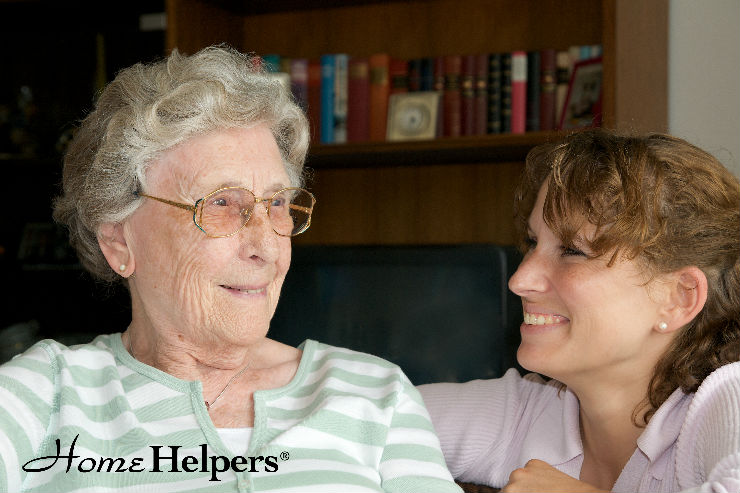
Get their Full Attention. Use light physical touch and affection and use their name. The more relaxed and pleasant your body language is, the more they will also relax and enjoy the conversation. If the patient is non-verbal, your demeanor is even more important!

Keep eye contact. Sit where you can see each other. This will help them feel safe and comfortable.

Keep the conversation light and easy! They may be unable to understand or process some topics, so if your loved one suffers from dementia, it’s a good idea to limit topics to easy things that don’t require a lot of thought. Remember to slow down, be calm, take a breath, and just enjoy as many meaningful chats as you can!

Speak clearly and slowly. You need to give them a chance to process what you’ve just said. This means that you need to slow down and give a pause between sentences.

Instead of pronouns, use names. Dementia makes it hard to remember who you are talking about. So, rather than saying pronouns such as “he” or “she,” use the name of the person you are talking about. Be sure to use your own name too.

Don’t load them with more than one topic. Try to avoid jumping to different topics or changing the subject without a clear introduction to the new topic. If they show signs of not understanding what you’ve said or who you’re talking about, try rephrasing rather than repeating things.

Finally, don’t forget the non-verbal communication such as a smile, a hug, wink of the eye, and anything that is reassuring to them. This will help them feel respected and safe.

For more information on communicating with dementia patients, please contact us!

Home Helpers of North Atlanta is a locally-owned, trusted home health care agency and offers quality, compassionate senior in-home care services including home care assistance, personal care, companion care, respite care, 24-hour care, and live-in care, Alzheimer’s & dementia care, Parkinson’s care, and stroke recovery home care services in Alpharetta, Buford, Cumming, Duluth, Johns Creek, Lawrenceville, Lilburn, Marietta, Milton, Roswell, Sandy Springs, Snellville, Stone Mountain, Sugar Hill, Suwanee, and Woodstock, Georgia.

Legal Disclaimer
This blog provides general information and discussions about medicine, health, and related subjects. The words and other content provided in this blog, and in any linked materials, are not intended and should not be construed as medical advice. If the reader or any other person has a medical concern, he or she should consult with an appropriately-licensed physician or other healthcare workers.

Never disregard professional medical advice or delay in seeking it because of something you have read on this blog or in any linked materials. If you think you may have a medical emergency, call your doctor or 911 immediately.

The views expressed on this blog and website have no relation to those of any academic, hospital, practice, or other institution with which may have been mentioned or linked to in the article.
Categories

Quick Activities for Dementia Care

Although dementia is most commonly diagnosed in seniors, it can also happen to middle-aged people, as well as those who have suffered a brain injury. Many people still go on to live long lives after diagnosis, so it’s important to understand the condition and how you can treat it therapeutically. The goal is to help seniors retain their independence for as long as possible, as well as helping them have the best possible quality of life!

Symptoms will likely change as the condition progresses. It can range from occasional forgetfulness in the early stages, to not being able to recognize loved ones or interact with people in the late stages. The type of care needs to be given for the specific stage of dementia the person is dealing with.

As seniors progress through the different stages of dementia, the main goal is to keep them able to care for themselves and enjoy life. They may get to the point where they need constant care at some point. At the very least, they will have much shorter attention spans so it’s important to use quick activities that stimulate different parts of their brain.

The Importance of Quick Activities for Dementia Care
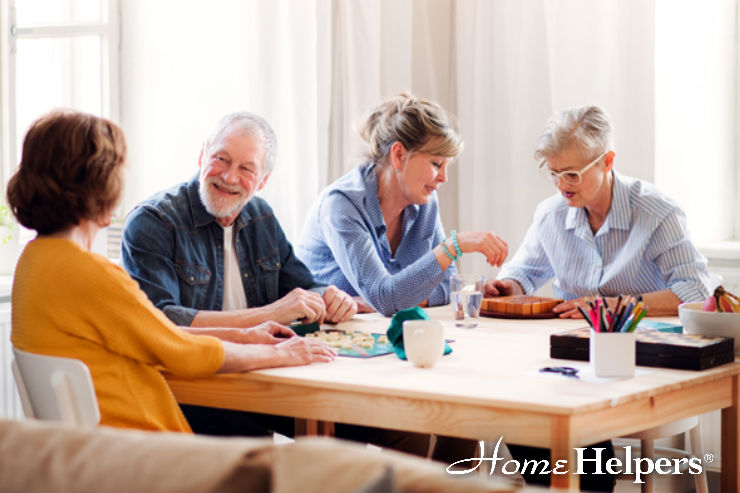
The following activities are designed to be quick and efficient. They will help your loved one stay healthy and happy for as long as possible as they cope with the effects of dementia. It will also appeal to their creative side, giving them things to engage in that are fun and bring joy, however, limited it may seem.

Here are a few ideas to get you started:

Do a Household Chore Together
Simple chores can be comforting on some level. It involves doing a familiar activity and allows the senior to focus on what they know how to do. This can be as simple as folding towels or drying dishes. Doing these activities may also trigger good memories and provide good conversation. The point of this activity is to help your loved one feel useful while also helping them cope with the symptoms of dementia.

Color in Adult Coloring Books
Coloring is a great way to improve memory and engage in something creative. It will help also with fine motor skills. Choose appropriate images that bring back nostalgic memories and aren’t too complicated. Engage in conversation while you enjoy this activity together.

Play a Memory-Based Card Game
Many card games are designed for strengthening memory skills. It’s also a wonderful way to relieve depression and lessen anxiety. The senior must stay alert to complete the game, and this helps them to remain focused and feel the positive effects of having completed something. Memory games such as Go Fish and Spot the Difference are a great place to start!

Take Short Walks
A brisk walk may not seem like a big deal, but it offers so much good for the treatment of dementia! Just a few minutes walking will increase blood flow to the brain, which helps everything. A little bit of exercise, fresh air, and time outdoors can do wonders for treating cognitive decline. If the patient is not very mobile, a simple walk down the hall may be all that is needed.

Sing a Song
Even if your loved one can’t join in, singing familiar songs can be a fun way that caregivers can interact with patients. Perhaps a song will trigger a good memory that will open conversation. They may even want to dance with you!

Utilize Animal Therapy
Animals have a wonderful way of bringing a smile to us. If you can’t see them in person, just looking at them on TV or watching funny shows that involve cute animals. Petting dogs or cats can release our “feel good” chemicals and this is why animal therapy is so popular among seniors.

Don’t be afraid to engage with your loved one, even if they seem distant. Simple and quick activities can go a long way in learning to cope with dementia and keeps your loved one more peaceful and calmer. For more ideas on activities for dementia, please contact us today!

Home Helpers of North Atlanta is a locally-owned, trusted home health care agency and offers quality, compassionate senior in-home care services including home care assistance, personal care, companion care, respite care, 24-hour care, and live-in care, Alzheimer’s & dementia care, Parkinson’s care, and stroke recovery home care services in Alpharetta, Buford, Cumming, Duluth, Johns Creek, Lawrenceville, Lilburn, Marietta, Milton, Roswell, Sandy Springs, Snellville, Stone Mountain, Sugar Hill, Suwanee, and Woodstock, Georgia.

Legal Disclaimer
This blog provides general information and discussions about medicine, health, and related subjects. The words and other content provided in this blog, and in any linked materials, are not intended and should not be construed as medical advice. If the reader or any other person has a medical concern, he or she should consult with an appropriately-licensed physician or other healthcare workers.

Never disregard professional medical advice or delay in seeking it because of something you have read on this blog or in any linked materials. If you think you may have a medical emergency, call your doctor or 911 immediately.

The views expressed on this blog and website have no relation to those of any academic, hospital, practice, or other institution with which may have been mentioned or linked to in the article.

Categories

Maintaining a Positive Outlook as a Caregiver

Caregivers these days suffer from something known as compassion fatigue and burnout. While you may not have heard these terms before, they are very real, and you might identify with them as we continue to live in a state of emergency due to Covid-19. Just how do you stay positive as a caregiver during these times? Read on, we’ve got some tips for you!

Caregivers have a lot to deal with, juggling clients’ needs as well as their own. Even without the stress of coronavirus, you probably have had to stay positive and balance life while multiple plates are spinning. The following tips will not take much time and can also help your client who is receiving your care, making it beneficial for all involved!

Caregiving Tips for Maintaining a Positive Attitude

Learn how to take feelings that are negative from feeling stressed out, to feelings of calm and positivity, with the following tips:

  1. Stop and pause. It’s been proven that in the midst of a stressful situation, simply stopping and taking some deep breaths and slowing your breathing down can help you calm down and regain control.
  2. Stay thankful! If you’ve never kept a gratitude journal, start now! Nothing beats the blues better or faster than listing things you are thankful for. Someone else always has it worse than you do, so it’s usually easy to count your blessings, even in the midst of hardship!
  3. Be present and mindful. This is simply the practice of staying in the present moment as much as you can. Being present in the here and now allows you to lay down worry over the past and the future. Stay present and stay thankful!
  4. Don’t be afraid to reach out and ask for help! If you are the main caregiver for a family member, professional caregiving services are there to support and help you! This will allow you to take breaks when needed and get some fresh air for yourself. Remember—home healthcare agencies are there to offer support to you!
  5. Cook and eat healthy. Food is fuel, both for our bodies and our minds. Eating healthy nutritious meals is critical for a healthy and positive outlook. Take a few minutes to think about your favorite foods, as well as those of the person you are caring for. Prepare those meals as often as you can!
  6. Reach out and talk to someone. Talk therapy really is super helpful and doesn’t have to be time-consuming. Whether you call a friend and chat for a few or a therapist who can help support you through the stresses of being a caregiver, talking is crucial for your mental health.
  7. Get out and exercise! Moving around is good for your body and your mind. Try yoga or a simple DVD at home. Even a walk around the block will do wonders for your energy levels.
  8. Listen to music. Music is some of the best therapy there is, especially for dementia patients. Find music that you and your loved one enjoy and make some new memories!

Be sure and spend time in nature and enjoy the fresh air. It will do wonders for your stress level and help you keep a positive outlook. Aging can be tough but all any of us really want is to be connected with our loved ones and stay as independent as possible. You can help provide that positive assurance that is needed, and we are here to help you! We hope that you and yours are staying healthy and positive during this unprecedented time in our nation’s history!

Please contact us if you have any questions.

Home Helpers of North Atlanta is a locally-owned, trusted home health care agency and offers quality, compassionate senior in-home care services including home care assistance, personal care, companion care, respite care, 24-hour care, and live-in care, Alzheimer’s & dementia care, Parkinson’s care, and stroke recovery home care services in Alpharetta, Buford, Cumming, Duluth, Johns Creek, Lawrenceville, Lilburn, Marietta, Milton, Roswell, Sandy Springs, Snellville, Stone Mountain, Sugar Hill, Suwanee, and Woodstock, Georgia.

Legal Disclaimer
This blog provides general information and discussions about medicine, health, and related subjects. The words and other content provided in this blog, and in any linked materials, are not intended and should not be construed as medical advice. If the reader or any other person has a medical concern, he or she should consult with an appropriately-licensed physician or other healthcare workers.

Never disregard professional medical advice or delay in seeking it because of something you have read on this blog or in any linked materials. If you think you may have a medical emergency, call your doctor or 911 immediately.

The views expressed on this blog and website have no relation to those of any academic, hospital, practice or other institution with which may have been mentioned or linked to in the article.
Categories

Could Your Parent Benefit from the DASH Diet?

The DASH diet is a diet designed to lower high blood pressure and provide a heart-healthy way of eating. In fact, DASH stands for Dietary Approaches to Stop Hypertension. Hypertension is a condition that affects over a billion people in the world. It’s a serious problem because it contributes to conditions like heart disease, stroke, and kidney failure. If your parent has high blood pressure, the DASH diet may be an excellent way to help manage the condition.

What Does the DASH Diet Do?

Following the DASH diet is meant to reduce the amount of sodium a person consumes and make sure they get enough magnesium, potassium and calcium. All these nutrients are proven to assist in reducing blood pressure levels.

The DASH diet is one that emphasizes eating plenty of vegetables, fruits, whole grains, and lean meats. The idea for the diet came about after researchers noticed that people who follow vegetarian and vegan diets have a lower instance of hypertension.

The other key health benefit of the DASH diet is its low sodium content. People who follow the DASH diet are encouraged to eat no more than 2,300 mg of sodium per day. That’s about a teaspoon of table salt.

What Do People on the DASH Diet Eat?

According to the National Institutes of Health (NIH), the general guidelines for the DASH diet say to eat the following number of servings of each kind of food:

  • Grains: 6-8
  • Meats, Poultry, & Fish: 6 or less
  • Vegetables: 4-5
  • Fruit: 4-5
  • Low-Fat & Fat-Free Dairy: 2-3
  • Fats & Oils: 2-3
  • Sodium: 2,300 mg or less

On a weekly basis, the diet includes these servings:

  • Nuts, Seeds, Dry Beans, & Peas: 4-5
  • Sweets: 5 or Less

A Day on the DASH Diet

Sometimes it’s helpful to get a glimpse at what people eat in a particular eating plan before trying it. Below is a sample day of the DASH diet provided by the Mayo Clinic:

Breakfast

  • 1 store-bought (commercial) whole-wheat bagel with 2 tablespoons peanut butter (no salt added)
  • 1 medium orange
  • 1 cup fat-free milk
  • Decaffeinated coffee

Lunch

  • Spinach salad made with:
  • 4 cups of fresh spinach leaves
  • 1 sliced pear
  • 1/2 cup canned mandarin orange sections
  • 1/3 cup slivered almonds
  • 2 tablespoons red wine vinaigrette
  • 12 reduced-sodium wheat crackers
  • 1 cup fat-free milk

Dinner

  • Herb-crusted baked cod, 3 ounces cooked (about 4 ounces raw)
  • 1/2 cup brown rice pilaf with vegetables
  • 1/2 cup fresh green beans, steamed
  • 1 small sourdough roll
  • 2 teaspoons olive oil
  • 1 cup fresh berries with chopped mint
  • Herbal iced tea

Snack (anytime)

  • 1 cup fat-free, low-calorie yogurt
  • 4 vanilla wafers

If your parent is interested in trying the DASH diet to help control high blood pressure and reduce the risk of heart disease, senior care can help. Senior care providers can assist in planning meals that meat the DASH diet’s recommendations. They can also drive your parent to the grocery store and help them with shopping for the necessary ingredients. Senior care providers can even cook meals and prepare snacks for your parent.

Sources
https://www.mayoclinic.org/healthy-lifestyle/nutrition-and-healthy-eating/in-depth/dash-diet/art-20047110
https://www.nhlbi.nih.gov/health-topics/dash-eating-plan
https://www.healthline.com/nutrition/dash-diet

Categories

Tips for Improving Your Heart Health

Your heart is where your life is! A healthy heart beats between 60-90 beats per minute and that may slow down a little as we age. That means your heart could eat more than 140,000 times each day! It’s crazy to think that the organ we depend on for the very breath of life is the one we so often fail to take the best care of. In this article, we will give you a few tips to take care of your heart and live the longest, healthiest life possible!

1. Keep Your Blood Pressure in Normal Ranges

When a person has high blood pressure, a lot can go wrong with the heart, including plaque that builds up in your arteries and if that is ignored for too long, it can cause a heart attack due to low blood flow which causes blockages. High blood pressure is easy to treat these days and that is a wonderful thing, but it has become so common, that we rarely take it as seriously as we should anymore.

Your blood pressure reading should fall in the range of 120/80, or somewhere close to those numbers. Checking it often is okay, but your doctor should be checking it at least yearly to monitor it. If you are diagnosed with high blood pressure, your doctor may suggest some lifestyle changes to get you back into healthy ranges. These include lowering your salt intake, more exercise, no fried or greasy foods, cutting out alcohol, and in general just becoming healthier. This also includes losing weight if necessary.

2. Manage cholesterol and triglycerides.
Your doctor should run bloodwork when you are fasting. It will check the cholesterol levels in your blood. There is “good” cholesterol and “bad” cholesterol and you will be checked to see if these two levels are where they need to be. If they are not, you are at significant risk for heart disease or even a heart attack.

Be aware of your family history. If there is a lot of heart disease in your family, you may want to stay on top of these levels even more vigilantly. Before you go thinking you’ll never be able to ear French fries again, just know that a healthy diet does not exclude yummy foods! There are so many foods that are heart-healthy and delicious! Learning about good fats and bad fats is the first thing to do! Good fats will actually make your heart healthy, so eat up on fish, nuts, avocados, olives, and heart-healthy oils.

3. Maintain a healthy weight.
When you are overweight, it’s much more difficult for healthy blood flow to your heart and through the rest of the body. If there is a build-up of plaque in the arteries, you are far more at risk for heart disease. You should consider intervention if your BMI (Body Mass Index) is above 30.

4. Exercise regularly.
We all need exercise! Being active physically will increase your heart health dramatically! It also reduces your stress level, which makes you healthier all the way around. All it takes is 20-30 minutes of exercise several days a week to stay in top shape, whether you are walking, jogging or doing light aerobics. Try doing something fun like dancing to get you started!

5. Quit smoking.
Smoking is a terrible habit and comes with terrible consequences, including having a very negative effect on your heart health. Did you know that 20 minutes after stopping smoking your blood pressure returns to normal levels? It’s true! All it takes is 3 months before your lungs recover and heal, and within 12 months, your heart disease risk is literally cut in half. If you want to quit, it’s never too late! Ask your doctor for help.

For more information on how to keep a healthy heart that will tick for years to come, please contact us today!

Home Helpers of North Atlanta is a locally-owned, trusted home health care agency and offers quality, compassionate senior in-home care services including home care assistance, personal care, companion care, respite care, 24-hour care, and live-in care, Alzheimer’s & dementia care, Parkinson’s care, and stroke recovery home care services in Alpharetta, Buford, Cumming, Duluth, Johns Creek, Lawrenceville, Lilburn, Marietta, Milton, Roswell, Sandy Springs, Snellville, Stone Mountain, Sugar Hill, Suwanee, and Woodstock, Georgia.

Legal Disclaimer
This blog provides general information and discussions about medicine, health, and related subjects. The words and other content provided in this blog, and in any linked materials, are not intended and should not be construed as medical advice. If the reader or any other person has a medical concern, he or she should consult with an appropriately-licensed physician or other healthcare workers.

Never disregard professional medical advice or delay in seeking it because of something you have read on this blog or in any linked materials. If you think you may have a medical emergency, call your doctor or 911 immediately.

The views expressed on this blog and website have no relation to those of any academic, hospital, practice or other institution with which may have been mentioned or linked to in the article.

Categories

Five Ways You Can Tell Your Senior Might Be Undernourished

If your senior isn’t eating enough or she’s eating lots of junk foods, she’s likely under-nourished. How can you tell for sure, though?

Her Skin Isn’t Looking Well

You can tell a lot about your senior’s health by looking at her skin. Skin that isn’t getting what it needs can be dull or flaky and she might find that her skin is itchy or feels tight and uncomfortable. By eating healthy fats, protein, and getting plenty of vitamins and minerals, your senior’s skin can improve again.

She Appears to Be Dehydrated

Dehydration affects every system in your senior’s body and if she’s not eating well, she’s probably not getting enough water, either. Some of the signs of dehydration could include extremely dry skin, dry mouth and eyes, or trouble urinating. Talk with your senior’s doctor about how much water is right for her to be drinking on a daily basis.

Her Digestive Tract Is Off

If your senior is experiencing nausea frequently or she’s having other digestive issues, she might not be getting the nutrients that she needs. Gut health relies on getting the right nutrients so that the healthy bacteria in the digestive tract get the nutrients they need so they produce what your senior needs. Any changes to her digestive health can mean she’s not getting what she needs.

Her Energy Levels Are Lower than Usual

How much energy your senior seems to have also can clue you in to what is going on with her nutritional health. Undereating or eating foods that are low in nutritional value gives your senior little of what she needs in order to keep her energy levels high. She needs to be eating plenty of protein along with fruits, vegetables, and healthy fats to keep her energy furnace going.

Her Brain Doesn’t Seem to Be Functioning Well

If your senior seems confused more often than usual, the culprit could be her diet. The brain relies mostly on healthy fats to keep running and if she’s gotten rid of a lot of the fat in her diet, including the healthy versions, her brain may be suffering a bit.

Sometimes aging adults eat less than they should because it’s a hassle to cook and to think about everything involved in cooking. If that’s the case for your senior, consider hiring home care providers to take over that task for her. They can cook healthy meals daily, ensuring she’s getting just the right mix of nutrients in a tasty format.

Categories

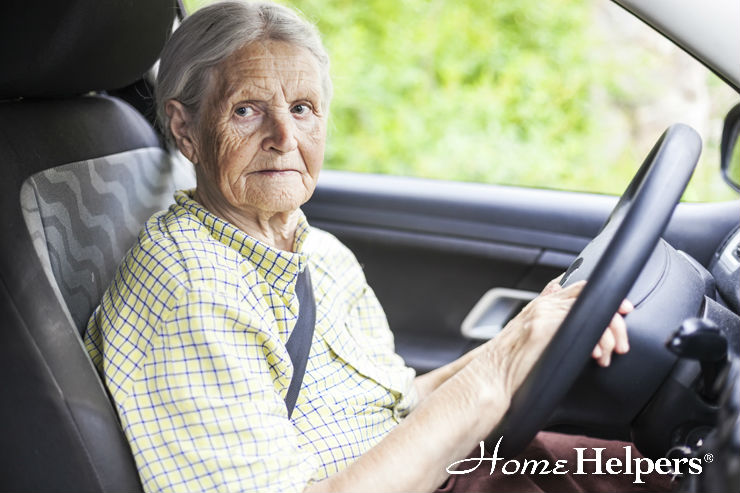
Determining When Your Senior Loved One Should Stop Driving

It is never easy to have a conversation with a senior loved one that has to do with giving up the keys to the car for good. After all, driving represents independence and freedom for most people, so it can be really difficult to know when the time is right to ask your loved one to stop driving for the sake of their safety, and that of other people on the road. It can make your loved one feel embarrassed, and due to the high cost of taxi cabs, the cost of not driving can seem overwhelming.

Aging alone should not mean that a person must stop driving, but if there are safety concerns due to health or slower reflexes, it can become an issue. It’s important to have a good reaction time for any driver, no matter how old they are.

So, when should you have the conversation about deciding the time to stop driving has come? Here are a few tips to help you know.

Does your loved one seem easily distracted or even nervous or jumpy?
Safe driving is completely dependent on cognitive health. If dementia or Alzheimer’s has been an issue, it’s even more important to consider this carefully. Not only because reaction times may be compromised, but also because memory loss becomes dangerous if they don’t remember how to get where they are going.

Does your loved one have any type of eye disease or poor vision?
Obviously, driving is not safe if you can’t see well. Even something as simple as cataracts can be dangerous for someone behind the wheel. Other vision problems in the elderly can include diabetic complications, macular degeneration, or glaucoma. All these conditions can be extremely risky for people who drive.

Is your loved one hearing-impaired?
Safe driving requires good hearing as well as good vision. All the various sounds and stimuli around us such as honking, sirens, or the sounds of mechanical problems are important to be able to hear. Without sharp hearing, accidents are far more prevalent.

Does your loved one have slowed reflexes?
One of the most important factors in driving safely is a quick reaction time. Car accidents are scary for anyone, but for those who cannot react quickly, they are far more likely to be in a serious accident.

Medications and safe driving
No matter how old you are, certain medications don’t mix well with driving, and this is especially true with seniors. They may be more sensitive to the side-effects of medications and become more susceptible to accidents. If you are concerned about any medications, ask the doctor for your loved one and go through the list of what they take and any potential sedating effects. Don’t forget to include all over-the-counter medications and any vitamins or supplements.

For more information on how to determine when it’s time to talk about your senior loved one turning over the car keys, please contact us today. It might be a tough conversation to have, but it is well worth it in order to keep them safe, along with the other people who are on the road with them.

Home Helpers of North Atlanta is a locally-owned, trusted home health care agency and offers quality, compassionate senior in-home care services including home care assistance, personal care, companion care, respite care, 24-hour care, and live-in care, Alzheimer’s & dementia care, Parkinson’s care, and stroke recovery home care services in Alpharetta, Buford, Cumming, Duluth, Johns Creek, Lawrenceville, Lilburn, Marietta, Milton, Roswell, Sandy Springs, Snellville, Stone Mountain, Sugar Hill, Suwanee, and Woodstock, Georgia.

Legal Disclaimer
This blog provides general information and discussions about medicine, health, and related subjects. The words and other content provided in this blog, and in any linked materials, are not intended and should not be construed as medical advice. If the reader or any other person has a medical concern, he or she should consult with an appropriately-licensed physician or other healthcare workers.

Never disregard professional medical advice or delay in seeking it because of something you have read on this blog or in any linked materials. If you think you may have a medical emergency, call your doctor or 911 immediately.

The views expressed on this blog and website have no relation to those of any academic, hospital, practice or other institution with which may have been mentioned or linked to in the article.
Categories

Helping Seniors with a High Protein Diet

Did you know that a diet high in protein is incredibly important for seniors? Protein is particularly important right before medical procedures or surgery and can help the healing time during an acute illness when the body doesn’t digest protein as easily. For our seniors, they especially need high-protein diets to maintain good bone density and muscle mass!

However, research has shown that a third of senior adults are not getting adequate amounts of protein in their diets. It’s due to several reasons, including:

  • Swallowing difficulties
  • Taste impairments
  • Limitations financially
  • Decreased appetite
  • Dental problems

The problem is compounded even more because older adults tend to not be as active in their lifestyle, and this can make the lack of protein consumption even more pronounced. Some of the damaging impacts can include:

  • Decreased mobility
  • Decreased muscles mass
  • Weak bone density
  • Longer times of recovery after illness or medical procedures
  • Eventual loss of independence

Ready for some good news? Well, older seniors who do get the protein that is needed will be far more likely to avoid any or all of these problems! They will stay independent much longer and maintain their ability to do tasks like getting dressed, seeing to their hygiene needs, climbing stairs, and even walking! A study at Purdue University states that “While eating an adequate amount of protein is not going to prevent age-associated loss of muscle altogether, not eating enough protein can be an exacerbating factor that causes older adults to lose muscle faster.”

The study also shows us that whenever possible, protein intake should come from natural food sources, rather than supplements like shakes. A good number to shoot for with protein consumption on a daily basis is about .8 grams of protein for every 2.2 pounds of body weight. This would mean that a woman weighing 120 lbs. should have 48 grams of protein each day. If seniors are already going through the aforementioned challenges, they can increase the protein to 1.5 grams per 2.2 pounds.

How do we increase protein naturally?

Here are some excellent food options that are rich in protein:

  • Yogurt
  • Cheese
  • Cottage Cheese
  • Lentils and beans
  • Chicken
  • Meat
  • Milk
  • Broccoli

Of course, you should always consult with the treating physician before changing your older loved one’s diet, but this guide can give you the general things to be aware of. Having your fridge stocked with items that are rich in protein, along with pre-cooked healthy meals high in nutrition can make a world of difference. Don’t forget healthy snacks too!

For more information and support on your senior’s dietary needs, please contact us today! We can help with meal preparation and other plans to make sure your senior loved one stays as healthy as possible for as long as possible!

Home Helpers of North Atlanta is a locally-owned, trusted home health care agency and offers quality, compassionate senior in-home care services including home care assistance, personal care, companion care, respite care, 24-hour care, and live-in care, Alzheimer’s & dementia care, Parkinson’s care, and stroke recovery home care services in Alpharetta, Buford, Cumming, Duluth, Johns Creek, Lawrenceville, Lilburn, Marietta, Milton, Roswell, Sandy Springs, Snellville, Stone Mountain, Sugar Hill, Suwanee, and Woodstock, Georgia.

Legal Disclaimer
This blog provides general information and discussions about medicine, health, and related subjects. The words and other content provided in this blog, and in any linked materials, are not intended and should not be construed as medical advice. If the reader or any other person has a medical concern, he or she should consult with an appropriately-licensed physician or other healthcare workers.

Never disregard professional medical advice or delay in seeking it because of something you have read on this blog or in any linked materials. If you think you may have a medical emergency, call your doctor or 911 immediately.

The views expressed on this blog and website have no relation to those of any academic, hospital, practice or other institution with which may have been mentioned or linked to in the article.

Debunking the Myths of Falling for Seniors

Are you one of the millions of Americans who think that tumbles and falls are just par for the course in older adults? The truth is, falling can be devastating for seniors and should be prevented at all costs. It’s not normal to fall and no matter how old you are, there are things you can do to prevent it.

Here are 10 myths and realities about falls:

Myth 1: Falling will never happen to me.

Reality: The truth is that 1 out of 4 older adults fall every year in the U.S. The results can be catastrophic, and the risk should not be underestimated.

Myth 2: Falling is just a normal part of aging.

Reality: Falling should never be considered normal, no matter how old you are. Preventing falls as you age can be easier than you think, and it starts with exercises to increase balance, having your vision checked, and making sure you follow directions carefully with medications.

Myth 3: I won’t fall if I just stay more sedentary.

Reality: The opposite is actually true! Falls will not be prevented by limiting activity. The more active you are, the better the condition you will be in, and this improves balance!

Myth 4: If I stay home more, a fall won’t happen to me.

Reality: Did you know that more than half of all falls happen at home? Your home can be more dangerous than you realize, so you should remove fall hazards such as throw rugs, poor lighting, and make sure that grab bars are installed in areas like the bathroom.

Myth 5: Muscle strength can’t be restored once it’s lost.

Reality: Even if you’ve never exercised much, it’s never too late to start! Becoming more active has a huge effect on the risk of falling, and it keeps you healthy in other areas as well. Muscle loss can be restored through even moderate exercise.

Myth 6: Taking medication won’t affect my fall risk.

Reality: Medications can definitely increase the risk of falls, and you should know the possible side-effects. If they make you dizzy or sleepy, you need to use a lot of caution. Always talk to your doctor about fall risks from your medications.

Myth 7: I don’t need annual eye exams.

Reality: The truth is that poor vision is a huge risk for falls. Vision changes and even some vision loss happens with age and you should have your vision checked every year even if you feel it’s fine.

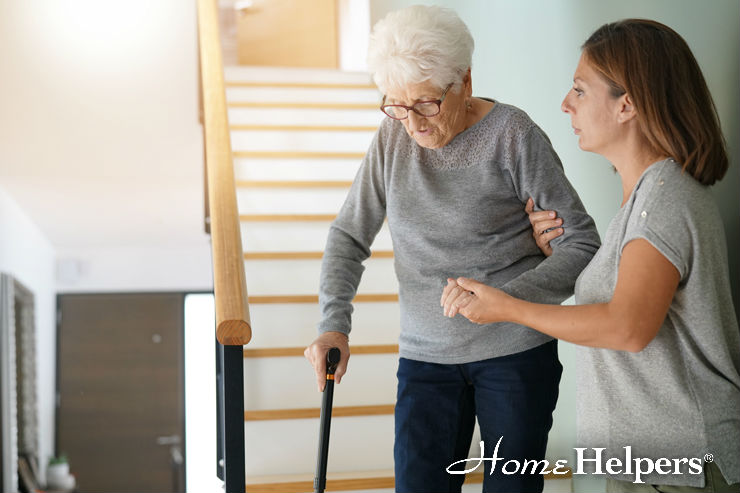
Myth 8: Using a walker or cane will keep me from falling.

Reality: The trick to walking aids is to use them safely. Otherwise, they can become a risk in and of themselves. Ask your doctor about being properly fitted for a cane or walker to make sure it is the right size and height for you.

Myth 9: If I talk to my family and medical team about my risk of falling, they will become alarmed and limit my independence.

Reality: It is a team effort to prevent falling! Remember, the goal is to keep you safe and you will need help to do that. Don’t be afraid to talk about falls with your loved ones so they can help you maintain your independence as long as possible!

Myth 10: It’s none of my business if I have concerns about an older loved one’s risk of falling.

Reality: You should always talk to a spouse or trusted family member about your concerns. At the very least, you can help them remove hazards such as rugs, etc. The goal is to keep their independence in place, not the other way around. Assure your older loved one that you are only there to help!

For more information on the risk of falling and how to prevent it, contact us today!

Home Helpers of North Atlanta is a locally-owned, trusted home health care agency and offers quality, compassionate senior in-home care services including home care assistance, personal care, companion care, respite care, 24-hour care, and live-in care, Alzheimer’s & dementia care, Parkinson’s care, and stroke recovery home care services in Alpharetta, Buford, Cumming, Duluth, Johns Creek, Lawrenceville, Lilburn, Marietta, Milton, Roswell, Sandy Springs, Snellville, Stone Mountain, Sugar Hill, Suwanee, and Woodstock, Georgia.

Legal Disclaimer
This blog provides general information and discussions about medicine, health, and related subjects. The words and other content provided in this blog, and in any linked materials, are not intended and should not be construed as medical advice. If the reader or any other person has a medical concern, he or she should consult with an appropriately-licensed physician or other healthcare workers.

Never disregard professional medical advice or delay in seeking it because of something you have read on this blog or in any linked materials. If you think you may have a medical emergency, call your doctor or 911 immediately.

The views expressed on this blog and website have no relation to those of any academic, hospital, practice or other institution with which may have been mentioned or linked to in the article.
Categories

What Do You Need to Know about Low Vision?

Low Vision Awareness Month is a great time to focus on your senior’s eyes and how well she can see. Low vision itself is a condition in which your aging family member may have corrective lenses, medication, or even past surgeries, but she still can’t see well. Here’s what you need to know about low vision.

It’s Really Common

According to the National Eye Institute, over 135 million people worldwide experience low vision. This can easily mean that even if your senior isn’t experiencing the effects of low vision now, she may well experience them in the future. Regular eye exams can help you and your aging family member to stay on top of how her vision is progressing. Make sure that you mention any changes in her vision to her eye doctor so that those changes can get checked out.

There Are Multiple Causes

Low vision isn’t caused by just one illness or situation, unfortunately. People with diabetes, glaucoma, and other health problems can develop low vision. People who had injuries to their eyes during their lifetime may also experience low vision. Because there’s no solid test for who will develop low vision and who won’t, it’s not always a simple problem to predict. That’s why regular eye exams are so very important.

It’s More than Just One Symptom

People with low vision may find that they have difficulty with certain tasks, even when using their glasses. Reading, matching colors, or even recognizing faces can be difficult. Your aging family member may complain that it’s never bright enough for her to see well, even if there are plenty of lights on. Everyone has a slightly different experience with low vision and that might mean that you and your senior have to get creative about finding solutions that work for her.

Your Senior Has Options

Depending on the severity of your senior’s issues with low vision, she has plenty of options. Some people find that having home care providers available to handle situations that require better vision. This gives your senior some independence still while also having someone to lean on. Your elderly family member might also benefit from vision rehabilitation, which can teach her how to cope with lower vision.

Your elderly family member can still live a very normal life with low vision. Finding the right tools and resources is the biggest step that you can take to give her the independence that she needs and wants.

Categories

© Copyright 2026 H. H. Franchising Systems, Inc, All Rights Reserved.