
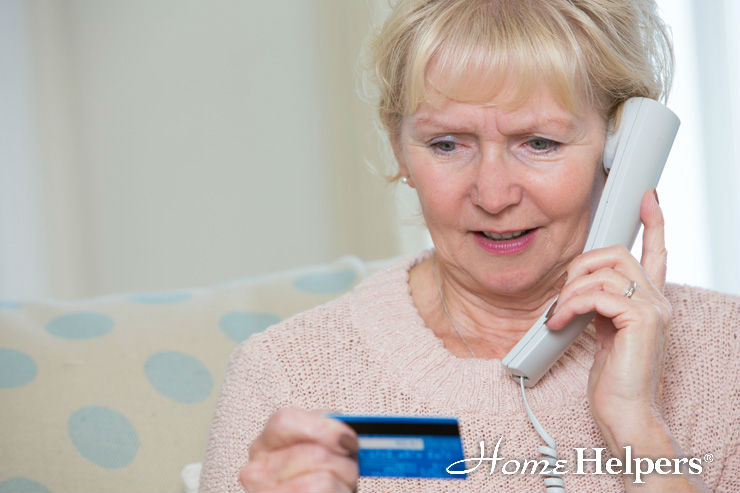
3 Ways to Keep Seniors Protected from Identity Theft

Research shows that seniors today have more access than ever to the internet. This includes the use of smartphones, tablets and even computers. As technology becomes easier to use, there have been many devices that have specifically marketed to the senior generation, in hopes that they will not feel left out of the information age. With this, however, comes risk. As seniors dive into the world wide web, their identity information is at risk for hackers and thieves. So, how do we keep seniors safe from identity theft? Read on!

1. Keep All Devices Updated
Seniors may not be familiar or aware of the importance of things like regular system updates. Help them to understand the best practices of staying safe by showing them what to do when an update request pops up on the screen. They could either learn to do it themselves or perhaps they could just bring it to a loved one or caregiver to help them through this process. 
Keeping updates flowing will ensure the safety and security of things like identity theft, MUCH better than without! Cyber threats are real, and the cyber thieves who are lurking are preying on the senior generation, assuming that they don’t know how to avoid risk factors for identity theft.

Most devices nowadays come with security features like unlocking the screen with fingerprint scanners or facial recognition. You should also have an app for them that helps locate the device if it’s lost or stolen.

2. Look Out for Scams.
Personal information is stolen or hacked in many ways, and the bad guys are getting sneakier all the time. Teach your senior loved one the basics of staying safe, such as not clicking on any link they don’t recognize. If they aren’t sure if it’s a fake website or not, the address should be typed manually into a web browser to see if it comes up. Clicking on links in emails is never a good idea, as the link itself will take them to a computer virus or other malware. The key here is to not click on links, even if the source looks legit, like a bank or medical office.

Also, it’s not a good idea to click on pop-up ads, as they too may contain malware that is designed to steal sensitive information from the device.

3. Keep Your Medical Information Protected.
Most criminals in the cyber world will go after medical info before they attempt anything else. Most hospitals and other institutions will identify their patients through a social security number. These numbers are of immense value to the scammer who knows it can be linked to just about any financial or medical information connected the number. Although it’s very easy and convenient to rely on digital records through a patient portal, etc., you should ask for proof that it is being properly secured and protected.

It could even affect the treatment received in an emergency if the medical records have a cyber-criminal mixed in with the actual patient.

To keep the risk of identity theft as low as possible, teach your senior loved one a couple of helpful tips:

  • Always look at medical bills and make sure they aren’t being charged for a service or treatment they did not receive. 
  • Know what the benefit limit is with their insurance. If they suddenly reach that limit before it’s expected, that should be investigated. 
  • Don’t just accept it if they are denied coverage for a common or familiar condition that should be covered. Always check with the insurance company to be sure!

Unfortunately, seniors are often targeted by identity thieves because they are easy prey. They often have good credit ratings, financial security, or simply due to the fact that cybercriminals know that seniors are the least likely group of people to actually know what to look for and how to avoid being scammed. In other words, the bad guys are banking on the technology-based ignorance of the older population.

Always shred sensitive information and go with automatic deposits whenever possible. This cuts down on the number of paper documents that store private info. There are many companies now who specialize in identity-theft monitoring just for seniors!

For more information on keeping your senior loved one safe from identity theft online, contact us today!

Home Helpers of Marina Del Rey is a locally-owned, trusted home health care agency and offers quality, compassionate senior in-home care services including home care assistance, 24-hour live-in care, personal care, companion care, respite care, Alzheimer’s & dementia care, Parkinson’s care as well as homemaker services in Marina Del Rey, Norwalk, Santa Monica, South Gate, Venice, Bell, Playa Del Rey, Huntington Park, El Segundo, Torrance, West Los Angeles, Redondo Beach, Culver City, Hermosa Beach, Inglewood, Manhattan Beach, Hawthorne, Palos Verdes Estates, Los Angeles, Rancho Palo Verdes, Lynwood, Rolling Hills, Downey, Rolling Hills Estates, Paramount, Harbor City, Compton, Wilmington, Gardena, Carson, Whittier, Lomita, Pico Rivera, and San Pedro, California.

Legal Disclaimer
This blog provides general information and discussions about medicine, health, and related subjects. The words and other content provided in this blog, and in any linked materials, are not intended and should not be construed as medical advice. If the reader or any other person has a medical concern, he or she should consult with an appropriately-licensed physician or other healthcare workers.

Never disregard professional medical advice or delay in seeking it because of something you have read on this blog or in any linked materials. If you think you may have a medical emergency, call your doctor or 911 immediately.

The views expressed on this blog and website have no relation to those of any academic, hospital, practice or other institution with which may have been mentioned or linked to in the article.

Categories

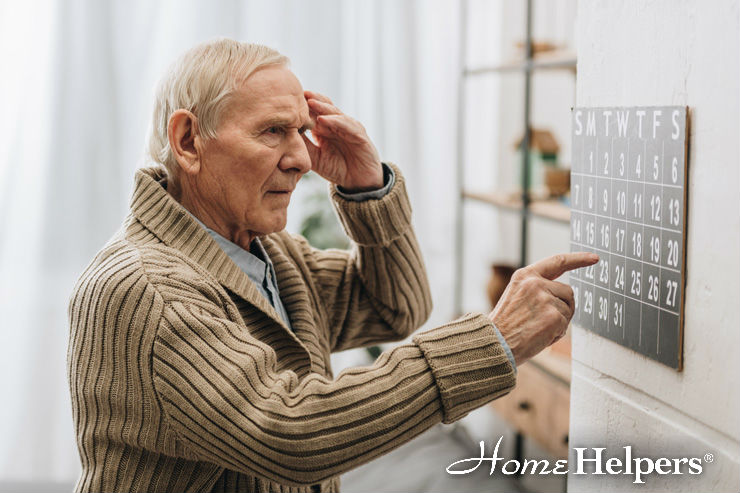
Memory Loss: When to Be Concerned

Have you ever heard the phrase, “you can’t teach an old dog new tricks?” Many seniors start worrying that they are losing memory and cognitive thinking skills as they age, and many of them think it just comes with growing older. To some degree, that can be true, but how do you know the difference between normal memory loss from aging and a cognitive decline such as dementia? Read on….

How Do You Know What’s Normal?
There are differences between forgetfulness that comes with aging and a more serious memory problem. The biggest difference is if there is a struggle to do normal tasks. Everyone is forgetful at times, but if it hampers your ability to think clearly, you should talk to a doctor about it. Here are some other points that might help you pinpoint the difference:

  • If driving becomes frightening for fear of getting lost
  • Being in familiar places and not remembering where you are or how to get home.
  • Inability to remember and follow directions
  • Confusion about the date, time, or relevant people or events.

Mild Cognitive Decline
Many older adults do develop mild memory or cognitive impairment that can be treated. They don’t usually have any major problems doing normal tasks or caring for themselves. While mild memory impairment may be an early sign of dementia or Alzheimer’s, this is not always the case.

Signs of a more serious memory impairment might include:

  • Always losing things.
  • Inability to remember appointments, events, or normally scheduled tasks.
  • Searching for vocabulary words to express what they are feeling.
  • Frustration trying to communicate effectively
  • Not remembering the names of loved ones, or which name goes with which face.

If your loved one is struggling with this type of memory decline, it’s important to see a doctor at least twice a year to monitor the progression. While there are no medications that are effective for mild memory loss, there are things you can do to help manage it well.

Dementia
The loss of cognitive function that affects every part of daily life is called dementia. Dementia starts with memory loss and can progress to the point that the individual is no longer safe to live on their own. Reasoning skills, remembering people, places, and names, and the ability to problem-solve are very impacted by dementia. 
While memory loss is the most obvious sign of onset dementia, there are other things to look for as well, such as a short attention span, inability to communicate effectively and clearly, looking for words all the time, and even visual perception. Alzheimer’s is the most common and most severe form of severe dementia and normally happens in older adults over the age of 65.

When to Visit the Doctor
It’s important to talk to a doctor if memory problems are concerning you. Dementia is not the only thing that causes memory loss. It can also come from certain infections, medications, substance abuse, and even depression. Only a doctor can help determine the cause and how to treat it. If it is a neurological disorder such as Alzheimer’s, your doctor can help manage the symptoms and get the best care possible. 
Be sure to ask a physician before you attempt to use supplements or other products that claim to help memory loss.

For more information on managing memory loss, dementia, or Alzheimer’s, please contact us today.

Home Helpers of the Lowcountry is a locally-owned, trusted home health care agency and offers quality, compassionate senior in-home care services including home care assistance, personal care, companion care, respite care, 24-hour care and live-in care, Alzheimer’s & dementia care, Parkinson’s care as well as homemaker services in Bluffton, Hilton Head Island, Beaufort, Hardeeville, Ridgeland, Sun City, Port Royal, Ladys Island, Okatie, Palmetto Bluff, Belfair Plantation, Berkeley Hall Club, Brays Island Plantation, Callawassie Island, Colleton River Plantation, Dataw Island, Fripp Island, Hampton Hall, Hampton Lake, Hilton Head Plantation, Indigo Run, Long Cove Club, Moss Creek Plantation, Sea Pines Plantation, Spring Island, and Wexford Plantation, South Carolina.

Legal Disclaimer
This blog provides general information and discussions about medicine, health, and related subjects. The words and other content provided in this blog, and in any linked materials, are not intended and should not be construed as medical advice. If the reader or any other person has a medical concern, he or she should consult with an appropriately-licensed physician or other healthcare workers.

Never disregard professional medical advice or delay in seeking it because of something you have read on this blog or in any linked materials. If you think you may have a medical emergency, call your doctor or 911 immediately.

The views expressed on this blog and website have no relation to those of any academic, hospital, practice or other institution with which may have been mentioned or linked to in the article.
Categories

Helping Seniors Have Healthy Skin

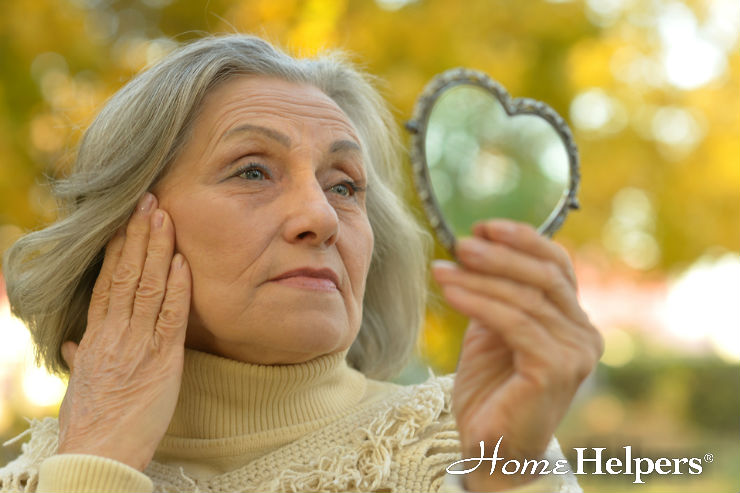
Aging takes its toll on all of us and is especially noticeable on our skin. As we age, our skin becomes thinner, less elastic and transparent, making bones and veins more visible. If you’ve had years of sun exposure, the aging process on your skin will be even more pronounced.

Seniors often deal with skin problems as a result of aging. Here are just a few of the things to watch out for:

Dry Skin

Older adults will often have dry skin, causing itchiness and redness. This most often happens on elbows, knees, lower legs and arms. Some of the things that exacerbate dry skin include:

  • Dehydration
  • Breathing air that is too dry
  • Prolonged sun exposure
  • Stress
  • Certain health conditions, such as kidney disease or diabetes.

Medications can also cause itchy dry skin. Because seniors already have thinning skin, scratching will often cause bleeding and that can lead to infection. So, how do you help prevent and treat dry skin in your older adult?

  • Use a very good moisturizer or lotion daily, as often as needed.
  • Take fewer baths or showers, as the water will dry skin out. Use mild soap when showers are taking place, and do not put additives in bath water.
  • Use a dehumidifier in sleeping areas

Bruising

Seniors bruise easily—far easier than younger adults. The healing process also takes a bit longer. If you notice bruising and don’t know how it got there, talk to a doctor to get to the bottom of it.

Wrinkles

We all get wrinkles as we age! But, the environment can play a big part. Sun exposure causes excess and premature wrinkling. Things like smoking and gravity also contribute to wrinkles.

There are lots of products and claims on how to get rid of wrinkles, but very few actually work. Some are even unsafe. If you choose to have any treatment for wrinkles, always go through a dermatologist who is experienced!

Skin Tags and Age Spots

Once referred to as “liver spots,” age spots are brown, flat marks on top of the skin. They are similar to freckles but much larger. Using a heavy-duty sunscreen can help reduce age spots later in life.

Skin tags are similar, but they are tiny pieces of skin that are raised. They are commonly found in women on the neck, folds of the body, eyelids, armpits, groin area and chest. They are usually harmless, but if they become bothersome, a doctor can remove them.

Skin Cancer

Skin cancer is one of the leading cancers in the US today. Contrary to popular belief, tanning beds can also cause skin cancer. People who are most susceptible to skin cancer are those with fair skin and freckles. If you burn easily, preventing skin cancer should be taken very seriously.

Skin cancer can happen to anyone of any color or any part of the body, although it is most often discovered on areas of the body that have been exposed to the sun.

For more information on seniors and skin care, please contact us today!

Home Helpers of Marina Del Rey is a locally-owned, trusted home health care agency and offers quality, compassionate senior in-home care services including home care assistance, 24-hour live-in care, personal care, companion care, respite care, Alzheimer’s & dementia care, Parkinson’s care as well as homemaker services in Marina Del Rey, Norwalk, Santa Monica, South Gate, Venice, Bell, Playa Del Rey, Huntington Park, El Segundo, Torrance, West Los Angeles, Redondo Beach, Culver City, Hermosa Beach, Inglewood, Manhattan Beach, Hawthorne, Palos Verdes Estates, Los Angeles, Rancho Palo Verdes, Lynwood, Rolling Hills, Downey, Rolling Hills Estates, Paramount, Harbor City, Compton, Wilmington, Gardena, Carson, Whittier, Lomita, Pico Rivera, and San Pedro, California.

Legal Disclaimer
This blog provides general information and discussions about medicine, health, and related subjects. The words and other content provided in this blog, and in any linked materials, are not intended and should not be construed as medical advice. If the reader or any other person has a medical concern, he or she should consult with an appropriately-licensed physician or other healthcare workers.

Never disregard professional medical advice or delay in seeking it because of something you have read on this blog or in any linked materials. If you think you may have a medical emergency, call your doctor or 911 immediately.

The views expressed on this blog and website have no relation to those of any academic, hospital, practice or other institution with which may have been mentioned or linked to in the article.
Categories

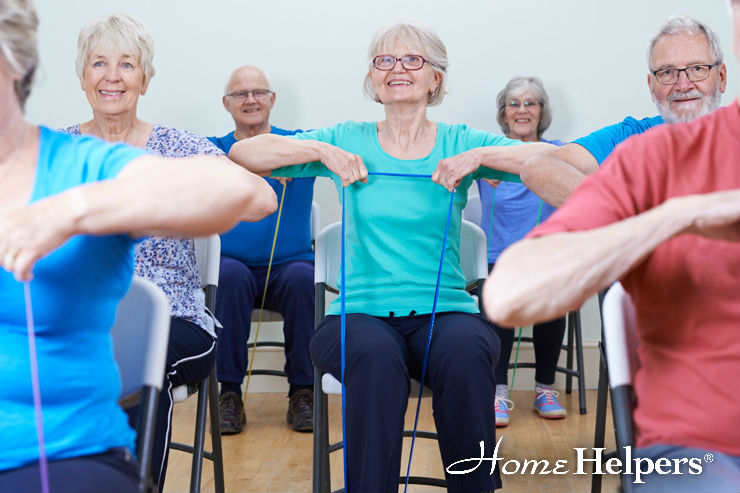
Benefits of Physical Activity in Seniors with Dementia

It’s no secret that physical activity is a huge benefit to people of all ages, especially seniors. The hard facts of scientific research show that exercise WILL improve overall health! These benefits of good health can come with even a small amount of exercise, no matter how old you are or the lifestyle you lead. But did you know that seniors with dementia are among those who reap huge benefits from physical activity? Read on to learn more…

Studies show that aerobic exercise slows the progression of dementia and other cognitive disorders. The results are so powerful, that doctors actually prescribe an exercise program as part of their overall treatment plan for seniors with dementia.

The hard part of the need for exercise is getting some seniors to participate in it. Many seniors with dementia and other cognitive issues are already withdrawn from social activity. They often suffer from depression, causing them to feel isolated. So how do you encourage the senior adult in your life to exercise more? Here are a few tips.

Walking
If you are having trouble getting your loved one out of the house, try just taking a walk together. Something as simple as an evening stroll around the block can do wonders for mood and well-being. Make sure that the distance you walk with them is not too strenuous for their current state of health. The bottom line here is that any amount of walking is better than no walking at all!

Leverage the Power of Grandchildren
Most grandparents love being around their grandkids and watching them play and run about. The energy that children exude can be very contagious! Schedule regular visits with the grandchildren and ask the senior loved one if they can help keep an eye on them or take a quick walk. All within reason, of course! The effort required should not be more than is reasonable, but even the small amount of activity can do wonders for seniors with dementia.

Ask for Help with Chores Around the House
Seniors who only have mild to moderate dementia are safe to engage in activities and hobbies that interest them. You might consider asking them to help you with light housework or an afternoon of gardening. For men, there might be small repairs around the house they could help with. All these things will make them feel useful and important, and that alone goes a LONG way with those suffering from dementia!

Join an Exercise Class
Nearly all community recreation centers or gyms will have exercise classes designed for seniors. They may even have classes that deal specifically with dementia or Alzheimer’s. These types of classes focus on getting them active and will not include strenuous or difficult activities. It can range from lifting light weights to using cardio bikes or treadmills. Yoga can also be very beneficial for seniors since it involves stretching and flexibility. Water exercise is one of the best ways for seniors to get active. It is safe and is very low impact.

Virtually any community center in your local area is sure to host exercise classes for seniors, and some may even specialize in classes for people living with dementia. These aren’t hardcore aerobics or anything, but they do give seniors the opportunity to life light weights, stretch, and use cardio machines such as stationary bikes. If there is a pool on site, seniors with dementia can also benefit from aquatic classes, from lap swimming to low-impact water aerobics.

For more information on how exercise can help seniors living with dementia, please contact us today!

Home Helpers of Marina Del Rey is a locally-owned, trusted home health care agency and offers quality, compassionate senior in-home care services including home care assistance, 24-hour live-in care, personal care, companion care, respite care, Alzheimer’s & dementia care, Parkinson’s care as well as homemaker services in Marina Del Rey, Norwalk, Santa Monica, South Gate, Venice, Bell, Playa Del Rey, Huntington Park, El Segundo, Torrance, West Los Angeles, Redondo Beach, Culver City, Hermosa Beach, Inglewood, Manhattan Beach, Hawthorne, Palos Verdes Estates, Los Angeles, Rancho Palo Verdes, Lynwood, Rolling Hills, Downey, Rolling Hills Estates, Paramount, Harbor City, Compton, Wilmington, Gardena, Carson, Whittier, Lomita, Pico Rivera, and San Pedro, California.

Legal Disclaimer
This blog provides general information and discussions about medicine, health, and related subjects. The words and other content provided in this blog, and in any linked materials, are not intended and should not be construed as medical advice. If the reader or any other person has a medical concern, he or she should consult with an appropriately-licensed physician or other healthcare workers.

Never disregard professional medical advice or delay in seeking it because of something you have read on this blog or in any linked materials. If you think you may have a medical emergency, call your doctor or 911 immediately.

The views expressed on this blog and website have no relation to those of any academic, hospital, practice or other institution with which may have been mentioned or linked to in the article.
Categories

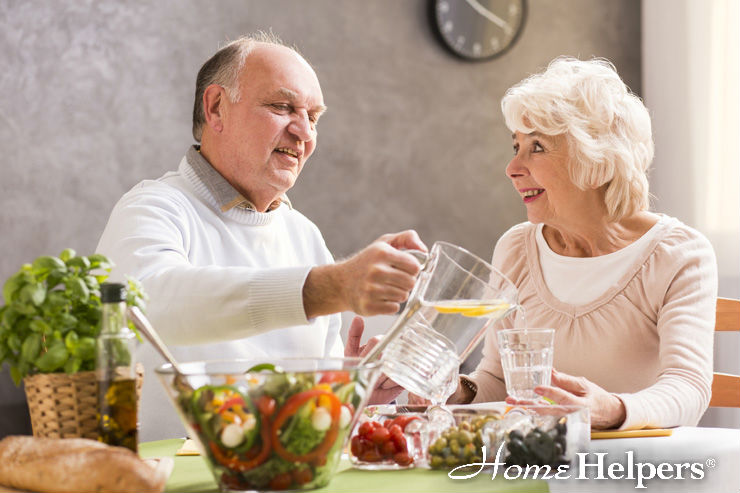
Healthy Meals for Seniors

As you begin to move into your senior years, choosing healthy food is a smart thing to do. No matter how old you are, making good choices is the best thing you can do. When you approach the age of 60, your body begins to change, and your metabolism slows down. The food you eat is responsible to provide the nutrients that you need. Use these tips to select better for a healthier you!

1. Drink plenty of water
Your sense of thirst begins to disappear as you get older. Drink lots of water and drink it often. Milk and juice will help you stay hydrated, but it is important to limit the number of beverages that have added sugar or salt. It is important to learn which liquids are better choices to add along with water.

2. Turn your meals into social events
When you turn your meal into a social event, it makes meals so much more enjoyable. Ask a friend to join you and plan to enjoy each a couple times a week. Some senior facilities may offer meals that are shared with others in the community. There are many ways in which you can make mealtimes pleasing and enjoyable.

3. Choose healthy meals
The Dietary Guidelines for America will give you advice on what you should eat, the amount, and which foods are good choices. It is important to find easy ways to prepare meals that are tasty, so you can get the nutrition that you need.

4. Take note of how much you eat
Portion control is very important. When eating out, consider the portion size and know that you can take part of your meal home with you for later. Many times, restaurants will give you enough for two meals or more.

5. Choose some vegetables
It is important for you to choose some vegetables in different colors to brighten your plate. Most veggies are a great source of nutrition and are low calorie. Veggies also offer you a good source of fiber.

6. Choose foods that protect your teeth and gums
As you move into your senior years, many find that their teeth and gums are changing. If you have dental problems and find it hard to chew certain foods, don’t miss out on the needed nutrition. Choose foods that are softer and easier to eat. Try cooked or canned foods that are unsweetened and low in sodium. Many times, these are much easier to eat and will provide you with the nutrition that you need.

7. Add flavor to your meals with herbs and spices
Sometimes food may taste different as you age. If your favorite foods begin to taste different it is probably not the cook. Your senses are beginning to change and can leave you not enjoying your means. Medications may also be responsible for the change in how foods taste. If this is the case for you, add flavor to your meals by using herbs and spices.

8. Store food safely
It is important to make sure that your food is stored correctly. Many food-related illnesses can be life-threatening for an older person. Throw away any food that you question. You don’t want to take chances with your health. Foods can be harmful when they are raw and undercooked. Some examples of these foods are eggs, sprouts, fish, meat, and chicken.

9. Check the nutrition label
When buying food, make the right choices. Look at the nutrition label and take note of the calories, fats, sodium, and sugar. It is a great idea to ask your doctor if there are some ingredients and nutrients that you need to limit or increase.

10. Ask your nutritionist or doctor about vitamins or supplements
The best way to get nutrients that you need is from the food that you eat. Sometimes you will need dietary supplements to help get the nutrition that you need. There are cases in which more nutrition through supplements is not better and can interfere with your medication and make medical conditions worse.

For more helpful information on senior living, visit our senior home care blog.

Home Helpers of Marina Del Rey is a locally-owned, trusted home health care agency and offers quality, compassionate senior in-home care services including home care assistance, 24-hour live-in care, personal care, companion care, respite care, Alzheimer’s & dementia care, Parkinson’s care as well as homemaker services in Marina Del Rey, Norwalk, Santa Monica, South Gate, Venice, Bell, Playa Del Rey, Huntington Park, El Segundo, Torrance, West Los Angeles, Redondo Beach, Culver City, Hermosa Beach, Inglewood, Manhattan Beach, Hawthorne, Palos Verdes Estates, Los Angeles, Rancho Palo Verdes, Lynwood, Rolling Hills, Downey, Rolling Hills Estates, Paramount, Harbor City, Compton, Wilmington, Gardena, Carson, Whittier, Lomita, Pico Rivera, and San Pedro, California.

Legal Disclaimer
This blog provides general information and discussions about medicine, health, and related subjects. The words and other content provided in this blog, and in any linked materials, are not intended and should not be construed as medical advice. If the reader or any other person has a medical concern, he or she should consult with an appropriately-licensed physician or other healthcare workers.

Never disregard professional medical advice or delay in seeking it because of something you have read on this blog or in any linked materials. If you think you may have a medical emergency, call your doctor or 911 immediately.

The views expressed on this blog and website have no relation to those of any academic, hospital, practice or other institution with which may have been mentioned or linked to in the article.
Categories

Advice on Aging Gracefully

The seniors who make it to the age of 75 or 85, or even 100 have triumphed and survived many threats to their physical and emotional health. Through these events, they have become much wiser and possess a maturity that only comes with age.

Depression, worthlessness, and anxiety are some feelings that are often found in seniors as they age. There is no need to allow these feelings to take over your life. As you begin to look at life, you can see that there are so many things to be thankful for, and many times you will discover that you can do things that were not possible before. When you begin to look at the positive things that come with the process of aging, it will allow you to age gracefully and gain the most from your senior years.

Here are a few things that you can to do embrace the aging process:

1. Try to exercise daily.
The serotonin levels in your body begin to decrease with age. These levels regulate your mood, appetite, sleep patterns, and blood pressure. When your serotonin levels drop, you are at risk for anxiety and depression. When you exercise, you are boosting the serotonin levels in your body and reducing the stress hormones. Exercising is also a great way to prevent injury and treat many symptoms that come with disease.

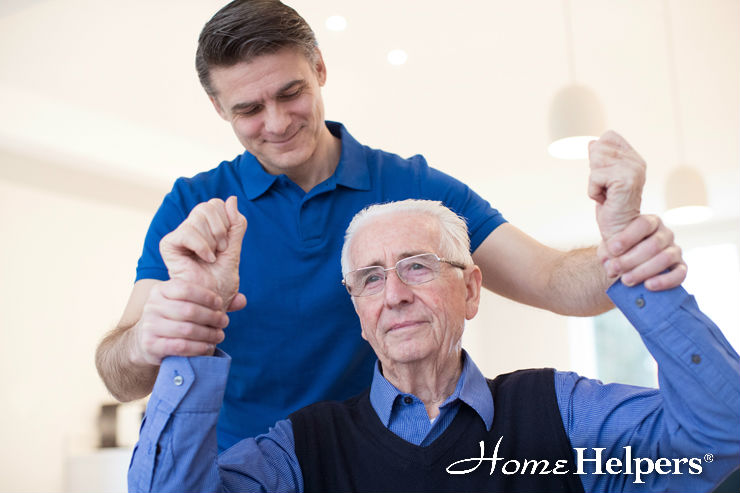
As we age, the amount and type of exercise we do will change. Some great options for seniors would be swimming, walking, yoga, or even activities that increase the range of motion. With the help of a caregiver or physical therapy, even those who find themselves bedridden can benefit from exercise to reduce the changes of bed sores and stiff muscles.

2. Go outside and enjoy the beautiful sunshine.
Being outside is good for your physical and mental health. It exposes you to vitamin D, which improves your immune system, regulates cell growth and helps you continue to absorb calcium. It is recommended that you spend 15-20 minutes a day outside. This will ensure that you are getting the vitamin D that your body needs.

3. Find things that you love to do.
When you retire or move to a senior care home, that doesn’t mean that you stop living. It’s important that you continue to do the things that you love. If you liked going to a movie, go to the movies. If you liked to paint, continue to paint. Doing the things that you love will keep your mind occupied and give you a much greater sense of self-worth.

4. Stay connected with your loved ones.
Many studies have shown that seniors who stay connected to the people they love and the social circles they belong to have lower rates of developing dementia. A support team can be created by involving yourself at the local community center or with any organization.

5. Keeping the mind busy and active.
Your brain will perform much better when it is challenged. A few things that you could do to keep your mind active would be to try and learn something new, go join a group activity, or crossword puzzles. Keeping your mind busy will also help treat illnesses such as dementia and depression.

6. Finding a few meaningful activities to fill your day.
It is important to find meaningful activities to fill your day. When a senior reaches the age of retirement, they are often caught off guard by the extra free time they have. To avoid feeling worthless, you can fill your day with things that you love and fun hobbies. A few new hobbies that you might try are writing, drawing, or traveling.

7. Accept the help of a caregiver.
Having a caregiver can help seniors preserve their sense of dignity and independence. By doing this, they are improving their quality of life and extending their lives. A caregiver can provide seniors and their families with a security that they need to keep living and doing the things they love to do.

8. Feel free to ask for help.
Asking for help when you need it is perfectly ok. As humans, we are social people. We need to be able to connect with others and we need support from time to time. Asking for help does not make you weak, it makes you human.

If you need the help of a caregiver to help you age gracefully, please don’t hesitate to contact us.

Home Helpers of Marina Del Rey is a locally-owned, trusted home health care agency and offers quality, compassionate senior in-home care services including home care assistance, 24-hour live-in care, personal care, companion care, respite care, Alzheimer’s & dementia care, Parkinson’s care as well as homemaker services in Marina Del Rey, Norwalk, Santa Monica, South Gate, Venice, Bell, Playa Del Rey, Huntington Park, El Segundo, Torrance, West Los Angeles, Redondo Beach, Culver City, Hermosa Beach, Inglewood, Manhattan Beach, Hawthorne, Palos Verdes Estates, Los Angeles, Rancho Palo Verdes, Lynwood, Rolling Hills, Downey, Rolling Hills Estates, Paramount, Harbor City, Compton, Wilmington, Gardena, Carson, Whittier, Lomita, Pico Rivera, and San Pedro, California.

Legal Disclaimer
This blog provides general information and discussions about medicine, health, and related subjects. The words and other content provided in this blog, and in any linked materials, are not intended and should not be construed as medical advice. If the reader or any other person has a medical concern, he or she should consult with an appropriately-licensed physician or other healthcare workers.

Never disregard professional medical advice or delay in seeking it because of something you have read on this blog or in any linked materials. If you think you may have a medical emergency, call your doctor or 911 immediately.

The views expressed on this blog and website have no relation to those of any academic, hospital, practice or other institution with which may have been mentioned or linked to in the article.
Categories

Recognizing and Preventing Strokes in Seniors

Did you know that stroke is now one of the leading causes of death in the US, coming in at number five? It’s estimated that nearly a million people will have a stroke this year. But here’s the good news: up to 80% of all strokes are preventable! The National Stroke Association and other agencies like it, have dedicated themselves to educating the public about how to recognize the symptoms of stroke, as well as how to prevent them. Scores of deaths could be prevented with this information.

Signs and Symptoms of a Stroke

With strokes, time is of the essence! 130,000 people will die every year from strokes, so it’s important to know the signs and how to treat it. If you recognize the signs and symptoms and get help immediately, most strokes can be reversed. This means that the current numbers do not need to be as high as they are!

The acronym F.A.S.T. has been adopted to help people identify the four most common stroke symptoms. If you or a loved one are having any of these symptoms, you need to seek medical intervention immediately! Here’s how the acronym F.A.S.T. breaks down:

  1. F — Face Droop. It’s very common during a stroke for the person to experience one side of the face drooping or sagging, along with feeling numbness. Ask the person to smile. If they cannot smile equally on both sides of the face, that is a warning signal to get help.
  2. A – Arm Weakness. Weakness in the arms is common with stroke. If the person cannot lift both arms in the air higher than the head, that is a big red flag that they could be having a stroke.
  3. S — Speech Difficulty. Speech impairment if very common when a person is having a stroke. If there is difficulty speaking or they are not able to get their thoughts together all of the sudden, you should call 911 immediately!
  4. T — Time. Survival of a stroke is largely dependent on time and how fast a person gets help. The odds of having a good outcome are greatly improved if you know the symptoms and act quickly.

Remember strokes are not a “wait and see” problem! If you suspect even a tiny sign of a stroke, you should get medical help immediately. It’s better to be safe than sorry! It’s never the wrong thing to do to either or call 911 or get to the emergency room right away. Even if a person has a stroke, the long-term damage can be greatly lessened if it’s dealt with quickly.

Preventing Strokes

While it’s critical to learn how to recognize the symptoms of a stroke, it’s even more important to prevent them altogether. Most strokes are totally preventable! Here are the things you can do to keep a stroke from happening in the first place.

  • Keep Blood Pressure Within Normal Ranges – High blood pressure causes heart disease, weight gain, and stroke. You should keep your blood pressure in check and take the steps necessary to lower it if it runs high. This can be done with diet, exercise, and medication.
  • Treat High Cholesterol – Similar to high blood pressure, cholesterol that’s too high can cause some of the same problems. Your arteries become blocked because of high cholesterol, and blocked arteries lead to stroke. Have your blood work checked often and get on the right medication to control your cholesterol if needed
  • Keep Blood Sugar in Check – High blood sugar causes a multitude of issues, including stroke. Have it checked often and ask your doctor to help you learn to check it on your own if it runs high at doctor visits.
  • Stay Active – For seniors, staying active keeps you healthy all around and keeps your mind occupied, oxygen flowing through your blood and good circulation.
  • Eat a Balanced Diet – Eating well contributes to good health! Your diet helps your immune system do its job, keeps you strong and healthy, helps you lose weight if needed, and allows your body to heal itself if problems do arise. Good nutrition goes a long way in preventing stroke as well.
  • Lose Weight if Needed – If you have high blood pressure, blood sugar or cholesterol, losing weight is the first thing you should do.
  • Quit Smoking – Easier said than done for most people, but if you are a smoker, you are greatly increasing your risk of stroke and heart attack! Please stop smoking if you do use cigarettes and do your homework about how smoking affects your health. If you have a senior loved one who smokes, you should educate them as much as possible and urge them to stop smoking. It very well could save their life!

The number one cause of disability among seniors in America is a stroke. Even those who survive a stroke are likely to have life-altering complications from it.

The most important thing you can do is live well and improve your health on all fronts! Each day you live healthier or help care for the senior loved one in your life by helping them live a healthier life, the greater your chances are of not ever having to suffer a stroke. Or to watch your loved one suffer a stroke.

Strokes are no joke! Get educated and take the steps necessary to keep your older adult as healthy as possible! Contact us today for more information on preventing strokes among seniors.

Home Helpers of Marina Del Rey is a locally-owned, trusted home health care agency and offers quality, compassionate senior in-home care services including home care assistance, 24-hour live-in care, personal care, companion care, respite care, Alzheimer’s & dementia care, Parkinson’s care as well as homemaker services in Marina Del Rey, Norwalk, Santa Monica, South Gate, Venice, Bell, Playa Del Rey, Huntington Park, El Segundo, Torrance, West Los Angeles, Redondo Beach, Culver City, Hermosa Beach, Inglewood, Manhattan Beach, Hawthorne, Palos Verdes Estates, Los Angeles, Rancho Palo Verdes, Lynwood, Rolling Hills, Downey, Rolling Hills Estates, Paramount, Harbor City, Compton, Wilmington, Gardena, Carson, Whittier, Lomita, Pico Rivera, and San Pedro, California.

Legal Disclaimer
This blog provides general information and discussions about medicine, health, and related subjects. The words and other content provided in this blog, and in any linked materials, are not intended and should not be construed as medical advice. If the reader or any other person has a medical concern, he or she should consult with an appropriately-licensed physician or other healthcare workers.

Never disregard professional medical advice or delay in seeking it because of something you have read on this blog or in any linked materials. If you think you may have a medical emergency, call your doctor or 911 immediately.

The views expressed on this blog and website have no relation to those of any academic, hospital, practice or other institution with which may have been mentioned or linked to in the article.
Categories

Signs Your Senior Loved One Needs Assistance

One of the hardest things seniors face as they grow older is knowing they may need assistance and asking for it. Everyone wants to be independent and healthy as long as possible and most seniors fear to be a burden to their loved ones above all else.

If your older adult is showing signs of needing more care and assistance to have a full life, it’s best to approach it slowly and transition gradually. Read on to discover our tips and suggestions about easing your loved one into assisted living.

Signs Your Senior Loved One Needs Assistance

  1. Illness or other medical conditions. If your loved one has just been diagnosed with an illness that will affect their ability to care for themselves, you will need to have the conversation with them about accepting assistance. Often, this manifests itself in daily tasks. Just be aware of the functions of daily living and look for signs of difficulty.
  2. Driving. It’s really tough to take the car keys from a senior loved one, but if you’ve noticed minor accidents, or if their vision, hearing or reflexes have declined, it’s time to intervene for the safety of everyone involved.
  3. Nutrition and Eating Habits. Watch for signs of weight loss or out-of-date food in the fridge. If your loved one is either not eating well or not able to cook their own meals any longer, you should see about getting a service such as Meals on Wheels.
  4. Hygiene. Take note of laundry piling up and not getting washed, or if your loved one is going too long without bathing or doing other personal hygiene tasks.
  5. Behavioral Changes. Have you noticed your loved one displaying mood swings or becoming depressed? Are they more withdrawn and anti-social? You may notice that they don’t want to attend events or go places.
  6. Medication. If you notice that medication is not being taken on time or your loved one is confused about dosages, etc, it is time for assistance
  7. Finances. Check to see if bills are stacking up, utilities aren’t being paid or if your senior loved one is having difficulty balancing their checkbook.
  8. Safety. If your loved one is displaying signs of forgetfulness, this is often the first sign of the need for assisted care. For instance, you may find doors and windows aren’t locked when they should be, or candles, stoves or cigarettes aren’t being distinguished safely.

Any one of these concerns is cause for action. A more active role in your loved one’s life may be necessary, or home health aides should be considered. No one knows your loved ones the way you do, so trust your gut if you sense they are not safe to live alone. Try to talk to them about these concerns when they’re doing well so that a plan can be made when the time comes for more assistance.

Keep in mind that simple adjustments may solve many of your concerns. A family member could drop in and check on meals and medication. Seniors may be able to care for themselves well in other areas, and just need someone to make sure they are safe and secure.

If you have determined that your senior loved one needs a deeper level of care, you should consider hiring a home health care worker or other caretaker who is properly trained. Sometimes all that is needed is a caretaker who can come during the day and drive the person to appointments or do grocery shopping. More skilled caretakers can help with occupational therapy, medication management, light cooking, and making sure the senior is safe in bed at night.

If your loved one needs more medical care that can be given in the home, you should explore options for assisted living facilities, nursing homes, or other nursing care. Above all else, speak with your senior loved one’s doctor so that everyone involved feels confident and secure about any decisions. Reach out for help by joining a support group so you can benefit from others who have also walked this road.

Growing older can be daunting, but it need not be scary. We can help you discover your options so you and your older adult can live fulfilling and happy lives!

Home Helpers of Marina Del Rey is a locally-owned, trusted home health care agency and offers quality, compassionate senior in-home care services including home care assistance, 24-hour live-in care, personal care, companion care, respite care, Alzheimer’s & dementia care, Parkinson’s care as well as homemaker services in Marina Del Rey, Norwalk, Santa Monica, South Gate, Venice, Bell, Playa Del Rey, Huntington Park, El Segundo, Torrance, West Los Angeles, Redondo Beach, Culver City, Hermosa Beach, Inglewood, Manhattan Beach, Hawthorne, Palos Verdes Estates, Los Angeles, Rancho Palo Verdes, Lynwood, Rolling Hills, Downey, Rolling Hills Estates, Paramount, Harbor City, Compton, Wilmington, Gardena, Carson, Whittier, Lomita, Pico Rivera, and San Pedro, California.

Legal Disclaimer

This blog provides general information and discussions about medicine, health, and related subjects. The words and other content provided in this blog, and in any linked materials, are not intended and should not be construed as medical advice. If the reader or any other person has a medical concern, he or she should consult with an appropriately-licensed physician or other healthcare worker.

Never disregard professional medical advice or delay in seeking it because of something you have read on this blog or in any linked materials. If you think you may have a medical emergency, call your doctor or 911 immediately.

The views expressed on this blog and website have no relation to those of any academic, hospital, practice or other institution with which may have been mentioned or linked to in the article.

Categories

How Alternative Sweeteners Can Help Alzheimer’s

Bet you don’t know that there is a link between Alzheimer’s Disease and…. wait for it…. SUGAR! We’ve been told for years how dangerous the effects are from a diet high in processed sugar. It’s not just an issue of getting cavities anymore; sugar has a far more terrible impact on our health than we’ve previously been aware of. A diet full of processed sugar puts you at risk for Type II diabetes, high blood pressure, chronic fatigue, and even increased pain conditions. Sugar also causes your good cholesterol to drop too low and your bad cholesterol shoot sky high. So, what do we do to even begin turning this around? Read on…..

It is now known that sugar has a serious impact on Alzheimer’s Disease, so if you know or care for someone who has Alzheimer’s or dementia, now is the time to help them cut sugar out of their diet because their overall health depends on it! Let’s look at some tips and info that will help you stay aware of the sugar your household is consuming and what you can do about it. There are many myths revolving around the great sugar debate, so we will now break down some of the more known ones.

Natural Sugar vs. Added Sugar
Here’s the most important thing to know about your sugar intake. There are many natural foods, such as fruit, that have lots of natural sugar. The key here is to never use any added sugar or products that claim there is no sugar, but a closer look reveals tons of Nutra Sweet or aspartame or Splenda. When you eat a food that naturally has some sugar, it’s much better for you. When food has its own sugar and then there is also added sugar such as glucose syrup or sucralose, you want to stay away from it! Corn syrup is another big no-no from any diet!

How Do We Know When It’s Too Much?
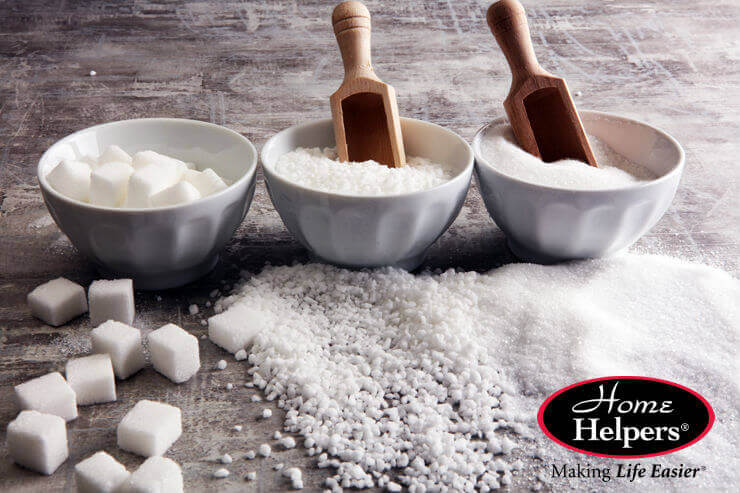
The American Heart Association strongly warns us to greatly reduce the sugar in our diets. The easiest way to do this is to set a limit of no more than 6 teaspoons (25 grams) for women and 9 teaspoons (37 grams) for men. This means that by the end of the day, men and women will have consumed 100 calories or 150 calories, respectively. These are the calories that come directly from sugar.

Sugar Substitutes and Artificial Sweeteners
So, how do we start reducing our sugar intake? One way is by substituting sugar for a healthier alternative, such as honey, agave nectar, or stevia. Let’s look at those options a bit more closely….

• Honey
Honey does come from nature; therefore, it is a natural sweetener, but it does break down into glucose and fructose, which have negative health effects for diabetics. For healthy people, honey has many health benefits, including an anti-inflammatory property. Honey is also a heart-healthy food.

• Agave
Agave nectar is an appropriate choice because it is very stable in your system and doesn’t cause blood sugar spikes. It is also very low on the glycemic index. However, keep in mind that it does have fructose in it and this would be a problem for diabetics. This spike in blood sugar levels can also cause weight gain, and who wants that?

• Coconut Sugar
This is a smart choice due to its low sugar content, and the many vitamins and minerals to boot. It is not processed and is unrefined, making it a very smart choice for natural sweeteners. Coconut sugar does not cause the extreme blood sugar spikes and is the same calorie content as regular sugar.

• Stevia
Stevia is the new star of the show when it comes to natural sweeteners! It may come in the name brand Truvia, Pure Via, or Rebiana. Because stevia comes from a plant, it does not have calorie content, making it a very safe choice for diabetics.

• Splenda
Sucralose is the main ingredient in Splenda. While it’s tons sweeter than regular sugar, it is still an artificial sweetener. It has no calories and diabetics can usually tolerate it just fine. But some people do not want to eat any artificial sweetener at all. If this is the case, you need to find sweeteners that come from nature, rather than a refining process.

For more helpful tips on caring for seniors, please visit our senior home care blog.

Home Helpers of Marina Del Rey is a locally-owned, trusted home health care agency and offers quality, compassionate senior in-home care services including home care assistance, personal care, companion care, respite care, Alzheimer’s & dementia care as well as homemaker services in Marina Del Rey, Norwalk, Santa Monica, South Gate, Venice, Bell, Playa Del Rey, Huntington Park, El Segundo, Torrance, West Los Angeles, Redondo Beach, Culver City, Hermosa Beach, Inglewood, Manhattan Beach, Hawthorne, Palos Verdes Estates, Los Angeles, Rancho Palo Verdes, Lynwood, Rolling Hills, Downey, Rolling Hills Estates, Paramount, Harbor City, Compton, Wilmington, Gardena, Carson, Whittier, Lomita, Pico Rivera, and San Pedro, California.

Categories

Outdoor Activities Seniors and Caregivers Can Enjoy

Getting out of the house to enjoy some outdoor activities with the senior in your life is easier than you might think. Spring has sprung in most areas of the country and any doctor will tell you that getting outdoors is good for all of us, especially after a long winter! Sunshine carries significant vitamins and other benefits that affect mood, balance and overall health. Want to know more?

The Benefits of Getting Outside
One of the main benefits of spending short times outdoors is just the time in the sunshine. Vitamin D is boosted by sunlight and that helps brain function, muscle strength, and even bone health. Many doctors actually prescribe Vitamin D as part of a treatment plan, so why not just get outside rather than pop another pill?

Being outdoors also gives seniors the chance to socialize, meet new people, take pets for a walk, etc. In short, being outside is excellent for mood and emotional stability!

Outdoor Activities
Try doing things that your senior loved one has always enjoyed, such as gardening or walking. You may even find new hobbies that would interest them. Keep in mind that if it gets too warm, they may need to limit their time outside. Make sure they have plenty of water. Here are some other ideas:

  1. Go see a sporting game the grandkids are playing in. Kids love having their family there to watch them play! Whether they win or not, it always boosts the self-confidence in children to have their grandparents there to watch!
  2. Do something touristy. Take a tour through your city on a bus, trolley or another fun way to see the sights. Many cities have historical tours that are a very fun way to learn about where you live. This can be a great way to do something with your senior loved one that doesn’t require a lot of walking.
  3. Find a fun place to eat. Try a restaurant you’ve never been to and help your loved one try something new. They may find a favorite new food!

Even More Ideas for Seniors to Get Outside

  • Take a nice stroll. You might have to start short and build up, but it’s great exercise and time to be together.
  • Visit with animals. This might be nothing more than putting a birdhouse up and sitting outside to enjoy the birds. Or, it might be a trip to the zoo or animal shelter. Playing with puppies or kittens is a wonderful way to boost mood and happiness!
  • Have a Picnic. This can be a wonderful way to spend time together. It can be in the garden of an assisted living facility, your own backyard, or even a nice park. Pack some simple food, a blanket, and be sure to pick a shady area and bring lots of water. Sometimes watching children playing in the park can be very rewarding for seniors.
  • Go watch holiday fireworks.
  • Go out for a special treat like ice cream or coffee.

These are just a few great ideas for caregivers to spend time with seniors and enjoy getting outside more. You know your loved one best, so try doing things you know they will love. As always, ask them for their own ideas! Let them play a vital part in what you do. Most of them will tell you if you will only ask.

We hope this gives you some inspiring ideas to enjoy the great outdoors with the senior in your life! For more information, contact us today!

Home Helpers of Marina Del Rey is a locally-owned, trusted home health care agency and offers quality, compassionate senior in-home care services including home care assistance, personal care, companion care, respite care, Alzheimer’s & dementia care as well as homemaker services in Marina Del Rey, Norwalk, Santa Monica, South Gate, Venice, Bell, Playa Del Rey, Huntington Park, El Segundo, Torrance, West Los Angeles, Redondo Beach, Culver City, Hermosa Beach, Inglewood, Manhattan Beach, Hawthorne, Palos Verdes Estates, Los Angeles, Rancho Palo Verdes, Lynwood, Rolling Hills, Downey, Rolling Hills Estates, Paramount, Harbor City, Compton, Wilmington, Gardena, Carson, Whittier, Lomita, Pico Rivera, and San Pedro, California.

Categories

© Copyright 2026 H. H. Franchising Systems, Inc, All Rights Reserved.