5 Tips for Caregivers to Take a Break

If you are a caregiver to an elderly loved one, it’s very important that you learn to take care of yourself as well as your patient. You must learn how to prevent yourself from facing burnout and exhaustion to avoid a new set of health problems yourself. So why is it so hard for caregivers to take a break? Rationally, we know it’s needed, but emotionally, we don’t want to step away from our loved one, even if it’s taking a toll on our own health. It’s tough to ask for help, but it’s important to do. Let’s look at some tips that will help you through the season of being a caregiver to your loved one, but also for yourself.

  1. Realize you might feel guilty sometimes. If you care, you will feel guilty sometimes. It just goes with the territory of being a caregiver. Taking the necessary breaks along the way will help you tremendously in keeping yourself in good metal health, as well as physical. After all, if your own health suffers, you aren’t going to be much good to anyone else.
  2. You don’t need their permission. You must remember as a caregiver that you will face times where you need to step out, leave the house and take a break. Your senior loved one may give you a hard time about leaving, but they don’t get to make this decision. You must stand your ground and lovingly remember that dementia keeps them from being able to think about what’s best for you. It can be like dealing with children in that you have to be the one to make the tough decisions. Just remember that every decision you make is for their health as well as your own.
  3. Avail yourself to services that give aid to caregivers. While it might seem costly to hire outside help, you have to remember to put your own health first. If you’re a caregiver, you already know how exhausting it can be. Don’t be afraid to ask for outside help, whether it’s paid help or volunteers from your church or civic group. Most people are more than happy to step in and help if you will just express the need.
  4. Stay checked in! If it makes you nervous to step away for a short time and leave your loved one in the hands of a volunteer caregiver, check in often to ease your mind. You can call to find out how things are going, and you can use strategic ways to find out how things are going. A phone call is good, or perhaps asking caregivers to make some notes for you to review.
  5. Be creative when introducing a new caregiver. Senior adults don’t want to feel like they need a babysitter. If you are introducing outside help, use creative ways to help protect your loved one’s dignity. This may include telling your senior loved one you have hired someone to help with the running of the household, or having someone around to help run errands. The more they see this person, the more likely they are to accept their help as caregivers. If it’s family members or close friends who are helping, it’s easy to say they are just looking for ways to help out.

The main thing to remember here is that you MUST take the time to unwind and recharge your own batteries or your own health will be on the line and you’ll be of no use to anyone. Go to the spa and get that massage and manicure. Ge have a drink with a friend, or just sit alone and read a few chapters of a good book. Even going for a short walk can go a long way in preserving your health. Caregivers are people too, and must be looked after.

For more information on caregivers for the elderly, contact us today!

Home Helpers of Virginia Beach is a locally-owned, trusted home health care agency and offers quality, compassionate senior in-home care services including home care assistance, personal care, companion care, respite care, Alzheimer’s & dementia care as well as homemaker services in Virginia Beach, Norfolk, Chesapeake, Portsmouth, Suffolk, Pungo, Sandbridge, Princess Anne, Yorktown, Newport News, Seaford, Williamsburg, Grafton, Tabb, and Poquoson.

Categories

How to Find a Home Care Helper for Your Aging Parent

The key to choosing the ideal home care agency is knowing the amount of care needed by your mother or father. There are primarily two categories of in-home care: custodial care and professional care. Custodial care includes help with shopping, housekeeping, preparing meals, and also personal care like dressing, feeding and bathing. Skilled care, on the other hand, attends to the medical requirements of the senior. Some companies provide only one type of care while others have both choices.

Listed below are some pointers for selecting a home care agency for your loved one:

You really need to thoroughly evaluate what type of assistance is needed by your mother or father when it comes to their health care, household care and personal care. Do they need aid with home health care like supervising their medications or physical therapy?

  • Write a job summarization. After you have analyzed your loved one’s demands, it’s time to write a job description that will help you recognize the most suitable choices for the job. If you’re going to an elder care agency, the job description will also help them in choosing the right caregiver for your mother or father.
  • Have a job contract. Your in home care company should be able to draft a contract but it’s very important to make sure all the important details are included.
  • Try to find prospective elder care professionals. You can ask around– good friends, acquaintances or perhaps the people you work with– may be able to direct you to a few really good companies or they may know of a caregiver personally. You can also examine online for credible agencies. On a related tone, if your senior loved one calls for specific care, such as if they are dealing with dementia or Alzheimer’s disease, you should also ensure that the caregivers you are taking into consideration have the appropriate training and experience in dealing with patients who have these health issues.
  • Get ready for the meeting. Once you have selected an agency that utilizes home health aides, it’s time to get ready for the consultation. You need to have a list of questions to ask, not only the caregivers but also the agency itself. Ask how long they have been in the industry, if their caregivers are bonded, if they are licensed, and what kind of training the home care service providers have undergone. Pick an agency that is very helpful in answering your questions. Avoid those who seem too busy to answer your questions in addition to those that do not offer competent answers.

When talking to the caregiver applicants, always make it a point to observe their demeanor and temperament. Invite a family member to take part the interview so you can get a second opinion. Ideally, you also should observe the interaction and communications between the caregiver and the loved one who is requiring elderly care.

A lot of agency workers seem good on paper but may not really be qualified to give care to the elder. You need to look past their resumes and you should truly do your best to learn as much about them and their character before you choose who will take care of your aging mom or dad.

  • You should also examine if they have any reports of alcohol or drug use, if they have offenses that present a safety and security risk, and if they have a driver’s license. Find out as much as you can about the company and the caregiver. You want the best potential care for your parent and this begins by giving her or him a caregiver who is knowledgeable and trained to provide the services needed, someone who is thoughtful, understanding and patient, and someone you can trust to look after your parent when you’re not around.

Learn how the caregivers at Home Helpers can help provide the finest possible quality of life at home for your loved one– get in touch with us to schedule your free in-home consultation today.

Categories

Important Questions to Ask Yourself Before Becoming a Caregiver to Aging Parents

If you are considering becoming a caretaker for your aging parents or other family member, there are a few questions you should ask yourself in preparation for this important role. It can be very demanding, but also wonderfully rewarding.

Many of us have parents who have reached the place where they need some extra help with the daily grind. Perhaps they need some assistance with cooking and housekeeping, or maybe they need a higher level of care for a chronic medical condition, but they have made it abundantly clear that they do not want to be placed in a nursing home.

Most seniors want the dignity of remaining as independent as possible for as long as possible. This likely includes aging at home so they can stay in a familiar environment. However, they may come to that place of needing the care and assistance that only a caregiver can provide. This may happen gradually or unexpectedly fast, but either way, it’s good to think through the process of becoming a caregiver to your aging family member.

Becoming a caregiver requires more than just physical assistance. It will often involve advocating by lining up doctor visits, home medical care from skilled nurses, physical therapy, etc. You will be managing medications, meals and overall wellbeing of your loved one. With more baby boomers retiring, the number of Americans caring for aging parents is also increasing. Currently, more than 68 million people in the United States are caregivers for their parents or other loved ones.

So How Do You Know If You’re Ready to Be a Caregiver?

There are some questions you should ask yourself before taking on this role. You’ll need to carefully consider important factors such as your own stamina, availability and even whether you have the right personality to provide ongoing effective care. You also need to make sure you can continue to care for yourself properly while taking on the role of parental caregiver. Being a caregiver for your parents can affect not only your relationship with them, but also other relationships in your life, so ask yourself these questions early to avoid the sudden shock so many people find themselves in when faced with the decision to become a caregiver:

  1. Am I fully able of providing proper care for my aging loved one?
  2. Do I have the support of other family and friends that I will need?
  3. Do I have the required resources to be a caregiver?
  4. Do I can still make time for my family as well as myself?
  5. Can I handle the mental and physical strain of being a caregiver?
  6. Am I a perfectionist or can I accept challenges and struggles?
  7. Am I able to allow for breaks and/or accepting outside help?
  8. Am I financially ready for the costs that come with caregiving?
  9. Do I have the flexibility in my job that will be required when becoming a caregiver?
  10. Can I determine when assisted living or skilled nursing care might be required?

A Few More Tips for Parental Caregivers

There are lots of resources available to help lighten your load as a caregiver. Avail yourself of them! Be sure to have a good support system in place to help you through the difficult times.

If your aging parent is suffering with dementia or Alzheimer’s Disease, it’s especially important that you have lots of support. Both conditions cause our loved one to say and do things they would never have normally done. They lose their filter and can behave in ways that may shock you or even offend you at times. This can be challenging for even the most prepared caregiver, but when it’s your own parents, it can be upsetting. Having support is crucial.

It’s important to remember that you can easily become hurt when you’re sacrificing your own time and freedom to provide care for your aging parents. Aging can sometimes bring the worst out in people and so you will need to give yourself and your parents lots of grace for this journey!

Being a caregiver can be an incredibly rewarding experience when you are properly prepared. If after answering the questions above honestly and you feel you cannot take care of your aging parent, please call Home Helpers, we can help.

Categories

Are You Providing Care for an Aging Parent or Loved One?

If you’re taking care of an elderly mother or father or dealing with the demands of helping a loved one or friend who is chronically sick, elderly or disabled, you’re not alone. You are one of millions of Americans who take care of an aging adult. Family caregivers comprise about 80 percent of at home care, but as opposed to registered nurses and home health aides, they are unpaid for their kindly acts.

Caregiving is a hard job that can put a strain on marriages, careers and emotional wellness. Those who care for loved ones must be sure to care for themselves, too.

Here are some essential suggestions for caregivers:

  • It’s Difficult to Tell Your Parents What to Do

The most difficult factor about looking after an aging mother or father is the moment you have to tell them they need to have help, that they can no longer drive a car or they may have to move from their home. Consider their long-term care needs and wants before any decline appears.

  • Don’t Be Frightened to Seek Help

We often wait until we are in predicament before requesting assistance and consultation. Choose the help of a licensed clinical social worker or other qualified specialist.

  • Stay Well-Informed

We dwell in a world of continual change. Procedures and medications are always changing and the sole solution to keep up-to-date is to stay informed with the most up to date facts. Attend nearby caregiver conferences, participate in support groups, talk with friends and family members, and talk with professionals in the profession of gerontology and geriatrics.

  • Take Care of Your Psychological Health

It’s not surprising to feel irked with your parents or loved ones when they turn down your recommendations and support. Find a recommendation to a specialist who can help you deal with your private issues and frustrations.

  • Relax

Caregivers who experience feelings of exhaustion should understand that sometimes they may require a respite from their loved one so as to provide him or her with the most effective care.

  • Have a Good Laugh

Laughter and humor are incredible healers.

You may want to employ help if possible. The most critical thing is to find dependable professionals to offer help. Use referred home care providers, speak with friends about their experiences and interview experts before deciding on the one you’re planning to hire.

Please feel free to contact Home Helpers with any questions you may have. We’re here to help.

Categories

Why Elderly Ones Need a Daily Routine

Growing older can be scary, and for many seniors the unknown can be the scariest part. This is especially true if they are becoming more challenged in their abilities physically or even cognitively. Most seniors need structure in their days and begin to feel a bit insecure without it. Therefore, a daily routine they can count on does wonders in providing a sense of safety against the unknowns. A consistent routine also helps the caregiver, so everyone knows what’s coming next.

What Does a Daily Routine Mean?

A solid routine for your senior loved one simply sets in place the same activities at generally the same time each day. Not only does this help the day flow easier, but also ensures that very important things get done without fail, such as medication management, regular nutritious meals, and daily hygiene.

A good example of a morning routine would include waking at a set time, visiting the restroom, brushing teeth, combing hair and having breakfast, at which time the morning medication would be administered, along with coffee and water or juice.

A daily routine for older adults needs to be based on their normal daily activities. As you think through the routine, your goal is to just make it as structured and predictable as possible so they don’t have to wonder what is happening next. This structure will help provide security for your senior loved one.

Here are just a few of the ways seniors benefit from a structured daily routine:

Improved Sleep
The consistency of a routine allows for better rest and deeper sleep. Many studies have shown that seniors are healthier and better rested when they have a good routine in place. Since many seniors struggle with good sleep, a daily routine is one of the best ways possible to help with that.

Feeling Safe and Secure
Often, senior adults don’t like to be surprised by things that throw off their schedule. A daily routine lets them feel in control of their day. If the day makes sense for them, everything feels more stable. This is especially true if there are issues such as dementia or Alzheimer’s Disease. Daily structure will help these patients feel much more confident.

Less anxiety and stress
Seniors who have perhaps suffered from stroke or other cognitive impairments often feel quite stressed and worried. They may worry about their caregivers and being a burden, or they may worry about how they will just get through the day with a sense of purpose. Helping them to know exactly what is coming next is one of the best ways to restore a sense of dignity and security.

Routines during the day will produce a sort of muscle memory for them and this cuts down greatly on stress and anxiety. Writing the routine down can also be helpful so they can always look ahead and know what’s coming next.

Keep in mind that your senior’s quality of life is greatly improved when a daily routine is put in place. However, don’t feel the need to get so rigid that the routine itself causes any stress. It’s meant to help, not to frustrate. There will be times of illness or special events that will interrupt the routine, so always allow flexibility.

The main thing to remember here is that a daily routine can bring peace and predictability to your senior adult’s life, thereby reducing overall stress. For the caregiver, this is also great because both of you can ease through the day knowing what is next, helping your loved one to be heathier, happier and have better sleep.

For more tips on caring for your aging loved one or for help with care, call Home Helpers or click here to visit our website.

Categories

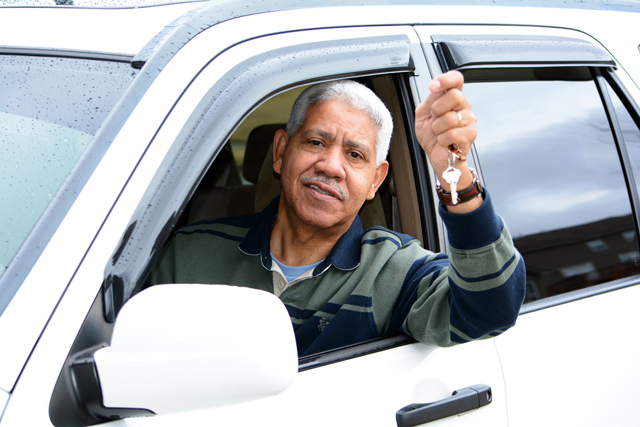
Deciding When Your Senior Loved One Should No Longer Drive

It’s a hard decision to make. When do you take the car keys away from the senior in your life? While many things go into this decision, getting input from your loved one’s doctor, as well as any other caregivers, can make it a little easier. This way you won’t be making the choice alone.

Here are a few things to think about when considering the right time for your senior loved one to stop driving:

What is their physical capability? The skill of driving requires dexterity, fast response time, quick reflexes and the ability to multi-task. If they can still do all this, make sure they have strength in their feet for the pedals, as well as the ability to sit at the proper height.

Check their vision. It’s really important that you get a thorough eye exam for your senior. Check for glaucoma, cataracts or just blurred vision.

How is their physical endurance? Our bodies are always best when we are in motion. If your senior loved one has little mobility or doesn’t exercise, their bodies will not be as agile as they need to be.

Think about their medications. Many medicines cause side effects and a big one for driving is drowsiness. Be sure that their medications do not carry side effects that would have a negative impact on their cognitive ability.

Do they have diseases? The main thing you’re looking for here is mental impairment. If your senior loved one has been diagnosed with dementia or Alzheimer’s Disease, it may be time to take the keys. If they aren’t showing any signs of confusion, then they may be fine for a while. You should also check for diabetes, as this can have serious effects if not managed.

In addition to all of these things, consider the following points to help you make an informed decision:

  • Near misses while driving, or even accidents
  • Sudden changes in personality
  • Chronic health problems such as diabetes
  • Medication changes
  • Alcohol intake
  • Multiple traffic violations

Finally, be sure you understand your state laws concerning senior driving. There are restrictions, so take the time to understand them. Talk to their doctor and ask for help making this all-important decision. Remember—they are there to help!

If the time has come to take away the car keys, make sure you do it with love and empathy. Allow your senior’s dignity to remain intact by arranging another source of transportation when they need it. If they live alone, this may include a taxi or a bus pass.

It’s never an easy decision to take the keys because it’s such a symbol of freedom. Just think back to how nervous your parents must have been when you were learning to drive! Clear communication and empathy will go a long way in easing the tension around taking away the car keys. Your senior loved one’s safety is of utmost importance here! If possible, allow them to help make the decision. If they are a part of the process, things will most likely go a lot smoother.

It’s tough to remove any measure of control from our loved ones. While it’s never easy, it is important to consider not just their safety, but also the safety of others on the road. You may very well be avoiding a tragic accident by being willing to remove the keys when the time is right.

For more tips for seniors, visit our Home Helpers senior home care blog.

Categories

Why It Can Be Dangerous for Seniors to Live Alone

With dementia and other similar conditions on the rise, it’s becoming more and more of a problem for seniors who are living alone. Often, they experience isolation from the outside world, missing out on opportunities to socialize with friends and family.

A recent study has revealed that isolation and loneliness can shorten a person’s life, so let’s look at some of the dangers of seniors who are living alone and what we can do about it!

Living Alone Can Be Dangerous for Seniors

Many surveys, including AARP, tell us that nearly 95% of all senior citizens desire to live in their own homes for as long as they possibly can. Although the familiar environment of home benefits them emotionally, research has shown us that too many seniors are living alone when they should be receiving care through assisted living.

We realize that this is never an easy decision, but there are many aspects of assisted living that can bring security and peace of mind to seniors and their families alike. Among the many benefits of assisted living are medication management, general health monitoring, activities for social interaction, day trips, and the comfort of knowing meals and general care will be provided.

A report from The Administration of Aging states that nearly 30% of all senior adults, which is over 11 million, are living at home alone. However, over 5 million of them really need assisted living or long-term care on some level. Many of them need this assistance just to do the basic activities of their daily life.

Disturbingly, many low-income seniors or those living in poverty, need long-term care, but will stay home alone rather than transition to an assisted living situation. There are shocking numbers for those with Alzheimer’s and dementia—of the 70% of seniors in our communities who are living with these conditions, more than a quarter of them are living alone. This is a dangerous reality that needs to be changed!

When Is Living Alone Unsafe?

All of us want to see our loved ones remain healthy, safe and secure, but in order to ensure that happens, it’s important to make sure they are living in a home setting that suits their physical needs. This is especially true if there are any signs of memory loss or other cognitive impairments. Are they able to dress themselves with no problem? Can they bathe and cook on their own? These are important questions to ask yourself when assessing the need for assisted living.

Unfortunately, most accidents among seniors happen in their own homes due to various hazards around the house. These accidents can result in serious injuries and even death. Fall hazards are a serious threat to aging seniors with brittle bones. A broken hip for some senior citizens can often be fatal.

When evaluating whether your senior loved one should be living alone, be sure to ask these questions:

  • Can they manage their medication schedule on their own with no problems?
  • Is poor eyesight a problem?
  • Do they get out and enjoy social activities with the desire to interact with family and friends?
  • Can they keep up with general chores around the house?
  • Are they eating well?
  • Are the able to manage paying bills in a timely manner?

For more information on the dangers of living alone for seniors, please contact us today!

Categories

Visiting Friends and Family Keeps Seniors Young at Heart

It’s a fact that seniors benefit both physically and mentally from spending time with loved ones during the holidays. Just like all of us, we feel young and happy when we’re with the people we love.

Spending time with your senior loved ones isn’t just good for them; it benefits us too! Benefits such as the joy from being together, the pleasure that comes from being reminded that we’re cared for and thought about, are just the beginning.

Did you know there are many studies that show the negative affects of isolation and loneliness on seniors? It’s well documented now that seniors who don’t interact with loved ones enough, especially during the holidays, show signs of memory problems, poor health, depression and even the mortality rate increases. These things can be true no matter how old someone is, but they are far more likely to have a negative impact on our seniors.

What Are the Benefits of Visiting Senior Loved Ones?

Frequent phone calls, visits and communication are super helpful in combatting the effects of loneliness and isolation. Here are some other wonderful benefits!

  • Visiting your senior loved ones lets you evaluate their overall well-being.

This is among the best benefit of all—just connecting and making sure they are alright. Check to see if any major changes have happened since your previous visit. Are they still doing well with self-care and hygiene? What about medication management? These are all things that can be assessed during a visit. But the most important thing is to check on their happiness.

  • Visits can clue you in to the possibility of elder abuse.

If your senior loved one lives on their own, it can be easy for them to neglect important aspects of their care. Sometimes this can be due to memory problems and other times it can really be from depression. Either way, it should be addressed. If they are in an assisted living facility, check to be sure they are getting the care they need in a timely fashion. Don’t be afraid to ask questions and use your common sense when it comes to the staff and medical team. If your loved one seems nervous answering questions, it could be a sign they are not telling you everything.

  • Reminisce during your visits!

Most senior adults love to talk about days gone by, special memories that mean a lot to them, and even about loved ones who have gone on. Bring along photos and scrapbooks to help jar their memories and sing some favorite songs. Seniors who suffer with dementia can benefit greatly from trips down memory lane. It is often when they are at their happiest. It also gives you the chance to listen and learn from their lives!

  • Visits are a simple reminder that they are loved.

For the vast majority of us, quality time spent together is our single biggest way to feel loved and connected. Seniors are no different. Your physical presence in the room brings enormous joy and comfort and contentment.

A Few More Tips
It can be hard to pull of personal visits to your senior loved one sometimes, but there are other things you can do that can be just as powerful as your presence. Try the following ideas and do them often!

  • Send cards
  • Send email if they have access to it.
  • Write a letter the old-fashioned way—on pretty stationery!
  • Send photos
  • Send a care package with favorite goodies
  • Call them

The bottom line here is that our senior loved ones always feel younger and happier when they are connected to friends and family. Take the time to reach out and go visit, even if for short times. Don’t let life get in the way of these moments. You will regret it later. Each moment spent with senior loved ones is precious for both parties!

For more caregiving tips for your loved ones, visit our senior home care blog.

Categories

Exceptional Caregiver Award Winner

Donna Padilla

2015 Home Helpers Exceptional Caregiver Awards

Celebrating the extraordinary people who make life easier for families across the country! Out of over 100 nominations received, Donna was one of only eight caregivers chosen to receive this award. Her compassion and dedication to helping others is a true inspiration!

WE ARE SO PROUD OF DONNA!

Categories

© Copyright 2026 H. H. Franchising Systems, Inc, All Rights Reserved.