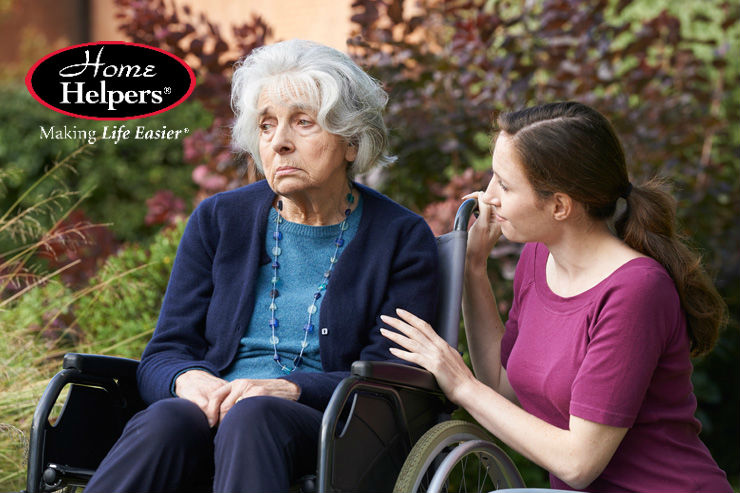
Warning Signs of Alzheimer’s Disease and How to Prepare

If you have a senior loved one who has dementia, then you already know what a job it is to provide proper care for them. When they also have Alzheimer’s Disease, you are looking at even more complex care. Many families can’t put their own lives on hold to be there for the at-home care that is needed. Whether it’s due to children, jobs, or other factors, you may need to get in touch with a senior care organization who specializes in dementia and Alzheimer’s. They can help you determine the type of care your loved one will need on a daily basis. However, you will want to have a clear understanding of the condition you are dealing with in your senior family member before you make your plan for long-term care.

In many cases of Alzheimer’s Disease or dementia, the early signs are noticed by family members first. These two conditions are not the same, but often are present at the same time. Dementia is found in older adults most of the time, and can be brought on by several medical factors. Here are a few conditions that could cause symptoms of dementia to show up:

  • Alzheimer’s Disease
  • Stroke
  • Parkinson’s Disease
  • Trauma to the brain
  • Alcoholism
  • Cardiac problems
  • Diabetes

If you have noticed signs and symptoms in your elderly loved one that concerns you, you’ll want to understand some of the warning signs of dementia and Alzheimer’s. Let’s look at a few of those signs:

1. Social Withdrawal
Your loved one probably knows that they are having memory or cognitive problems and do not want others to know. They may become reclusive, staying at home all the time or refusing to go out with friends. Social interaction is the most vulnerable setting for someone with these issues. Nobody wants to feel like they are losing their memory or risk looking foolish when they can’t recall if they’ve repeated things or not.

2. Changes in Grooming
You may notice they are wearing mismatched clothing when they’ve always been stylish, or they may wear clothes that are dirty. They may also refuse to bathe or want to wear the same clothes over and over.

3. Making Mistakes with Medications
They may seem to understand the doctor’s instructions, but can’t retain that information. This could cause them to take too much or too little medicine, or not finish a round of antibiotics.

4. Can’t Find Their Belongings
It’s common for people with dementia to misplace personal items and then accuse others of stealing them. Dementia brings on confusion and paranoia sometimes, so don’t let this upset you.

5. Mood Changes
Outbursts of anger or frustration are not uncommon with dementia and Alzheimer’s. Your loved one may become paranoid and suspicious of people when they were never like that before. It can escalate as they gain an understanding of their condition.

6.Denial
Your loved one may deny there are memory problems to other people or their doctor, insisting that everything is fine. They may even forget why they came to the doctor in the first place and leave out pertinent information about other issues the doctor needs to know about.

What Should You Do?

If you have noticed any of these early warning signs on a regular basis, you’ll want to educate yourself and read as much as possible about these conditions. Stay engaged so that you can empower yourself to help.

Talk to the people your loved one spends the most time with, such as friends and other family members. Ask if they have also noticed these symptoms.

Spend more time yourself with your aging loved one. If you are concerned about the signs you’ve observed, the best way to know for sure is to spend a lot of time with them so you can pay attention. Finally, talk to the person’s doctor so they can help you with a care plan. Your senior also needs to feel empowered, even if they get frustrated when it’s brought up. Remember, you will need to reach deep and provide a lot of patience and love as the disease progresses. Allow others to help you when possible, and keep in mind that the senior loved one will likely feel frustration with the situation. It can be very difficult for them to accept that they will need care or that their independence will change. Gentle communication is the key.

For more information on spotting early signs of dementia or Alzheimer’s Disease, please contact us today!

Home Helpers of Marina Del Rey is a locally-owned, trusted home health care agency and offers quality, compassionate senior in-home care services including home care assistance, personal care, companion care, respite care, Alzheimer’s & dementia care as well as homemaker services in Marina Del Rey, Norwalk, Santa Monica, South Gate, Venice, Bell, Playa Del Rey, Huntington Park, El Segundo, Torrance, West Los Angeles, Redondo Beach, Culver City, Hermosa Beach, Inglewood, Manhattan Beach, Hawthorne, Palos Verdes Estates, Los Angeles, Rancho Palo Verdes, Lynwood, Rolling Hills, Downey, Rolling Hills Estates, Paramount, Harbor City, Compton, Wilmington, Gardena, Carson, Whittier, Lomita, Pico Rivera, and San Pedro, California.

Categories

Thanksgiving Survival Tips for Seniors and Their Caregivers

Thanksgiving is a wonderful holiday for Americans, meant to enjoy loved ones, good food, and a relaxed atmosphere. Planning for all this fun and relaxation can sometimes be a bit stressful, especially if you’re a caretaker for the senior loved one in your life. But fear not! Our tips will help you get through Thanksgiving with ease, so you can get back to enjoying what the day is all about—giving thanks for the special loved ones in your life.

Thanksgiving Tips for Caregivers:

Don’t hesitate to receive help. Thanksgiving Day is surrounded by lots of family and friends, and that means there will likely be many people who can help look after your senior loved one so you can enjoy the festivities. Don’t hesitate to let friends and family help! You’ll both be in good hands.

Be prepared. It’s common for elderly people to have special dietary needs. If your senior loved one has difficulty chewing or only likes certain foods, why not be prepared by offering to bring or cook those items. Being prepared will allow everyone to enjoy the meal together and you’ll have the help you need!

Don’t forget about yourself! As a caregiver, it’s easy to lose sight of taking care of your own needs. This Thanksgiving, take advantage of the extra friends and family and allow them to help see to the needs of your senior loved one so you can relax and enjoy your own time with those around you!

Extra Tips for Seniors:

Be mindful. Part of what makes those sauces and gravies so flavorful and rich is the additives used. While they definitely make our food extra yummy, you’ll want to be mindful of any potential allergies your senior may have. Elderly people may also be more sensitive to heartburn or stomach upset with rich food. Encourage them as well, not to overeat. These simple reminders will help everyone feel better and enjoy Thanksgiving a little more!

Socializing. If it so happens that you don’t have family around to share a Thanksgiving meal with, do not let that hinder you from socializing and fun! Reach out to a local senior center, church, or neighborhood and dine together! There is no reason anyone should have to be alone on Thanksgiving.

Stay Healthy. The holidays can be a vulnerable time for all of us when it comes to our health, but especially for seniors! Don’t hesitate to call their doctor and schedule a check-up appointment ahead of the holidays. Depression, cold and flu, and many other conditions can be more prevalent during this time of year, so stay mindful of health. Keeping prescriptions filled on time will help if you plan to travel.

Thanksgiving should be a time to relax and just enjoy friends and family. We hope these tips will help you to have the best holiday season ever. From all of us at Home Helpers, Happy Thanksgiving!!

Categories

How to Help Joint Pain During the Colder Months

It’s not uncommon for seniors to have increased pain in their joints and muscles during the winter. Doctors will tell you that there are more prescriptions written for aches and pains during colder temperatures than other times of the year. Some say it’s cold weather, and some say it’s barometric pressure. Whatever it is, we’re offering some helpful tips for reducing joint pain and discomfort in seniors….

  1. Wear layers. There are many seniors who still love to be outdoors for fresh air and exercise. Dressing in layers helps prevent joint pain and keep the body warm so you can move freely. If you get too warm, simply shed one layer. There’s no reason healthy seniors can’t get outside to enjoy winter walks and other activities!
  2. Eat a good diet. Getting the proper nutrients in your food has all kinds of wonderful benefits, not the least of which is preventing joint pain. Seniors are no exception to this rule. In fact, they need these healthy vitamins and minerals, fiber and protein, more now than ever! Eating a healthy diet will also keep blood sugars normal, stave off anxiety, give energy, and yes—it also prevents pain in the body!
  3. Go for a massage. All of us know how relaxing gentle massage can be. There are great benefits from it, such as working out joint and muscles pain from arthritis or injury, as well as helping posture and flexibility. An aging body needs to stay flexible and massage is a fantastic way to help with that. Just make sure the therapist is licensed in your state
  4. Keep moving. If it’s too cold to venture outside for activities, be sure to do some things indoors to help you stay active. Treadmills, yoga and other forms of indoor exercise can be very helpful during the cold winter months. If the senior in your life needs to lose weight, exercise will not only help them get healthier, but the weight loss will significantly lessen joint pain
  5. Take your vitamins! Along with a great multi-vitamin, be sure to think about Vitamin D while it’s cold outside. Most Americans don’t get enough of it, since much of it comes from being in the sunshine. Vitamin can also be taken by supplements, but it’s best when it comes from your food. Along with good fats and protein, Vitamin D helps keep joints moving.
  6. Use heat. There’s nothing quite like heat to help you feel better and take away aches and pains. Make sure you stay warm. Other forms of heat include using a heating pad on sore joints, soaking in a hot bath, using a hot water bottle, or swimming in heated pools. Just make sure that if you are using heat as therapy, that you don’t use it more than 20 minutes at a time.

Listen to your body! Give it what it needs, and it will serve you for many years to come! For more tips and info on improving joint pain, call us today!

Categories

Benefits of Home Care for Seniors

Home care is the preferred option for most seniors today. After all, who doesn’t want to remain in their homes as they age? While some do just fine maintaining a good quality of life in nursing homes or assisted living facilities, most older adults want to remain in their homes, where they feel most safe and secure.

There are many benefits that come with seniors remaining in the comfort of their home. If you are trying to determine if it’s the right choice for you, consider the following reasons home care is often the best care:

  • Remaining independent. We all want to stay as independent as possible for as long as possible! If some care is needed, it is totally possible to receive that care while in the home. Even if the needs are great, home health agencies can easily offer skilled nursing services.
  • Staying connected to loved ones. This is a biggie! Most facilities will have restricted visiting hours, but home care allows you to have the support and care of friends and family at your leisure.
  • The comforts of home. Remaining at home allows anyone to feel most cared for. When we are surrounded by familiar things, photographs, people, it is no surprise that we do better. Research has shown that seniors stay healthier and have a better quality of life when they can remain in their homes. When hospitals release patients to the familiar surroundings of home, they tend to heal faster and have far better results as they recover.
  • Alternative for long-term skilled care. Depending on the illness or medical condition of your senior loved one, home health care is almost always a good option in place of facilities.
  • Support for treatment. Being at home allows family and friends to help out with the necessary treatment. This could include administration of medications, helping out with occupational or physical therapy, or even dietary needs.
  • Keeping morale high. People always feel more comfortable in their own homes, and this allows for greater long-term success. Being at home allows seniors to live happier lives with greater connections to important relationships. In turn, this keeps their spirits high and depression low.
  • Cost. Skilled nursing care can be quite expensive when done in a hospital or nursing home. Even assisted living facilities can get very costly. Bringing in skilled care services to the home environment is far more affordable and offers the flexibility of working around existing daily routines.

Home care for seniors gets a big thumbs-up from us! This is especially true for those suffering with Alzheimer’s or dementia. For more information on the benefits or home care or how to plan effectively for it, contact us today!

Categories

How to Create a Memories Book for Seniors

Caregivers for seniors have a beautiful opportunity to help them preserve their family memories so that generations to follow will be able to enjoy their legacy. Preserving memories will not only stimulate their minds but also gives them a way to express their love and affection.

There are many benefits to the process of creating a memory book. If your senior loved one has Alzheimer’s or dementia, creating a memory book is a wonderful way to get them talking and sharing stories. Oddly enough, long-term memory loss is rare with these diseases. This means that most seniors will be able to tell you all about their good old days, family members and fun stories of yesteryear.

Among the benefits of preserving memories is a way for seniors to process the good times in life, as well as the painful ones. It will also help them come to terms with their health issues and approach end-of-life with more security and peace. Studies show that memory books combat anxiety and depression and promote well-being.

So how do you help the senior in your life create a memory book? Here are a few tips and helpful hints to get you started!

Think of it like an interview. Ask lots of questions to spark their memory and be sure to honor their perspective by not correcting or criticizing anything they say. This is their story, so let them tell it.

The following questions will help get the ball rolling…

  • What do you remember about your parents?
  • How many siblings did you have?
  • Where were you born and where did you grow up?
  • Who was the president when you were born?
  • Do you remember major inventions or advances in technology, such as household appliances or computers?
  • What were some world events you will never forget? (Such as JFK, landing on the moon, etc.)
  • Did you or your loved ones serve in the military or go to war?
  • How did you meet your spouse and when did you get married?
  • What was the happiest time in your life and why?
  • What were the most difficult moments?
  • If you could say anything you want to your friends and family, what would it be?
  • Do you believe in God? Talk about your spiritual life.
  • How do you want to be remembered?
  • Do you have any thoughts or fears about death and afterlife?
  • What would you like your obituary or funeral to be like?
  • How can we as your family and friends honor you the most?

Encourage seniors to write or say anything they want about any subject they want! This helps them with any unfinished business and aids in approaching the end of life with poise, grace, and dignity.

Be sure to gather lots of pictures to show them that will help spark memories. Having visual aids will stimulate their conversations about days gone by. Above all, LISTEN. All of us want to be heard and the elderly are no different! Even if it seems hard, listen more than you talk and allow them to share wisdom and knowledge with you. Take it all in, write it all down and create a book of memories that will be passed down to future generations. There is no greater gift!

For more information on creating memory books for the senior in your life, contact Home Helpers Senior Care today!

Categories

The Benefits of Home Health Care vs Hospital Care

The vast majority of Americans assume that the best way to care for our elderly is to place them in a nursing home or other skilled care facility. But did you know there are many reasons why allowing seniors to recover at home is better? In this article, we’ll explain the differences between home health care and nursing home care.

Recovery
It’s a fact that most seniors will recover much faster if allowed to stay in their homes when possible. Whether it’s a recent surgery or even psychological trauma, being in the home with unlimited access to loved ones offers the senior family member the best chance for a full recovery. Since nursing homes often have rigid schedules and routines, being at home also allows for much more flexibility for both the senior and the caregiver. This translates to less stress for everyone! After all, nobody wants to be told when they can visit or how many visitors they can have.

Economical
It goes without saying that providing care in the home is far less expensive than paying full-time room and board at a nursing facility or assisted living center. Nowadays, there are many wonderful options for home health care that allows your senior loved one to receive excellent care only when they need it. In these cases, there is usually a family member who is helping with the daily chores and tasks, while the home health care nurse can help administer medicines, give baths, and help provide any therapy needed. When you tally the costs involved, home health care usually is the most cost-effective plan. Senior patients often save up to 70% when being cared for at home, rather than the hospital. This statistic, and others like it, have created the huge flood of home health care nurses that we are seeing today. Since no one enjoys being in the hospital for any length of time, home health care workers can be a life-saver so the patient can recover at home.

Latest Medical Technology
The age in which we live has produced rapid advancements in medical technology. This technology allows more and more patients to receive certain therapies at home, rather than having to be in the hospital. A comfortable surrounding always helps a person heal faster.

Should there be any procedures that require a skilled health care worker, that can usually be done at home? This would include such things as dressing changes on wounds, hygiene and personal care, help with proper diet, and the administration of medications that would normally require the patient to be in a clinical setting. A home health care nurse can be worth their weight in gold!

More Freedom
This may seem obvious, but there is certainly far more freedom and independence for seniors who stay in their own homes, rather than having to be hospitalized. They are able to visit friends and family and have as many home visits as they like, whenever they like. They’re able to eat on their own schedule and create a sense of normalcy that works for them.

If you are considering home health care, rather than a medical facility, do your research and make sure you follow up on any references. If there are multiple family members, bring everyone together so a decision can be reached by everyone involved. Lastly, talk to your senior loved one about what their wishes are! They are the ones who will have to go along with the plan, so it’s important to discuss the options with them and if possible, allow them to be part of the decision-making process.

For more information on the benefits of home health care vs. hospital care, please call us today!

Categories

Avoiding Senior Accidents

Anyone who has been part of the work force can attest to the careful planning that goes into accident prevention. It’s in the company’s best interest to keep their employees safe and free of hazards as much as possible. As we age, it’s natural to take extra precautions at home to prevent slips and falls, so shouldn’t this caution also be taken in nursing homes and senior living facilities? Think about this—three fourths of visits to the hospital emergency department are caused by accidents that happen very close to home. For the elderly, these accidents can easily fracture a hip or other bone that is very tough to recover from. So, what can you do to keep your senior parents safe at home? Read on!

Stay Aware of Your Surroundings

Being absent minded can be a hazard, so be sure to get plenty of sleep. Also, don’t allow your thoughts to interrupt your day. Try these helpful tips and turn around the risk of falling:

  • If possible, have railings installed in your home. They are a huge source of support.
  • Pay attention to the floor. Look for changes in the floor height, defects in the carpet, wet spills, etc.
  • Take some slow deep breaths if you begin feeling dizzy. Be sure to keep a firm hold to the railing
  • Walk at your own speed. You can always catch up.
  • Keep lamps that are easy to reach or night lights to illuminate a room and create warmth. Turn on lights at night to prevent falls and other accidents. These accidents for seniors can have devastating consequences, so you should never look for an assisted living retirement community that doesn’t have excellent credentials.

What to Do After a Fall

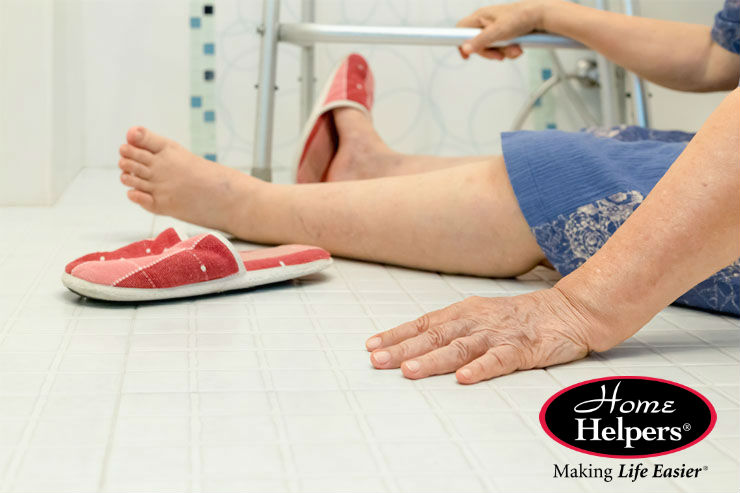
Whether it’s you or a senior loved one, the thing to remember is to stay put where you are. Even if you have to yell, keep doing it until someone hears you. If you have a cell phone, try to call 911 yourself to give them a head start. You don’t want any internal injuries, so staying awake until help arrives in crucial.

Survey the Area

This is a good time to do a short “checklist” and determine if medical attention is needed. You may be aware of a broken bone or fractured hip, due to pain. Check yourself and any others for injury. If you have fractured an arm, you should stay put until help arrives via an ambulance.

If you know you don’t have serious injuries, simply roll over to your side and bring your knees up toward the chest and sit up as normal.

Fall hazards are a very real threat for seniors, so give them the best life possible by pulling up throw rugs and anything else that could cause them to trip or fall. For more information on this subject, call us today!

Categories

Celebrate National Nurses Week

National Nurses Week begins each year on May 6 and ends on May 12, Florence Nightingale’s birthday. These permanent dates enhance planning and position National Nurses Week as an established recognition event. As of 1998, May 8 was designated as National Student Nurses Day, to be celebrated annually. And as of 2003, National School Nurse Day is celebrated on the Wednesday within National Nurses Week each year.

The nursing profession has been supported and promoted by the American Nurses Association (ANA) since 1896. Each of ANA’s state and territorial nurses associations promotes the nursing profession at the state and regional levels. Each conducts celebrations on these dates to recognize the contributions that nurses and nursing make to the community.

The ANA supports and encourages National Nurses Week recognition programs through the state and district nurses associations, other specialty nursing organizations, educational facilities, and independent health care companies and institutions.

Categories

Things to Consider Before Moving Aging Parents Into Your Home

If you have aging parents, you may have been faced with them struggling with their normal daily activities. If they live alone, this can be an especially distressing issue to face. You want them to stay as independent as possible for as long as possible, but if the time has come for them not to live by themselves any longer, you will likely need to decide whether or not to move them in with you. Let’s look at some key points to consider when making this decision….

Should you care for them in their home or move them into your home?
Here are some questions to ask yourself beforehand:

Do you get along well with your aging parent?

Is it easy for them to ask for help or assistance?

Will taking on the role of caregiver cause more stress? Remember—your assistance is meant to bring relief, not added stress.

Remember that as time goes on, your aging parent will likely need even more help.

Who should take part in the conversation about whether to move a parent into your home?
Firstly, ALWAYS include your parent in the discussion! This is a big decision and not one to be taken lightly. It will affect both you and your parent, so they should feel included in the conversation. Nobody wants to just be told what will be happening without being included in the decision-making process.

Second, include other family members, such as your spouse and any children who are at home. Since the decision to move an aging parent into your home will bring about changes that affect all of you, make sure everyone feels informed of the potential changes. Likely, the caregiving will be a family effort, so working together as a team will ensure a smooth transition.

Finally, include your parent’s doctor and any other medical team members. It’s wise to get the counsel of the doctor who handles your aging parent’s care. Ask questions and find out from a medical perspective how this decision may affect their well-being. Change can be hard for the healthiest of people. Imagine if you had memory problems or the sense of being a burden to your family. You can see why it’s important to handle this decision with love and compassion and a large dose of patience.

Consider changes that may need to happen in your living arrangement.
Having your parent move in with you means that privacy becomes a potential issue that needs to be considered. Make sure your privacy is guarded, but also theirs! Try to have their living quarters in an area that feels private but is still easily accessible. Make sure there is easy access to the bathroom, and if they are confined to a bedroom, assure them that they will have their own TV, stereo, books, and any other items from home that make it seem more like their own place. Also, consider special needs such as wheelchair access.

Think about the following when setting up your parent to live in your home:

Safety. Think about rugs, fall hazards, etc.

Cost. Do they need home health care visits or a nurse? Do they need items such as medical supplies, etc.?

Time. Do they need 24-hour care? Are you able to give this level of care? Are there other family members who can help and will it mean extra expense?

Stress. Are you ready to take on caring for your aging parent, knowing that your social life may suffer and you will need to be devoted to the time and commitment that it takes to be a caregiver?

Being a caregiver for an aging parent can be stressful, but also incredibly rewarding! There’s no greater honor and privilege than giving back to the parents who have raised us and cared for us since we were born. Just remember that you need to also care for yourself! Neglecting your own needs hurts everyone and can have a negative impact on your own health and wellbeing. Decide ahead of time what your limitations are and don’t be afraid or ashamed to ask for help!

If you have any more questions or could use help with caregiving for an aging parent, call Home Helpers.

Home Helpers of Marina Del Rey is a locally-owned, trusted home health care agency and offers quality, compassionate senior in-home care services including home care assistance, personal care, companion care, respite care, Alzheimer’s & dementia care as well as homemaker services in Marina Del Rey, Norwalk, Santa Monica, South Gate, Venice, Bell, Playa Del Rey, Huntington Park, El Segundo, Torrance, West Los Angeles, Redondo Beach, Culver City, Hermosa Beach, Inglewood, Manhattan Beach, Hawthorne, Palos Verdes Estates, Los Angeles, Rancho Palo Verdes, Lynwood, Rolling Hills, Downey, Rolling Hills Estates, Paramount, Harbor City, Compton, Wilmington, Gardena, Carson, Whittier, Lomita, Pico Rivera, and San Pedro.

Categories

How Seniors Can Avoid the Hazards of Winter

The hazards of winter weather affect seniors more than any other demographic. While we’re all affected by bitter cold, snow and ice, the dangers our seniors are exposed to are very real for those of us who are caregivers, or just concerned family members. But the good news is, with a little planning and preparations, it doesn’t have to be scary time of year.

Snow, Ice and Cold Temps
The weather itself is certainly the most obvious danger of winter. Here are a few other hazards to be aware of:

  • Falls. Be sure the seniors in your life have appropriate winter shoes with good soles and traction. The injuries from falls are among the highest need for emergency room visits among seniors each year.
  • Driving. It’s best for seniors to avoid driving during the winter if possible. If they do drive, be sure they feel confident facing winter road dangers, including steering through icy conditions and snow. Also, make sure they are equipped with proper winter tires.
  • Hypothermia and Frostbite. Did you know that nearly 50% of all cases of hypothermia-related deaths occur among seniors? They can face this risk even inside the home, so remember that seniors are more vulnerable to cold air, and set thermostats to always be higher than 65 degrees.

Dementia and Sundowning Syndrome
You might not have heard of it, but sundowning is a condition that can cause confusion and agitation. It can even can cause loss of memory. It happens as a result of lower daylight hours because our own natural body rhythms get disrupted when we aren’t exposed to enough light. This is very common in the northern regions of the country. Alzheimer’s Disease and dementia can often be exacerbated by these conditions.

To lessen these impacts, be sure seniors have a structured routine they can stick to so their bodies will know when to rise and when to rest. When possible, be sure to allow ample sunlight into the home, and create a warm atmosphere with soft lights.

Combatting Flu
Don’t be fooled by how “common” the flu can be! Even strong seniors who feel great need to be vaccinated as early as they can before flu season starts. The dangerous part of the flu among seniors is the complication of pneumonia and other respiratory conditions. The flu is a real threat and causes many deaths every year. Take the proper precautions!

The Winter Blues
This is also known as SAD, or “Seasonal Affective Disorder.” This too is a result of very little daylight, and can cause severe mood swings and lack of energy. It’s common in the northern states where daylight is scarce during the winter, but can certainly happen anywhere. Be sure to allow natural light in the house and if needed, seniors should also avail themselves to light therapy. Full spectrum lights can easily be purchased and are a very useful tool in combatting the effects of winter blues. Seniors who are struggling with depression should seek medical assistance immediately.

Social Isolation
All of the things we’ve already mentioned can result in seniors withdrawing from life. They may choose not to participate in their favorite activities and remain at home for too long without having social interaction. If you have a senior loved one, be sure they have lots of visits from family and friends, and organize outings so they can get out of the house. Keeping them occupied with things like going to church or visiting a senior center can go a long way in keeping them emotionally healthy. Transportation can always be arranged if they aren’t able to go themselves.

Remember, our seniors face different challenges than many of their younger friends and family. Keep in mind all of these tips as they go through the winter months and you’ll find that they are much healthier and happier for it!

For more information on seniors dealing with winter hazards, please contact Home Helpers today.

Categories

© Copyright 2026 H. H. Franchising Systems, Inc, All Rights Reserved.