Boredom Can Be Dangerous to a Senior’s Health

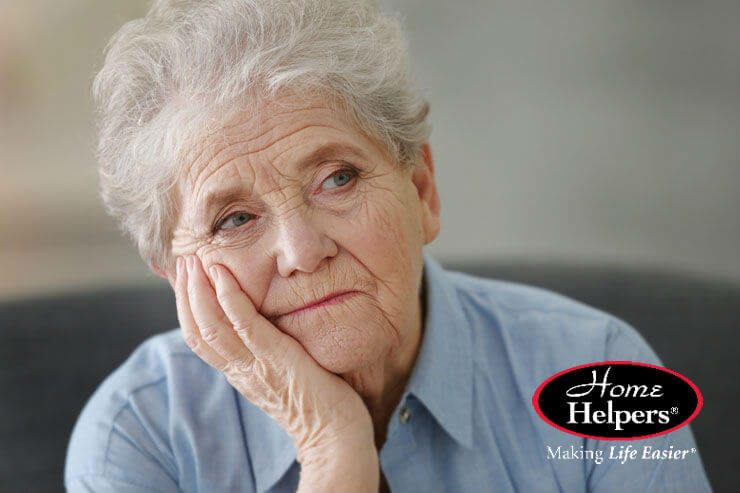
We’ve all heard the phrase, “bored to death”. All of us need to feel purposeful in life, and seniors are no exception. While boredom makes most people lethargic, it can have even greater consequences for seniors. Even to the point of being life-threatening.

Seniors often struggle with depression and anxiety, and boredom is a big culprit in this. They can feel lonely and isolated as they age, and boredom just compounds this problem. Everyone needs self-worth, but we probably don’t realize just how dangerous it can be for seniors to cope with the effects of loss of purpose that comes from just being bored.

Just What are the Effects of Boredom in Seniors?

Back in the 80s, research was conducted on more than 7000 people who were between the ages of 35-55. They were asked about their daily lives and if it included boredom. 25 years have passed, and these same people have been followed up on to determine the conclusion of the impact of boredom on their lives and how it affected their health. The study showed that people who are chronically bored were far more likely to die much younger from conditions such as heart attack and stroke. These study results confirm how powerful the link is between mental and physical health.

Just Why is Boredom So Common in Seniors?

Many seniors struggle with feelings of worthlessness that stem from being bored after they have retired. While this may come as a surprise to many, it’s more common than you think. Our retirement years are supposed to be our time of well-deserved rest and relaxation after decades of being in the workforce. However, many seniors are surprised to find that retirement isn’t what they hoped it would be. The loss of their normal routine, contributing to society, losing friends or family, and health issues can bring about depression and loneliness in seniors after they’ve retired.

Alarming new statistics reveal that men in their senior years are suffering more than anyone from being bored. These numbers suggest that one of the highest rates of suicide is now in men over the age of 85. While senior women have much lower numbers of suicide deaths, there is plenty of evidence that points to overall attempts of suicide being higher in women.

How Do We Prevent Boredom in Seniors?

  • Keep active. Staying active keeps the mind sharp and the body healthy. Getting exercise is just as important in your senior years as it is when you are younger!
  • Stay Creative. Take up a new hobby or return to an old one. You never know what new skills you may discover, and brain function is always improved when we have a creative outlet.
  • Keep Up Your Social Life. The biggest enemy of boredom is social activity. Keeping up with friends and family, going on outings, talking on the phone, and community activities allow seniors to stay happy and connected.
  • Don’t Be Afraid to Try New Things. Volunteer for a worthy cause or charity, join a book club or even sign up to take a class to learn something new. Stepping out of our comfort zone will go a long way in preventing boredom.

Seniors deserve the best life possible. They are often forgotten and fear dying bored and alone. Don’t let this happen to the senior loved one in your life! For more information on preventing boredom in seniors, contact us today!

Home Helpers of Bourbonnais is a locally-owned, trusted home health care agency and offers quality, compassionate senior in-home care services including home care assistance, personal care, companion care, respite care, Alzheimer’s & dementia care as well as homemaker services in BourbonnaisKankakeeBradleyManteno, Momence, Herscher, and Watseka, Illinois.

Categories

How Caregivers Can Overcome Winter Challenges

Ice, snow and other winter weather is difficult for everyone, but when you are a caregiver it can take even more challenges. Doctor’s appointments, social activities, church, grocery store runs….all of this can be far more difficult in the winter months.

Remaining indoors all the time might seem like the right thing to do, but we all get cabin fever—especially our senior loved ones! There’s no doubt that falling is a huge risk for seniors, but they are especially vulnerable during cold weather. Here are some fantastic tips to keep your senior safe from falls:

  • Stay informed about the weather forecast. If you see that today is sunny, but tomorrow is icy and cold, you should run your errands accordingly.
  • Have plenty of salt on hand to use on driveways and sidewalks to help prevent falls. Sand and salt both will add extra traction, as well as melt the snow and ice.
  • ALWAYS have an ice scraper in your car! Take the time to clear all the windows and windshield from snow and ice. Don’t forget the back window as well! It also helps to run your engine for a few minutes, so the defroster can help clear your windows.
  • It might seem like short trips are the safest and easiest, but the fact is that traffic accidents happen most often close to home! Keep an eye on the traffic and avoid venturing out when traffic is heaviest. If you must make trips during these peak hours, you should always have an emergency kit that includes the following:

 Blankets
 Extra batteries and flashlights
 First aid kit
 Food items that won’t go bad, such as canned goods or snacks
– Plenty of bottled water
 Sand or rock salt to provide traction and help melt snow and ice
 Snow shovel
 Jumper cables
 Cell phone charging sticks that don’t require the car to be running in order to use them.

  • Always have extra medication on hand. Even if it’s a short errand, winter weather can cause you to get home much later than anticipated, so keep an extra dose or two of your meds.
  • Keep your car in good working order. Make sure you keep your gas tank full and have the oi changed every 3000 miles. Have your tires checked for proper air pressure and tread to handle winter roads. Always keep your cell phone in case you need to dial 911.
  • Winter weather is best enjoyed from inside where you are safe and warm. But if you or your senior loved one must venture out, keep the trips short and plan well.
  • Use the time inside to talk about projects around the house that you could do together. Things like cleaning out closets or sorting through family pictures, etc. Organizing these things is always more enjoyable with company and allows them to tell you personal stories so that the generations to come can also enjoy them!
  • Make it a day for movies and games. The library is a great source to check out DVDs and games. Why not invite some family and friends and enjoy a new tradition for winter weather! Favorite snacks and popcorn just add to the fun!
  • Work a puzzle together. There is no better way to pass time indoors than working on a puzzle together. It’s a wonderful sense of accomplishment and something everyone can do together.

For more information on how to cope with the challenges of caring for seniors during the winter months, contact us today!

Home Helpers of Bourbonnais is a locally-owned, trusted home health care agency and offers quality, compassionate senior in-home care services including home care assistance, personal care, companion care, respite care, Alzheimer’s & dementia care as well as homemaker services in Bourbonnais, Kankakee, Bradley, Manteno, Momence, Herscher, and Watseka, Illinois.
Categories

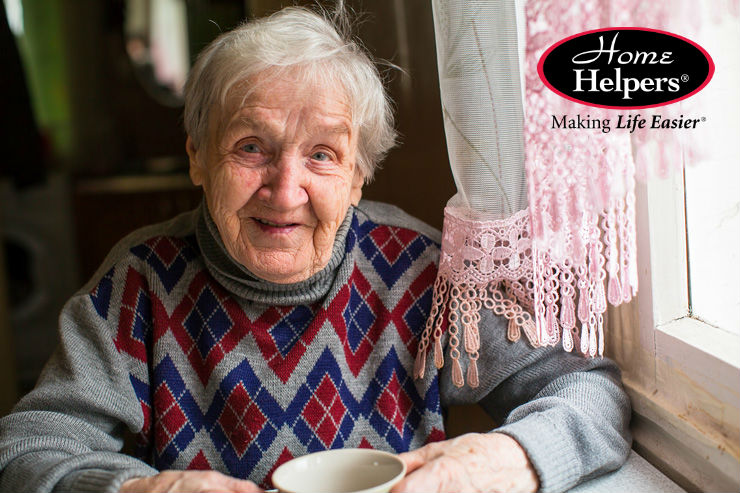
Keeping Seniors Safe in Cold Weather

All of us get cold in the winter, but seniors are even more prone to being unable to warm up easily during those cold months. Most of us grew up with our mothers warning us we would get sick if we’re cold, but this is especially true with elderly people. They really can get dangerously sick just from being cold. Why is that? Read on…

Seniors lose body heat very quickly. Even faster than children do! As we age, it can sometimes be difficult to gauge how cold we are, which can make hypothermia a very real threat to seniors.

What Is Hypothermia?

Hypothermia happens when your core body temp drops too low. Normal body temperature is 98.6, although it’s perfectly normal for that to fluctuate depending on the person. For seniors, they can easily become chilled and if their temperature drops below 95 degrees, they are at risk for heart attacks, hypothermia or liver, and kidney function problems. If you are a caretaker or even around a senior loved one often, make sure they stay warm by having a lap blanket or sweater on as often as needed. They may not feel how cold they are, so be aware and keep them in layers when possible. Just doing these simple things go a long way in preventing a serious case of hypothermia.

Keep the House Warm

Whether your older adult lives alone or with a family member, take steps to keep their living space warm. Hypothermia can even happen when rooms in a nursing home are kept too chilly. You certainly don’t need to jack the heat up to uncomfortable levels, but during the winter, stay alert and aware of how cold the house is and making sure seniors are dressed appropriately. Keeping the temperature inside the home at least 68 degrees should be the goal. Also, if your senior loved one is already sickly, being cold can be all the more dangerous.

Here are some tips to keep the senior in your life warm enough:

  • Keep the house at least 68 degrees.
  • Close off rooms that are not used to save money on heating bills. You can also place rolled up towels at the base of the door to prevent cold drafts from coming in. Make sure basements are kept closed tightly.
  • Check the windows of your home to prevent any cold air coming in. If you can put your hand near the window and feel any draft at all, you will need to have the windows sealed or replaced.
  • Keep soft, thick socks on at all times and use slippers if it’s safe. Keep in mind, slippers can be a trip hazard if the senior has balance issues, so thick socks are a better choice.
  • Use thermal underwear as an extra layer when sleeping.
  • Electric blankets are helpful but it’s best to keep them on a low setting or buy one that has an automatic shut-off after a certain amount of time.
  • Eat well! Good food produces good fat which helps to keep us warm.
  • Limit alcohol. Drinking alcoholic beverages can cause you to lose body heat, despite what most people think.
  • Always have a plan in place in case of a power outage. Keep seniors safe by checking on them often and arranging for them to stay with a friend or relative should loss of power occur.

If your senior loved one uses a space heater, make sure it is one that is rated for safety. These heaters can be a fire hazard or even cause carbon monoxide poisoning. Before buying a space heater, check the Consumer Product Safety Commission to find out which heaters are the safest.

Finally, be aware of the signs of hypothermia. It can be tough to tell if someone is in hypothermia, but some signs include confusion, difficulty speaking clearly or lethargy.

For more information on cold weather safety for seniors and how to spot and prevent hypothermia, please contact us!

Home Helpers of Bourbonnais is a locally-owned, trusted home health care agency and offers quality, compassionate senior in-home care services including home care assistance, personal care, companion care, respite care, Alzheimer’s & dementia care as well as homemaker services in Bourbonnais, Kankakee, Bradley, Manteno, Momence, Herscher, and Watseka, Illinois.
Categories

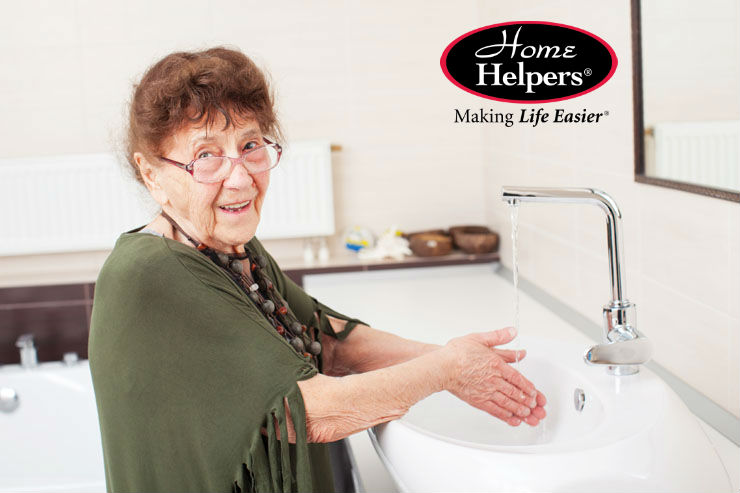
10 Tips for Helping Seniors with Personal Hygiene

As we age, routine tasks become more difficult. For many seniors, good personal hygiene can be especially challenging and may require some assistance. If you notice it becoming a problem, it’s best to address the issue right away to avoid potential health problems that can develop as a result of poor personal hygiene. The task of figuring out a solution often falls to family members, so it’s very helpful to think ahead and make a plan before the problem really presents itself. Here are some tips to help you help the senior in your life!

1. Talk openly
It can be a degrading experience for seniors to accept assistance with bathing and grooming. This may cause them to become stubborn and unwilling to cooperate with showers and baths, etc. If this is the case, speak with their physician and ask for a written doctor’s order that states how often they need to bathe. Seeing it as a prescription may help them take it more seriously. Most seniors want to follow their doctor’s instructions, so don’t hesitate to ask the doctor to get involved.

2. Ask Questions
Ask your elderly loved one who they would like to help them bathe or shower. You might ask if they would prefer a family member do it, or perhaps a nurse or other professional come to the house to assist. You should also ask if they have a preference for the sex of the person helping them. These questions will help them feel like they have more control of their personal care.

3. Try not to deviate from familiar routines.
This might sound overly simple, but performing personal care at the time of day the senior has always done these things can be very helpful. If they like showering at night, help them stick with that. Check to see which hygiene products are familiar with them and make sure they are on hand. Favorite shampoos and soaps can be comforting.

4. Safety first!
Always make sure there are safety measures in place, such as handrails, shower chairs or anti-slip covers in the tub. You may also want to wear a waterproof apron to keep you from getting wet as you assist.

5. Keep hygiene products handy.
Gathering supplies and having them at arm’s reach can be very helpful. You don’t want to be in the middle of a shower only to discover that the shampoo is missing or you’re out of soap. Make sure you bring towels and washcloths with you and have everything ready to use.

6. Protect their modesty.
Many seniors will feel embarrassed to have someone else assisting them with hygiene tasks. Help them feel more comfortable by giving them a towel to cover their body. If possible, only expose the area you are working on. This will go a long way in helping them to feel more in control. Allow them to help you clean private areas if possible.

7. Don’t neglect the “hidden” areas.
Bathing under folds of skin, wrinkles, under breasts, etc., is crucial. These areas can easily collect bacteria which cause skin infections. Elderly people are often slower to heal, and these open sores can easily become dangerous wounds requiring immediate medical care.

8. Rinse well.
It helps to have a hand-held shower when rinsing the soap off. Seniors can hold the shower head and help position themselves, so you can thoroughly rinse.

9. Apply body lotion or moisturizer.
When applying any lotions or creams, use a gentle patting motion, rather than rubbing. Seniors have delicate skin and may even find it very relaxing to have a gentle massage as you apply lotions.

10. Don’t bathe every day.
It might sound odd to you, but too much bathing can be very drying to the delicate skin of the elderly. To prevent skin dryness and irritation, only bathe every few days unless they need it. Also, it can be a tiring process, both for them and for you.

Remember that seniors have other hygiene needs such as dental work, hairdressing, shaving and eye care. They should see a dentist twice a year to check for gum disease. If they are wearing dentures, they need to have the dentist check the fit regularly. Gum disease can lead to other life-threatening conditions, so always take it seriously!

For more information on helping the senior in your life with personal care routines, please contact us today!

Categories

How Seniors Can Boost Energy Levels

Let’s face it—all of us want to live well and age well. It all starts with creating healthy habits that will last a lifetime. But even if you’re late in creating healthy routines, it’s never too late to start! Here are some ways to boost your energy and feel great as a senior!

1. Exercise your mind
Staying mentally active will not only keep you sharp, but also can help with mental health. It can really help dementia and Alzheimer’s. It can be as simple as working puzzles, reading and writing, and playing games. Many hobbies, such as needlepoint or sewing can also be a great way to stay mentally active.

2. Exercise your brain to boost your energy
Simple things such as taking a walk around the block will not only stimulate your energy levels but also go a very long way in keeping you healthy. When the body is inactive, so is the mind. Mild aerobics will keep your heart healthy and deep breathing exercises will decrease stress

3. Don’t Smoke
This is true for ANY age group! If you smoke, please let your doctor help you with a plan to quit. Even if you are advanced in years, quitting smoking will absolutely extend your life! Plus, the toxic chemicals found in cigarettes are the cause of many diseases that afflict seniors.

4. Eat Foods High in Protein
Eating too many carbs leave you feeling sluggish and lazy. This comes from starchy foods like bread and pasta. Instead, go on a high-protein diet, with plenty of lean meats or quinoa. Many vegetables also are high in protein! Boost your energy and protein levels with boiled eggs, which also give you Vitamin D. A diet low in fat and high in protein does wonders for seniors!

5. Get Lots of Sleep
Be aware of your body’s need for rest. Go to bed as soon as you feel tired and get up at the same time each day. If you need a nap, don’t hesitate. Insomnia often plagues seniors, and it is usually from other lifestyle problems that can easily be corrected. Making sure you don’t have too much stimulation or light will also help you sleep well!

6. Do things that are meaningful activities
If you have retired already, you may have too much time on your hands, which can lead to boredom and apathy. This is the perfect time to take up new hobbies, volunteer for charities or a host of other activities that nourish your spirit as well as your mind!

7. Manage Stress
Aging can sometimes be stressful if we fear it. Life certainly throws new challenges your way as you age, but managing your stress is key to feeling great. Talk through things often with friends and family and never keep your feelings bottled up. Meditation and prayer are also very effective in bringing peace and calm to your heart.

8. Stay Hydrated
Drink plenty of water! This is the easiest one of all, but often overlooked. Keeping yourself hydrated is the number one way to feel better and boost energy! It helps in weight-loss, balances your electrolytes, prevents headaches and muscle pain, and stimulates your mind. Adding lemon or cucumbers to your water enhances flavors and also provides you with a great way to get extra nutrients!

For more information on boosting your energy as you age, please contact us today! For more helpful tips, visit our senior home care blog.

Categories

Communicating with Dementia Patients

Witnessing a loved one with dementia or Alzheimer’s can be a very painful experience. As they progress in the disease, memory problems become more noticeable. Eventually, that impairment causes the loss of self and they may not even recognize their friends and family. Communication with loved ones who have dementia can be tricky at times, but not impossible.

Keep in mind that even though your loved one seems like an “empty shell” of who they once were, there are ways to have a meaningful conversation with them. Some days will be better than others, but there is still a wonderful person behind the disease.

Here are some tips on how to communicate with your loved one with dementia.

  1. Acknowledge the challenge. Dementia does worsen as time goes by. People who suffer from dementia will struggle with understanding those around them, along with challenges in communication.
  2. Listen actively. If your loved one is telling you something that you can’t understand, let them know in a kind-hearted and respectful way.
  3. Stay patient. Dementia causes a person to need extra time to process what’s being said. Questions may be repeated multiple times and you may answer them several times in several different ways. Staying patient until they understand will go a long way in having a meaningful conversation.
  4. Don’t talk about multiple subjects at once. Dementia makes it difficult for a person to engage in conversations that have multiple subjects. One thread at a time allows them to follow and stay involved in the conversation.
  5. Use a reassuring and calm voice. Do not talk to your loved one like a child, even if they seem to be acting like one. We must remember that although dementia may send them backward, they are still an adult who deserves respect and honor. Avoid any kind of baby talk or condescending tones.
  6. Incorporating cues that aren’t verbal. Non-verbal communication can be very reassuring. Things, like smiling, keeping eye contact or a tender touch, can go a long way and help your loved one relax and communicate clearly. As dementia becomes more severe, verbal communication may become rare, so learning how to help your loved one through these times with body language is so very important.
  7. Use names. Whenever possible, avoid personal pronouns such as “they,” “he,” or “she.” Instead, use peoples’ names. Whether it’s yourself or others, using names in conversation will give your loved one an extra mental boost so they can understand.
  8. Avoid correcting when possible. If you notice misstatements or wrong facts, don’t stop to correct them. Allow them to finish their thoughts and don’t quibble over the small stuff.
  9. Remove distractions. Look for places and times to communicate that don’t have outside distractions or excess noise. Remember that they may need all their mental energy to talk through things and focus.
  10. Expect good days and bad days. Although dementia is a progressive disease, always keep in mind that there will be ups and downs, just like any other disease. Make memories as often as you can and enjoy the good days. On the bad days, reach out for help and support and know that it’s equally difficult for your loved one.

For more information on communicating with dementia patients, call us today!

Home Helpers of Bourbonnais is a locally-owned, trusted home health care agency and offers quality, compassionate senior in-home care services including home care assistance, personal care, companion care, respite care, 24-hour live-in care, Alzheimer’s & dementia care, Parkinson’s care as well as homemaker services in Bourbonnais, Kankakee, Bradley, Manteno, Momence, Herscher, Watseka, Dwight, Braidwood, and Wilmington, Illinois.

Legal Disclaimer

This blog provides general information and discussions about medicine, health, and related subjects. The words and other content provided in this blog, and in any linked materials, are not intended and should not be construed as medical advice. If the reader or any other person has a medical concern, he or she should consult with an appropriately-licensed physician or other healthcare workers.

Never disregard professional medical advice or delay in seeking it because of something you have read on this blog or in any linked materials. If you think you may have a medical emergency, call your doctor or 911 immediately.

The views expressed on this blog and website have no relation to those of any academic, hospital, practice or other institution with which may have been mentioned or linked to in the article.

Categories

How to Help Joint Pain During the Colder Months

It’s not uncommon for seniors to have increased pain in their joints and muscles during the winter. Doctors will tell you that there are more prescriptions written for aches and pains during colder temperatures than other times of the year. Some say it’s cold weather, and some say it’s barometric pressure. Whatever it is, we’re offering some helpful tips for reducing joint pain and discomfort in seniors….

1. Wear layers. There are many seniors who still love to be outdoors for fresh air and exercise. Dressing in layers helps prevent joint pain and keep the body warm so you can move freely. If you get too warm, simply shed one layer. There’s no reason healthy seniors can’t get outside to enjoy winter walks and other activities!

2. Eat a good diet. Getting the proper nutrients in your food has all kinds of wonderful benefits, not the least of which is preventing joint pain. Seniors are no exception to this rule. In fact, they need these healthy vitamins and minerals, fiber and protein, more now than ever! Eating a healthy diet will also keep blood sugars normal, stave off anxiety, give energy, and yes—it also prevents pain in the body!

3. Go for a massage. All of us know how relaxing gentle massage can be. There are great benefits from it, such as working out joint and muscles pain from arthritis or injury, as well as helping posture and flexibility. An aging body needs to stay flexible and massage is a fantastic way to help with that. Just make sure the therapist is licensed in your state

4. Keep moving. If it’s too cold to venture outside for activities, be sure to do some things indoors to help you stay active. Treadmills, yoga and other forms of indoor exercise can be very helpful during the cold winter months. If the senior in your life needs to lose weight, exercise will not only help them get healthier, but the weight loss will significantly lessen joint pain

5. Take your vitamins! Along with a great multi-vitamin, be sure to think about Vitamin D while it’s cold outside. Most Americans don’t get enough of it, since much of it comes from being in the sunshine. Vitamin can also be taken by supplements, but it’s best when it comes from your food. Along with good fats and protein, Vitamin D helps keep joints moving.

6. Use heat. There’s nothing quite like heat to help you feel better and take away aches and pains. Make sure you stay warm. Other forms of heat include using a heating pad on sore joints, soaking in a hot bath, using a hot water bottle, or swimming in heated pools. Just make sure that if you are using heat as therapy, that you don’t use it more than 20 minutes at a time.

Listen to your body! Give it what it needs, and it will serve you for many years to come! For more tips and info on improving joint pain, call us today!

Categories

Benefits of Home Care for Seniors

Home care is the preferred option for most seniors today. After all, who doesn’t want to remain in their homes as they age? While some do just fine maintaining a good quality of life in nursing homes or assisted living facilities, most older adults want to remain in their homes, where they feel most safe and secure.

There are many benefits that come with seniors remaining in the comfort of their home. If you are trying to determine if it’s the right choice for you, consider the following reasons home care is often the best care:

  • Remaining independent. We all want to stay as independent as possible for as long as possible! If some care is needed, it is totally possible to receive that care while in the home. Even if the needs are great, home health agencies can easily offer skilled nursing services.
  • Staying connected to loved ones. This is a biggie! Most facilities will have restricted visiting hours, but home care allows you to have the support and care of friends and family at your leisure.
  • The comforts of home. Remaining at home allows anyone to feel most cared for. When we are surrounded by familiar things, photographs, people, it is no surprise that we do better. Research has shown that seniors stay healthier and have a better quality of life when they can remain in their homes. When hospitals release patients to the familiar surroundings of home, they tend to heal faster and have far better results as they recover.
  • Alternative for long-term skilled care. Depending on the illness or medical condition of your senior loved one, home health care is almost always a good option in place of facilities.
  • Support for treatment. Being at home allows family and friends to help out with the necessary treatment. This could include administration of medications, helping out with occupational or physical therapy, or even dietary needs.
  • Keeping morale high. People always feel more comfortable in their own homes, and this allows for greater long-term success. Being at home allows seniors to live happier lives with greater connections to important relationships. In turn, this keeps their spirits high and depression low.
  • Cost. Skilled nursing care can be quite expensive when done in a hospital or nursing home. Even assisted living facilities can get very costly. Bringing in skilled care services to the home environment is far more affordable and offers the flexibility of working around existing daily routines.

Home care for seniors gets a big thumbs-up from us! This is especially true for those suffering with Alzheimer’s or dementia. For more information on the benefits or home care or how to plan effectively for it, contact us today!

Categories

How to Determine When a Pet Has Become Too Much for Seniors

One of the difficult parts of pet ownership is knowing when to let go. If your senior parent has a pet, they are most likely very attached. The emotional bond between seniors and their pets can be a very powerful one, so navigating this subject can be tricky.

If you feel the pet isn’t being cared for properly or the responsibility of the pet is becoming too much, it may be time to intervene. Here are some signs to look for and helpful solutions to consider.

1. Is the senior becoming forgetful? Check often to make sure the pet always has food and water in their dish. If the pet is overweight, they may be overfed. Alternatively, check to make sure they are not too thin and being underfed. Also, make sure the pet is being let out frequently enough. If you suspect the pet is going potty inside the house, you should investigate.

  • Solution: A fenced yard with a doggie door may solve this problem. Also, an automatic feeding system would ensure the animal always has access to food and water.

2. Is mobility a problem? If taking the dog on a walk has become too big of a chore, intervention may be warranted. Also, if the senior adult has a cat, check to make sure the litter is being changed regularly. Air quality can be drastically reduced if the stench of urine permeates the home, so this is important to check.

What Do You Do if Caring for the Pet Has Become Too Much?

First, remember you have options! Many retirement communities or assisted living facilities are pet-friendly. If this is something your parent is considering, be sure to ask about it, as they may be able to keep their pet with them. If your older adult has any mental impairments or physical handicaps, you may need to consider rehoming the pet.

There are also many charities who specialize in assisting seniors with their pets. They have volunteers who will come walk the pet, offer food and water and change litter. Many will even assist in administering medications or taking the pet to veterinarian appointments.

Another possible solution is to rehome the pet with a friend, neighbor, or family member so that the senior adult can still visit with the pet as frequently as possible.

When Separation is Necessary

If the time comes and separation is inevitable, you’ll want to be as sensitive as possible. It can be traumatic for seniors to be separated from beloved animals, so assuring them the pet will be happy and healthy is crucial to make the transition as smooth as possible. Remember also that it can be difficult for the pet as well as the senior. Assurance that visits are possible will help. If it’s not possible for the pet to stay connected with the senior, consider utilizing a therapy dog. There are many wonderful organizations that will volunteer to make house calls with dogs or other animals that are specially trained to offer interaction with seniors.

It’s tough to lose a pet, no matter how old we are! Just remember that you are doing what’s best for the senior parent, as well as the animal.

For more information on how to determine if a pet has become too much for the senior in your life, contact us today!

Home Helpers of Bourbonnais is a locally-owned, trusted home health care agency and offers quality, compassionate senior in-home care services including home care assistance, personal care, companion care, respite care, 24-hour live-in care, Alzheimer’s & dementia care, Parkinson’s care as well as homemaker services in Bourbonnais, Kankakee, Bradley, Manteno, Momence, Herscher, Watseka, Dwight, Braidwood, and Wilmington, Illinois.

Legal Disclaimer
This blog provides general information and discussions about medicine, health, and related subjects. The words and other content provided in this blog, and in any linked materials, are not intended and should not be construed as medical advice. If the reader or any other person has a medical concern, he or she should consult with an appropriately-licensed physician or other healthcare workers.

Never disregard professional medical advice or delay in seeking it because of something you have read on this blog or in any linked materials. If you think you may have a medical emergency, call your doctor or 911 immediately.

The views expressed on this blog and website have no relation to those of any academic, hospital, practice or other institution with which may have been mentioned or linked to in the article.

Categories

Benefits of Regular Exercise in Seniors

Gone are the days where doctors and family alike expected senior citizens to just sit around in a rocking chair all day, in between taking naps. Today’s seniors are more active and productive than ever, as the life expectancy continues to increase. Medical research has proven without a doubt that exercise is just as important for seniors as it is for anyone else. Staying physically fit has many benefits for seniors! Here are just a few….

Preventing Falls

The number one reason seniors end up in the hospital is falls. It is also one of the leading causes of death among the elderly. The reason behind this is that when a senior takes a fall, they may break a bone that would normally heal in a younger person. But with older adults, breaking a bone can lead to even more problems that can lead to death. In these cases, death almost always occurs as a secondary complication from a fall.

Regular exercise will not only strengthen bones and muscles but also helps mental clarity so that reflex time is quicker. There is no doubt that being fit could absolutely save the life of your senior loved one!

Improved Mental Clarity

We all know that our memory starts to slip as we age. It’s probably the most frustrating side effect of growing older. Seniors who are dealing with dementia or Alzheimer’s Disease can enjoy much more mental clarity by exercising not only the mind but also the body. Playing brain games like crossword puzzles will help seniors stay sharp mentally. Physical exercise increases blood flow, which makes everything in the brain work better and faster.

Socializing

People of all ages need to socialize and meet with friends to stay healthy and happy. Seniors often battle depression and much of it comes from being lonely and isolated. Regular trips to the local fitness center or YWCA can be a wonderful way for seniors to meet new friends and engage in activities with other people. Most of these facilities have exercising classes specially designed for the more fragile body of older adults. There is no reason seniors can’t enjoy the benefits of safe exercise! Even walking regularly is extremely beneficial for seniors, and staying active is the best way to combat feelings of depression and lethargy.

Exercise is vitally important for all ages and this includes seniors! There is no need to buy into the lie that senior adults should stop moving just because they are growing older. Even gentle exercise can drastically improve quality of life as well extend life by keeping our senior loved ones healthier and happier.

For more information on the benefits of exercise for seniors, contact Home Helpers today!

Categories

© Copyright 2026 H. H. Franchising Systems, Inc, All Rights Reserved.