
How to Prepare Moving Aging Parents into Your Home

It can be a tough decision to move an aging parent into your home, but once the decision is made, there are some things you can do to make the process as easy as possible. Here are some tips to help you plan for the big move.

Assess the Way They Currently Live
You may not notice cognitive decline right away, but it can start with small things like noticing the house is not as clean as it has always been, or bills are going unpaid or laundry is piling up. If you notice anything like this, it may be a sign that you need to start thinking about moving an aging parent into your home. The hardest part about this decision is having a conversation with your loved ones about the assistance they may need.

Have a Family Meeting
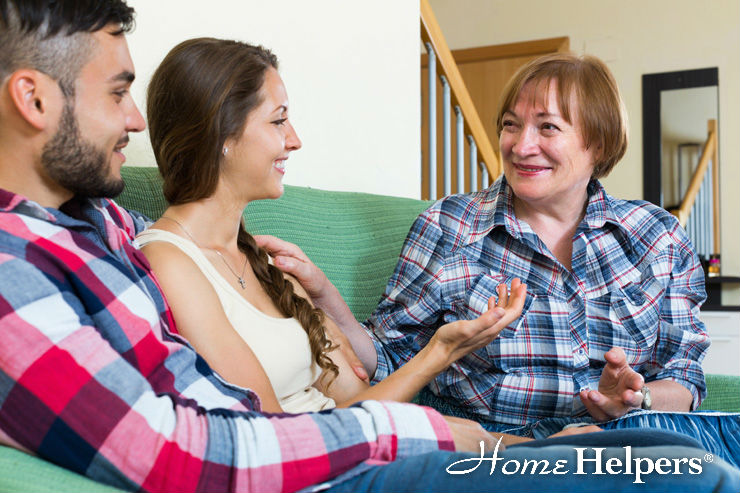
Having a meeting with family members, including extended family, can be very helpful for all parties involved. Remember, the decision to move your parents into your home will impact more than just them; it will also affect your spouse and your children. Have a meeting with everyone to discuss the care that is needed and how each family member can help. Most family members want to help but may not know what is appropriate. If discussing these things makes you tense or anxious, talking to an older family member or therapist can help ease the transition.

Navigating the Changes
There are many things to take into consideration before moving a senior loved one into your home. Is your house big enough to accommodate their needs? Will they have privacy? Do they need special handicap aids such as ramps or bathrooms that can hold a wheelchair? While some of these things are major, other things can be as minor as removing obstacles such as rugs or furniture and making sure the living space is safe.

Figuring Out Finances
There is a lot of responsibility that comes with being a caretaker, and it can be challenging to add these tasks to your already full schedule. You may be working full-time or juggling children and the running of a household. It is important to go through the financial situation your aging parents are in, and if there are adequate funds to cover modifications to your home, extra food, and utilities, etc. Costs can add up quickly, so a budget is crucial.

Moving Day
Moving from their home can be very stressful for your parents. They may be leaving the house they have known for years and even raised their own family in and deciding what to take and what goes into storage can be emotionally challenging. It’s a tough job to sort, sell or donate, and pack, so you will need lots of help. Make sure this help comes from people who will keep things positive and upbeat and allow your parents to talk about things as they come up during the moving process. This can be very therapeutic for everyone! Ask them to tell stories and reminisce along the way so you can be as emotionally connected and supportive as possible.

It can be tough to navigate the waters of this season of life, but with a little help and planning, it doesn’t have to be a negative time. For more information on moving senior loved ones into your home, please contact us today!

Home Helpers of Cherry Hill is a locally-owned, trusted home health care agency and offers quality, compassionate senior in-home care services including home care assistance, personal care, companion care, respite care, 24-hour care and live-in care, Alzheimer’s & dementia care, Parkinson’s care. post-operative home care as well as homemaker services in Audubon, Barrington, Berlin, Berlin Township, Cherry Hill, Clementon, Collingswood, Evesham Township, Gibbsboro, Haddon Heights, Haddon Township, Haddonfield, Hainesport, Lawnside, Lindenwold, Lumberton, Marlton, Medford, Medford Lakes, Merchantville, Oaklyn, Pemberton, Pennsauken, Pine Valley, Tavistock, and Voorhees, New Jersey.

Legal Disclaimer
This blog provides general information and discussions about medicine, health, and related subjects. The words and other content provided in this blog, and in any linked materials, are not intended and should not be construed as medical advice. If the reader or any other person has a medical concern, he or she should consult with an appropriately-licensed physician or other healthcare workers.

Never disregard professional medical advice or delay in seeking it because of something you have read on this blog or in any linked materials. If you think you may have a medical emergency, call your doctor or 911 immediately.

The views expressed on this blog and website have no relation to those of any academic, hospital, practice or other institution with which may have been mentioned or linked to in the article.

Categories

Helping Senior Loved Ones Celebrate New Year’s Eve

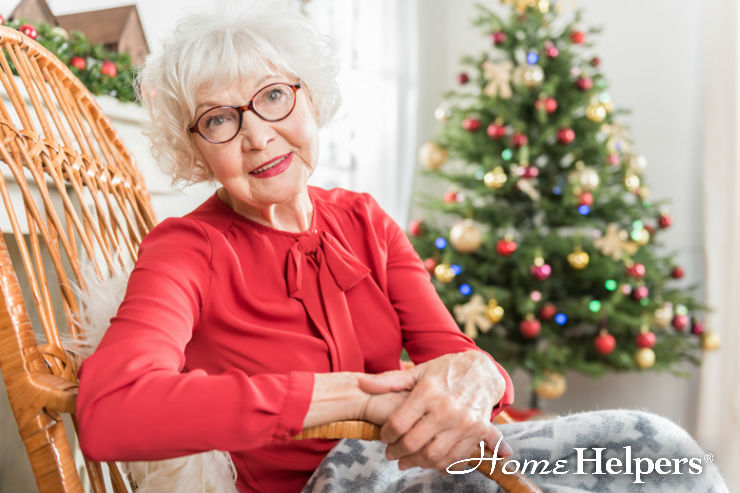
Seniors often have a difficult time during the holiday season, but especially when it comes to New Year’s Eve. There are always fun activities and parties as we bring in the new year, and your senior loved ones may feel a bit down when they can’t party as the once did. The good news? There are lots of ideas to ring in the new year with older adults. Check out our tips for a fun and happy New Year’s Eve party!

  • Craft Projects. Not only are crafts fun to make, but it provides quality time, as well as keeping their minds sharp and dexterity for their hands. Find a spot that would be cozy and comfy, and provide the supplies such as paint, glue, markers, etc. If they aren’t inclined to do artwork, adult coloring books are a wonderful way to spend time together.
  • Cooking or baking their favorite foods! Are there any favorite baked goods or food that your loved one has always enjoyed making? Consider working in the kitchen, even if they aren’t able to do the cooking. They could lend a hand and tell you the stories behind the recipe to make it a special time for both of you!
  • Talk! There is no time better spent than time with your senior loved ones. They have so much to say, so much wisdom, so many memories, and life lessons to pass down. By asking them to open up and share stories, you will bring joy and comfort to them. Try asking specific questions about specific people to get the ball rolling.
  • Watch a movie! Ask your older adult which movies they have always liked and plan a time to watch it together. Popcorn or a favorite meal is a fun way to enjoy time together and allow your loved ones to enjoy time with you!
  • Switch your countdown! Many seniors are unable to stay up past midnight to ring in the new year, so consider changing the time of your celebration activities. Starting your countdown earlier in the evening is a great way to not miss out on the celebration, while still allowing their routine to be uninterrupted. You could also set your DVR to record the Times Square ball drop and play it for them the next morning!

For more information and ideas about celebrating the new year with your senior loved ones, please contact us today!

Home Helpers of Cherry Hill is a locally-owned, trusted home health care agency and offers quality, compassionate senior in-home care services including home care assistance, personal care, companion care, respite care, 24-hour care and live-in care, Alzheimer’s & dementia care, Parkinson’s care. post-operative home care as well as homemaker services in Audubon, Barrington, Berlin, Berlin Township, Cherry Hill, Clementon, Collingswood, Evesham Township, Gibbsboro, Haddon Heights, Haddon Township, Haddonfield, Hainesport, Lawnside, Lindenwold, Lumberton, Marlton, Medford, Medford Lakes, Merchantville, Oaklyn, Pemberton, Pennsauken, Pine Valley, Tavistock, and Voorhees, New Jersey.

Legal Disclaimer
This blog provides general information and discussions about medicine, health, and related subjects. The words and other content provided in this blog, and in any linked materials, are not intended and should not be construed as medical advice. If the reader or any other person has a medical concern, he or she should consult with an appropriately-licensed physician or other healthcare workers.

Never disregard professional medical advice or delay in seeking it because of something you have read on this blog or in any linked materials. If you think you may have a medical emergency, call your doctor or 911 immediately.

The views expressed on this blog and website have no relation to those of any academic, hospital, practice or other institution with which may have been mentioned or linked to in the article.
Categories

Helping Seniors Avoid Holiday Depression

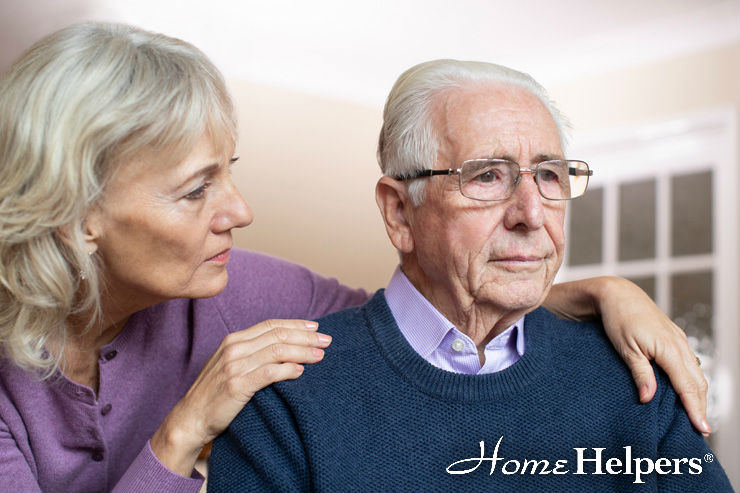
“Holiday blues” among seniors is very real and should be handled carefully. Older adults often have emotional, mental, and physical needs not taken into account during the holidays, and it can be a difficult time for them. While there are several things that can influence their confusion, or even depression during the holidays, here are a few that you might want to keep an eye out for.

Loneliness. It’s easy for adult children to forget how much their grandparents or elderly parents look forward to spending time with them. Once people get busy with their own lives and family, the senior loved ones often get overlooked. Make It a priority to work in time to spend with them this holiday season!

One more thing to remember is that many elderly loved ones have outlived close friends and family, and they may really be feeling the sting of those losses during the holidays. So how do you help the seniors in your life enjoy the here-and-now? So glad you asked! Read on.

Tips for Helping Elderly Loved Ones Have Joy During the Holidays:

Stroll Down Memory Lane
Cognitive decline such as memory loss makes it hard for the elderly to recall recent happenings, but they remember long-term memories with no problem. Asking them to share stories from the past is a good way to engage them in conversation. It’s also great for the children to hear these stories and pass them down. If possible, gather together around photo albums or videos and have some quality time!

Plan Ahead
It’s a good idea to plan ahead for the activities not to wear an older person out. They may be used to a routine and could become exhausted or agitated with over-stimulation. Designating a “quiet room” for them to take a nap if needed can really help with this problem. Assign someone to be a companion for the day to make sure all the older person’s needs are met.

Eliminate Obstacles
Be careful not to rearrange furniture or change the layout of the home in any way if the holiday gathering will take place at the home of a senior with dementia or Alzheimer’s. The resulting confusion could be a source of stress for them. You should also remove throw rugs or anything else they could easily trip on.

Avoid Embarrassing Moments
Avoid having a conversation that would embarrass a person with short-term memory loss. For instance, if they repeat the same question or tell the same story over again, don’t tease them about that or say things like, “I just told you this, don’t you remember?”

Get Out of the House
Part of helping seniors enjoy the now is giving them new things to anticipate. Getting them out of the house for a concert, play, or museum is a great way to enjoy new things with them. They may also really enjoy things like driving around to look at Christmas lights. These are ways to make new memories!

Be Inclusive in Meal Preparation
When it comes to the holiday meal, involve everyone, including seniors! They may have physical limitations but can still help with simpler tasks such as setting the table, arranging flowers, or peeling veggies. The youngest all the way up to the oldest should have fun in the kitchen!

Reach Out
Loneliness is a tough thing for anyone but can be especially difficult for seniors. Depression often sets in when they are lonely, so take time to reach out, make a call to chat, or stop in to visit. Seniors need to feel connected, especially during the holidays.

Stay on the Sunny Side
Seasonal affective disorder (SAD) is a type of depression that often sets in during the winter months. It can be worsened by a lack of sunlight when days are much shorter during the winter. If your senior loved one is confined to being indoors most of the time, help get them outside for exposure to the sun for a few minutes. Whether you sit on the porch and have coffee or take a walk, sunlight is very important for preventing depression!

Monitor Medications and Alcohol
Finally, be mindful of helping seniors stick the routines they are used to. This includes medication. If there is a lot going on, it can be easy to get off their medication schedule, so set a timer if necessary, to help them remember when medicine should be taken.

For more information on helping seniors get through the holiday blues, contact us today!

Home Helpers of Cherry Hill is a locally-owned, trusted home health care agency and offers quality, compassionate senior in-home care services including home care assistance, personal care, companion care, respite care, 24-hour care and live-in care, Alzheimer’s & dementia care, Parkinson’s care. post-operative home care as well as homemaker services in Audubon, Barrington, Berlin, Berlin Township, Cherry Hill, Clementon, Collingswood, Evesham Township, Gibbsboro, Haddon Heights, Haddon Township, Haddonfield, Hainesport, Lawnside, Lindenwold, Lumberton, Marlton, Medford, Medford Lakes, Merchantville, Oaklyn, Pemberton, Pennsauken, Pine Valley, Tavistock, and Voorhees, New Jersey.

Legal Disclaimer
This blog provides general information and discussions about medicine, health, and related subjects. The words and other content provided in this blog, and in any linked materials, are not intended and should not be construed as medical advice. If the reader or any other person has a medical concern, he or she should consult with an appropriately-licensed physician or other healthcare workers.

Never disregard professional medical advice or delay in seeking it because of something you have read on this blog or in any linked materials. If you think you may have a medical emergency, call your doctor or 911 immediately.

The views expressed on this blog and website have no relation to those of any academic, hospital, practice or other institution with which may have been mentioned or linked to in the article.

Categories

Managing the Symptoms of Sundowning

Alzheimer’s Disease presents many challenges, not the least of which is something called sundowning—a period in the late day/early evening when agitation or irritability can set in for no apparent reason. Confusion tends to worsen as the sun goes down, hence the name. The real challenge for caregivers is that this time is often when they need a break from their duties the most—as the day is fading. To make matters even more challenging, the caregiver may notice that elderly people who are experiencing sundowning will become restless or not stay in bed during nighttime hours, meaning that the caregiver doesn’t get much sleep either. So, what causes it?

Possible Causes

We don’t know a lot about what causes sundowning. One theory is that a person’s “biological clock” can be affected by changes in the brain brought on by Alzheimer’s. This can wreak confusion on the cycle of waking and sleeping, causing the symptoms of sundowning.

Other possible causes of sundowning include:

  • Being tired
  • Being thirsty or hungry and not meeting those needs.
  • Depression
  • Pain
  • Restlessness/Boredom

Coping with Sundowning

The time to look for sundowning symptoms is late in the day, as the light starts to fade. You may notice anxiety, pacing, yelling, wandering or general confusion. The best thing to do if possible is to try to identify what is causing the behavior, such as hunger or thirst. They may need to be calmly reassured that everything is okay, especially if there are upsetting events on TV or going on around them.

You can also try these tips:

  • Reduce the number of people in the room, along with the activity.
  • Try to distract the person with something they like to do or eat. A simple activity like folding towels can be just enough.
  • Make the early evening a very calm time of day. You might play soothing music, receive a call from friends or family, or even read to the senior loved one. All of these things can be hugely effective.
  • Close blinds and curtains to minimize shadows, which can be unnerving for people who suffer from sundowning. Turning on lights can also help.

Preventing Sundowning

Try to help the person prevent this condition by getting enough rest and food, drink, social activity. Make sure there is at least some time spent outdoors where vitamin D from the sun can be helpful. Not only will this reset the body clock of the person with Alzheimer’s, but it helps with mood.

Get a little exercise each day. This will keep them tired at the right times. If they need daytime rest or naps, work that into the schedule but don’t allow them to sleep too long late in the day. Get plenty of rest at night.

Things that can make sundowning worse:

  • Do not serve caffeine during the day.
  • Alcohol can cause confusion and agitation, so steer clear.
  • Do not overload their day with too many activities.

If these tips have been tried and you are still struggling with managing the condition, you need to seek medical attention from the person’s doctor. There could be underlying causes that are exacerbating the condition and making things worse.

Keep in mind that the cause of the problem may be a combination of factors, such as a sleep disorder, pain or depression. Even some medications can create symptoms of sundowning. The doctor may prescribe medications to help with sleep, but usually only want to use them for short periods of time, as they can cause an increased risk of falling, dizziness or confusion.

If you have any questions or if you need help in caring for someone with sundowning, contact us.

Home Helpers of Cherry Hill is a locally-owned, trusted home health care agency and offers quality, compassionate senior in-home care services including home care assistance, personal care, companion care, respite care, 24-hour care and live-in care, Alzheimer’s & dementia care, Parkinson’s care. post-operative home care as well as homemaker services in Audubon, Barrington, Berlin, Berlin Township, Cherry Hill, Clementon, Collingswood, Evesham Township, Gibbsboro, Haddon Heights, Haddon Township, Haddonfield, Hainesport, Lawnside, Lindenwold, Lumberton, Marlton, Medford, Medford Lakes, Merchantville, Oaklyn, Pemberton, Pennsauken, Pine Valley, Tavistock, and Voorhees, New Jersey.

Legal Disclaimer
This blog provides general information and discussions about medicine, health, and related subjects. The words and other content provided in this blog, and in any linked materials, are not intended and should not be construed as medical advice. If the reader or any other person has a medical concern, he or she should consult with an appropriately-licensed physician or other healthcare workers.

Never disregard professional medical advice or delay in seeking it because of something you have read on this blog or in any linked materials. If you think you may have a medical emergency, call your doctor or 911 immediately.

The views expressed on this blog and website have no relation to those of any academic, hospital, practice or other institution with which may have been mentioned or linked to in the article.
Categories

Life-Enriching Activities for Seniors with Dementia or Alzheimer’s

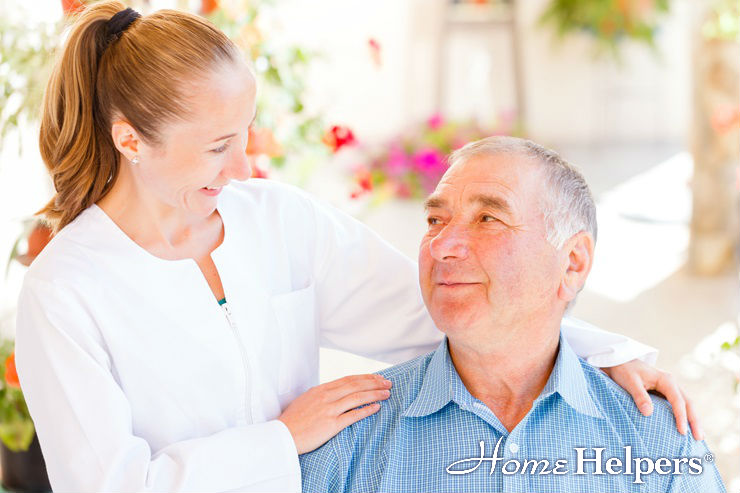
It can be a bit more challenging to help a patient with Alzheimer’s continue to enjoy things they once enjoyed before this life-altering diagnosis. After all, we all need a sense of community and fellowship with friends in order to maintain a sense of well-being and peace. While it is more difficult to do the same things, it’s not impossible. Here are a few ideas to keep your senior with Alzheimer’s thriving.

If you are a caregiver within the family, it may be a little easier to help your senior loved one find activities they enjoy, simply because you already know them a bit better than most. Here are some ideas to help enrich the life of someone with dementia or Alzheimer’s:

Discover what the best time of the day is for your loved one. If they typically like to get up early but start losing steam later on during the afternoon, you may want to schedule any activities around that schedule. For instance, take an early morning walk together and then find an enjoyable activity you can do together.

Be present while looking to the past. With dementia and Alzheimer’s, long-term memory is usually much better than short-term memory. They may not know what they asked you two minutes ago, but they can sit for hours and reminisce about things that happened decades ago. Perhaps they would love talking about a certain period of time, people or places, or the career they once had. If they were a teacher before, they may enjoy drawing or painting as a way to communicate. If they were a musician, certain bands may spark nostalgia and get them talking, and if they raised children in the home, perhaps they just would like to fold laundry and talk about home life from years past. Whatever it is, finding activities that connect them with their past is often very helpful for their well-being!

Remember that asking for their help or letting them know they are needed does wonders for their self-esteem! We all need self-worth, and dementia has a way of eating away at it, especially among seniors. If they aren’t able to do an entire activity, they could at least help with it. For instance, if they loved baking cookies, perhaps now they could help stir ingredients together. Tasks that involve sorting items are often a good way to keep their minds occupied as well.

  • Let the senior have all the time they need to go at their own pace with any activity.
  • Offer support and guidance, rather than taking over or doing an activity yourself.
  • Offer instructions one small step at a time so they don’t feel overwhelmed by information.
  • Remember — the activity is more important than the result.
  • Stay flexible and easily able to adapt and change. This will lower the potential for frustration.

Stay focused on the time you are spending together, talking through each activity and any memories associated with them. If your loved one isn’t enjoying the task at hand, perhaps just talking about things would be more enjoyable. You can attempt the activity again at a later time.

Our team of professionals in dementia care has many ideas that can help you if you have a loved one with dementia or Alzheimer’s. We can help you as a caretaker keep them engaged in the world around them and although you might have to do it differently, you can still have very meaningful time and conversations with your loved one!

Contact us today for more tips on caring for those with cognitive decline.

Home Helpers of Cherry Hill is a locally-owned, trusted home health care agency and offers quality, compassionate senior in-home care services including home care assistance, personal care, companion care, respite care, 24-hour care and live-in care, Alzheimer’s & dementia care, Parkinson’s care. post-operative home care as well as homemaker services in Audubon, Barrington, Berlin, Berlin Township, Cherry Hill, Clementon, Collingswood, Evesham Township, Gibbsboro, Haddon Heights, Haddon Township, Haddonfield, Hainesport, Lawnside, Lindenwold, Lumberton, Marlton, Medford, Medford Lakes, Merchantville, Oaklyn, Pemberton, Pennsauken, Pine Valley, Tavistock, and Voorhees, New Jersey.

Legal Disclaimer
This blog provides general information and discussions about medicine, health, and related subjects. The words and other content provided in this blog, and in any linked materials, are not intended and should not be construed as medical advice. If the reader or any other person has a medical concern, he or she should consult with an appropriately-licensed physician or other healthcare workers.

Never disregard professional medical advice or delay in seeking it because of something you have read on this blog or in any linked materials. If you think you may have a medical emergency, call your doctor or 911 immediately.

The views expressed on this blog and website have no relation to those of any academic, hospital, practice or other institution with which may have been mentioned or linked to in the article.
Categories

How to Know When to Hire an In-Home Caregiver

Did you know that nearly half of all senior adults over the age of 65 need some type of assistance daily? It’s true. As many as 70% of seniors will need a caregiver at some point as they continue to age. One of the biggest challenges with caregiving is how to know when it’s time to hire in-home care. The common thing to do is wait for an illness or injury and then figure that out. However, it is far better to think through the options sooner rather than later! Your options will decrease by waiting until a crisis arises, but there are several signs that can help you determine if the time is right.

Tips for Knowing It’s Time

Balance Issues. One of the greatest threats to seniors is the risk of falling. Pay close attention to signs of being unsteady on their feet, or having difficulty rising from a sitting position. Injuries from falling is the number one reason seniors go the ER every year! If the risk of falling is high, it’s time to think about in-home caregiving.

Memory Issues. It’s normal as we age to become more forgetful, even with simple things. If you notice your loved one regularly forgetting appointments, names of friends and family, or being unable to recall information that was recently spoken, you should consult with their doctor.

Driving Issues. Nobody wants to take a senior’s care keys away, but driving can be dangerous if they don’t have quick reflexes, forget where they are going or how to get home. Also, if they have had more than one minor accident or fender bender, it can be a sign that driving has become dangerous.
 
Missing Doses of Medications. Not taking medicine correctly is extremely common among seniors. This can be a sign of short-term memory loss and should not be ignored. If you notice your senior refusing or forgetting their medications, it’s time for supervision.

Personal Care. If you notice the senior wearing the same clothes several days in a row, refusing or forgetting to bathe, or not remembering simple tasks such as brushing their teeth, it’s time to consult their doctor about hiring a caregiver.

Decline in Housekeeping. If you notice food in the fridge that has gone bad, stacks of mail that has not been opened, or piles of laundry, it’s time to consider hiring a caregiver. These issues can also be the result of depression, so it’s critical that the home environment be kept clean and in order.

Loneliness or Depression. It is extremely common for seniors to have feelings of loneliness, which can lead to depression. If you notice that your loved one has lost interest in outside activities or is sitting in front of the TV all day, companion care may be very helpful!

If your senior loved one desires to age in place, don’t put off having a conversation about in-home care when the need arises. Many will see this as a threat to their independence, however, helping them make critical decisions early in the process is the best way to go! For more information on knowing when a caregiver is needed, please contact us today!

Home Helpers of Cherry Hill is a locally-owned, trusted home health care agency and offers quality, compassionate senior in-home care services including home care assistance, personal care, companion care, respite care, 24-hour care and live-in care, Alzheimer’s & dementia care, Parkinson’s care. post-operative home care as well as homemaker services in Audubon, Barrington, Berlin, Berlin Township, Cherry Hill, Clementon, Collingswood, Evesham Township, Gibbsboro, Haddon Heights, Haddon Township, Haddonfield, Hainesport, Lawnside, Lindenwold, Lumberton, Marlton, Medford, Medford Lakes, Merchantville, Oaklyn, Pemberton, Pennsauken, Pine Valley, Tavistock, and Voorhees, New Jersey.

Legal Disclaimer
This blog provides general information and discussions about medicine, health, and related subjects. The words and other content provided in this blog, and in any linked materials, are not intended and should not be construed as medical advice. If the reader or any other person has a medical concern, he or she should consult with an appropriately-licensed physician or other healthcare workers.

Never disregard professional medical advice or delay in seeking it because of something you have read on this blog or in any linked materials. If you think you may have a medical emergency, call your doctor or 911 immediately.

The views expressed on this blog and website have no relation to those of any academic, hospital, practice or other institution with which may have been mentioned or linked to in the article.
Categories

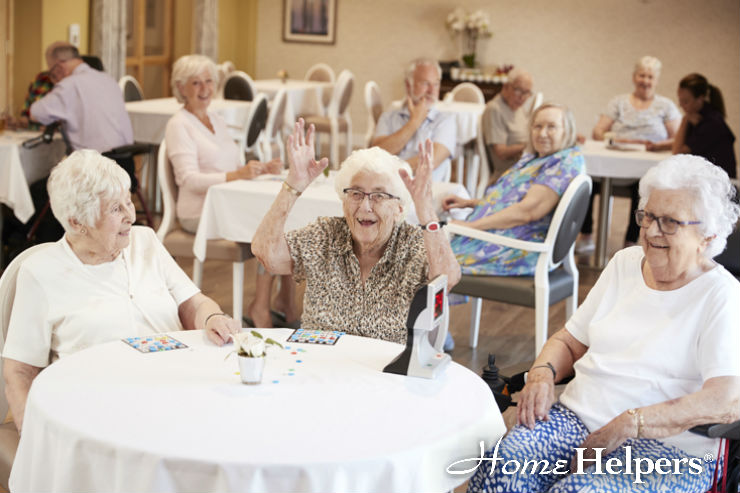
Playing Bingo Has Great Benefits for the Elderly

Did you know that Bingo has been recognized not only as a great pastime for the elderly, but also a great way to sharpen memory and thinking skills? It’s true! There are lots of positive benefits to playing Bingo on a regular basis—let’s look at a few!

Inclusivity
It makes no difference whether you are physically challenged, sitting in a wheelchair, or struggling with dementia. Bingo has a fun way of bringing together family and friends to create the perfect environment of fun where everyone feels welcome! No matter your skill level, you can play and have a lot of fun, even if you’re just beginning.

Improves Physical Health
Bingo is not exactly a game that gives you a cardio workout, but it does bring its own benefits! Research has shown that elderly clients heading into their 80s do much better overall and need far less assistance with everyday tasks such as getting dressed if they had an active social life. Bingo is just one way elderly friends can get together and have some fun, making this research more valid than ever! The study concluded that people with active social interaction with friends remained free of disabilities and challenges about twice as long as those who do not interact with friends.

Provides an Outlet for Social Interaction
Seniors are often susceptible to depression or anxiety. Having a social life that is active is one of the best ways to combat these problems! What better way than Bingo for seniors to hang out with friends, and even make new friends who can continue the friendship outside the Bingo Hall!

Improves Mood
We all need laughter in our lives and seniors are no different! Laughter releases our “feel good” hormones called endorphins, and that is what gives us relief from stress and elevates our mood. Laughing together with friends and family creates an overall feeling of calm and wellbeing, and even can relieve chronic pain! Having a good time is good for what ails you, whether it’s emotional or physical, and seniors are no different!

Promotes Healing
Other studies have shown that seniors who undergo surgical procedures or have been in the hospital will recover faster with shorter hospital stays when they have an active social life playing games like Bingo. This is partly due to the positive power of endorphins as they recover.

Helps Sharpen Cognitive Functions
Playing Bingo makes us think a little bit about the information in front of us. As we try to retain that info, the game of Bingo has done a very important job in helping seniors with cognitive challenges to stay engaged in the game and thinking through their options. It’s a good exercise for the brain to listen for the numbers called out and to try to quickly locate them on the board. Just this simple game can sharpen memory and help seniors think more quickly!

Improves Hand-Eye Coordination
As seniors continue to age, they may notice that reflexes and hand-eye coordination can be decreased. Bingo has a pretty fast pace and keeps the players engaged and focused, looking for the numbers that have been called out. While this is engaging the hand, brain, and eyes, it is also delaying the onset of issues such as dementia or Alzheimer’s Disease.

Who knew Bingo could have so many positive effects on our elderly loved ones? If you want to know more information or are just curious about how Bingo can help the seniors in your life, please contact us today!

Home Helpers of Cherry Hill is a locally-owned, trusted home health care agency and offers quality, compassionate senior in-home care services including home care assistance, personal care, companion care, respite care, 24-hour care and live-in care, Alzheimer’s & dementia care, Parkinson’s care. post-operative home care as well as homemaker services in Audubon, Barrington, Berlin, Berlin Township, Cherry Hill, Clementon, Collingswood, Evesham Township, Gibbsboro, Haddon Heights, Haddon Township, Haddonfield, Hainesport, Lawnside, Lindenwold, Lumberton, Marlton, Medford, Medford Lakes, Merchantville, Oaklyn, Pemberton, Pennsauken, Pine Valley, Tavistock, and Voorhees, New Jersey.

Legal Disclaimer
This blog provides general information and discussions about medicine, health, and related subjects. The words and other content provided in this blog, and in any linked materials, are not intended and should not be construed as medical advice. If the reader or any other person has a medical concern, he or she should consult with an appropriately-licensed physician or other healthcare workers.

Never disregard professional medical advice or delay in seeking it because of something you have read on this blog or in any linked materials. If you think you may have a medical emergency, call your doctor or 911 immediately.

The views expressed on this blog and website have no relation to those of any academic, hospital, practice or other institution with which may have been mentioned or linked to in the article.

Categories

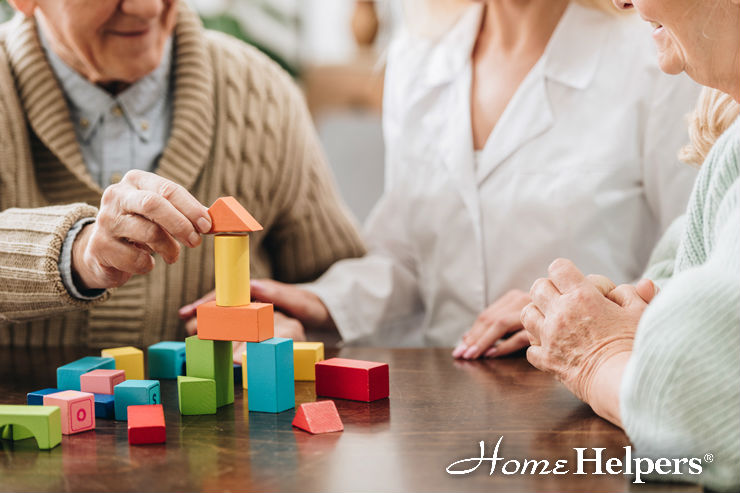
Exercises to Keep Your Mind Active and Memory Sharp

It can be difficult at times to determine the difference between normal memory lapses as we age, and a more serious cognitive decline such as Alzheimer’s or dementia. If you notice your elderly loved one forgetting names, dates, or appointments on a regular basis, it could be cause for concern.

While some memory loss is a common sign of the aging process, it does not necessarily mean dementia is setting in. There are lots of things you can do to keep your loved one stimulated mentally, so their brain function stays sharp as they age. The following ideas are exercises you can do to help improve cognitive function and memory, as well as slowing the effects of conditions like Alzheimer’s and dementia.

These exercises can help improve neuroplasticity, which is a fancy word for how well the brain reacts to changes and adapts to new information and situations. Brain games can be like mental gymnastics and go a long way in preserving good neuroplasticity. The better that is, the faster you’ll be able to recall important information, as well as preserve good memory skills.

There are two types of mental exercises: skill retaining and skill developing. It is important to always be learning new things at any age, in order to keep the brain healthy and functioning well. That falls under the “skill development” category. It is also very important to work on retaining memory by thinking through the skills and abilities that once came easily and talking about them regularly. This would fall under the “skill retaining” category.

Check out the following ideas and exercises you can easily do with your senior loved one as well as yourself, to keep the mind sharp and help prevent memory loss. Remember, the goal is to stay mentally stimulated.

Try your hand at an instrument or a paintbrush

There’s no doubt that one of the best ways to exercise your brain is to pick up a new skill or hobby. Help inspire your elderly loved one to take lessons on something they find interesting, or take lessons in painting, music, cooking, or even knitting. There is a natural sense of accomplishment that comes with learning a new skill, and that alone will keep them motivated to use their brainpower to stay active. Taking a class together is even better! It’s a great way to share time together at the same time you’re keeping the mind stimulated.

Test your recall

Let’s face it—we live in a society where everything we do is digital. No matter what we do, there is an app for everything, so we are not writing things down or making lists the old-fashioned way anymore. One way you can help strengthen memory is to practice recalling the things on your to-do list. Try leaving your shopping list in your purse and recall the things you need to accomplish by memory. Another good way to work on memory is by starting conversations about childhood memories such as pets or homes that the loved one had growing up.

Use your senses

You might not realize it, but the five senses are a critical factor in recalling memories and engaging our minds in the learning process. Engaging in activities with your senior loved ones such as gardening, cooking, or playing music will stimulate the senses as you experience these activities together. Touch, smell, and taste are all wonderful senses to utilize as you talk

Get active

With all the brain workouts, don’t forget the rest of your body needs exercise too! Did you know that staying active helps you feel better, sleep better and have better recall? It’s true! It also goes a long way in stabilizing mood by activating the body’s “happy hormones.” This happens as a result of oxygen to the brain during physical activity. This can also have other benefits such as lowering the risk of diabetes and heart disease. Try going on neighborhood walks or join a free Silver Sneakers class at your local recreation center. If your loved one loves music, get them dancing!

As we have seen, memory loss is a normal part of aging, but it doesn’t have to decrease the quality of life. Trying these ideas will help keep the brain active and increase neuroplasticity, all of which will stave off cognitive decline. For more information on preventing memory loss, contact us today! Our caregivers are compassionate experts in this field.

Home Helpers of Cherry Hill is a locally-owned, trusted home health care agency and offers quality, compassionate senior in-home care services including home care assistance, personal care, companion care, respite care, 24-hour care and live-in care, Alzheimer’s & dementia care, Parkinson’s care. post-operative home care as well as homemaker services in Audubon, Barrington, Berlin, Berlin Township, Cherry Hill, Clementon, Collingswood, Evesham Township, Gibbsboro, Haddon Heights, Haddon Township, Haddonfield, Hainesport, Lawnside, Lindenwold, Lumberton, Marlton, Medford, Medford Lakes, Merchantville, Oaklyn, Pemberton, Pennsauken, Pine Valley, Tavistock, and Voorhees, New Jersey.

Legal Disclaimer
This blog provides general information and discussions about medicine, health, and related subjects. The words and other content provided in this blog, and in any linked materials, are not intended and should not be construed as medical advice. If the reader or any other person has a medical concern, he or she should consult with an appropriately-licensed physician or other healthcare workers.

Never disregard professional medical advice or delay in seeking it because of something you have read on this blog or in any linked materials. If you think you may have a medical emergency, call your doctor or 911 immediately.

The views expressed on this blog and website have no relation to those of any academic, hospital, practice or other institution with which may have been mentioned or linked to in the article.
Categories

Exercises for Improving Balance in Seniors

As seniors grow older, you may notice increasing problems with balance. This increases the risk of falling, which can have terrible consequences. Their bones are more fragile and falling can easily mean a broken hip. The good news? There are many exercises that are simple and easy and can be done right from home with no special equipment! Here are a few exercises that will increase balance and mobility in your senior loved one.

Tightrope Walk

This exercise is a favorite among many seniors and caregivers. It helps get them moving while easily improving balance. It’s best done in a long narrow space such as a hallway. In this way, the senior will the wall to help steady them should they feel like they are going to trip or fall. If there is no hallway to use, simply have another person nearby to spot the senior as they do the exercise
For this exercise, the title says it all. Walking as though the person is on a tightrope, which is heel-to-toe. This is also what police officers use when testing for sobriety. Place the heel of one foot against the toes of the other foot and try to take several steps in that manner. If walking that way is uncomfortable or scary, the senior could just practice standing in that position without walking. Remember that a wall may help steady the movement if needed.

Flamingo Stand

This is one of the simplest exercises to help improve balance. Just like the name suggests, the person just stands on one foot while lifting the other foot off the ground a few inches. The next step is to hold that position for a few seconds and try to increase that time each time the exercise is performed. Again, a wall or chair can be used to help steady the person, and as they grow stronger, they can increase the time standing unaided on one foot.

Leg Raises

This is a simple and easy exercise but has enormous benefits. The person needs only a chair. Simply have them stand behind the chair with their hands gripping the chair, and then raise the legs behind them one at a time about 6 inches off the ground. Repeat this 10-15 times before switching sides. This exercise can also be done lifting the leg to the side rather than behind.

Sit to Stands

Sitting exercises can be a bit more challenging because they are working the core muscles as well as strength in the hamstrings. The idea with this is to have the person seated in a chair with feet flat on the floor at the same width apart as the shoulders. Stand up slowly without moving the torso. Hold the standing position for several seconds and then slowly sit back down in the chair. If balance is particularly difficult, have a chair in front of the senior so they can steady themselves as they stand up. Repeat this motion several times.

For more information on how to improve balance and stamina in seniors, please contact us today!

Home Helpers of Cherry Hill is a locally-owned, trusted home health care agency and offers quality, compassionate senior in-home care services including home care assistance, personal care, companion care, respite care, 24-hour care and live-in care, Alzheimer’s & dementia care, Parkinson’s care. post-operative home care as well as homemaker services in Audubon, Barrington, Berlin, Berlin Township, Cherry Hill, Clementon, Collingswood, Evesham Township, Gibbsboro, Haddon Heights, Haddon Township, Haddonfield, Hainesport, Lawnside, Lindenwold, Lumberton, Marlton, Medford, Medford Lakes, Merchantville, Oaklyn, Pemberton, Pennsauken, Pine Valley, Tavistock, and Voorhees, New Jersey.

Legal Disclaimer
This blog provides general information and discussions about medicine, health, and related subjects. The words and other content provided in this blog, and in any linked materials, are not intended and should not be construed as medical advice. If the reader or any other person has a medical concern, he or she should consult with an appropriately-licensed physician or other healthcare workers.

Never disregard professional medical advice or delay in seeking it because of something you have read on this blog or in any linked materials. If you think you may have a medical emergency, call your doctor or 911 immediately.

The views expressed on this blog and website have no relation to those of any academic, hospital, practice or other institution with which may have been mentioned or linked to in the article.

Categories

Seniors and Insomnia

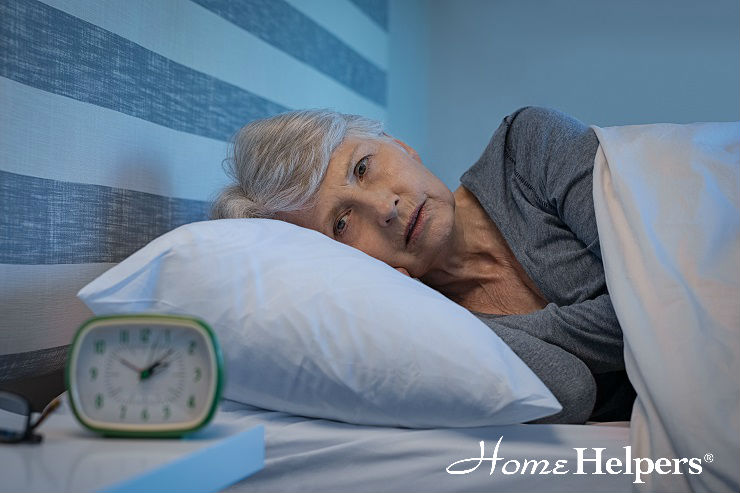
All adults need 7-9 hours of sleep, no matter our age. However, as we age, it’s common to go to bed earlier and rise earlier than you once did. Even if you were a night owl as a younger person, you may tend to shift to more of a morning person.

Older adults often find themselves feeling frustrated when they can’t get to sleep or sleep through the night. It can happen for a variety of reasons, not the least of which could be medications, pain, or even depression.

Not getting proper rest can cause many issues, including:

  • Feeling irritable.
  • Feeling forgetful during the day.
  • Feeling symptoms of depression.
  •  Being more prone to accidents or falls.

Getting a Good Night’s Sleep

It’s a myth that just because you age, you will be constantly tired or fatigued. Here are some ideas to help you get the rest you need so you can live life fully!

  • Go to sleep at the same time each night. It might be challenging, but your body will thank you if you can go to bed and get up at the same time, including travel days and weekends. 
  • Try not to take naps too late in the day. Taking long naps in the afternoon will definitely keep you awake at night.
  • Create a routine for bedtime. Reading, taking a soothing bath, listening to calming music are all ways to prepare your mind and body for nighttime rest. 
  • Avoid having a TV or computer in the bedroom. Your body needs quiet and darkness to sleep deeply. The light and noise from these devices can interrupt your sleep patterns.
  • Keep the thermostat at a cooler temperature that is comfortable at night. 
  • Use soft lamps and cozy lighting at night as you prepare for sleep.
  • Make sure your exercise routine doesn’t take place within 3-4 hours of bedtime.
  • Don’t eat heavy meals at night.
  • Avoid caffeine.
  • Resist the temptation for alcohol—it doesn’t help you sleep any better.

Older Adults Commonly Have Insomnia

For older adults over age 60, insomnia is the most common problem they experience. This means that they may struggle with falling or staying asleep at night. It can often become chronic and can include the following issues:

  • Lying in bed a long time before falling asleep.
  • Waking up frequently.
  • Waking up too early and being unable to drift back to sleep.
  • Waking up feeling tired.
  • Struggling to stay awake during the day.

Sometimes, insomnia just becomes habitual after we struggle with it for any length of time. It can cause anxiety before bedtime, which compounds the problem.

Older adults may want to try over-the-counter sleep aids before talking to their doctor about possible prescription medicines that help insomnia. These medications are good for short-term use, but not generally recommended for extended use.

The biggest way to help reverse insomnia is to develop good, consistent routines at night so your body will know what to expect at the same time each night.

Remember, your bedroom is the only place that should be used for sleeping. If you have laid down in the dark for more than a half-hour without falling asleep, go ahead and get out of bed. Read a book or do a quiet activity until you begin to feel sleepy and try again to go to bed.

If you find that you are struggling with insomnia for weeks on end, it’s time to talk to your doctor. He may recommend a sleep study to find the cause of the problem, such as snoring or being unable to enter REM sleep. Most sleep issues can be addressed successfully.

Use your bedroom only for sleeping. After turning off the light, give yourself about 20 minutes to fall asleep. If you’re still awake and not drowsy, get out of bed. When you feel sleepy, go back to bed.
If you feel tired and unable to do your activities for more than 2 or 3 weeks, you may have a sleep problem. Talk with your doctor about changes you can make to get a better night’s sleep.

For more information on helping seniors fall and stay asleep, please contact us today!

Home Helpers of Cherry Hill is a locally-owned, trusted home health care agency and offers quality, compassionate senior in-home care services including home care assistance, personal care, companion care, respite care, 24-hour care and live-in care, Alzheimer’s & dementia care, Parkinson’s care. post-operative home care as well as homemaker services in Audubon, Barrington, Berlin, Berlin Township, Cherry Hill, Clementon, Collingswood, Evesham Township, Gibbsboro, Haddon Heights, Haddon Township, Haddonfield, Hainesport, Lawnside, Lindenwold, Lumberton, Marlton, Medford, Medford Lakes, Merchantville, Oaklyn, Pemberton, Pennsauken, Pine Valley, Tavistock, and Voorhees, New Jersey.

Legal Disclaimer
This blog provides general information and discussions about medicine, health, and related subjects. The words and other content provided in this blog, and in any linked materials, are not intended and should not be construed as medical advice. If the reader or any other person has a medical concern, he or she should consult with an appropriately-licensed physician or other healthcare workers.

Never disregard professional medical advice or delay in seeking it because of something you have read on this blog or in any linked materials. If you think you may have a medical emergency, call your doctor or 911 immediately.

The views expressed on this blog and website have no relation to those of any academic, hospital, practice or other institution with which may have been mentioned or linked to in the article.

Categories

© Copyright 2026 H. H. Franchising Systems, Inc, All Rights Reserved.