
How to Plan for Aging in Place

“Aging in place” is a term that has become more and more frequent these days. As people age, most prefer to do it in the comfort of their own home and familiar surroundings. Thankfully, most people will be able to do just that if they desire, although it takes a little advanced planning. Here are some tips to plan ahead for aging in place.

Planning Ahead to Stay in Your Home

It’s hard to plan ahead for everything because you never know what will happen as you grow older. The first thing is to establish the type of care you would like to have in a variety of situations. Whether you live alone with no one around to help you currently, or perhaps with a family member who is currently receiving care, it’s good to think through your own wishes.

A great way to start planning is to think about some of the more common illnesses that tend to befell seniors. You may even already be suffering from some of these diseases, like diabetes or cardiac disease, etc. You should have an honest discussion with your doctor about the progression of these illnesses and what you should expect long-term.

What Support Can Help Me Stay at Home?

What will you need to age in place and remain in your home? There are several agencies that can provide support, medical help and all types of caregiving services, although it does come with a cost. These costs can be managed well if you plan ahead.

Personal care. Perhaps you are just needing a little help with your personal care routine like washing hair, bathing or dressing. Care at this level could be provided by a trusted friend or family member, or even a home health aide who can come just for the times you need them and then leave you to get on with your day.

Household chores. We live in an age where everything can be delivered right to your front door. This includes groceries, prescription medications, and even services like housecleaning. If you are not savvy enough to order your groceries online and have them delivered, most stores will allow you to call in your order and either have it picked up at the store or delivered to your home. The best part about the pick-up? You don’t even have to get out of your car! They will bring it out to you.

You may also want to think about help with things like yard work, laundry, errands, or handyman projects around the house.

Planning for Meals. It’s more important than ever to make sure you are getting healthy meals with high nutrition. If you cannot make meals on your own, consider meal services like Meals on Wheels, or have someone take you to eat at community health centers, places of worship, etc. a few times per week. This also provides a great social outlet! The cost is usually very low or even free.

Money management. Many of us struggle with handling bills and sifting through insurance forms even when we’re young! This task can be very overwhelming for seniors. If you fall into this category, consider asking family or friends to help manage your paperwork and bill paying. Younger family members will know how to navigate the internet and could even set your bills up for auto-pay, where it is paid automatically at the same time each month.

Be sure to stay smart when dealing with money. Never tell anyone your social security number over the phone. Never give out other personal information like credit card numbers or even driver license numbers. Scammers love preying on seniors because they know many seniors are not aware of these pitfalls. If you aren’t sure what to look for, ask a trusted source for help with reading emails before clicking on any links.

Health Care. If you tend to forget to take medications or other tasks that should be done on a regular basis, consider getting an alarm device that can alert you when it is time to do things that are very important. If you need help after a hospital visit, Medicare may cover the cost of a home health aide. They can help get you on your feet again, as well as set out medications for the week so all you have to do is take them at the correct time. A trusted friend or family member could also accomplish this.

Another smart idea is to always take someone with you to doctor appointments so that someone else is listening to everything the doctor says! It’s always better to have an extra set of ears.

For even more information on aging in place, contact us today! We are here to help.

Home Helpers of Cherry Hill is a locally-owned, trusted home health care agency and offers quality, compassionate senior in-home care services including home care assistance, personal care, companion care, respite care, 24-hour care and live-in care, Alzheimer’s & dementia care, Parkinson’s care. post-operative home care as well as homemaker services in Audubon, Barrington, Berlin, Berlin Township, Cherry Hill, Clementon, Collingswood, Evesham Township, Gibbsboro, Haddon Heights, Haddon Township, Haddonfield, Hainesport, Lawnside, Lindenwold, Lumberton, Marlton, Medford, Medford Lakes, Merchantville, Oaklyn, Pemberton, Pennsauken, Pine Valley, Tavistock, and Voorhees, New Jersey.

Legal Disclaimer
This blog provides general information and discussions about medicine, health, and related subjects. The words and other content provided in this blog, and in any linked materials, are not intended and should not be construed as medical advice. If the reader or any other person has a medical concern, he or she should consult with an appropriately-licensed physician or other healthcare workers.

Never disregard professional medical advice or delay in seeking it because of something you have read on this blog or in any linked materials. If you think you may have a medical emergency, call your doctor or 911 immediately.

The views expressed on this blog and website have no relation to those of any academic, hospital, practice or other institution with which may have been mentioned or linked to in the article.

Categories

Common Challenges Caregivers of Dementia Patients Face

If you’ve ever been a caretaker for a senior family member, you already know how difficult it can be. The toll it can take emotionally and physically can be daunting if you aren’t prepared. Let’s look at some of the most common issues associated with being a full-time caregiver and what you can do about it. Remember, knowledge equals power!

Common Challenges Caregivers Face

1. Objective and Subjective Burden
The amount of time spent caregiving, along with the demands it places on you, both emotionally and physically, is what is referred to as the objective burden.

How the caregiver perceives this burden is what is known as the subjective burden. Understanding these two terms can help u determine the amount of assistance needed.

2. Psychological Morbidity
This term sounds rather alarming, but it just refers to the impact on mental health that can often affect full-time caregivers. While dementia is difficult for the patient, it can also cause depression and anxiety in the caregiver as well.

3. Social Isolation
It can be absolutely all-consuming to take on the task of caregiving for a senior adult with dementia or Alzheimer’s. Having a social life is difficult, to say the least, especially when half of all waking hours are spent in the role of caregiving. Neglecting to resolve this issue can cause the psychological morbidity mentioned above.

4. Physical Morbidity
There are a host of health issues commonly experienced in caregivers. These issues are most often directly related to stress and can include cardiovascular disease, diabetes, insomnia, and stomach ulcers.

5. Financial Difficulties
You might be surprised to learn how many families end up paying for long-term care out of their own pockets. This makes caregivers twice as likely to have excessive financial strain and emotional stress.

The Toll on Care Recipients

Dementia is a progressive disease and therefore can cause continued difficulties such as communicating and mobility. Because the disease does not get better, it is crucial for caregivers to learn which behaviors they are likely to face and how to cope.

6. Wandering
This is very common in dementia patients and should be expected and planned for. There can be many causes for the urge to wander off, but most likely are due to things like looking for a lost item, avoiding something stressful in their environment, and even thinking they are going to work.

7. Incontinence
Incontinence can happen later in dementia as the patient forgets what the urge to empty the bladder feels like. They may also forget how to find the restroom or lose the inability to remove clothing in time to not soil themselves.

8. Agitation
Agitation is quite common with dementia. As the brain loses the ability to problem solve and process new information, anxiety and stress can result.

9. Repetitive Talking
Memory decline causes the brain to get “stuck” when it comes to making new memories. This causes the patient to tell the same stories over and over and use the same terms in the current conversation.

Learning to Cope
If you are a caregiver, it is crucial that you learn what to expect and the coping skills needed as the disease progresses. There are many resources available to help support you in your role, so take advantage of them so that you stay as healthy as possible yourself! Remember, no one can do it alone, and we are here to help, contact us today!

Home Helpers of Cherry Hill is a locally-owned, trusted home health care agency and offers quality, compassionate senior in-home care services including home care assistance, personal care, companion care, respite care, 24-hour care and live-in care, Alzheimer’s & dementia care, Parkinson’s care. post-operative home care as well as homemaker services in Audubon, Barrington, Berlin, Berlin Township, Cherry Hill, Clementon, Collingswood, Evesham Township, Gibbsboro, Haddon Heights, Haddon Township, Haddonfield, Hainesport, Lawnside, Lindenwold, Lumberton, Marlton, Medford, Medford Lakes, Merchantville, Oaklyn, Pemberton, Pennsauken, Pine Valley, Tavistock, and Voorhees, New Jersey.

Legal Disclaimer
This blog provides general information and discussions about medicine, health, and related subjects. The words and other content provided in this blog, and in any linked materials, are not intended and should not be construed as medical advice. If the reader or any other person has a medical concern, he or she should consult with an appropriately-licensed physician or other healthcare workers.

Never disregard professional medical advice or delay in seeking it because of something you have read on this blog or in any linked materials. If you think you may have a medical emergency, call your doctor or 911 immediately.

The views expressed on this blog and website have no relation to those of any academic, hospital, practice or other institution with which may have been mentioned or linked to in the article.
Categories

Helping Seniors Have Healthy Skin

Aging takes its toll on all of us and is especially noticeable on our skin. As we age, our skin becomes thinner, less elastic and transparent, making bones and veins more visible. If you’ve had years of sun exposure, the aging process on your skin will be even more pronounced.

Seniors often deal with skin problems as a result of aging. Here are just a few of the things to watch out for:

Dry Skin

Older adults will often have dry skin, causing itchiness and redness. This most often happens on elbows, knees, lower legs and arms. Some of the things that exacerbate dry skin include:

  • Dehydration
  • Breathing air that is too dry
  • Prolonged sun exposure
  • Stress
  • Certain health conditions, such as kidney disease or diabetes.

Medications can also cause itchy dry skin. Because seniors already have thinning skin, scratching will often cause bleeding and that can lead to infection. So, how do you help prevent and treat dry skin in your older adult?

  • Use a very good moisturizer or lotion daily, as often as needed.
  • Take fewer baths or showers, as the water will dry skin out. Use mild soap when showers are taking place, and do not put additives in bath water.
  • Use a dehumidifier in sleeping areas

Bruising

Seniors bruise easily—far easier than younger adults. The healing process also takes a bit longer. If you notice bruising and don’t know how it got there, talk to a doctor to get to the bottom of it.

Wrinkles

We all get wrinkles as we age! But, the environment can play a big part. Sun exposure causes excess and premature wrinkling. Things like smoking and gravity also contribute to wrinkles.

There are lots of products and claims on how to get rid of wrinkles, but very few actually work. Some are even unsafe. If you choose to have any treatment for wrinkles, always go through a dermatologist who is experienced!

Skin Tags and Age Spots

Once referred to as “liver spots,” age spots are brown, flat marks on top of the skin. They are similar to freckles but much larger. Using a heavy-duty sunscreen can help reduce age spots later in life.

Skin tags are similar, but they are tiny pieces of skin that are raised. They are commonly found in women on the neck, folds of the body, eyelids, armpits, groin area and chest. They are usually harmless, but if they become bothersome, a doctor can remove them.

Skin Cancer

Skin cancer is one of the leading cancers in the US today. Contrary to popular belief, tanning beds can also cause skin cancer. People who are most susceptible to skin cancer are those with fair skin and freckles. If you burn easily, preventing skin cancer should be taken very seriously.

Skin cancer can happen to anyone of any color or any part of the body, although it is most often discovered on areas of the body that have been exposed to the sun.

For more information on seniors and skin care, please contact us today!

Home Helpers of Cherry Hill is a locally-owned, trusted home health care agency and offers quality, compassionate senior in-home care services including home care assistance, personal care, companion care, respite care, 24-hour care and live-in care, Alzheimer’s & dementia care, Parkinson’s care. post-operative home care as well as homemaker services in Audubon, Barrington, Berlin, Berlin Township, Cherry Hill, Clementon, Collingswood, Evesham Township, Gibbsboro, Haddon Heights, Haddon Township, Haddonfield, Hainesport, Lawnside, Lindenwold, Lumberton, Marlton, Medford, Medford Lakes, Merchantville, Oaklyn, Pemberton, Pennsauken, Pine Valley, Tavistock, and Voorhees, New Jersey.

Legal Disclaimer
This blog provides general information and discussions about medicine, health, and related subjects. The words and other content provided in this blog, and in any linked materials, are not intended and should not be construed as medical advice. If the reader or any other person has a medical concern, he or she should consult with an appropriately-licensed physician or other healthcare workers.

Never disregard professional medical advice or delay in seeking it because of something you have read on this blog or in any linked materials. If you think you may have a medical emergency, call your doctor or 911 immediately.

The views expressed on this blog and website have no relation to those of any academic, hospital, practice or other institution with which may have been mentioned or linked to in the article.
Categories

Healthy Food for Thought: How Nutrition Affects Seniors

Never has there been a time when we are more conscious about what we eat, our overall health, and how food affects us. There is no question that aging can be significantly impacted by the foods we eat, and as older adults approach their senior years, it will become clear that food choices will impact BMI (body mass index) and the measurement of the waist. Both things can put as at risk for many diseases when not kept at healthy levels.

To get answers to how food choices impact waist circumference and BMI, a group of participants were grouped into certain categories: 

  • “Meat and Potatoes” eaters.
  • “White Bread” eaters, which would include things like regular bread, rolls, rice, and other starchy carbohydrates.
  • “Healthy” eaters, which includes eating bread that is whole-grain, beans and legumes, high-fiber cereals, low-fat dairy, and fruit and veggies, and very little processed meat or soda.

The people who ate mostly meat and potatoes had the greatest increase in BMI, while those who ate a lot of white bread and starches had a greater increase in waist size. Those who were in the “healthy eating” category clearly showed the most stable blood sugar, along with very little gain in waist circumference and BMI.

One of the greatest factors in these weight and body mass index changes is the glycemic index, which is your blood sugar. It can also be called the glycemic load. Foods that have low glycemic values are proven to decrease hunger without spiking blood sugar. This is ALWAYS a healthier option! The foods that do cause an unhealthy rise in blood sugar would be starches, bread, high-sugar fruits, and drinks like soda and tea which can be loaded with sugar. Even if you aren’t eating a lot of sugar, you should know which foods turn to sugar once ingested. This will have a huge impact on stable weight and decrease your risk for diseases like diabetes. Of course, all these rules apply to seniors as well.

Perhaps the greatest focus of the research for aging adults is the connection between vitamin deficiency and other micro-nutrients. Seniors are at greater risk for cognitive decline, memory loss, and conditions such as Alzheimer’s and dementia if they are not getting the proper nutrients in adequate amounts. The only way to correct this is with a healthy balanced diet, and possibly supplements to help out along the way.

Low carotenoid concentration is a problem in a diet that is not rich enough in fruits and vegetables. This problem can lead to the decline of skeletal muscle system in seniors. Physical function, particularly in older females, can be seriously decreased when there is a deficiency in vitamin E. Likewise, seniors who were known to have a deficiency in vitamin D were compared with seniors who did not have that problem, and were found to have poor physical performance. In women, it was associated with back pain.

The bottom-line message here is that no matter how old we are, we should be striving to get as much of our nutrition from healthy foods as possible. This becomes even more important for aging adults so that their organs and body systems are running at peak performance. So, food isn’t just about weight, it’s about overall health. There is no question that a diet of unhealthy foods over time will shorten the lifespan of seniors and cause heart disease and diabetes.

For more information on keeping seniors healthy with a balanced approach to nutrition, talk to their physician and contact us today! It’s never too late to eat well.

Home Helpers of Cherry Hill is a locally-owned, trusted home health care agency and offers quality, compassionate senior in-home care services including home care assistance, personal care, companion care, respite care, 24-hour care and live-in care, Alzheimer’s & dementia care, Parkinson’s care. post-operative home care as well as homemaker services in Audubon, Barrington, Berlin, Berlin Township, Cherry Hill, Clementon, Collingswood, Evesham Township, Gibbsboro, Haddon Heights, Haddon Township, Haddonfield, Hainesport, Lawnside, Lindenwold, Lumberton, Marlton, Medford, Medford Lakes, Merchantville, Oaklyn, Pemberton, Pennsauken, Pine Valley, Tavistock, and Voorhees, New Jersey.

Legal Disclaimer
This blog provides general information and discussions about medicine, health, and related subjects. The words and other content provided in this blog, and in any linked materials, are not intended and should not be construed as medical advice. If the reader or any other person has a medical concern, he or she should consult with an appropriately-licensed physician or other healthcare workers.

Never disregard professional medical advice or delay in seeking it because of something you have read on this blog or in any linked materials. If you think you may have a medical emergency, call your doctor or 911 immediately.

The views expressed on this blog and website have no relation to those of any academic, hospital, practice or other institution with which may have been mentioned or linked to in the article.
Categories

How Dance Can Improve the Lives of Seniors

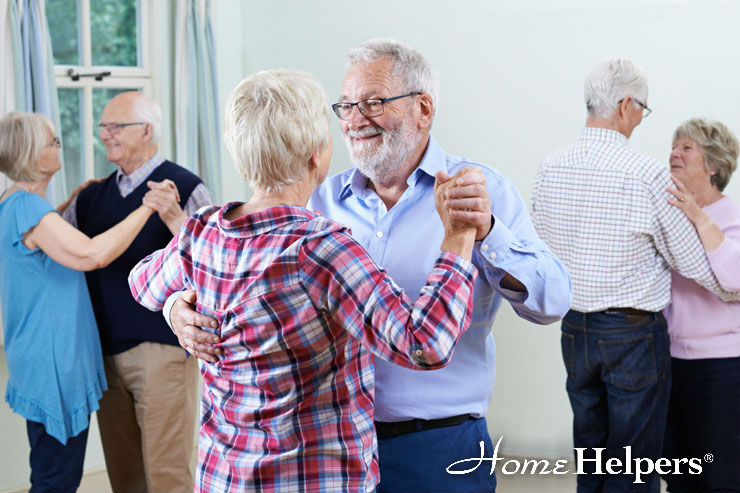
Did you know that seniors can actually overcome many challenges of aging simply by dancing? It’s true! While we might not think of dance as something elderly people like to do, you might be surprised if you just ask them! As a caregiver for seniors, there are many ways you can incorporate dance into their lifestyle. They may enjoy signing up for a dance class tailored especially for seniors, or perhaps they could use a video to get up and dance like nobody’s watching! Even still, you could hire a private dance instructor to come to the home and help them have some fun! Beyond the great physical benefits, here are some ways that dance can improve the quality of life for your older adult!

1. Cognitive Function
In order to dance, fine motor skills need to be in operation. Coordinating the movement to music is an excellent way to keep their mind sharp! Memory is also improved as they learn and remember different choreography.

Studies have shown us that dementia and Alzheimer’s can be slowed down or even prevented when caregivers dance with their senior clients or family members!

2. Improves Balance
Dancing causes several senses to be engaged at one time. Body movements like spinning or footwork allow the senior to improve his balance and coordination due to the muscle memory that dancing provides. This, in turn, allows them to be far more steady on their feet during the other parts of daily life, such as dressing and bathing. This improved balance most certainly helps to reduce the risk of falls!

3. Circulatory Stimulation
Any form of aerobic exercise gets the heart rate and blood flow going, and dance is no exception! Dancing allows for mild cardio exercise without all the strenuous movements that can normally be found in exercise routines. All this circulation provides blood flow to the brain, which sharpens memory and mood, as well as relieves achy or stiff joints and muscles. Another wonderful part of dancing is that the senior adult can do it alone or with others. This means they can take breaks and go at their own pace.

4. Helps Reduce Loneliness and Depression
Because dance is a form of self-expression, it allows seniors to stay tuned in and connected with their own body, which improves self-esteem and confidence. It’s a proven fact that music has an enormous effect on our spirits and can be a wonderful mood lifter. As seniors dance to their favorite music, loneliness and depression can greatly be reduced. They may enjoy sharing memories of dancing during their younger years. If the music is positive and uplifting, these memories can be a source of happiness, rather than sadness.

If the senior is able to enjoy dancing with other people in a dance class, this can be a huge way to make new friends and combat loneliness. Perhaps they could work up to preparing for a performance with other people in a class, giving them a sense of purpose and fulfillment as they participate in their community activities.

For more information on how dance can improve the lives of seniors, please contact us today!

Home Helpers of Cherry Hill is a locally-owned, trusted home health care agency and offers quality, compassionate senior in-home care services including home care assistance, personal care, companion care, respite care, 24-hour care and live-in care, Alzheimer’s & dementia care, Parkinson’s care. post-operative home care as well as homemaker services in Audubon, Barrington, Berlin, Berlin Township, Cherry Hill, Clementon, Collingswood, Evesham Township, Gibbsboro, Haddon Heights, Haddon Township, Haddonfield, Hainesport, Lawnside, Lindenwold, Lumberton, Marlton, Medford, Medford Lakes, Merchantville, Oaklyn, Pemberton, Pennsauken, Pine Valley, Tavistock, and Voorhees, New Jersey.

Legal Disclaimer
This blog provides general information and discussions about medicine, health, and related subjects. The words and other content provided in this blog, and in any linked materials, are not intended and should not be construed as medical advice. If the reader or any other person has a medical concern, he or she should consult with an appropriately-licensed physician or other healthcare workers.

Never disregard professional medical advice or delay in seeking it because of something you have read on this blog or in any linked materials. If you think you may have a medical emergency, call your doctor or 911 immediately.

The views expressed on this blog and website have no relation to those of any academic, hospital, practice or other institution with which may have been mentioned or linked to in the article.

Categories

Dealing with Anxiety in Seniors

We all get a little anxious at times. That just comes with being human! But what about senior adults? Do they deal with more anxiety than usual? How do you help them work through their anxiety? Read on.

What Is Anxiety?

True anxiety disorders can be very debilitating. There’s quite a big difference between getting nervous about something vs. being unable to do normal tasks. 
For seniors, anxiety can worsen as they age or realize how challenging it can be to do normal everyday activities. If they are afraid to leave the house, be in social settings or have extreme reactions of fear about minor things, then it is very possible they are suffering from anxiety that needs to be treated.

What are the Symptoms of Anxiety in the Elderly?

Anxiety has several sub-categories. Each type of anxiety could manifest itself in different ways, with individual symptoms. Here are a few types of anxiety you should know about:

Phobia: Phobias are extreme reactions that seem irrational to someone who isn’t dealing with anxiety. It causes debilitating fear of doing things, leaving the house, driving, etc. It can also cause sudden fears of things like thunderstorms or loud noise.

Panic Disorder: Panic disorders can cause extreme fear or feelings of terror that come on incredibly quickly. Symptoms of a panic attack are wide but include shortness of breath, chest pain, dizziness, or being afraid of death.

Generalized Anxiety Disorder: This type of anxiety is more long-lasting and causes your senior loved one to have a very negative outlook on life. They often become pessimistic and become convinced that the worst-case scenario is about to happen, with no reasoning behind it. They basically stress themselves out fearing small everyday tasks. Symptoms can include muscle tension, extreme worry about small things, headaches and insomnia.

PTSD: Anyone can get PTSD, but for seniors, it can be even worse. Perhaps they served in a war that causes them to have flashbacks or suffer from nightmares. Traumatic events cause PTSD but can be successfully treated with the right therapeutic approach. It’s common to have depression or startle easily.

Will Anxiety Get Worse with Age?

Anxiety can be lessened with age, but that really depends on the person. Seniors may develop anxiety due to their fear of things like losing a spouse, paying for long-term care, being worried about their health or becoming a burden to family members.

Treatment for Anxiety in Seniors

Anxiety is very treatable. It can have a huge impact on quality of life and should be handled right away. In seniors, it can increase their risk of death if it is not treated. Treatment will most likely involve psychotherapy before trying medications. There are many medicines for anxiety, but their side effects can be problematic in seniors, so they are used as a lasts resort in most cases.

If you have noticed symptoms of anxiety in the senior adult in your life, please contact us today! We’re here to help!

Home Helpers of Cherry Hill is a locally-owned, trusted home health care agency and offers quality, compassionate senior in-home care services including home care assistance, personal care, companion care, respite care, 24-hour care and live-in care, Alzheimer’s & dementia care, Parkinson’s care, post-operative home care as well as homemaker services in Audubon, Barrington, Berlin, Berlin Township, Cherry Hill, Clementon, Collingswood, Evesham Township, Gibbsboro, Haddon Heights, Haddon Township, Haddonfield, Hainesport, Lawnside, Lindenwold, Lumberton, Marlton, Medford, Medford Lakes, Merchantville, Oaklyn, Pemberton, Pennsauken, Pine Valley, Tavistock, and Voorhees, New Jersey.

Legal Disclaimer
This blog provides general information and discussions about medicine, health, and related subjects. The words and other content provided in this blog, and in any linked materials, are not intended and should not be construed as medical advice. If the reader or any other person has a medical concern, he or she should consult with an appropriately-licensed physician or other healthcare workers.

Never disregard professional medical advice or delay in seeking it because of something you have read on this blog or in any linked materials. If you think you may have a medical emergency, call your doctor or 911 immediately.

The views expressed on this blog and website have no relation to those of any academic, hospital, practice or other institution with which may have been mentioned or linked to in the article.

Categories

© Copyright 2026 H. H. Franchising Systems, Inc, All Rights Reserved.