BE FAST When Stroke is Suspected to Hasten Successful Outcomes

On the cusp of her 50th birthday, a woman awakened overnight, entered the master bathroom, and suddenly lost her balance, knocking everything off the vanity. Her husband rushed into the room to find his wife on the floor.

After a speedy assessment, he helped her to his vehicle and rushed her to the emergency room at a nearby hospital. She had suffered a stroke and required specialized care at a better-equipped facility in Canton.

Thanks to her husband’s FAST action, she survived the stroke. More than two years later, the woman still suffers from fatigue and weakness in her right leg, but she has witnessed the marriage of her oldest son, and she is currently preparing for the upcoming college graduation and wedding of her youngest son.

May is National Stroke Awareness Month, making it the perfect time to review more about strokes and what you should do in the event someone you love is impacted by a stroke.

A stroke is a disease that affects the blood vessels that lead to the brain and those that are contained within the brain. A stroke occurs when the arteries and blood vessels that carry oxygen to the brain become blocked due to a clot or rupture. When a stroke occurs, the area of the brain that is affected does not receive the oxygen it needs, causing the death of brain cells.

Strokes are notorious for striking without warning, so be aware of the signs and symptoms so you can BE FAST when stroke is suspected to hasten successful outcomes.

Signs and symptoms of stroke include:

  • Numbness (on one side of the body, or both)
  • Confusion (noticeable when communicating with them)
  • Trouble seeing (one or both eyes)
  • Trouble walking (loss of balance and/or coordination)
  • Severe Headache (with no known cause)

The BE FAST acronym is an easy way to detect the warning signs as defined by the American Stroke Association. If you notice any of these, please BE FAST to minimize the loss of brain cells and more serious complications of stroke.

  • B is for Balance – Has the person lost their balance?
  • E is for Eye – Has the person lost vision in one or both eyes?
  • F is for Face – Does the person’s face appear uneven or droopy?
  • A is for Arm – Is one arm drooping?
  • S is for Speech – Is the person’s speech slurred or are they having trouble speaking?
  • T is for Time TIME TO CALL 911!

Never hesitate to call 911 if you notice any of these signs of stroke. BE FAST!!

In Stark County, there are two hospitals certified in stroke care by the Joint Commission:

Aultman Hospital –2600 Sixth Street SW, Canton, OH 44710

Cleveland Clinic – Mercy Medical Center – 1320 Mercy Drive, Canton, OH 44708

In Summit County, there are two hospitals certified in stroke care by the Joint Commission:

Cleveland Clinic: Akron General Medical Center – 1 Akron General Avenue, Akron, OH 44307

Summa Health System: Akron City Campus – 141 N Forge Street, Akron, OH 44304

Additionally, there is onehospital in Summit County certified in stroke care by the Healthcare Facilities Accreditation Program:

Western Reserve Hospital – 1900 23rd Street, Cuyahoga Falls, OH 44223

Please remember that the compassionate caregivers at Home Helpers are available 24/7/365 to assist you or a loved one who has been impacted by a stroke. Our care team is trained to provide specialized care and support for stroke recovery, along with many other home care services to make life easier.

Damey and I welcome the opportunity to schedule a FREE consultation at your convenience to assess specific needs and determine ways we can help you or your loved one who has suffered a stroke and ensure more peace of mind for your family.

Home Helpers® Canton, OH, is Veteran-owned and operated. We are honored to have received the Home Care Pulse – Best of Home Care® Provider of Choice Award, the Shooting Star Award (2011), and multiple Platinum awards for the superior level of care we provide. We are Certified Senior Advisors and members of the Home Care Association of America, Alzheimer’s Association, International Franchise Association, and we were ranked in the Top 500 Franchises by Entrepreneur Magazine in 2019.

Home Helpers® Canton proudly serves male and female seniors in Stark County, Portage County, and portions of Summit County, including the communities of Akron, Alliance, Canton, East Sparta, Hartville, Jackson, Massillon, Navarre, North Canton, Randolph, and surrounding areas. 330.892.9329

Sources:
American Stroke Association

Summa Health System

Parkinson’s Disease is Progressive and Perplexing

Parkinson’s disease looks different for each individual diagnosed. From the onset through the various stages, aging adults with PD experience specific symptoms and cognitive decline over the course of months and years.

One of our clients at Home Helpers was diagnosed with Parkinson’s disease in 2018. He was able to maintain his weekly routines, which included exercise with his personal trainer, AA meetings, business management, and his grandchildren’s sporting events until late last summer when compression fractures in his back that were caused by falling prevented him from doing so.

Since that time, his condition has progressed, and he has declined in such a way that his friends and family find him relatively unrecognizable in comparison to his former active, astute and articulate self.

April is Parkinson’s Disease Awareness Month, so Damey and I have chosen to share more information about this progressive and perplexing disorder.

“Parkinson’s disease (PD) is the 2nd most common neurodegenerative disorder in the United States after Alzheimer’s disease,” according to the Ohio Department of Health. “A neurodegenerative disorder is a type of disease in which cells of the central nervous system stop working or die. PD is a type of movement disorder that happens when nerve cells in the brain do not produce enough dopamine. The precise cause of PD is unknown, but some cases are hereditary while others are thought to occur from a combination of genetics and environmental factors.”

In Ohio, there are an estimated 30,000 aging adults living with PD, and that exceeds the number of cases of multiple sclerosis, muscular dystrophy, and Lou Gehrig’s disease combined. Based on a national study by the Parkinson’s Foundation, nearly 90,000 people in the U.S. are diagnosed with PD each year.

Ohio State University Wexler Medical Center identifies the most common symptoms of PD as:

  • Tremors
  • Involuntary twisting in the torso, arms, legs, or face, also known as dyskinesia
  • Rigidity or stiffness in the neck, arms, or legs
  • Slowness of movement, also known as bradykinesia
  • Poor balance and coordination

Every case of PD is different and presents differently. Other symptoms of PD may include:

  • Trouble chewing or swallowing
  • Weakening of the voice with an inability to increase volume or reflect emotion
  • Cognitive changes like difficulty thinking, finding words, and decision-making
  • Depression and anxiety
  • A loss of smell or reduced sensitivity to odors
  • Vision problems
  • Fatigue
  • Lightheadedness
  • Hallucinations and/or delusions
  • Changes in sex drive or impotency
  • Sleep problems – difficulty falling or staying asleep and having vivid dreams
  • Excessive sweating, drooling
  • Urinary issues with frequency, urgency, or problems emptying the bladder
  • Constipation

Unfortunately, there is currently no cure for PD. However, treatment protocols are available that may slow the progression of the disease and help some of the symptoms related to each individual’s case. Medications are typically the first line of treatment.

Medications generally include:

  • Levodopa: A cornerstone medication that helps replenish dopamine, a neurotransmitter deficient in Parkinson’s, improving motor function.
  • Dopamine Agonists: Stimulate dopamine receptors, offering an alternative or adjunct to levodopa, especially in the early stages. 
  • MAO-B Inhibitors: Help break down dopamine, extending its effects and reducing symptoms. 
  • Amantadine: Can help manage dyskinesia (uncontrolled movements) that can occur with long-term levodopa use.
  • Catechol-O-Methyltransferase (COMT) Inhibitors: Help to extend the effects of levodopa. 

Recommended therapies include:

  • Physical Therapy: Improves gait, balance, and mobility.
  • Occupational Therapy: Helps maintain fine motor skills and independence in daily activities.
  • Speech Therapy: Addresses speech and swallowing difficulties.
  • Exercise: Regular physical activity can improve symptoms and potentially slow disease progression. 

Surgical interventions include:

  • Deep Brain Stimulation (DBS): Involves implanting electrodes in the brain to regulate brain activity and reduce motor symptoms. 

Additional considerations include:

  • Lifestyle Changes: A healthy diet and staying active can contribute to overall well-being. 
  • Support Groups: Connecting with others who have Parkinson’s can provide valuable support and information. 
  • Interdisciplinary Care: A team of specialists (neurologists, therapists, etc.) can provide comprehensive care.
  • Experimental Treatments: Research into stem cell transplants, gene therapies, and other approaches is ongoing. 

Ohio State’s Center for Parkinson’s Disease and Related Movement Disorders gives you access to the latest treatments and resources to help you achieve your best possible quality of life. This includes medical care, advanced surgery, education, rehabilitation, and social services.”

The compassionate and skillfully trained caregivers at Home Helpers provide Parkinson’s care services, such as safe transportation assistance to and from activities, support group meetings and doctor appointments, healthy meal planning and preparation, personal hygiene, light housekeeping, 24-hour care, and respite for family caregivers.

Damey and I welcome the opportunity to schedule a FREE consultation at your convenience to assess how Home Helpers can help make life easier for you or a loved one with PD.

Home Helpers® Canton, OH, is Veteran-owned and operated. We are honored to have received the Home Care Pulse – Best of Home Care® Provider of Choice Award, the Shooting Star Award (2011), and multiple Platinum awards for the exceptional care we provide. We are Certified Senior Advisors and members of the Home Care Association of America, Alzheimer’s Association, and the International Franchise Association. In addition, we were ranked in the Top 500 Franchises by Entrepreneur Magazine in 2019.

Home Helpers® Canton proudly serves male and female seniors and Veterans in Stark County, Portage County, and portions of Summit County including the communities of Akron, Alliance, Aurora, Brimfield, Canton, East Sparta, Hartville, Jackson, Louisville, Massillon, Minerva, Navarre, North Canton, Randolph, and surrounding areas. 330.892.9329

Sources:

Ohio Department of Health

Ohio State University Wexler Medical Center

Proper Nutrition for Seniors Requires Healthy Choices

One of the most common characteristics among seniors is a lack of appetite. Aging adults sustain metabolic and sensory changes that impact digestion and taste, making eating seem more like a chore than a satisfying dining experience.

The caregivers at Home Helpers routinely express their concerns when the seniors they assist don’t eat well or make unhealthy food selections. Proper nutrition for seniors requires health choices, which is why Damey and I want to share nutritious dietary recommendations from the Ohio Department of Aging (ODA) with advice from the Cleveland Clinic during National Nutrition Month.

Choose Healthy Fats

Dietary fat is an essential nutrient for your body because it provides energy and helps your body and brain function. Fat can help your body absorb certain nutrients, make important hormones, protect your organs, and keep your body warm.

Bad fats should be limited to less than 10% of caloric intake each day or avoided completely. Bad fats include:

  • Saturated Fats
  • Trans Fats (avoid)

Good fats should make up 20-35% of the food eaten each day, or approximately 44-77 grams/day. Good fats include:

  • Monounsaturated Fats
    • Avocado
    • Oil-based salad dressing
    • Peanut butter
    • Nuts (almonds, hazelnuts, peanuts)
    • Olives
    • Seeds (pumpkin, sesame)
    • Vegetable oils (canola, olive, peanut)
  • Polyunsaturated Fats
    • Fish (herring, salmon, trout, tuna)
    • Oil-based salad dressing
    • Nuts (pine nuts, walnuts)
    • Seeds (flax, pumpkin, sunflower)
    • Vegetable oils (corn, soybean, sunflower)

Please be aware that vegetable oils (corn, soybean, sunflower) are high in omega-6 fatty acids, which are essential but can cause inflammation if consumed in excess, especially when highly processed or used for frying. Consider using cold-pressed, unrefined versions and balance them with omega-3-rich foods like fish, walnuts, and flaxseeds, says the.

For a healthier fat intake, focus on whole food sources (seeds and nuts) and choose extra virgin olive oil or avocado oil over refined vegetable oils when cooking.

Prioritize Proteins

“People need protein to build bones, muscles, and skin and keep them strong. Protein helps your body recover and heal from injuries too. It is important to every system of your body. Natural changes with aging may cause a decrease in appetite. You may eat less food than you once did. This can also mean that you are eating lower amounts of protein-rich foods. Aging can also change how your body digests and absorbs food. This can also impact how your body uses the protein that you eat.

“While there are healthy fats, animal-based protein sources can be higher saturated fat. It is important to choose lean sources of protein in your diet. Lean protein food provides your body with a rich source of protein without all the bad fats,” says ODA.

Protein-rich foods include:

  • Seafood
  • Meat
  • Poultry
  • Eggs
  • Beans
  • Peas
  • Lentils
  • Nuts
  • Seeds
  • Soy


The ODA recommends 5-6 ounces of protein daily for men and women age 60+.

Fiber Facts

“Dietary fiber includes parts of plant-based food that your body is unable to break down or absorb, but can still use,” explains the ODA.

There are two types of fiber the body needs:

  • Soluble Fiber
    • Helps to absorb water from food and slows down digestion, which can help you feel fuller longer
    • Controls blood sugar
    • Removes bad fats (cholesterol)
    • Maintains weight
    • May reduce risk for diabetes and heart disease
  • Insoluble Fiber
    • Good for colon health and helps to form the bulk of your stool, making it easier for the body to remove
    • Helps prevent constipation or straining when you have a bowel movement

Fiber-rich foods include:

  • Artichokes
  • Beans
  • Broccoli
  • Brussel Sprouts
  • Carrots
  • Lentils
  • Leafy Greens
  • Avocado
  • Apples
  • Berries
  • Peaches
  • Pears
  • Plums
  • Breads
  • Cereals
  • Oats
  • Pastas

Calcium and Vitamin D

According to the ODA, “Calcium is an important mineral that helps your heart and muscles function. It also supports your nervous system and helps hormones to function in your body. Your body relies on a calcium-rich diet to get all the calcium it needs. If you do not eat enough calcium, your body may begin to pull calcium from your bones. If this happens often, your bones may weaken and can break.”

The best food choices for calcium include:

  • Dairy (milk, cheese, yogurt)
  • Leafy greens
  • Lentils and beans
  • Almonds
  • Fortified foods and beverages

“Vitamin D helps your body absorb calcium. It is important for bone growth. Calcium and Vitamin D work together to help prevent bone loss. They also help to build bones and muscles, which keep you strong, balanced, and independent at home.”

The best food choices for Vitamin D include:

  • Fatty fish (salmon, tuna, trout)
  • Mushrooms
  • Egg Yolk
  • Fortified foods and beverages
  • Vitamin D milk

Sun exposure is also a key source for Vitamin D. “The skin makes Vitamin D from sunlight and can store it in the body for when you need it.”

Choose MyPlate for a Healthy Meal

MyPlate (myplate.gov) provides a visual guide of how many servings of each food group you should eat each day. To ensure you eat plenty of nutrient-rich foods, plan your meals to include a variety of food groups. And try to plan your meals to include a variety of foods,” suggest the ODA.

  • Fruits (2 servings/day)
  • Vegetables (2-3 servings/day)
  • Protein (5-6 ounces/day)
  • Grains (5-9 ounces/day)
  • Dairy (3 servings/day)

Seniors with physical or mental health conditions may experience challenges with grocery shopping, loading and unloading groceries, and planning and preparing nutritious meals. That’s when a compassionate Home Helpers caregiver can be of service to promote nutrition and well-being.

Our talented caregivers routinely provide transportation assistance to the grocery store or go grocery shopping for seniors in need. In addition, the Caregiver Meal Prep service allows them to plan and prepare healthy meals and snacks following necessary dietary requirements and restrictions to make life easier and more delicious.

If nutritious meal planning and preparation or other in-home care services would benefit you or a senior loved one, Damey and I are happy to schedule a FREE consultation at your convenience to assess specific needs and create a personalized care plan.

Home Helpers® Canton, OH, is Veteran-owned and operated. We are honored to have received the Home Care Pulse – Best of Home Care® Provider of Choice Award, the Shooting Star Award (2011), and multiple Platinum awards for the exceptional care we provide. We are Certified Senior Advisors and members of the Home Care Association of America, Alzheimer’s Association, and the International Franchise Association. In addition, we were ranked in the Top 500 Franchises by Entrepreneur Magazine in 2019.

Home Helpers® Canton proudly serves male and female seniors and Veterans in Stark County, Portage County, and portions of Summit County including the communities of Akron, Alliance, Aurora, Brimfield, Canton, East Sparta, Hartville, Jackson, Louisville, Massillon, Minerva, Navarre, North Canton, Randolph, and surrounding areas. 330.892.9329

Sources:

Ohio Department of Aging

Cleveland Clinic

Examining Heart Health in Ohio

Most everyone knows someone who has dealt with a heart condition, be it high blood pressure (hypertension), heart attack, cardiovascular disease (CVD), or stroke. I say this because Damey and I have family and friends with heart issues, and we have consulted with Home Helpers clients, many of whom take medications for or have undergone medical procedures to address cardiovascular health concerns.

February is National Heart Month and American Heart Month making it the perfect time for examining heart health in Ohio. We’ll start with a few statistics from the American Heart Association:

  • Ohio ranks 13th in the nation for deaths from heart disease
  • Ohio has the 13th highest death rate from CVD in the country
  • Heart disease is the #1 killer in Ohio
  • Stroke is the #5 killer in Ohio

The Ohio Department of Health (ODH) says, “Heart Month is the perfect time to start thinking about making a heart-healthy lifestyle change! Especially since heart disease is the leading cause of death in Ohio – affecting people of all ages, genders, ethnicities, and socioeconomic levels. In Ohio, heart disease rates are higher in adults aged 65 and older, people with disabilities, people with low income, veterans, and those living in Appalachia. Heart disease deaths in Ohio are higher in men, Black Ohioans, and those living in Appalachia. Some risks are determined by your genetics or age, but many of the other risk factors are preventable.”

Risk Factors for heart disease and stroke include:

  • High blood pressure
  • High cholesterol
  • Prediabetes or type 2 diabetes
  • Overweight or obesity
  • Tobacco use and vaping
  • Family history of heart disease

ODH explains that you can make strides to prevent heart disease and protect your heart health by:

  • Spending at least 150 minutes each week participating in physical activities that will exercise your heart, like walking or swimming
  • Consuming a diet rich in a variety of vegetables, fruits, whole grains, and lean proteins, while limiting foods that are high in saturated fat, sodium, and added sugars
  • Getting 7-9 hours of sleep each night
  • Quitting smoking, tobacco use, and vaping
  • Limiting alcohol use to no more than one drink per day for women and two drinks per day for men
  • Scheduling regular preventive care visits with your doctor or primary care provider to monitor blood pressure, cholesterol, and blood glucose

Fortunately, Ohio has established the Ohio Cardiovascular and Diabetes Collaborative (Cardi-OH) in which healthcare professionals share best practices to improve cardiovascular and diabetes outcomes to eliminate disparities. Knowing Ohio healthcare providers are collaborating to make strides in positive heart health outcomes for Ohioans is encouraging.

In addition, the ODH has a Live to the Beat campaign with a mission of living a legacy of heart health. “Legacies are built in the choices we make today. Heart disease is largely preventable and starts with one small step. Let’s build a legacy of heart health starting today.”

The Live to the Beat website offers a host of resources about heart-health topics where you can access more information to help you achieve better heart health.

The senior independence, health, and wellness of our clients are what we’re all about at Home Helpers. The mission of our care team is to make life easier and healthier for seniors and Veterans every day.

A compassionate Home Helpers® caregiver can provide transportation assistance to doctor appointments and health screenings; help with personal care; nutritious meal planning and preparation; light housekeeping; and other in-home care services. Damey and I are happy to schedule a FREE consultation at your convenience to assess specific needs and create a personalized care plan for you or someone you love on a heart health journey.

Home Helpers® Canton, OH, is Veteran-owned and operated. We are honored to have received the Home Care Pulse – Best of Home Care® Provider of Choice Award, the Shooting Star Award (2011), and multiple Platinum awards for the exceptional care we provide. We are Certified Senior Advisors and members of the Home Care Association of America, Alzheimer’s Association, and the International Franchise Association. In addition, we were ranked in the Top 500 Franchises by Entrepreneur Magazine in 2019.

Home Helpers® Canton proudly serves male and female seniors and Veterans in Stark County, Portage County, and portions of Summit County including the communities of Akron, Alliance, Aurora, Brimfield, Canton, East Sparta, Hartville, Jackson, Louisville, Massillon, Minerva, Navarre, North Canton, Randolph, and surrounding areas. 330.892.9329

Sources:

American Heart Association

Ohio Department of Health

8 Ways to Improve Bathroom Safety for Seniors

Damey and I, as well as our care team at Home Helpers, have experience helping seniors who have endured nasty falls and injurious accidents in their bathrooms.

According to the Ohio Department of Aging (ODA), “Our bodies change as we age, but often our homes do not. As a result, it can become harder or less safe to do things that used to be easy. For example, almost 80 percent of falls in the home occur in the bathroom, and according to the CDC, more than 200,000 seniors are treated in emergency rooms each year for bathroom-related injuries.”

Since January is Bath Safety Awareness Month, we wanted to share ways that bathrooms can be made safer for seniors and the elderly to prevent slips, falls, and ER visits. The ODA and KABB Law, an elder law and care firm south of Cleveland,  have specific suggestions for creating safer bathroom environments.

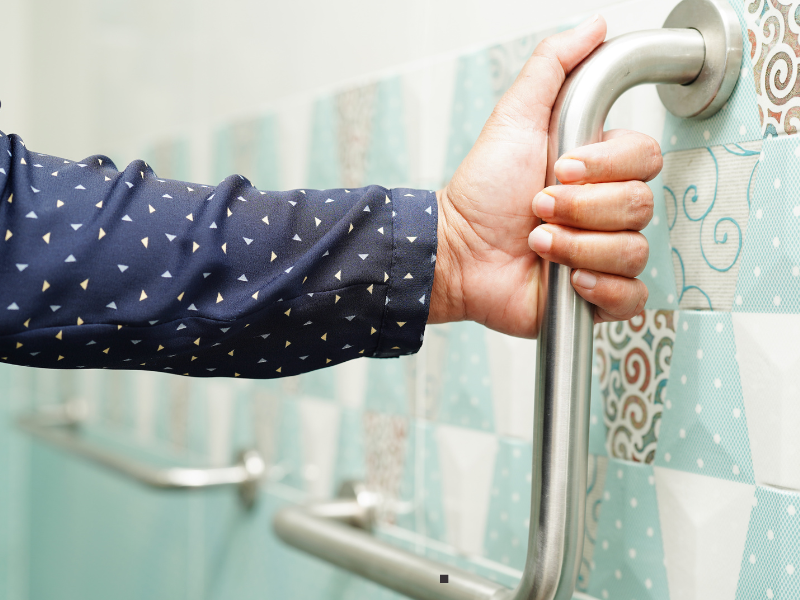
  • Add Grab Bars. Professionally installed, secure grab bars deliver reliable support inside and outside of showers and tubs, as well as next to commodes and sinks. Be careful with suction-style grab bars because they may not provide adequate support.
  • Use Non-Slip Mats and Rugs. Place a non-slip mat or appliques on the floors of showers and tubs to help prevent slipping. Also, non-slip rugs can be placed on the floor outside of the shower or tub to gain proper footing.
  • Change All Faucets to Lever Faucets. Twisting and turning faucet knobs can be challenging for seniors and the elderly. Lever and foot-controlled faucets are available for easier operation.
  • Install Hand-held Sprayers to Shower Heads.  A detachable, hand-held shower head makes bathing easier for seniors because it eliminates the need to stand while showering. Being able to sit and shower means more independence for the elderly.
  • Invest in Good Seats. Invest in a removable shower chair or have a shower chair or transfer bench professionally installed in the shower or tub. Additionally, a raised toilet seat can benefit seniors with ambulation difficulties or arthritic conditions.
  • Consider Curb-less Showers and Walk-in Tubs. If your senior loved one has a hard time lifting their legs, a curb-less shower is a great option. It allows seniors to walk into the shower without lifting their legs and can make the transition from a wheelchair to a shower seat simple and easy for seniors and their caregivers. Walk-in bathtubs are another popular option because they are so much easier to access than traditional tubs, and most have a built-in seat.
  • Organization Helps. To prevent the need to stretch to reach what you need while in the tub or shower, use a bath caddy to keep toiletries nearby at eye or shoulder level. It is also beneficial to keep frequently used items like toothbrushes, lotion, and other toiletries on a convenient shelf at eye level.
  • Keep it Clean. Keep necessary supplies in the bathroom for easy clean-ups. Water, lotion, oil, and powder on floors can all cause nasty slips and falls. Having basic cleaning supplies like a hand broom, mop, sponges, and cleansers close will help with quick and easy clean-ups. Also, remove wet and dry towels from floors so feet don’t get tangled in them, or they become tripping hazards.

Our Home Helpers® Canton, OH, professional caregivers deliver personal care, support, and assistance to seniors daily. If you are concerned about a senior loved one and their bathroom safety, Damey and I are happy to schedule a FREE consultation at your convenience to assess safety concerns, offer specific recommendations for making the home and bathroom environments safer, and determine ways a Home Helpers® caregiver can make life easier and provide you more peace of mind in 2025. 330.892.9329

Home Helpers® Canton, OH, is Veteran-owned and operated. We are honored to have received the Home Care Pulse – Best of Home Care® Provider of Choice Award, the Shooting Star Award (2011), and multiple Platinum awards for the superior level of care we provide. We are Certified Senior Advisors and members of the Home Care Association of America, Alzheimer’s Association, and the International Franchise Association. In addition, we were ranked in the Top 500 Franchises by Entrepreneur Magazine in 2019.

Home Helpers® Canton proudly serves male and female seniors in Stark County, Portage County, and portions of Summit County including the communities of Akron, Alliance, Canton, East Sparta, Hartville, Jackson, Massillon, Navarre, North Canton, Randolph, and surrounding areas.

Source:

Ohio Department of Aging

KABB Law

10 Ways to Keep the Holidays Fun & Festive for Seniors

The holidays can be stressful. There’s the decorating, shopping, wrapping, and event planning to gather family and friends together to celebrate with gifts, food, fun, and fellowship. Throw in a few holiday parties, and Christmas will be here in no time!

Stress is usually amplified for family and professional caregivers because they not only have these responsibilities for their immediate families, but part of their job as caregivers requires they manage these tasks for the seniors they care for, too.

AgingCare explains, “It’s important to remember that your love and attention are the most valuable gifts you can give. That and helping your elders to feel included in whatever ways they can participate. Whether your aging loved one lives in their own home, with you or in senior living, discover ways to adapt cherished traditions and ideas for new customs that will keep the holiday season festive (yet simple) for you both.“

The following are 10 ways to keep the holidays fun and festive for seniors:

  • Play or sing holiday music. Music has the power to touch the human soul, and so many holiday tunes are known by everyone. Create a playlist of your favorites and those of senior loved ones or find a radio station that plays Christmas music around the clock and sing, dance, cook, decorate, or simply chat about holidays past.
  • Make holiday traditions intergenerational. Children and adolescents can learn so much from their elders that it is recommended they share time together during the holidays making ornaments or other crafts, cooking holiday treats, looking at photo albums, or singing Christmas carols.
  • Decorate together. Retrieve your senior’s treasured holiday decorations and help them decorate. If they cannot help due to physical or mental constraints, talk to them about their favorites and the stories behind them. Also, be sure to place decorations in areas where the senior spends a lot of time so they can be enjoyed more readily. Just be sure that nothing poses a safety hazard.
  • Assist with holiday greetings. Staying connected to family and friends is so important for seniors! Offer to help aging loved ones write Christmas cards or holiday letters, address the envelopes, provide the stamps, and drop them off at the post office.
  • Be supportive. Notice the needs of your senior loved one and watch for signs of loneliness or depression. Lend support by offering to listen to what’s on their mind. If they’ve received troubling news about a friend or relative, offer to take them for a visit, or sadly, to the funeral home when someone they cared about passes away.
  • Prepare simple holiday meals. Who doesn’t appreciate simple meals? Consider hosting a potluck meal or bringing food to your elders. It will reduce your workload and keep things simple. Additionally, you could prepare a few traditional recipes, and order premade dishes to complete the meal. If there are leftovers, be sure to safely store for your senior loved one.
  • Shop strategically. If your senior loved one is capable of going shopping on their own, that’s great, but you might want to accompany them. If they are unable to shop due to physical or mental constraints, offer to do their holiday shopping in stores or online so they don’t become overly stressed about it.
  • Prioritize holiday favorites. Find out what treats and traditions your senior loved one enjoys most, and make those things happen to the best of your ability. Things that are not as important can be scaled down or out.
  • Reminisce. We love hearing our elders tell stories about their past, especially over the holidays! Ask seniors to tell stories and share memories, because discovering family histories can be enlightening and entertaining across generations.
  • Dress for the occasion. If your senior loved one enjoys holiday clothing, consider buying them a festive new sweater, pajama set, piece of jewelry or cozy pair of socks.

If you are a caregiver in need of respite, you’re a family member who lives too far away from your senior loved one, or your holiday schedule is too busy to make time to spend with them, Home Helpers® employs professional caregivers who offer companionship, love, and support, as well as a variety of in-home care services to help make life easier, more fun and festive!

Damey and I are happy to schedule a FREE consultation at your convenience to assess specific needs and determine ways we can help your special senior someone have the happiest of holidays this year and beyond!

From all of us at Home Helpers Canton, OH, Happy Holidays!

Home Helpers® Canton, OH, is Veteran-owned and operated. We are honored to have received the Home Care Pulse – Best of Home Care® Provider of Choice Award, the Shooting Star Award (2011), and multiple Platinum awards for the superior level of care we provide. We are Certified Senior Advisors and members of the Home Care Association of America, Alzheimer’s Association, and International Franchise Association. Additionally, we were ranked in the Top 500 Franchises by Entrepreneur Magazine in 2019.

Home Helpers® Canton is Making Life Easier™ every day for male and female seniors in Stark County, Portage County, and portions of Summit County including the communities of Akron, Alliance, Canton, East Sparta, Hartville, Jackson, Massillon, Navarre, North Canton, Randolph, and surrounding areas.  330.892.9329

Source:

AgingCare

7 Tips to Successfully Manage Diabetes this Holiday Season

When it comes to the upcoming holiday season, my initial thoughts are of family, fellowship, fun, and FOOD! I love the special foods we prepare and devour only during the holidays.

However, many people, young and old, must adhere to dietary restrictions due to physical considerations, like diabetes, all year round, but especially during the holidays.

Because November is National Diabetes Month, I looked to the American Diabetes Association for guidance to share and found 7 tips to successfully manage diabetes this holiday season.

Prioritize Self Care

There are always many things to accomplish when preparing for the holidays and hosting holiday parties: shopping, cooking, baking, cleaning, and decorating. Be sure to take time for yourself before hosting holiday gatherings. Keep track of your glucose levels, eat and take your medications on time, and get plenty of sleep.

Bring a Healthy Dish to Share

Many times, guests of holiday dinners will be asked to bring a dish to share. This is an opportunity to avoid carb-heavy, sugary options with something delicious and nutritious that is healthy for you and your family and friends. Consider using Splenda as a sugar substitute in a dessert recipe or find yummy appetizers and sides on the ADA’s Diabetes Food Hub.

Avoid Skipping Meals

You might be tempted to skip breakfast or lunch in preparation for a big holiday meal, but that will have negative consequences for diabetics. Avoiding meals can cause blood sugar drops, especially if you take insulin or sulfonylurea; and it can lead to overeating at holiday mealtime which can cause blood glucose to spike. The ADA recommends you eat something well-balanced for breakfast and lunch and space the two meals out.

Practice Mindful Eating

The ADA says, “Lingering around the food table can lead to mindless eating—eating when distracted, not hungry, or not being fully aware of what or how much you are eating. Unsurprisingly, the opposite of mindless eating is mindful eating. Mindful eating is being intentional about what you are taking from the food table. You are fully aware of the food—how it tastes and smells, its texture, and how it makes you feel. You are eating in response to hunger cues.”

Plan Your Plate

No matter what kind of mealtime experience you have, buffet or family style, you should consider all of your food options before filling your plate. Include your favorites but focus on portion sizes so you don’t end up with heaping piles of starchy foods and carbs and tiny portions of protein and veggies. Check out the ADA’s Diabetes Plate for more professional insight.

Think About Your Drink

Beverages are usually an afterthought when thinking about holiday meals, but they shouldn’t be. Think about your drink and be mindful of the calories and sugars they contain. Sodas can have 140 calories and 40 grams of sugar per serving! That’s more than enough sugar for women and men. The American Heart Association recommends women consume no more than 25 grams/day and men consume no more than 36 grams/day. If you like sweeteners in your coffee or tea, try Splenda or another sugar substitute. If you opt for water, try adding fruit or a water enhancer for more flavor.

Move Your Body After the Meal

Don’t be a couch potato after your holiday meal. Lounging on the couch and watching football or a holiday movie will lead to higher blood glucose levels. Move your body after the meal by taking a walk, playing outdoors (or indoors) with children or grandchildren, or dancing to your favorite playlist. Moving your body after meals can help stabilize your blood sugar levels and keep them manageable. “Just be sure to test your blood glucose before and after physical activity or as directed by your health care professional,” explains the ADA.

Dietary considerations and the nutrition and well-being of our clients are areas of primary concern for the compassionate caregivers at Home Helpers. The collective goal of our team is  to do whatever we can to make life easier and healthier for senior men and women with diabetes.

An experienced Home Helpers® caregiver can plan and prepare nutritious meals, provide transportation assistance to doctor appointments, offer medication reminders, provide companionship during mealtimes and physical activity, and so much more.

If you or a senior you know with diabetes would benefit from these or other home care services in the Canton, OH, area, Damey and I are happy to schedule a FREE consultation at your convenience to assess specific needs, discuss the many ways Home Helpers can assist, and create a personalized care plan.

Home Helpers® Canton, OH, is Veteran-owned and operated. We are honored to have received the Home Care Pulse – Best of Home Care® Provider of Choice Award, the Shooting Star Award (2011), and multiple Platinum awards for the superior level of care we provide. We are Certified Senior Advisors and members of the Home Care Association of America, Alzheimer’s Association, and International Franchise Association. Additionally, we were ranked in the Top 500 Franchises by Entrepreneur Magazine in 2019.

Home Helpers® Canton is Making Life Easier™ every day for male and female seniors in Stark County, Portage County, and portions of Summit County including the communities of Akron, Alliance, Canton, East Sparta, Hartville, Jackson, Massillon, Navarre, North Canton, Randolph, and surrounding areas.  330.892.9329

Source:

American Diabetes Association

Aultman’s Breast Care Center Specializes in Breast Cancer Diagnosis and Treatment in Canton, OH

People usually associate October with Halloween and the colors of orange and black. However, pink is a more important color in October because it signifies the recognition of Breast Cancer Awareness Month.

“Breast cancer is the most frequently diagnosed cancer in our community and the nation. Breast cancer survivors make up the largest survivor group living with cancer,” according to Aultman Breast Care Center.

 We are very lucky to have a nationally accredited breast care center in Canton that serves women and men throughout our area.

Aultman’s Breast Care Center is the first Stark County facility to have earned the Center of Excellence distinction from the American College of Radiology and is fully accredited by the National Accreditation Program for Breast Centers (NAPBC), which means Aultman’s Breast Care Center exceeds all standards for quality breast care.

Their multidisciplinary medical team treats more than 300 breast cancers each year. This team meets weekly to review cases to determine the best approaches to treat breast cancer based on the individual. Their multidisciplinary team consists of plastic surgeons, radiologists, pathologists, surgeons, medical and radiation oncologists, clinical trial nurses, and patient navigators.

“The Breast Care Center offers a full range of screening and diagnostic services including 3-D mammography, high-resolution ultrasound, stereotactic breast biopsy, ultrasound core biopsy, MRI biopsy, and breast MRI. The images obtained from the exams help to screen and diagnose diseases and cancers of the breast,” they explain on their website.

At Aultman Breast Care Center, they are committed to breast cancer prevention through risk reduction and early detection through screening efforts.

The US Preventative Services Task Force (USPSTF) recommends that all women get screened for breast cancer every other year, starting at age 40 and continuing through age 74, to reduce their risk of dying from this disease.

The decision to start screening mammography prior to age 40 should be an individual one. However, women with a parent, sibling, or child with breast cancer are at higher risk for breast cancer and may benefit more than average-risk women from beginning screening in their 30s.

Considering that breast cancer is being detected more frequently than ever in women younger than 40, it is highly recommended that women of all ages understand their risk factors, routinely perform self-exams, talk to their doctor, and get screened.

Our licensed, bonded, and insured Home Helpers® caregivers are available to provide home care which includes safe transportation assistance to and from doctor appointments, mammograms, and other health screenings, companionship for moral support, light housekeeping, meal planning and preparation, and a host of additional services.

Damey and I are happy to schedule a FREE consultation at your convenience to discuss how our care team can provide support to make life easier for you or a loved one with or without breast cancer.

Home Helpers® Canton, OH, is Veteran-owned and operated. We are honored to have received the Home Care Pulse – Best of Home Care® Provider of Choice Award, the Shooting Star Award (2011), and multiple Platinum awards for the superior level of care we provide. We are Certified Senior Advisors and members of the Home Care Association of America, Alzheimer’s Association, and the International Franchise Association. In addition, we were ranked in the Top 500 Franchises by Entrepreneur Magazine in 2019.

Home Helpers® Canton proudly serves male and female seniors in Stark County, Portage County, and portions of Summit County including the communities of Akron, Alliance, Aurora, Brimfield, Canton, East Sparta, Hartville, Jackson, Louisville, Massillon, Minerva, Navarre, North Canton, Randolph, and surrounding areas. 330.892.9329

Sources:

Aultman Breast Care Center              

US Preventative Services Task Force

Professional Dietary Pointers that Promote Prostate Health

If there is one area of medical concern that is exclusive to men, it is prostate health. My wife and nurse, Damey, is adamant that I see my doctor for routine tests and screenings because we both have known men in our personal and professional lives who have dealt with a variety of medical issues, including prostate conditions.

Since September is Prostate Health Month, we want to review professional dietary pointers that promote prostate health, courtesy of The Christ Hospital Health Network in Cincinnati.

What is the Prostate?

The prostate is a small gland in the male reproductive system that is approximately the size of a walnut and located behind the bladder. This gland helps make semen, and it surrounds the urethra, the tube that carries urine out of the body through the penis.

“Because the prostate gland tends to grow larger with age, it may squeeze the urethra and cause problems in passing urine,” explains the National Cancer Institute (NCI).

Sometimes, younger men can begin experiencing urinary tract symptoms, but typically symptoms are not noticed until later in life.

“Growing older raises your risk of prostate problems. The three most common prostate problems are inflammation (prostatitis), enlarged prostate (BPH, or benign prostatic hyperplasia), and prostate cancer,” according to NCI.

Sarah Heffron, M.Ed., RD, CSO, Clinical Dietician at The Christ Hospital Cancer Center says, “When something as simple as food can make positive changes in your body (and tastes delicious!) why wouldn’t you eat them daily? The payoff is your health and longevity.”

Heffron suggests men maintain a balanced diet that includes the following prostate-friendly foods:

  • Cruciferous vegetables. Consuming cruciferous veggies is consistently linked with a decreased risk for prostate cancer as well as recurrence and metastasis. Components in these foods have been shown to slow the growth of prostate cancer cells (among other cancer cells). Include at least one serving per day of arugula, broccoli, brussels sprouts, cabbage, cauliflower, collard greens, kale, horseradish, kohlrabi, mustard greens, radishes, rutabaga, turnips, turnip greens, or watercress.
  • Allium vegetables. Allium veggies include garlic, onions, leeks, and chives, which have been shown to help kill prostate cancer cells.
  • Tomatoes. Tomatoes contain lycopene, which slows prostate cancer growth and metastasis. Your body absorbs more lycopene from cooked tomatoes and those consumed with oils.
  • Plant-derived fats. Good sources of omega-3 ALA, plant-derived fats include ground flaxseed, chia seeds, walnuts, hemp seeds and pumpkin seeds. Avoid sources of trans fats like margarines and fried and baked goods. Limit consumption of whole milk dairy products, red meats, processed meats, poultry skin and baked goods (all of which contain saturated fats).
  • Fish. Eating healthy fish is correlated with a lower risk for prostate cancer and recurrence. Include at least two servings per week of salmon, sardines, black cod, trout, or herring (all good sources of EPA and DHA omega-3 fatty acids). Avoid swordfish, shark, king mackerel, and tilefish due to high mercury levels.
  • Soy. Components in whole soy food (not processed soy) may block hormone-like compounds which contribute to inflammation and may help kill prostate cancer cells.
  • Other plant-derived foods and compounds are being studied for anti-prostate properties. These include green tea, coffee, flaxseed meal, pomegranate, milk thistle and turmeric. These can help prevent DNA mutations that may initiate cancers, stop the formation of blood vessels amongst cancer tissue, reduce inflammation, help repair irregular cells and kill cancer cells.   Evidence suggests there’s more benefit to obtaining these compounds from whole food rather than by taking supplements.

The nutrition and well-being of our clients is only one area of primary concern by our care team at Home Helpers®. Our collective goal will always be to do whatever we can to make life easier and healthier for senior men and women.

A compassionate Home Helpers® caregiver can plan and prepare nutritious meals, and provide transportation to doctor appointments, prostate, and other vital screenings, companionship during difficult times, as well as, assistance with personal care, light housekeeping, and more.

If you or a special senior gentleman in your life would benefit from these or other in-home care services, Damey and I are happy to schedule a FREE consultation at your convenience to assess specific needs and create a personalized care plan that includes the many ways we can help.

Home Helpers® Canton, OH, is Veteran-owned and operated. We are honored to have received the Home Care Pulse – Best of Home Care® Provider of Choice Award, the Shooting Star Award (2011), and multiple Platinum awards for the superior level of care we provide. We are Certified Senior Advisors and members of the Home Care Association of America, Alzheimer’s Association, and International Franchise Association. Additionally, we were ranked in the Top 500 Franchises by Entrepreneur Magazine in 2019.

Home Helpers® Canton is Making Life Easier™ every day for male and female seniors in Stark County, Portage County, and portions of Summit County including the communities of Akron, Alliance, Canton, East Sparta, Hartville, Jackson, Massillon, Navarre, North Canton, Randolph, and surrounding areas.  330.892.9329

Sources:
The Christ Hospital Health Network

National Cancer Institute

24-Hour Monitoring Service Adds a Level of Protection for Seniors in Canton, OH               

The family of a senior woman with dementia was very concerned about their loved one living alone in Canton, so they contacted us at Home Helpers®. Damey met with them for a free assessment, and they discussed the home care services we offer to create a customized care plan with the specialized services she would need as her disease progressed.

Initially, the woman needed a caregiver only a few hours a day several days a week. However, as she experienced decline, it was determined that she needed something more. The woman did not want a caregiver in her home 24/7, but her family worried about her safety and well-being.

Damey and I consulted with the family again, and we told them about the 24-hour monitoring service we provide at Home Helpers called Direct Link® powered by Aloe Care, and they were immediately interested in this service.

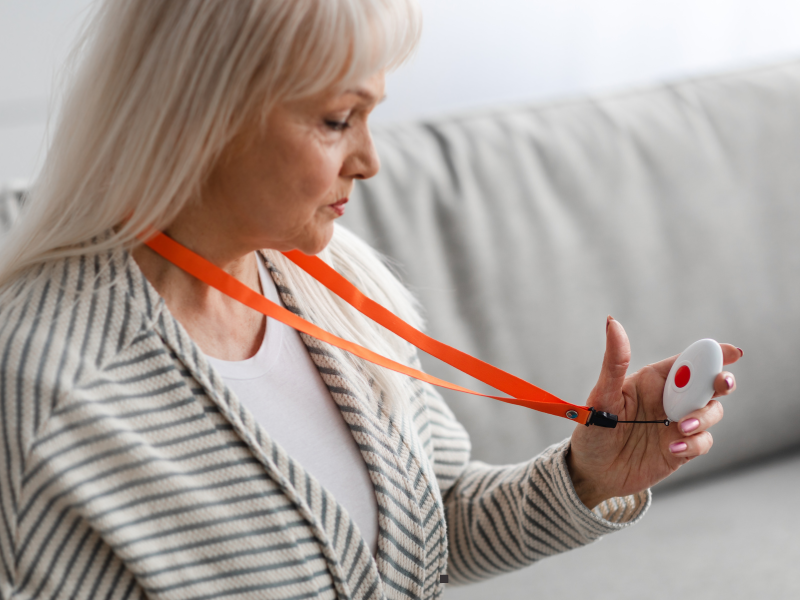
Direct Link® includes a personal emergency response system and remote monitoring so seniors always have a quick and easy way to contact someone to help 24/7/365. It also includes a Circle of Care app for family members, so they can connect with their senior loved one’s monitoring system and track alerts in real-time. In addition, family members can directly check in with their loved one and remotely call emergency services if needed.

Direct Link® senior monitoring devices require no WiFi. They are quick and easy to install and user-friendly for 24/7 instant access to an emergency call center with the touch of a button or a voice command. These devices offer a range of benefits, including fall detection, general motion detection, location tracking, and temperature and air quality alerts.

At Home Helpers®, we understand the importance of keeping your senior loved one safe and connected. That’s why we offer Direct Link® senior monitoring services in Canton, OH, and surrounding areas. They have state-of-the-art technology that keeps your loved one feeling safe and independent in their home while providing peace of mind for the family.

If you are interested in learning more about Direct Link® senior monitoring services, Damey and I can provide you with a FREE assessment to review more about this 24-hour monitoring service and answer any questions you may have.

Furthermore, if a compassionate Home Helpers® caregiver can provide additional support, we can assess specific needs and discuss the in-home care services we offer, including 24-hour home care, and ways we can make life easier for you or a senior you love. 330.892.9329

Home Helpers® Canton, OH, is Veteran-owned and operated. We are honored to have received the Home Care Pulse – Best of Home Care® Provider of Choice Award, the Shooting Star Award (2011), and multiple Platinum awards for the superior level of care we provide. We are Certified Senior Advisors and members of the Home Care Association of America, Alzheimer’s Association, and the International Franchise Association. In addition, we were ranked in the Top 500 Franchises by Entrepreneur Magazine in 2019.

Home Helpers® Canton proudly serves male and female seniors in Stark County, Portage County, and portions of Summit County including the communities of Akron, Alliance, Canton, East Sparta, Hartville, Jackson, Massillon, Navarre, North Canton, Randolph, and surrounding areas.

© Copyright 2026 H. H. Franchising Systems, Inc, All Rights Reserved.