

Should Aging Adults in Stark County Get Screened for Colorectal Cancer?

After a caregiver at Home Helpers lost a beloved, elderly aunt after a short battle with colorectal cancer late last year, Damey and I decided to learn more about the condition and how it impacts families in the Canton, OH area.

Colorectal cancer remains one of the most common and preventable cancers in the United States, yet it continues to affect thousands of families every year. In Ohio, the impact is especially significant. According to state and national health data, Ohio consistently reports colorectal cancer rates that are higher than the national average, making awareness and prevention critically important for communities like Canton.

For older adults, early detection and healthy lifestyle choices can make a life-saving difference. Understanding risk factors, recognizing symptoms, and keeping up with recommended screenings are key steps toward protecting long-term health.

Home care providers like Home Helpers Home Care of Canton often support families navigating health challenges, helping seniors maintain independence while encouraging preventive health practices.

Why Colorectal Cancer Is a Concern in Ohio

Colorectal cancer affects the colon or rectum, which are parts of the large intestine responsible for processing waste. The disease often develops slowly, beginning as small growths called polyps that can become cancerous over time.

Health experts estimate that thousands of Ohio residents are diagnosed each year, and many cases occur in adults over the age of 50. However, in recent years, doctors have also seen a troubling rise in diagnoses among younger adults.

Several factors contribute to Ohio’s elevated risk levels, including:

  • Higher rates of smoking and obesity
  • Diets high in processed or red meats
  • Lower screening participation in some communities
  • Limited access to preventive healthcare in certain areas

The encouraging news is that colorectal cancer is one of the most preventable cancers when detected early through regular screening.

Who Is Most at Risk?

While colorectal cancer can affect anyone, certain factors increase the risk. Seniors are especially vulnerable, which is why screening becomes more important with age.

Risk factors include:

  • Being age 45 or older
  • Family history of colorectal cancer or polyps
  • Personal history of inflammatory bowel disease
  • Diet low in fiber and high in processed foods
  • Lack of physical activity
  • Smoking or heavy alcohol use
  • Obesity or diabetes

For many adults, symptoms do not appear in the early stages, which is why preventive screenings are so important.

Warning Signs to Watch For

Even though early colorectal cancer often develops silently, certain symptoms should never be ignored. Contact a healthcare provider if you or a loved one experiences:

  • Persistent changes in bowel habits (diarrhea or constipation)
  • Blood in the stool
  • Abdominal pain or cramping
  • Unexplained weight loss
  • Fatigue or weakness
  • A feeling that the bowel does not empty completely

These symptoms do not always mean cancer, but they should always be evaluated by a medical professional.

The Importance of Screening

Screening can detect colorectal cancer before symptoms appear, often when treatment is most effective.

The American Cancer Society recommends that adults at average risk begin screening at age 45. Those with family history or additional risk factors may need to start earlier.

Common screening methods include:

  • Colonoscopy – A procedure that allows doctors to examine the colon and remove precancerous polyps.
  • Stool-based tests – Noninvasive tests that detect blood or DNA markers in stool samples.
  • Flexible sigmoidoscopy or CT colonography – Imaging procedures that examine portions of the colon.

Regular screening dramatically reduces the risk of dying from colorectal cancer because it allows doctors to detect and treat abnormal growths early.

Lifestyle Habits That Support Colon Health

While not all cancers can be prevented, healthy habits can significantly lower the risk of colorectal cancer.

Consider adopting these lifestyle choices:

Eat a fiber-rich diet
Fruits, vegetables, whole grains, and legumes support healthy digestion and may reduce cancer risk.

Limit red and processed meats
High consumption of processed meats has been linked to increased colorectal cancer risk.

Stay physically active
Regular movement helps maintain a healthy weight and improves digestive health.

Avoid smoking and limit alcohol
Both are linked to increased cancer risk.

Maintain a healthy weight
Obesity has been associated with higher colorectal cancer rates.

Small lifestyle changes made consistently can have a powerful impact on long-term health.

Supporting Seniors Through Prevention and Care

Older adults may face additional challenges when it comes to managing their health, especially when transportation, mobility, or daily routines become difficult. That’s where compassionate home care can make a meaningful difference.

Caregivers at Home Helpers help seniors stay on track with their overall wellness by providing assistance with:

  • Transportation to medical appointments and screenings
  • Meal preparation that supports healthy nutrition
  • Medication reminders
  • Companionship and wellness monitoring
  • Support with daily activities

These services allow seniors to remain safe, comfortable, and independent while prioritizing preventive health.

Protecting Your Health Starts With Awareness

Colorectal cancer is a serious disease, but it is also one of the most preventable and treatable cancers when detected early. By staying informed, scheduling recommended screenings, and adopting healthier habits, individuals and families in Canton and surrounding communities can take proactive steps toward better long-term health.

If you or a loved one could benefit from extra support at home, compassionate caregivers can help make managing health and wellness easier every day.

Damey and I are happy to schedule a FREE consultation at your convenience to assess specific needs and determine ways we can help you or a senior loved one.

Home Helpers® Canton, OH, is Veteran-owned and operated. We are honored to have received the Home Care Pulse – Best of Home Care® Provider of Choice Award, the Shooting Star Award (2011), and multiple Platinum awards for the superior level of care we provide. We are Certified Senior Advisors and members of the Home Care Association of America, Alzheimer’s Association, and International Franchise Association. Additionally, we were ranked in the Top 500 Franchises by Entrepreneur Magazine in 2019.

Home Helpers® Canton is Making Life Easier™ every day for male and female seniors in Stark County, Portage County, and portions of Summit County, including the communities of Akron, Alliance, Canton, East Sparta, Hartville, Jackson, Massillon, Navarre, North Canton, Randolph, and surrounding areas. 330.892.9329

3 Most Effective Ways to Prevent Cancer in Canton, Ohio

During the time Damey and I have owned our Home Helpers franchise, we have had the privilege of helping many clients who battled cancer. Some clients fared well during and after treatment, while others did not have successful outcomes.

February is Cancer Prevention Month, so we want to share valuable information about the three most effective ways to prevent cancer in and around Canton, OH.

Cancer is a leading health concern across the United States, including in Northeast Ohio. Fortunately, many cancers can be prevented or detected early when treatment is most effective. Research suggests that 30–50% of cancer cases are preventable through lifestyle changes and regular screenings.

Why Prevention Matters

Cancer begins when cells grow uncontrollably. While genetics play a role, many lifestyle and environmental factors, such as smoking, physical activity, diet, and access to preventive care, significantly influence cancer risk. Making informed choices and using local health resources can make a real difference in your long-term health.

1. Healthy Lifestyle Choices That Reduce Cancer Risk

Maintain a Healthy Weight

Being overweight increases the risk of several cancers. Balancing calorie intake with physical activity helps lower this risk.

Stay Physically Active

Adults should aim for at least 150–300 minutes of moderate-intensity activity weekly (like brisk walking), or 75–150 minutes of vigorous activity (like running).

Eat a Nutritious Diet

A diet rich in vegetables, fruits, and whole grains and low in processed foods and red meats supports weight control and overall health.

Limit Alcohol and Quit Tobacco

Alcohol intake should be moderate if consumed at all – no more than one drink per day for women and two for men. Tobacco use, including secondhand smoke, remains one of the most preventable causes of cancer.

Protect Your Skin

Sun exposure increases skin cancer risk. Wear sunscreen, protective clothing, and avoid tanning beds. Although Ohio isn’t tropical, UV exposure still matters year-round.

2. The Power of Early Detection: Screening Saves Lives

Early detection through screening can identify cancer before symptoms arise — when it’s often easier to treat. Many local health providers in and around Canton offer screenings following national guidelines:

Breast Cancer

  • Annual mammograms – generally, beginning at age 40.
  • Clinical and self-awareness exams are important complements.

Cervical Cancer

  • Pap tests start at 21; co-testing with HPV is recommended between ages 30–65 at specific intervals.

Colorectal Cancer

  • Screening typically begins at age 45 for average-risk individuals.
  • Options include stool blood tests yearly or colonoscopy exams every 5-10 years.

Lung Cancer

  • Recommended for those 50–80 years with a significant smoking history.

Prostate Cancer

  • Talk with your healthcare provider about PSA testing, especially for men 45 and older or those with a family history.

Local providers like Aultman Health Centerand Cleveland Clinic Mercy Hospitalpromote private and community screening events that include education on healthy lifestyle choices, smoking cessation, and free or low-cost screenings for various cancers.

If you’re unsure where to get screened, your primary care provider or local public health department can guide you.

3. Local Support and Resources

Canton Community Health Services

The City of Canton’s health department connects residents with clinic services, health records, educational materials, and links to cancer prevention resources.

American Cancer Society of Ohio

The American Cancer Society offers support programs, information on prevention, and services like transportation to treatment and emotional support, all free of charge.

4. Community Action for a Healthier Canton

Cancer prevention isn’t just about individual choices; it’s a community effort. Here are ways Canton residents can take collective action:

  • Promote smoke-free environments and quit-smoking programs.
  • Support access to nutritious foods and physical activity opportunities.
  • Encourage comprehensive screening campaigns through local health fairs or workplace wellness programs.
  • Educate friends and families about the importance of early detection and lifestyle risk reduction.

While there is no guaranteed way to prevent all cancers, many are avoidable through healthy habits and regular screening. By taking proactive steps, such as living an active, balanced lifestyle, quitting tobacco, and keeping up with recommended screenings, you give yourself the best chance to prevent cancer or catch it early when it’s most treatable.

If you’re new to preventive care or it’s been a while since your last check-up, reach out to your primary care provider or community clinic to discuss your cancer risk and screening plan.

Let’s work together for a healthier Canton — one informed choice at a time.

Our licensed, bonded, and insured Home Helpers® caregivers are available to provide home care, which includes safe transportation assistance to and from doctor appointments and health screenings, companionship for moral support, light housekeeping, meal planning and preparation, recuperative care, along with a host of additional services to make life easier.

Damey and I are happy to schedule a FREE consultation at your convenience to discuss how our care team can provide support for you or a loved one battling cancer.

Home Helpers® Canton, OH, is Veteran-owned and operated. We are honored to have received the Home Care Pulse – Best of Home Care® Provider of Choice Award, the Shooting Star Award (2011), and multiple Platinum awards for the superior level of care we provide. We are Certified Senior Advisors and members of the Home Care Association of America, Alzheimer’s Association, and International Franchise Association. Additionally, we were ranked in the Top 500 Franchises by Entrepreneur Magazine in 2019.

Home Helpers® Canton is Making Life Easier™ every day for male and female seniors in Stark County, Portage County, and portions of Summit County, including the communities of Akron, Alliance, Canton, East Sparta, Hartville, Jackson, Massillon, Navarre, North Canton, Randolph, and surrounding areas. 330.892.9329

Source:

Aultman Health Center

American Cancer Society of Ohio

ChatGPT

Glaucoma is the Thief of Sight for Aging Adults

Glaucoma is the Thief of Sight for Aging Adults

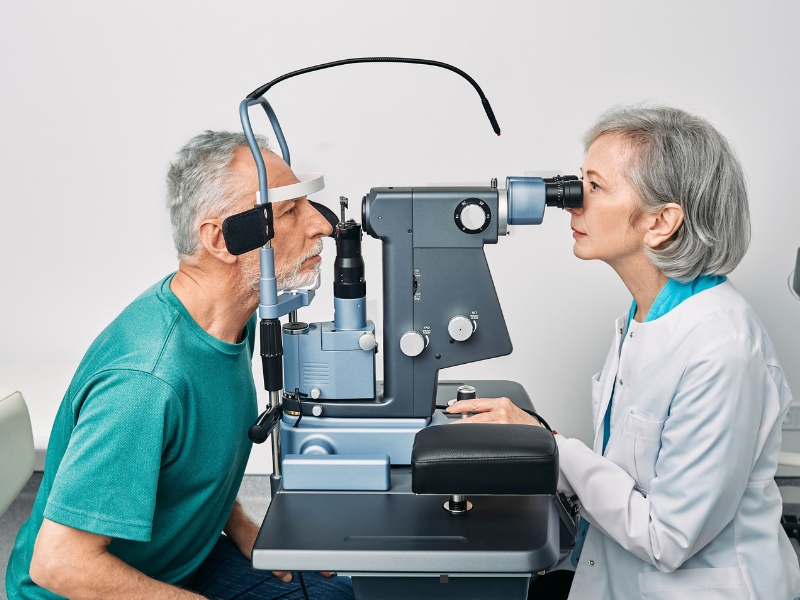
A private caregiver Damey and I know told us about two recent visits she had to her optometrist. The first appointment consisted of a series of tests using sophisticated diagnostic equipment to check her field of vision and capture images of her inner eyes and optic nerves.

The second appointment involved a glaucoma test, routine eye chart exams, and a report of the results from the previous tests. Fortunately, she learned that her vision had not changed much since 2024, and the pressure in her eyes had dropped, meaning a potential glaucoma diagnosis she had expected and feared was not imminent.

Her father had glaucoma, so the genetic risk factor has always been a concern. As her Dad aged, his vision became significantly impaired, and she was worried that she would suffer the same fate.

January is National Glaucoma Awareness Month, and it is important to review more about this sight-stealing condition known as the “thief of sight” so aging adults at risk for glaucoma can take action to prevent it and preserve their vision.

Glaucoma & Eye Specialists in Canton explains, “Glaucoma is an eye disease that, if caught early, can be controlled but can cause blindness. It often has no symptoms, so eye exams should be a part of your regular medical plan. Glaucoma begins when pressure builds up in the eye, causing damage to the optic nerve.”

Two types of glaucoma are:

Open-Angle Glaucoma – The most common form, open-angle glaucoma occurs when pressure builds because fluid does not drain properly from the eye.  The accumulated fluid causes gradual peripheral vision loss, which may not be noticeable.

Closed-Angle Glaucoma – The most serious form of glaucoma, closed-angle glaucoma happens rapidly when fluid drainage from the eye is blocked. The pressure builds quickly causing blurred vision and rainbow halos around lights. Closed-angle glaucoma may cause blindness.

Anyone can get glaucoma, but some patients have greater risk factors:

  • Aging adults
  • African American adults
  • Genetics or Heredity
  • Eye Injuries
  • Diabetes and/or High Blood Pressure

Glaucoma & Eye Specialists suggest, “Regular eye exams are the best way to prevent glaucoma. Dr. Manal H. Assaad is highly skilled at conducting eye exams to check eye pressure, view drainage areas of the optic nerve, and check your visual field.  She is also Canton’s most trustworthy and reputable Glaucoma Specialist.”

Treating glaucoma focuses on lowering eye pressure to help prevent or slow vision loss. If you are diagnosed with glaucoma, Dr. Assaad, or your preferred vision specialist, will develop a personalized treatment plan tailored to your specific needs.

Treatment options may include more frequent eye exams, medications, and advanced procedures. Medications such as eye drops or oral pills are often used to reduce eye pressure or decrease fluid production in the eye. In addition, Dr. Assaad specializes in glaucoma surgery and advanced laser treatments to effectively manage the disease and protect your vision.

Damey and I have extensive experience matching compassionate caregivers with seniors living with glaucoma, macular degeneration, and other forms of visual impairment. The professional caregivers at Home Helpers provide essential support for individuals who struggle with daily tasks due to limited vision, such as reading prescription labels, taking medications correctly, and applying prescribed eye drops as part of their treatment plan.

A compassionate Home Helpers caregiver can provide in-home care and assistance with activities of daily living for you or a senior you know with glaucoma or other visual impairments. Damey and I are happy to schedule a FREE consultation at your convenience to assess specific needs and discuss all the ways we can make life easier.

Home Helpers® Canton, OH, is Veteran-owned and operated. We are honored to have received the Home Care Pulse – Best of Home Care® Provider of Choice Award, the Shooting Star Award (2011), and multiple Platinum awards for the superior level of care we provide. We are Certified Senior Advisors and members of the Home Care Association of America, Alzheimer’s Association, and International Franchise Association. Additionally, we were ranked in the Top 500 Franchises by Entrepreneur Magazine in 2019.

Home Helpers® Canton is Making Life Easier™ every day for male and female seniors in Stark County, Portage County, and portions of Summit County, including the communities of Akron, Alliance, Canton, East Sparta, Hartville, Jackson, Massillon, Navarre, North Canton, Randolph, and surrounding areas. 330.892.9329
Source:

Glaucoma & Eye Specialists

Notice Senior Needs this Holiday Season

The holidays can be difficult for seniors living alone in the Stark County area. Days are shorter, nights are longer, and the weather can be downright frightful!

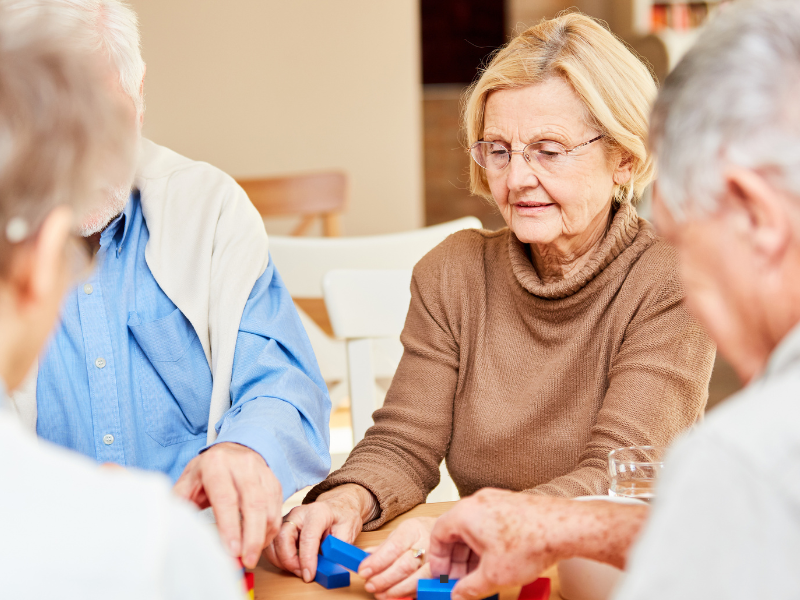
Family gatherings that include senior loved ones tend to lift their spirits with good food, fellowship, and fun activities, especially when children are involved. They also serve as opportunities to quietly observe seniors to determine if they may be experiencing challenges with their physical or mental health, which could be impacting their activities of daily living.

Damey and I have owned our Home Helpers® franchise for 16 years, and we have had the pleasure of meeting many seniors and their family members, to begin Making Life Easier® for the elders to live independently for as long as possible.

Many of our consultations have been scheduled after family members noticed senior needs in the Canton, OH, area, and took the necessary steps to help them. That is why we encourage you to notice senior needs this holiday season, so 2026 can truly be a happy and healthy new year for your aging loved ones!

Here are some key things to look for as you gather this holiday season:

1. Financial struggles.
If your loved one seems behind on bills, is receiving calls from collectors, or has bounced checks, it could be a sign they’re having trouble managing their finances. These issues may point to confusion, stress, or cognitive changes.

2. Home maintenance issues.
Take a look around the home. Are the kitchen appliances working? Are smoke and carbon monoxide detectors in good shape? If the home is unusually cluttered or the yard is overgrown, your loved one may be overwhelmed.

3. Changes in mood.
If your senior loved one seems more irritable, anxious, or withdrawn, it could be more than holiday stress. Mood swings may signal a physical issue, medication side effects, or emotional struggles. Encourage a doctor’s visit and consider in-home companion care to help them stay socially and emotionally engaged.

4. Signs of depression.
The holidays can be lonely for seniors, especially those who’ve lost loved ones. If your aging family member seems down, disinterested, or tired, they may need additional emotional support.

5. Confusion or forgetfulness.
If your loved one seems unsure how to perform familiar tasks or forgets details of conversations, it may be time for a medical evaluation.

6. Changes in personal appearance.
Pay attention to hygiene and dress. If your loved one’s clothing is soiled or worn, or they appear unkempt, they may be struggling with daily self-care.

7. Noticeable weight loss or appetite changes.
If your senior loved one isn’t eating much or is skipping meals, they may not be preparing proper meals and snacks at home, or there could be an underlying physical issue.

8. Medication management.
Are prescription bottles full when they should be empty, or do they seem unsure about their medication routine? Improper medication management can be dangerous.

9. Social isolation.
If your loved one avoids gatherings or no longer participates in favorite activities, they could be feeling alone and isolated.

10. Mobility challenges.
If you notice that your aging loved one is experiencing difficulty standing, walking, or they have unexplained bruises, it could indicate a fall risk.

11. A home that needs attention.
Sometimes, the environment tells the story — expired food in the fridge, piles of laundry, or unopened mail may signal that daily responsibilities are becoming too much.

 12. Concerns about driving.
If your senior loved one’s car has unexplained dents or scratches, it may be time to discuss safe transportation alternatives, like taxis, ride shares, and transportation assistance by a licensed, bonded, and insured caregiver at Home Helpers.

The in-home care services for seniors we provide help them stay independent in their own homes for as long as possible. These services include, but are not limited to:

At Home Helpers® Canton, we’re here to do exactly what our name says: help. We’re more than an in-home health care agency. We’re your extended family when family can’t be there.

Damey and I invite you to take advantage of our FREE consultation at your convenience. Our client care coordinator will meet with you or your senior loved one to create a personalized care plan that includes the services that will be most beneficial to make life easier and maintain senior independence in the Stark County area. 330.892.9329

Home Helpers® Canton, OH, is Veteran-owned and operated. We are honored to have received the Home Care Pulse – Best of Home Care® Provider of Choice Award, the Shooting Star Award (2011), and multiple Platinum awards for the superior level of care we provide. We are Certified Senior Advisors and members of the Home Care Association of America, Alzheimer’s Association, and International Franchise Association. Additionally, we were ranked in the Top 500 Franchises by Entrepreneur Magazine in 2019.

Home Helpers® Canton is Making Life Easier™ every day for male and female seniors in Stark County, Portage County, and portions of Summit County, including the communities of Akron, Alliance, Canton, East Sparta, Hartville, Jackson, Massillon, Navarre, North Canton, Randolph, and surrounding areas. 330.892.9329
Source:

A Place for Mom

Alzheimer’s Disease and Available Resources in the Canton, Ohio Area

As the owners of Home Helpers, an in-home care agency serving the Canton, OH, area, Damey and I have met many families who have loved ones diagnosed with Alzheimer’s disease (AD) or another form of dementia. These conditions gradually worsen over time and often require resources and assistance.

Because November is National Alzheimer’s Awareness Month, we want to share more information about AD and available resources in the Canton, OH area to help individuals and families coping with this problematic condition.

Cognitive decline is associated with the early onset of dementia, and it impairs one’s ability to think clearly, process and learn new information, make decisions, and remember.

According to the Ohio Department of Health (ODH), there are four primary types of dementia:

  • Alzheimer’s Disease (most common in Ohio) – A progressive brain disorder that gradually diminishes memory and thinking skills due to changes occurring in the brain.
  • Unspecified Dementia – Includes senile or presenile dementia.
  • Vascular Dementia – Caused by conditions that damage the blood vessels in the brain, decreasing the amount of oxygen the brain receives.
  • Degenerative Diseases of the Nervous System (not otherwise classified) – Includes Lewy body dementia, frontotemporal dementia, alcohol-related dementia, and senile degeneration of the brain.

The ODH reports these key facts and statistics about Alzheimer’s disease in Ohio:

  • In Ohio in 2019, 11.6% of adults aged 45 and older reported having increased confusion or memory loss (cognitive decline) that is happening more often or is getting worse during the past 12 months
  • The prevalence of cognitive decline was significantly higher for Ohio adults with other chronic health conditions, including high blood pressure and high blood cholesterol.
  • Alzheimer’s disease claimed the lives of 5,396 Ohioans in 2018, at an age-adjusted rate of 39.4 per 100,000 people.
  • Women accounted for 70% of Alzheimer’s disease deaths in Ohio in 2018.
  • Whites had a higher death rate for Alzheimer’s disease in 2018 compared with Blacks and Asians/Pacific Islanders in Ohio.
  • Death rates for Alzheimer’s disease in Ohio increased from 2009 to 2018.
  • In 2018, 5,646 Ohioans died from organic dementia, which includes both vascular dementia and unspecified dementia, at an age-adjusted rate of 36.3 per 100,000.

The Greater East Ohio Chapter of the Alzheimer’s Association serves individuals and families living in 16 Northeast Ohio counties: Belmont, Carroll, Columbiana, Coshocton, Guernsey, Harrison, Holmes, Jefferson, Mahoning, Medina, Portage, Stark, Summit, Trumbull, Tuscarawas, and Wayne. 

They offer a broad range of free educational programs, care consultations, advocacy opportunities, and support groups, and their mission funds advancements in Alzheimer’s and dementia research and treatments.

We encourage you to explore local support groups that are available both in person and online, as well as on-demand education programs you can watch whenever it’s convenient. These resources offer valuable information about the 10 warning signs of Alzheimer’s disease, the importance of early diagnosis, effective communication strategies, living well with dementia, caregiving best practices, planning for future care, and much more.

For more information, please call the Alzheimer’s Association 24/7 Helpline at 800.272.3900.

A professional, compassionate Home Helpers caregiver can assist by delivering specialized care services and respite care for family caregivers to support your loved one with Alzheimer’s disease or dementia.

Damey and I are happy to schedule a FREE consultation at your convenience to assess specific needs and determine the many ways we can help make life easier for you, your family, and especially your loved one with Alzheimer’s in the Canton area.

Home Helpers® Canton, OH, is Veteran-owned and operated. We are honored to have received the Home Care Pulse – Best of Home Care® Provider of Choice Award, the Shooting Star Award (2011), and multiple Platinum awards for the superior level of care we provide. We are Certified Senior Advisors and members of the Home Care Association of America, Alzheimer’s Association, and International Franchise Association. Additionally, we were ranked in the Top 500 Franchises by Entrepreneur Magazine in 2019.

Home Helpers® Canton is Making Life Easier™ every day for male and female seniors in Stark County, Portage County, and portions of Summit County, including the communities of Akron, Alliance, Canton, East Sparta, Hartville, Jackson, Massillon, Navarre, North Canton, Randolph, and surrounding areas. 330.892.9329
Sources:

Ohio Department of Health

Greater East Ohio Chapter of the Alzheimer’s Association

Early Detection of Breast Cancer Can Prevent Negative Outcomes

A private caregiver we know was telling Damey and me about several friends of hers who had been diagnosed with breast cancer over the last few years. Two were in their 60s, and another was in her early 50s, and all had been diagnosed after they had detected lumps in their breasts during self-exams and had received subsequent mammography screenings. Each had undergone life-saving treatments that ranged from chemotherapy, radiation, and even mastectomy, but all were survivors.

Damey and I also have friends who have navigated this scary journey, which is why we want to emphasize that early detection of breast cancer can prevent negative outcomes.

“Breast cancer is the most frequently diagnosed cancer in our community and the nation. Breast cancer survivors make up the largest survivor group living with cancer,” according to Aultman Breast Care Center.

 Considering the prevalence of breast cancer, we are fortunate to have a nationally accredited breast care center in Canton that serves women and men throughout our community.

Aultman’s Breast Care Center is the first Stark County facility to have earned the Center of Excellence distinction from the American College of Radiology. It is fully accredited by the National Accreditation Program for Breast Centers (NAPBC), which means Aultman’s Breast Care Center exceeds all standards for quality breast care.

Their multidisciplinary medical team treats over 300 breast cancers annually. This team meets weekly to review cases to determine the best approaches to treat breast cancer based on the individual. Their multidisciplinary team consists of plastic surgeons, radiologists, pathologists, surgeons, medical and radiation oncologists, clinical trial nurses, and patient navigators.

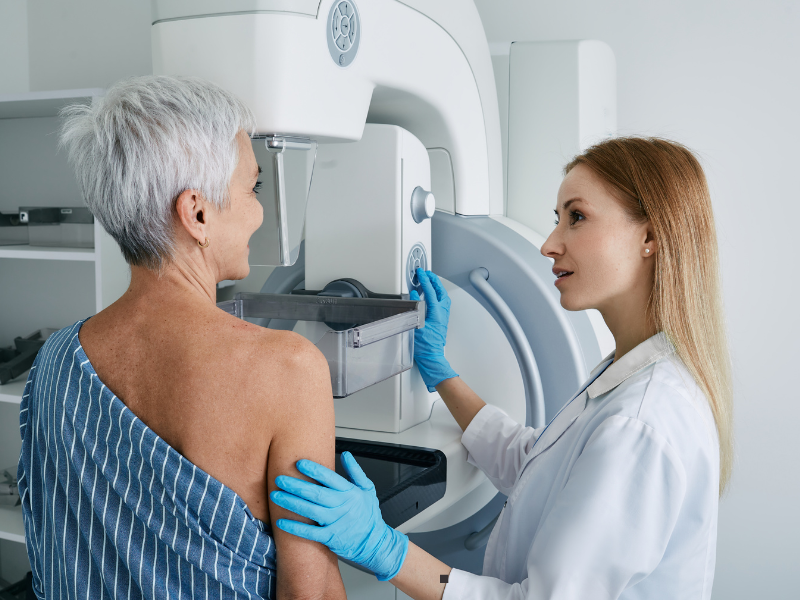
“The Breast Care Center offers a full range of screening and diagnostic services, including 3-D mammography, high-resolution ultrasound, stereotactic breast biopsy, ultrasound core biopsy, MRI biopsy, and breast MRI. The images obtained from the exams help to screen and diagnose diseases and cancers of the breast,” they explain.

  • 3-D Digital Mammography – A mammogram is a special breast X-ray that can reveal the presence of small cancers up to two years before you or your health care provider can feel them. Mammography services can also be used to detect and diagnose breast disease in women experiencing symptoms such as a lump, pain, skin dimpling, or nipple discharge.
  • Breast MRI – Breast MRI uses a powerful magnet and a computer to create detailed images of the breast. Breast MRI does not replace a mammogram or breast ultrasound. It is used as a supplemental tool to diagnose abnormalities and diseases of the breast.
  • Breast Ultrasound – A breast ultrasound uses sound waves to create an image of the tissue inside the breast. Because the ultrasound uses sound waves, there is no radiation exposure to the patient.
  • Fast Breast MRI – This abbreviated screening MRI is recommended for women who have risk factors such as family history of breast cancer or dense breast tissue. While this test does not detect the full range of conditions that a conventional breast MRI can, it helps detect invasive malignancy in women with dense breast tissue. Like other types of screenings, a fast breast MRI may show non-cancerous lesions and lead to biopsies and other further studies.

When necessary, Aultman Breast Center also provides:

  • Ultrasound core biopsy
  • Ultrasound cyst aspiration
  • Ultrasound lymph node fine needle and core biopsy
  • Stereotactic core biopsy (mammogram-guided)
  • Galactogram or ductogram
  • Needle localization

The care team at Aultman Breast Care Center is committed to breast cancer prevention through risk reduction and early detection based on various screening efforts.

The US Preventive Services Task Force (USPSTF) recommends that all women get screened for breast cancer every other year, starting at age 40 and continuing through age 74, to reduce their risk of dying from this disease.

The decision to start screening mammography before age 40 should be an individual one. However, women with a parent, sibling, or child with breast cancer are at higher risk for breast cancer and may benefit more than average-risk women from beginning screening in their 30s.

Considering that breast cancer is being detected more frequently than ever in women younger than 40, it is highly recommended that women of all ages understand their risk factors, routinely perform self-exams, talk to their doctor, and get screened.

Our licensed, bonded, and insured Home Helpers® caregivers are available to provide home care, which includes safe transportation assistance to and from doctor appointments, mammograms, and other health screenings, companionship for moral support, light housekeeping, meal planning and preparation, recuperative care, along with a host of additional services to make life easier.

Damey and I are happy to schedule a FREE consultation at your convenience to discuss how our care team can provide support for you or a loved one with or without breast cancer.

Home Helpers® Canton, OH, is Veteran-owned and operated. We are honored to have received the Home Care Pulse – Best of Home Care® Provider of Choice Award, the Shooting Star Award (2011), and multiple Platinum awards for the superior level of care we provide. We are Certified Senior Advisors and members of the Home Care Association of America, Alzheimer’s Association, and International Franchise Association. Additionally, we were ranked in the Top 500 Franchises by Entrepreneur Magazine in 2019.

Home Helpers® Canton is Making Life Easier™ every day for male and female seniors in Stark County, Portage County, and portions of Summit County, including the communities of Akron, Alliance, Canton, East Sparta, Hartville, Jackson, Massillon, Navarre, North Canton, Randolph, and surrounding areas. 330.892.9329

Sources:

Aultman Breast Care Center

US Preventive Services Task Force

Resources Available to Support Veterans and Prevent Veteran Suicide in Ohio

On Friday, September 12th, Walsh University (WU) in North Canton hosted a Push-Ups for Veterans Suicide Awareness event to shine a spotlight on veterans’ mental health.

WU touts, “Every day, 22 veterans lose their lives to suicide—a reminder that the wounds of service are not always visible. Together, we can learn, reflect, and prepare to support those who have given so much.”
Veterans and their quality of life are extremely important to Damey and me. Primarily, because I am a veteran. Secondly, because we own Home Helpers Canton, and we strive to make life easier for seniors and veterans every day. Lastly, because we understand that veteran suicide is a serious problem in Ohio and across America.

September is Suicide Awareness Month, so Damey and I have chosen to share resources that are available to support veterans and help prevent veteran suicide in Ohio.

Ohio has a higher veteran suicide rate than the national average, even though resources are available from the Department of Veterans Affairs (VA) and Ohio-based organizations to provide immediate help and long-term support. 

Veteran Suicide Statistics in Ohio

  • In 2021, 242 Ohio veterans died by suicide. For veterans under age 45, suicide was the second-leading cause of death.
  • Firearms were used in 65.3% of veteran suicides in Ohio in 2021.
  • In Butler County, veterans die by suicide at four times the rate of non-veterans.
  • Data from 2019 shows 257 veteran suicides in Ohio, with a rate of 33.7 per 100,000 people. This compares to a non-veteran adult suicide rate of 19.1 in Ohio and a national rate of 31.6.
  • The national rate of suicide is higher among veterans for all age groups compared to the general adult population. 

Risk Factors and Challenges

The transition to civilian life can be especially challenging for veterans, contributing to higher suicide risks. These risk factors include: 

  • Difficulty transitioning: More than 40% of veterans report high levels of difficulty with this process, and they are five times more likely to experience suicidal thoughts.
  • Mental health issues: Many veterans struggle with conditions such as post-traumatic stress disorder (PTSD), traumatic brain injury (TBI), depression, and anxiety.
  • Access to care: Stigmas around asking for help can prevent veterans from getting the care they need.
  • Military sexual trauma (MST): Survivors of MST may be at higher risk for mental health struggles.
  • Lack of understanding: Over 80% of post-9/11 veterans believe the public does not understand the problems they face after leaving the military. 

Suicide Prevention Resources in Ohio

Immediate crisis support is convenient and available 24/7/365. If you or a loved one is having suicidal thoughts, seek help immediately through one or more of the following resources:

  • Veterans Crisis Line: Provides free, confidential support 24/7. Connect with a qualified responder who is often a veteran themselves.
  • Ohio Suicide and Crisis Lifeline: The standard 988 lifeline is also available for anyone in distress. 
  • National Alliance for Mental Illness (NAMI) Stark County offers support and education specifically for veterans, service members, and their families at NAMI Homefront.
  • Reach out to a close friend or loved one.
  • Contact a minister, spiritual leader, or someone in your community of faith.
  • Make an appointment with your doctor or a mental health professional
  • Call 911 if you think you might hurt yourself or attempt suicide!

If you know someone is feeling suicidal or has attempted suicide, it is best to have someone stay with them to ensure they remain safe.

At Home Helpers, our compassionate caregivers are available 24/7/365 to support you or a veteran you love. Whether facing the effects of a traumatic event, living with PTSD, or simply in need of extra care at home, we’re committed to providing comfort, dignity, and dependable support right where it’s needed most.

Damey and I gladly offer a FREE consultation at your convenience to assess specific needs and determine ways we can help make life easier.

Home Helpers® Canton, OH, is Veteran-owned and operated. We are honored to have received the Home Care Pulse – Best of Home Care® Provider of Choice Award, the Shooting Star Award (2011), and multiple Platinum awards for the superior level of care we provide. We are Certified Senior Advisors and members of the Home Care Association of America, Alzheimer’s Association, and International Franchise Association. Additionally, we were ranked in the Top 500 Franchises by Entrepreneur Magazine in 2019.

Home Helpers® Canton is Making Life Easier™ every day for male and female seniors in Stark County, Portage County, and portions of Summit County including the communities of Akron, Alliance, Canton, East Sparta, Hartville, Jackson, Massillon, Navarre, North Canton, Randolph, and surrounding areas. 330.892.9329
Sources:
Walsh University

NAMI Stark County

What a Successful Wellness Journey Looks Like for Aging Adults

Wellness is a connection of paths: knowledge and action – Joshua Holtz 

 Of course, we know what wellness is, because Damey is a nurse, and we’re in the business of Making Life Easier™ for our senior clients at Home Helpers, in our efforts to support their well-being and senior independence. 

Since August is National Wellness Month, it’s important to review what a successful wellness journey looks like for aging adults. 

  • See your primary care physician for wellness visits and recommended exams and screenings.  Wellness visits are extremely important. Today’s wellness exams go beyond the standard physical, allowing doctors to identify preventive measures that will keep you healthier and save you money. 
  • Stay active and exercise regularly. As we age, it can be easy to find excuses to let ourselves slow down. However, exercise is vitally important for seniors. “Exercise improves your quality of life, meaning everything from how much activity we can do, to what kind of mood we’re in,” said Kristina Balangue, MD, a geriatrician at Banner Health.
  • Sustain bone health. We often don’t give our bones much thought until we experience a fracture. But, just like any other part of our health, bone health requires regular attention. The good news is that you can start caring for your bones at any age and take steps to slow down bone loss.
  • Maintain healthy joints. Aging gracefully can sometimes be a pain…in your joints, that is. Whether it’s due to disease or injury, any damage can interfere with your movement and take a toll on your entire body. 
  • Eat a heart-healthy diet. Taking care of your heart should be a top priority for everyone. The good news is that there are some easy ways to keep your heart ticking for years to come. Eating a healthy diet is an important first step.  
  • Keep an eye on your eye health. It’s important to have your eyes checked regularly to prevent eye diseases such as age-related macular degeneration, cataracts, glaucoma, low vision, and even dry eyes. Set up an appointment now for a routine eye exam. 
  • Pay attention to hearing impairments. Don’t let hearing loss interfere with your day-to-day activities. Make an appointment with your healthcare provider today to see if hearing aids may be right for you. 
  • Keep a good footing. Your feet and ankles are put under constant pressure making them susceptible, in some instances, to inflammation, pain and limited movement and flexibility. Taking care of your feet and wearing appropriate footwear is important to maintaining an active lifestyle. 
  • Organization and safety are key with medications. Especially as we age, you might need to take different medications to manage different health conditions. It’s important to review your medications regularly with your pharmacist and your healthcare provider to make sure everything is necessary and to identify possible interactions. 
  • Get a good night’s sleep. Why does restful sleep get more elusive the older we get? Studies have shown that 50% of Americans over the age of 65 suffer from sleep problems; and as we age, losing sleep at night can also lead to other health concerns, like an increased risk of falling and daytime fatigue. 

To help get the rest you need, Dr. Joyce Lee-Iannotti, MD, a neurologist and sleep specialist, gives these 10 tips for a more restful sleep. If you have put Dr. Lee-Iannotti’s tips into practice and still struggle to rest, make an appointment with your physician to find a solution. 

The well-being of our clients is what we’re all about at Home Helpers. Whatever we can do to make life easier and healthier will always be our mission. Our caregivers are background-checked, licensed, bonded, insured, and skillfully trained to provide a variety of in-home care services to support seniors on their wellness journey. 

Damey and I invite you to take advantage of our FREE consultation at your convenience. She or I will meet with you or your senior loved one to create a personalized care plan that includes the services deemed most beneficial in maintaining senior independence in the Canton area.

Home Helpers® Canton, OH, is Veteran-owned and operated. We are honored to have received the Home Care Pulse – Best of Home Care® Provider of Choice Award, the Shooting Star Award (2011), and multiple Platinum awards for the superior level of care we provide. We are Certified Senior Advisors and members of the Home Care Association of AmericaAlzheimer’s Association, and International Franchise Association. Additionally, we were ranked in the Top 500 Franchises by Entrepreneur Magazine in 2019. 

Home Helpers® Canton is Making Life Easier™ every day for male and female seniors in Stark County, Portage County, and portions of Summit County, including the communities of Akron, Alliance, Canton, East Sparta, Hartville, Jackson, Massillon, Navarre, North Canton, Randolph, and surrounding areas. 330.892.9329 

 Source:

Banner Health

Home Helpers is Making Life Easier® for Seniors to Maintain Independence

As a United States Veteran, July 4th, aka Independence Day, has always been a day of reverence and celebration for Damey and me. Like most Americans, we get together with our family and friends to swim, play games, and grill out before our local fireworks display.

However, we are both aware that many seniors who live alone in the Canton area, or have physical or mental health challenges, are unable to participate in celebrations and family gatherings. Some of these seniors are our existing clients.

Home Helpers® is Making Life Easier® for seniors to maintain independence with in-home care. Our team of compassionate caregivers is skillfully trained to assist seniors in many ways, so they remain independent in their homes, where they are most comfortable, for as long as possible.

Making Life Easier® includes a wide range of non-medical in-home care services:

24-Hour Monitoring – Monitoring is made easy with Direct Link®, powered by Aloe Care, an advanced medical alert and communication system that provides peace of mind for the elderly and their families. Seniors using the system have 24/7 access to an emergency call center at the touch of a button or voice command, and it includes a range of benefits: fall detection, general motion detection, location tracking, temperature readings, and air quality alerts. Plus, with the Circle of Care app, family members can connect with their loved one’s senior monitoring systems and track alerts in real-time, check in with their loved one, and remotely call emergency services if needed.

24-Hour Home Care – With our 24-hour caregiving services, seniors won’t have to worry that they won’t have the help they need. Whether around-the-clock shift care is most appropriate, or more attentive care with live-in services, Home Helpers® provides the most compassionate and skilled care available.

Companion Care – Our caregivers understand the importance of seniors staying engaged, physically active, and mentally stimulated. As companions, they become like family, incorporating mentally stimulating activities and providing seniors with socialization to prevent isolation.

Homemaker Services – We offer homemaker services that help create a safe, clean, and comfortable home environment so seniors can live independently at home, with more confidence and security. Light housekeeping includes changing and making the bed, washing dishes, mopping, vacuuming, dusting, doing laundry, and more.

Personal Care – Sometimes seniors need help with activities of daily living, like managing personal hygiene, to stay in their homes and live enriched, engaged, and independent lives. Home Helpers makes personal care easier.

Nutrition and Well-Being – Eating healthy foods is one of the most important factors in maintaining senior independence and well-being. Our Caregiver Meal Prep involves proper nutritional planning that addresses dietary concerns, grocery shopping, and preparing nutritious meals and snacks.

Specialized Care – Home Helpers® is a proud member of the Home Care Association of America, and we are an Activated Insights (formerly Home Care Pulse) endorsed national provider. Our caregivers are skillfully trained to ensure the highest level of care for seniors with special needs.

Alzheimer’s and Dementia Care – Home Helpers® provides specialized care for seniors suffering from some form of dementia.

Parkinson’s Care – Home Helpers® can help seniors with Parkinson’s disease and their families adjust to life with the disease by providing the necessary assistance to preserve their independence and safety as the disease progresses.

Recuperative Care – Our caregivers at Home Helpers® assist seniors who have been injured, ill, or undergone surgery in navigating the road to recovery. They understand the challenges recovery can present, so they focus on Making Life Easier®, allowing seniors who are recuperating to focus on getting well.

Respite Care – Being a family or private caregiver can be very stressful. Respite care provides a much-needed break for family and private caregivers to relax, rest, and recharge. Our professional caregivers will maintain your senior loved one’s daily routine at home, where they are most comfortable.

Support for Stroke Recovery – Home Helpers® caregivers are trained to assist aging adults who have suffered a stroke with activities of daily living, medication management, mobility support, and more. Seniors who have suffered a stroke receive the personalized care they deserve to regain their independence and quality of life.

Wellness Calls – Wellness calls provide much-needed companionship to seniors living alone in the Canton area and serve to offer important reminders for seniors to take their medications, stay hydrated, and eat nutritious meals, etc. (If seniors are unable to answer wellness calls, a secondary response plan can be put in place to ensure their safety and well-being.)

This comprehensive list outlines the home care services Home Helpers® provides, but our team will go above and beyond to do whatever it takes to help our clients. That’s because we’re not just a home care agency. We’re your family when family can’t be there, and we respectfully provide exactly what you need when you need it.

Damey and I invite you to take advantage of our FREE consultation at your convenience. Our client care coordinator will meet with you or your senior loved one to create a personalized care plan that includes the services deemed most beneficial in maintaining senior independence in the Canton area. 330.892.9329

Home Helpers® Canton, OH, is Veteran-owned and operated. We are honored to have received the Home Care Pulse – Best of Home Care® Provider of Choice Award, the Shooting Star Award (2011), and multiple Platinum awards for the superior level of care we provide. We are Certified Senior Advisors and members of the Home Care Association of America, Alzheimer’s Association, and International Franchise Association. Additionally, we were ranked in the Top 500 Franchises by Entrepreneur Magazine in 2019.

Home Helpers® Canton is Making Life Easier™ every day for male and female seniors in Stark County, Portage County, and portions of Summit County including the communities of Akron, Alliance, Canton, East Sparta, Hartville, Jackson, Massillon, Navarre, North Canton, Randolph, and surrounding areas. 330.892.9329

Examining PTSD Risk Factors, Symptoms, and Treatment in Ohio

“Post-traumatic stress disorder (PTSD) is a mental health condition that’s triggered by a terrifying event — either experiencing it or witnessing it. Symptoms may include flashbacks, nightmares, and severe anxiety, as well as uncontrollable thoughts about the event,” explains the Mayo Clinic.

Having served in the United States military, I hold a special place in my heart for all my brothers and sisters in uniform, no matter their branch of service, because many of them suffer from PTSD.

However, PTSD does not just impact those in military service. Men, women, and children who have experienced traumas also contend with PTSD due to troubling events in their own lives.

PTSD may not have impacted all of them, but one can certainly understand any traumas they’ve endured and sympathize with their pain or loss.

June is National PTSD Awareness Month, and on behalf of Home Helpers, Damey and I are examining PTSD risk factors, symptoms, and treatment in Ohio to help inform and guide you or someone you know with this complex mental health condition.

The Ohio State University Wexner Medical Center says, “Not everyone who experiences trauma will develop PTSD. There are certain risk factors that may put someone at an increased risk of their symptoms being diagnosed as PTSD. Recognizing and addressing these risk factors can help prevent PTSD in some cases.”

Risk Factors for PTSD

PTSD risk factors include:

  • Experiencing a traumatic event
  • Lack of family or social support
  • Diagnosis of another mental health condition, such as depression or anxiety
  • Family history of mental health conditions
  • History of childhood trauma
  • History of borderline personality disorder, paranoia, dependency or antisocial tendencies

“It’s important to remember that just because you have these risk factors doesn’t mean you’ll develop PTSD. And likewise, if you don’t have these risk factors, you can still develop PTSD after a traumatic event,” explains OSU Wexner Medical.

Symptoms of PTSD

Symptoms of PTSD may not occur right away. In some cases, symptoms develop within a month or so following a traumatic event. In other cases, it may be years before symptoms arise. Professionals have grouped these symptoms into four types:

Intrusive Memories – Symptoms include:

  • Recurrent, unwanted distressing memories of the traumatic event
  • Reliving the traumatic event as if it were happening again, commonly known as flashbacks
  • Disturbing dreams or nightmares about the traumatic event
  • Severe emotional distress or physical reactions to something reminiscent of the event

Avoidance – Symptoms include:

  • Trying to avoid thinking or talking about the traumatic event
  • Avoiding places, activities or people that remind you of the traumatic event

Negative Changes in Thinking and Mood – Symptoms include:

  • Negative thoughts about yourself, other people, or the world
  • Hopelessness about the future
  • Memory problems, including not remembering important aspects of the trauma
  • Difficulty maintaining relationships
  • Feeling detached from family and friends
  • Lack of interest in activities once enjoyed
  • Difficulty experiencing positive emotions
  • Feeling emotionally numb

Changes in Physical and Emotional Reactions – Symptoms include:

  • Being easily startled or frightened
  • Always being on guard for danger
  • Self-destructive behavior, such as drinking too much or driving too fast
  • Difficulty sleeping
  • Trouble concentrating
  • Irritability, angry outbursts, or aggressive behavior
  • Overwhelming guilt or shame

If you or someone you love is experiencing any of these types of PTSD symptoms, the Mayo Clinic recommends getting help as soon as possible to prevent the symptoms from getting worse over time. If symptoms persist for more than a month, it’s important to consult with a medical or mental health professional as soon as possible.

If you or a loved one with PTSD is having suicidal thoughts, seek help immediately through one or more of the following resources:

  • Reach out to a close friend or loved one
  • Contact a minister, spiritual leader, or someone in your community of faith
  • Contact a suicide hotline 24/7/365. Call or text 988 to reach the Suicide & Crisis Lifeline (free and confidential)
  • Use Lifeline Chat (free and confidential)
  • Make an appointment with your doctor or a mental health professional

Call 911 if you think you might hurt yourself or attempt suicide! If you know someone is feeling suicidal or has attempted suicide, it is best to have someone stay with them to ensure they stay safe.

“Most people who go through traumatic events may have temporary difficulty adjusting and coping, but with time and good self-care, they usually get better. If the symptoms get worse, last for months or even years, and interfere with your day-to-day functioning, you may have PTSD,” according to the Mayo Clinic.

PTSD Treatment

OSU Wexner Medical is recognized as a leader in diagnosing and treating PTSD in Ohio, using evidence-based psychotherapies offered individually, in a group setting, or via telehealth.

The psychotherapies that research shows as most effective in treating PTSD symptoms include:

  • Cognitive Processing Therapy (CPT) – A type of cognitive behavioral therapy, this treatment is typically delivered over 10-12 appointments and helps you learn how to challenge and modify unhelpful beliefs related to trauma. In doing that, you’ll create a new understanding of the traumatic event, so it reduces its negative effects on current life.
  • Prolonged Exposure Therapy (PE) – Another type of cognitive behavioral therapy, this treatment is also typically delivered over 10-12 appointments and consists of repeatedly telling the story of a disturbing traumatic memory followed by processing your thoughts and feelings about the story. The therapy also involves in-vivo exposure, which teaches you how to resume going to places that you’ve been avoiding because of the trauma, learning about PTSD and training in controlled breathing.

“Multiple research studies show that over 80% of people who receive and complete one of these psychotherapies report significant improvement in their symptoms and over half no longer have the diagnosis of PTSD,” OSU Wexner Medical says.

Medications, such as antidepressants, may also be helpful when treating PTSD symptoms.

In addition, OSU Wexner Medical offers two specific programs led by mental health professionals to help people with unique situations.

Suicide and Trauma Reduction Initiative (STRIVE)

Initially established to help military personnel and veterans dealing with PTSD or suicidal thoughts, this internationally recognized program provides treatment to adults from all backgrounds who are dealing with these mental health conditions. STRIVE researchers and clinicians have pioneered methods to improve treatment outcomes for people with PTSD and suicidal thoughts, with over 70% of people receiving treatment from STRIVE reporting significant reductions in symptoms and improvements in quality of life. STRIVE’s success comes from its view of PTSD as an injury rather than a chronic disorder.

Stress, Trauma, and Resilience (STAR)

STAR is a dedicated team whose sole purpose is the identification, education, and treatment of those who have survived crime and the people who support them. STAR provides support services for first responders, health care workers, and victims of violence.

Home Helpers employs exceptional caregivers who are available 24/7/365 to assist you or a loved one who has been impacted by a traumatic event or who suffers from PTSD.

Our compassionate caregivers are skillfully trained to provide a variety of in-home care services and support. Damey and I are happy to schedule a FREE consultation at your convenience to assess specific needs and determine ways we can help make life easier.

Home Helpers® Canton, OH, is Veteran-owned and operated. We are honored to have received the Home Care Pulse – Best of Home Care® Provider of Choice Award, the Shooting Star Award (2011), and multiple Platinum awards for the superior level of care we provide. We are Certified Senior Advisors and members of the Home Care Association of America, Alzheimer’s Association, and International Franchise Association. Additionally, we were ranked in the Top 500 Franchises by Entrepreneur Magazine in 2019.

Home Helpers® Canton is Making Life Easier™ every day for male and female seniors in Stark County, Portage County, and portions of Summit County including the communities of Akron, Alliance, Canton, East Sparta, Hartville, Jackson, Massillon, Navarre, North Canton, Randolph, and surrounding areas. 330.892.9329

Sources:

Mayo Clinic

The Ohio State University Wexner Medical Center

© Copyright 2026 H. H. Franchising Systems, Inc, All Rights Reserved.