7 Benefits of Specialized In-Home Care for Changing Needs
The Caring Corner Blog
According to AARP and the National Alliance for Caregiving’s 2025 Caregiving in the U.S. report, 63 million Americans are providing ongoing care to someone with a medical condition or disability.
That means one in four adults is a family Caregiver helping a loved one manage changing care needs. And depending on each family’s situation, that support may look very different.
Someone living with Alzheimer’s or another form of dementia will require a different approach and level of care than someone living with Parkinson’s disease or arthritis.
And chronic conditions aren’t the only factor shaping care needs as people age. Longer life expectancies also mean more older adults are undergoing surgery and will require some level of support upon discharge. In fact, adults age 65 and older account for over a third of all inpatient and outpatient surgeries performed in U.S. hospitals, according to data cited by Johns Hopkins Medicine.
If any of this sounds familiar, you may be wondering what kind of assistance could help make your loved one’s day-to-day easier while maintaining their quality of life. More importantly, can that level of support be provided in the comfort of their home, or will they have to move somewhere?
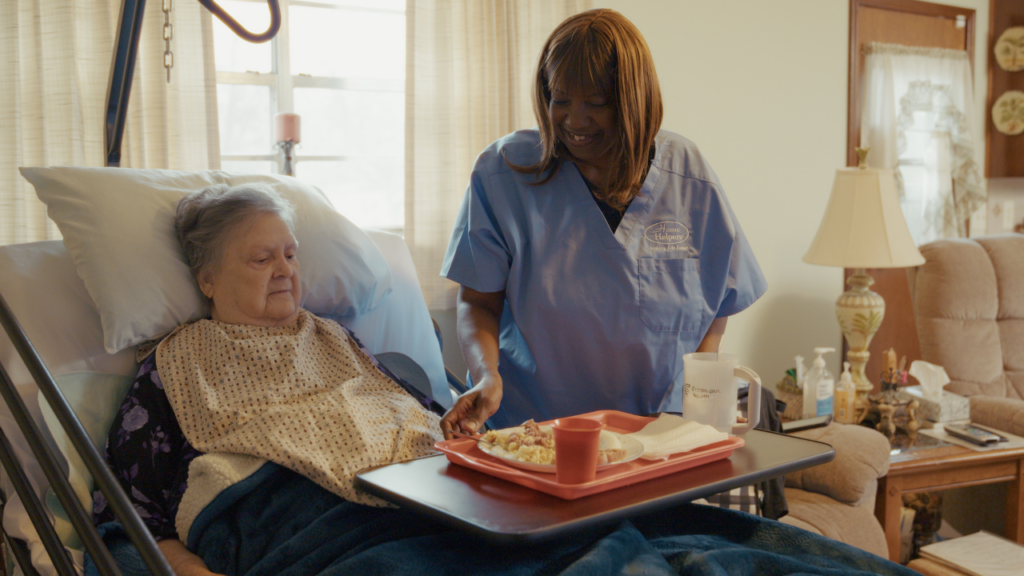
The good news is that there are a lot of options, including specialized in-home care, which is [JL1] personalized, nonmedical assistance tailored to a person’s needs. It can work alongside care from healthcare professionals, hospice providers, and family Caregivers while helping a loved one navigate daily routines at home.
In this blog, we’ll explore seven benefits of specialized in-home care and how personalized support can make daily life more manageable for individuals with changing needs and their families.
Who Might Benefit from Specialized In-Home Care?
Specialized in-home care may be worth considering when everyday care requires more time, consistency, or attention than it once did.
The changes may be gradual, and you start noticing your loved one needs more frequent supervision or assistance. In other situations, changes may be sudden after an unexpected surgery or hospital stay.
In both cases, the responsibilities of caring for your loved one, on top of all your other commitments and obligations, may become more than you can manage without additional assistance.
How Specialized In-Home Care Supports Changing Needs
1. Personalized Support for Changing Needs – No two people experience aging, recovery, or a chronic condition in the same way.
Specialized in-home care can be tailored to your loved one’s routines, abilities, and the amount of assistance they need. The goal is to create a personalized care plan that reflects how they want to live day to day to ensure as much independence as safely possible while maintaining their quality of life.
For someone living with Parkinson’s disease, that may mean allowing more time for morning routines and mobility. After a hospital stay, it may mean temporary help with mobility, personal care, preparing meals, errands, or household tasks. A person living with dementia may benefit from greater consistency and familiar routines throughout the day.
2. Support for Safer, More Manageable Routines at Home – Specialized in-home care can assist with everyday tasks that have become more difficult for your loved one to manage on their own, such as meal preparation, mobility, transportation, household chores, and personal care.
The goal is not to take over everything your loved one can still do. Instead, the right level of support can help make daily routines more manageable while allowing the person to remain as independent as safely possible.
For someone living with arthritis or joint pain, that might mean help with tasks that require bending, reaching, or prolonged standing. Following a stroke or hospital discharge, assistance with everyday tasks may be needed while the individual adjusts to new limitations or continues a recovery plan established by their healthcare team.
3. Comfort and Familiarity at Home – Receiving support in familiar surroundings can provide an important sense of comfort and continuity of care as needs change.
That familiarity may be especially meaningful for someone experiencing memory challenges. Being surrounded by recognizable rooms, belongings, and daily routines makes the day feel more predictable and reassuring.
Specialized in-home care can provide the assistance someone needs while they remain connected to their home, surroundings, and way of life.
4. Relief for Family Caregivers – An adult child may start helping with groceries or transportation, while a spouse takes on more household responsibilities. Before long, a family Caregiver may be managing more of a loved one’s daily care while trying to keep up with everything else in their life.
Specialized in-home care can help lighten those day-to-day responsibilities and provide relief for family Caregivers.
Respite care, for example, can give family Caregivers time to rest, manage other responsibilities, or step away from Caregiving responsibilities for a while. It can also allow family members to spend more of their time being a spouse, son, daughter, or friend rather than always being the person responsible for the next task.
5. Companionship and Meaningful Connection – Changing health or mobility can affect how often someone sees other people or takes part in their favorite activities.
Someone who no longer drives may see friends less often. Changes in memory or health may also make it harder to stay involved in favorite activities or social routines.
Regular companionship can help someone stay engaged with the people and activities that matter to them.
A Caregiver might offer conversation, spend time on a favorite hobby, or help them stay connected with family, friends, and the community.
These everyday interactions can support mental and emotional well-being while helping individuals stay connected and engaged.
6. Care That Evolves as Needs Change – The amount of help someone needs changes over time.
A person may need a few hours of support each week after returning home from the hospital and gradually need less assistance as they recover and regain strength. Someone living with a progressive condition may require more help over time. Family circumstances can also shift and affect how much support relatives provide.
That could mean increasing the number of visits, adding overnight support, or exploring 24-hour or live-in care when a loved one needs more consistent assistance.
Families supporting someone receiving hospice services may also use nonmedical in-home care to work alongside the hospice team by providing help with everyday routines, companionship, preparing meals, and other needs.
7. Peace of Mind for Families – When a loved one’s needs begin changing, families often find themselves asking new questions.
Families may wonder whether a loved one is eating regularly, getting through daily routines safely, or managing well after a hospital discharge. They may also worry about who will be there when a family Caregiver cannot be.
Having a personalized care plan and dependable support can help families feel more prepared to manage those day-to-day concerns.
Peace of mind does not mean every concern disappears or that future needs can always be predicted. But having a plan in place can help families feel more confident about the support their loved one is receiving today and better prepared to adjust as needs change.
A Flexible Approach to Changing Care Needs
Specialized in-home care can give families another way to respond as a loved one’s needs become more specific or more difficult to manage alone.
At Home Helpers® Home Care, our Cared-4℠ approach is designed to support the whole person, not just one condition or task.
Our holistic Cared-4℠ approach focuses on four areas that contribute to everyday well-being:
- Physical Wellness – We help make everyday life easier as needs change. From personal care and hygiene to medication reminders, getting around safely, facilitating proper sleep, and support after a hospital or rehab stay, our home care services provide dependable assistance delivered by our exceptional Caregivers.
- Mental Well-Being – We make each day the best it can be by keeping minds active, engaged, and connected in ways that truly matter. Through attentive home care, our Caregivers provide companionship and meaningful engagement to support emotional and mental health and wellness.
- Nutrition and Hydration – Eating well and staying hydrated is key to maintaining energy and independence. Our Caregivers can help with meal planning, grocery shopping, and food preparation to help ensure proper nutrition and hydration throughout the day.
- Active Connections – Meaningful relationships with family, friends, and community provide a sense of security and purpose. Our home care services help strengthen the connections that matter most through social engagement, smart technology, and wellness calls.
You do not have to wait until care feels overwhelming to start asking questions.
Learning about available in-home care options early can make it easier to understand what kind of support may be appropriate now and how that support could change over time.
If you have noticed changes in a loved one’s mobility, memory, daily routines, or ability to manage personal care and meals, learning about available support can be a helpful next step.
Your local Home Helpers® Home Care team will listen to your concerns, answer questions, and help you explore care options tailored to your loved one.
To learn more about our services, contact us to schedule your FREE in-home assessment or find an agency near you.
FOR MORE INFORMATION ABOUT SPECIALIZED IN-HOME CARE, FOLLOW US ON FACEBOOK, INSTAGRAM, AND LINKEDIN.

The Most Comprehensive Care In The Industry

Physical Wellness
We make daily life easier as needs change, with support for personal care, mobility, medication reminders, and recovery after a hospital stay.
Learn More
Mental Well-Being
Staying active and connected matters. Our caregivers provide companionship and meaningful engagement to support emotional health and independence.
Learn More
Nutrition & Hydration
Healthy meals and proper hydration are essential. We help with planning, shopping, and preparation to support daily wellness and energy.
Learn More
Active Connections
Strong relationships bring comfort and purpose. We help seniors stay connected through social engagement, technology, and regular check-ins.
Learn More