7 Ways In-Home Care Supports Recovery After Surgery, Stroke, or Rehabilitation
The Caring Corner Blog
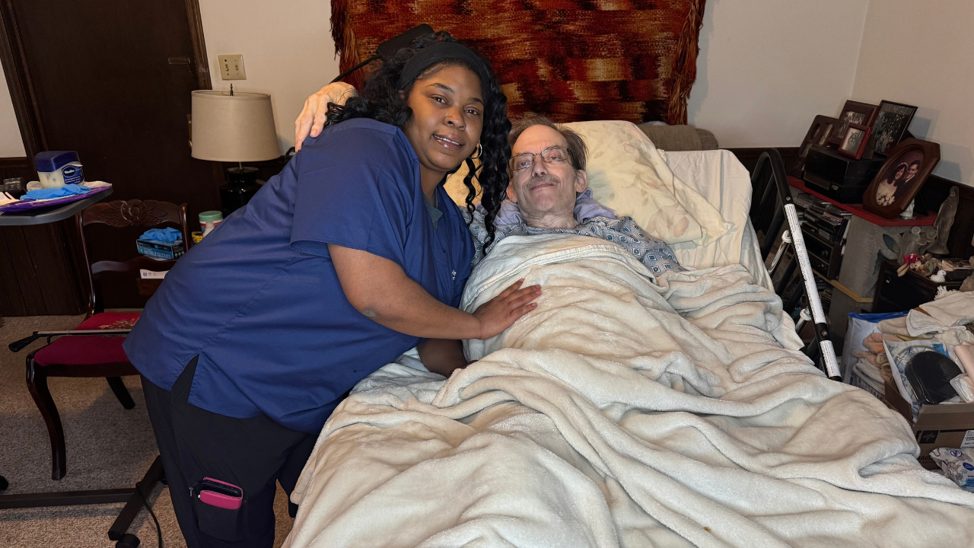
What specialized in-home care can look like after a medical event
What will everyday life look like now?
That question can become very real when your loved one returns home after a hospital discharge, surgery, stroke, or rehabilitation.
Follow-up appointments need to be scheduled. Discharge instructions need to be followed. And once your loved one is home, someone still has to make meals, ensure medications are taken as directed, handle transportation, and figure out what care is needed throughout the day.
Planning for recovery means thinking about those everyday needs, many of which will change, at least temporarily, while your loved one transitions back home.
These situations are becoming more and more common as average life expectancy grows. According to a recent study, adults age 65 and older now account for one-third of all inpatient and outpatient surgeries performed in U.S. hospitals. Continuity of care after discharge is critical to preventing readmission and ensuring your loved one is well supported.
Specialized in-home care can address many of the daily needs your family may be managing at home. At the same time,your loved one can continue receiving any care recommended by physicians, therapists, and other healthcare professionals.
In this blog, we’ll look at what your loved one may need during recovery and how specialized in-home care can help family Caregivers throughout the process.
Planning for Recovery After a Hospital Discharge
Before discharge day, think through which parts of your loved one’s usual day may be harder to manage and who will be available throughout the day.
- Will they need help getting dressed or moving through the house?
- Can your loved one manage their usual morning and evening routines?
- Who will go grocery shopping and prepare meals?
- Can they schedule their own follow-up appointments?
- How will they get to their follow-up appointments?
- Will someone be available during the day while other family members are working?
The answers can show you where additional care may be needed once your loved one is home.
The level of specialized in-home care your loved one needs will depend on what they can manage on their own, the type of recovery they are facing, and when family members can be available.
Someone recovering from an outpatient procedure may only need a few hours of care for meals, transportation, or household tasks, while someone returning from a longer hospital or rehabilitation stay may need more complex assistance.
Here are seven ways specialized in-home care can support your loved one’s recovery at home.
- Move Safely Around the Home — Your loved one may have moved independently before a medical event, but during their recovery may temporarily need help getting in and out of a sitting position, walking from room to room, or completing part of their usual routine.
Going up and down stairs and lifting restrictions can also pose challenges, depending on your loved one’s situation and living arrangement.
In fact, fall-related injuries account for 15% of all hospitalizations during the first month after discharge.
Caregivers can help reduce the risk of falls by providing mobility assistance, keeping commonly used areas clear of household obstacles, and staying nearby when additional supervision is appropriate.
- Make Everyday Tasks More Manageable — Fatigue, weakness, pain, balance changes, mobility limitations, or activity restrictions can affect what your loved one can comfortably manage on their own.
Someone who usually manages their morning routine independently may suddenly need help getting dressed, preparing breakfast, or moving from one room to another. A person with limited stamina after a hospital stay may also find cooking, laundry, or errands harder to keep up with.
Caregivers can assist with bathing, grooming, dressing, light housekeeping, laundry, errands, and other routines so your loved one can focus on recovery.
- Keep up with Meals, Hydration, and Medication — Someone who is tired, uncomfortable, or less mobile can find it more challenging to prepare meals, drink enough water, or remember when it is time to take medication.
Additionally, your loved one’s discharge plan may include new medications or adjustments to existing prescriptions.
Medication mismanagement is one of the top reasons cited for readmissions, with 56% of seniors experiencing a medication discrepancy within 48 hours of discharge.
Caregivers can assist with meal planning and preparation, prescription pickup, and medication reminders to support your loved one’s discharge plan and reduce the risk of readmission.
- Provide Transportation to Follow-Up Care — Follow-up care is a critical component of a successful recovery. According to a recent study, patients who attended a follow-up appointment in the first week of post-discharge were 42% less likely to be readmitted.
However, your loved one may need assistance scheduling the appointments, as well as getting to and from them, in addition to trips to the pharmacy and other errands.
A Caregiver can provide transportation to and from appointments, join your loved one as a second set of eyes and ears, and keep you updated on how your loved one is doing.
- Stay Connected — Returning home after a medical event can also change how independent or connected your loved one feels to their family, friends, community, and the normalcy of life.
Someone who is temporarily driving less, leaving the house less often, and relying on others for activities they previously handled independently can start to feel lonely or frustrated.
A Caregiver can provide conversation, encouragement, and companionship during the day. Depending on your loved one’s interests and abilities, that could mean sharing a meal, talking over coffee, listening to music, watching a favorite program, joining an activity, or simply having someone nearby.
- Give Family Caregivers a Break — Spouses, adult children, and other family Caregivers may be ready to help, but still have jobs, children, appointments, household responsibilities, and other obligations.
A spouse may be available overnight but need someone there for several hours during the day. An adult child may be able to manage appointments but not daily routines. Even when relatives share responsibilities, gaps in care may remain, especially if your loved one lives alone.
Respite care can give a family Caregiver time for work, errands, other responsibilities, or rest while their loved one continues receiving care at home.
- Adapt Care as Needs Change — Depending on the situation, your loved one may need a few hours of care each day while they regain strength and return to more of their usual activities, or they may need longer periods of care, including early mornings, evenings, and even overnight.
If your loved one needs care throughout the day and night, specialized in-home care options such as 24-hour care or live-in care may be an option. With 24-hour care, multiple Caregivers generally provide care in shifts. Live-in care involves a Caregiver residing in the home while following required schedules for sleep, breaks, and other applicable regulations.
As your loved one becomes more independent, the amount of care needed at home may decrease. Once your loved one is home, you may also discover they need more assistance than you expected. Their schedule should reflect their needs now and be flexible enough to change as recovery progresses.
A Closer Look at Stroke Recovery
A stroke can affect movement, strength, coordination, speech, memory, thinking, vision, emotions, and the ability to complete everyday activities. The American Stroke Association emphasizes that every stroke is different and that recovery needs vary from person to person.
For some stroke survivors, getting dressed or preparing a meal may become more difficult. Others may need help with mobility, communication, remembering parts of their routine, or getting to rehabilitation appointments.
The American Stroke Association also reports that problems with memory and thinking are common after stroke, with up to 60% of stroke survivors experiencing some cognitive impairment during the first year.
Physical therapy, occupational therapy, speech therapy, and other rehabilitation services remain the responsibility of qualified healthcare professionals. In-home care after a stroke can address everyday needs at home, including personal care, meals, mobility assistance, transportation, household tasks, companionship, and other activities.
Caring for the Whole Person With Our Cared-4℠ Approach
Recovering after a stroke, surgery, or rehabilitation can affect your loved one’s physical needs, nutrition, emotional well-being, and connection with others. Our holistic Cared-4℠ approach focuses on four areas that contribute to everyday well-being:
- Physical Wellness – We help make everyday life easier as needs change. From personal care and hygiene to medication reminders, getting around safely, facilitating proper sleep, and support after a hospital or rehab stay, our home care services provide dependable assistance delivered by our exceptional Caregivers.
- Mental Well-Being – We make each day the best it can be by keeping minds active, engaged, and connected in ways that truly matter. Through attentive home care, our Caregivers provide companionship and meaningful engagement to support emotional and mental health and wellness.
- Nutrition and Hydration – Eating well and staying hydrated is key to maintaining energy and independence. Our Caregivers can help with meal planning, grocery shopping, and food preparation to help ensure proper nutrition and hydration throughout the day.
- Active Connections – Meaningful relationships with family, friends, and community provide a sense of security and purpose. Our home care services help strengthen the connections that matter most through social engagement, smart technology, and wellness calls.
You don’t need every part of the recovery plan figured out at once.
If you are unsure where to start, focus on what has changed since your loved one came home and which parts of the day have become harder to manage.
Your local Home Helpers® Home Care agency can answer your questions, learn about your loved one’s needs, and explain the care options available in your area.
Each Home Helpers® Home Care agency is independently owned and operated, and services vary by location. To learn more about our services, contact us to schedule your FREE in-home assessment or find an agency near you.
FOR MORE INFORMATION ABOUT SPECIALIZED IN-HOME CARE, FOLLOW US ON FACEBOOK, INSTAGRAM, AND LINKEDIN.

The Most Comprehensive Care In The Industry

Physical Wellness
We make daily life easier as needs change, with support for personal care, mobility, medication reminders, and recovery after a hospital stay.
Learn More
Mental Well-Being
Staying active and connected matters. Our caregivers provide companionship and meaningful engagement to support emotional health and independence.
Learn More
Nutrition & Hydration
Healthy meals and proper hydration are essential. We help with planning, shopping, and preparation to support daily wellness and energy.
Learn More
Active Connections
Strong relationships bring comfort and purpose. We help seniors stay connected through social engagement, technology, and regular check-ins.
Learn More