The Different Types of Specialized In-Home Care Explained
The Caring Corner Blog
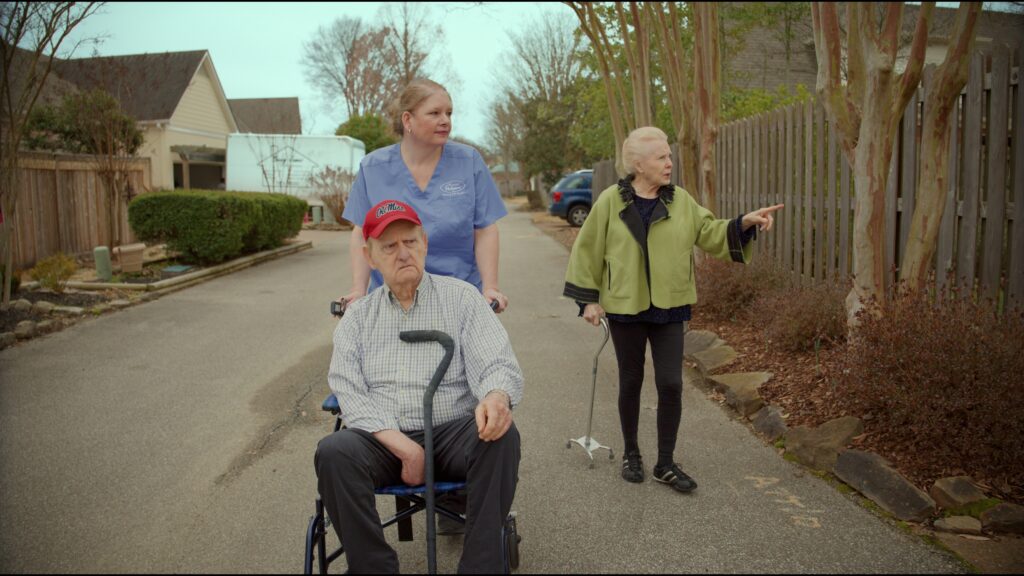
A diagnosis, hospital stay, or gradual change at home can leave you asking the same question: What kind of help does my loved one need now?
You may be researching memory care after an Alzheimer’s diagnosis, looking for help as your parent returns from the hospital, or wondering how to support your spouse as Parkinson’s disease makes everyday activities more difficult. Or perhaps you have been providing more care yourself and wondering what additional support is available.
Specialized in-home care provides thoughtful, personalized support for people living with complex health conditions, recovering from an illness or surgery, or experiencing changing care needs. This support can be temporary, such as during a recovery, or ongoing as care needs change. It may also complement care from doctors, nurses, therapists, hospice providers, and other health care professionals.
Because everyone’s situation is different, specialized in-home care can take many different forms. The right type of care will depend on your loved one’s needs, abilities, routines, health circumstances, and family situation.
Understanding how these types of care differ will make it easier to identify the best fit for your loved one’s situation. In this blog, we’ll explain the major types of specialized in-home care and how each one can support different needs at home.
Types of Specialized In-Home Care
The type of support your loved one needs depends on what is changing at home and how those changes affect everyday life.
Each Home Helpers® Home Care agency is independently owned and operated, and services vary by location. Contact your local Home Helpers® agency to learn which care options are available in your area.
Alzheimer’s and Dementia Care at Home
Alzheimer’s disease and other forms of dementia can affect memory, communication, judgment, mood, and the ability to follow familiar routines. Because dementia affects everyone differently, the right support begins with understanding your loved one as a person, from their routines, preferences, and personality to what brings them comfort.
Memory care at home can provide consistent support with everyday activities while helping your loved one remain connected to the people, activities, and surroundings that feel familiar.
A Caregiver may assist with personal care, meal preparation, medication reminders, light housekeeping, companionship, and calm redirection during moments of confusion or distress.
Arthritis and Joint Health Support
Arthritis and other joint conditions can make activities that once felt routine increasingly uncomfortable or difficult. Opening containers, preparing meals, getting dressed, doing laundry, shopping, or moving around the house may require more effort than before.
In-home care can help with these everyday activities while allowing your loved one to remain as involved in daily life as possible. A Caregiver can assist with personal care, mobility, meal preparation, transportation, errands, and household tasks.
Discharge, Recuperative, and Post-Operative Support at Home
Coming home after surgery, hospitalization, rehabilitation, or another care transition can be a relief, but it often marks the beginning of the next stage of recovery.
Your loved one may come home tired, unsteady, or with less energy for their usual routines. Tasks like preparing meals, getting dressed, keeping up with household chores, running errands, or getting to follow-up appointments may suddenly require more help.
Post-hospital or post-operative care at home can provide practical support during this transition. A Caregiver can help prepare meals, provide transportation, assist with mobility, offer medication reminders, complete light household tasks, and help with other everyday needs while your loved one recovers.
Heart Health Support
If your loved one is living with heart disease or recovering from a cardiac event, fatigue, reduced stamina, or changes in mobility can make everyday responsibilities more difficult.
A Caregiver can help make daily routines more manageable by preparing meals, providing medication reminders, offering transportation to appointments, helping with light housekeeping, running errands, and providing companionship.
Parkinson’s Disease Support
Parkinson’s disease can affect movement, balance, coordination, speech, energy, and the ability to complete everyday tasks. Because symptoms and abilities can change over time and vary from day to day, the amount of help your loved one needs may change, too.
A Caregiver can provide personalized support by helping with activities of daily living (ADLs), mobility, meals, transportation, companionship, and respite for family Caregivers while adapting to your loved one’s abilities and preferences.
Respite Care for Family Caregivers
Caring for someone you love can be deeply meaningful, but balancing Caregiving with work, household responsibilities, appointments, and your own needs can become difficult over time. Without enough time to rest and recharge, the constant stress and pressure can build and lead to burnout.
Respite care provides temporary support and relief so a family Caregiver can rest, attend appointments, or step away while their loved one continues receiving care at home. Depending on local availability, respite care can be arranged for a few hours, on a regular schedule, overnight, or for a longer period.
Stroke Recovery Support
Recovery after a stroke is different for every person. Your loved one may experience changes in strength, balance, speech, memory, mood, or the ability to manage daily routines and activities.
A Caregiver can help with meals, mobility, household tasks, transportation to rehabilitation and follow-up appointments, and companionship, giving family Caregivers another source of support during recovery.
Home Care for Adults with Developmental and Intellectual Disabilities
If your loved one has a developmental or intellectual disability, they may benefit from consistent support with daily routines, personal care, meals, household tasks, errands, appointments, companionship, and community activities.
A Caregiver can provide support based on your loved one’s abilities, preferences, communication style, and routines while helping them remain as independent, engaged, and connected as possible.
24-Hour and Live-In Care
Sometimes a few hours of support each day is no longer enough. Your loved one may need assistance during the day and overnight, or your family may reach a point where you need more consistent support.
Families may consider 24-hour home care and live-in care. Although the terms are sometimes used interchangeably, they are different care arrangements.
Generally, 24-hour care involves multiple Caregivers working in shifts, so a Caregiver is awake and available throughout the day and night, while live-in care usually involves a Caregiver remaining in the home for an extended period while receiving required breaks, rest, and sleep.
Availability can vary based on the local agency, state requirements, and your loved one’s needs. Your local Home Helpers® Home Care agency can explain which options are available in your area.
Hospice and End-of-Life Support at Home
When someone is receiving hospice care, families often want to make their remaining time together as comfortable and meaningful as possible.
Hospice providers deliver specialized medical, emotional, and spiritual support for individuals nearing the end of life and their families. In-home care can provide additional personal and practical support.
Caregivers may work alongside hospice professionals and family members, offering comfort and a consistent presence between hospice visits or when loved ones cannot be there.
That additional help can give family members more time to focus on being with their loved one while the hospice team remains responsible for medical care, pain management, and symptom management.
A Personalized Approach to In-Home Care
Choosing specialized in-home care does not mean you need to know exactly what your loved one will need months or years from now. Care can adjust as their needs change over time.
At Home Helpers® Home Care, the Cared-4℠ approach is designed to provide comprehensive, holistic support for you and your loved one in the place they’re most comfortable – at home. For someone with specialized care needs, that means considering the whole person, not just one diagnosis, condition, or task.
Our holistic Cared-4℠ approach delivers exceptional care by focusing on four key elements:
- Physical Wellness – We help make everyday life easier as needs change. From personal care and hygiene to medication reminders, getting around safely, facilitating proper sleep, and support after a hospital or rehab stay, our home care services provide dependable assistance delivered by our exceptional Caregivers.
- Mental Well-Being – We make each day the best it can be by keeping minds active, engaged, and connected in ways that truly matter. Through attentive home care, our Caregivers provide companionship and meaningful engagement to support emotional and mental health and wellness.
- Nutrition and Hydration – Eating well and staying hydrated is key to maintaining energy and independence. Our Caregivers can help with meal planning, grocery shopping, and food preparation to help ensure proper nutrition and hydration throughout the day.
- Active Connections – Meaningful relationships with family, friends, and community provide a sense of security and purpose. Our home care services help strengthen the connections that matter most through social engagement, smart technology, and wellness calls.
Specialized in-home care starts with a conversation.
If you are unsure where to start, focus on what you are noticing at home, whether that is a change in mobility, memory, daily routines, personal care, or the amount of help your family is providing.
Your local Home Helpers® Home Care agency can answer your questions, learn about your loved one’s needs, and help you understand the care options available in your area.
To learn more about our services, contact us to schedule your FREE in-home assessment or find an agency near you.
FOR MORE INFORMATION ABOUT SPECIALIZED IN-HOME CARE, FOLLOW US ON FACEBOOK, INSTAGRAM, AND LINKEDIN.

The Most Comprehensive Care In The Industry

Physical Wellness
We make daily life easier as needs change, with support for personal care, mobility, medication reminders, and recovery after a hospital stay.
Learn More
Mental Well-Being
Staying active and connected matters. Our caregivers provide companionship and meaningful engagement to support emotional health and independence.
Learn More
Nutrition & Hydration
Healthy meals and proper hydration are essential. We help with planning, shopping, and preparation to support daily wellness and energy.
Learn More
Active Connections
Strong relationships bring comfort and purpose. We help seniors stay connected through social engagement, technology, and regular check-ins.
Learn More