Stop Being the Nurse. Start Being the Daughter Again: How Home Helpers Gives Westside Families Their Relationships Back
Need Home Care?
Contact Us Today

There’s a moment most adult children of aging parents can pinpoint pretty exactly.
Not the first time they noticed something was off. Not the first scary phone call. The moment when the relationship quietly shifted. When they stopped being the child and started being the caregiver. When visits became wellness checks. When phone calls became status reports. When the person they’ve loved their whole life started feeling less like a parent and more like a responsibility.
Nobody warns you that’s coming. And nobody tells you how much you’ll miss just being the daughter.
The Weight Nobody Talks About
The statistics on family caregiver wellbeing deserve to be said out loud. 78% of family caregivers report experiencing burnout.[1] 87% report stress and anxiety, with more than half experiencing it every single week.[2] 84% feel overwhelmed, and nearly half feel that way on a weekly basis.[3] 47% say their own physical health has declined directly as a result of caregiving responsibilities.[4] 42% experience emotional burnout at least weekly and 67% have significant sleep problems.[5]
And underneath all of those numbers is something that doesn’t show up in any survey. The guilt. The particular cruelty of feeling guilty for being overwhelmed by something you’re doing out of love. Feeling guilty when you need a break. Feeling guilty when you lose your patience with the parent you’re exhausted from helping.
That guilt is real and it’s heavy and it’s one of the things I hear about most from families when we first sit down together.
What Gets Lost When Every Visit Is About Tasks
When you show up at your parent’s home as a caregiver, you show up with a mental checklist. Are the medications in order? Is the fridge stocked? Is the house clean enough? Is she eating? You cannot be fully present as a daughter or son when you’re running that checklist in the back of your mind. 64% of family caregivers are also holding full or part time jobs, spending an average of 22.8 hours per week on caregiving responsibilities.[6] That’s more than half a full time job on top of an actual job. Something gives. It’s usually the relationship.
What Happens When a Professional Takes the Task List
When a Home Helpers Co-Pilot takes over the task based dimensions of care, something shifts in family relationships pretty quickly. The visits change. The phone calls change. The whole dynamic changes.
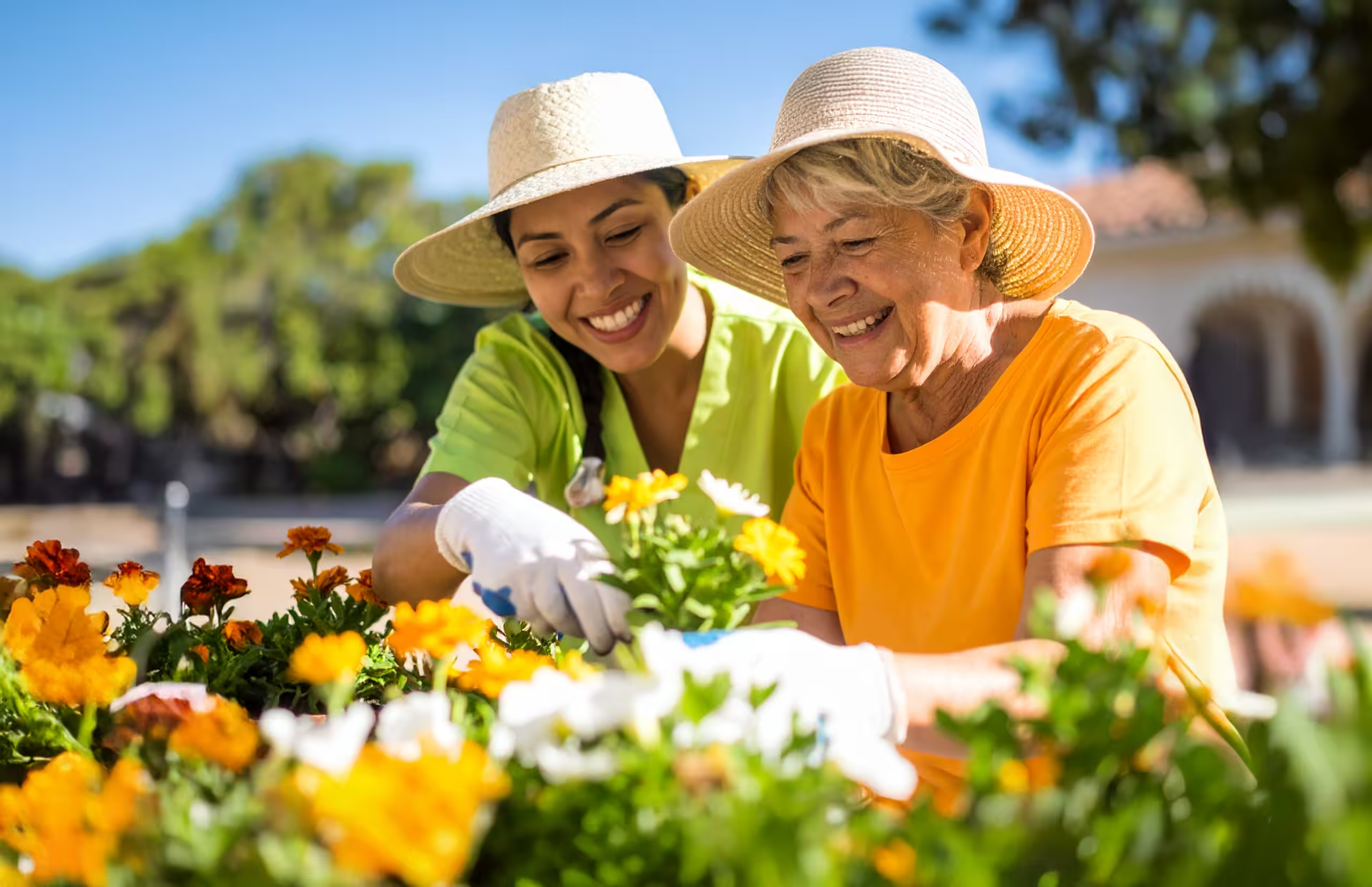
You stop showing up as the person who checks on things and start showing up as the person who loves them. You sit down and actually talk. You laugh at old stories without half your brain cataloguing what needs to be done before you leave. You’re present in a way that hasn’t been possible in a while.
A Real Conversation I’ve Had More Than Once
I’m Phil Mason, owner of Home Helpers Santa Monica. When I sit down with families for the first time, I often hear some version of the same thing: “I feel terrible that I can’t do more.”
My answer is usually the same. You’re doing too much. The problem isn’t that you’re not doing enough. It’s that you’re doing the wrong things. You’re doing the things a professional should be doing, and it’s costing you the thing only you can provide.
Only you can be their daughter. Only you can be their son. A Co-Pilot can handle the medications and the meals and the transportation. Nobody else can sit at that kitchen table and just be family. We handle the logistics. You handle the love.
What Sunday Dinners Look Like After
One of the families we work with in Playa del Rey described it this way after their mom had been with us for about two months. “Before, every Sunday dinner felt like a performance review. Were her medications in order? Was the house clean? We were so focused on what needed to be done that we stopped actually being together. Now that her Co-Pilot handles all of that during the week, Sunday dinners are just Sunday dinners. We talk. We laugh. We’re a family again.”
That’s what this is about. Not the tasks. The relationship that the tasks were getting in the way of.
You deserve to be a son or daughter again, not a full time caregiver. Call Home Helpers Santa Monica and let’s talk about giving your family its relationship back. (310) 691-5637
SOURCES & ANNOTATIONS
[1] 78% of family caregivers report experiencing burnout. Source: A Place for Mom 2026 Caregiver Burnout Statistics. https://www.aplaceformom.com/senior-living-data/caregiver-burnout-statistics
[2] 87% of caregivers report stress and anxiety; more than half experience it every week. Source: A Place for Mom 2025 Caregiver Survey. https://www.aplaceformom.com/senior-living-data/caregiver-burnout-statistics
[3] 84% of caregivers feel overwhelmed; nearly half experience it on a weekly basis. Source: A Place for Mom 2025 Survey. https://www.aplaceformom.com/senior-living-data/caregiver-burnout-statistics
[4] 47% of family caregivers say their physical health has declined as a direct result of caregiving. Source: A Place for Mom Caregiver Statistics 2026. https://www.aplaceformom.com/senior-living-data/caregiver-statistics
[5] 42% of caregivers experience emotional burnout at least weekly; 67% have significant sleep problems. Source: A Place for Mom Caregiver Statistics 2026. https://www.aplaceformom.com/senior-living-data/caregiver-statistics
[6] 64% of family caregivers hold full or part time jobs; average 22.8 hours per week spent caregiving. Source: A Place for Mom 2025 Survey. https://www.aplaceformom.com/senior-living-data/caregiver-burnout-statistics
The Most Comprehensive Care In The Industry
Physical Wellness
We make daily life easier as needs change, with support for personal care, mobility, medication reminders, and recovery after a hospital stay.
Learn More
Mental Well-Being
Staying active and connected matters. Our caregivers provide companionship and meaningful engagement to support emotional health and independence.
Learn More
Nutrition & Hydration
Healthy meals and proper hydration are essential. We help with planning, shopping, and preparation to support daily wellness and energy.
Learn More
Active Connections
Strong relationships bring comfort and purpose. We help seniors stay connected through social engagement, technology, and regular check-ins.
Learn More