Aging In Place

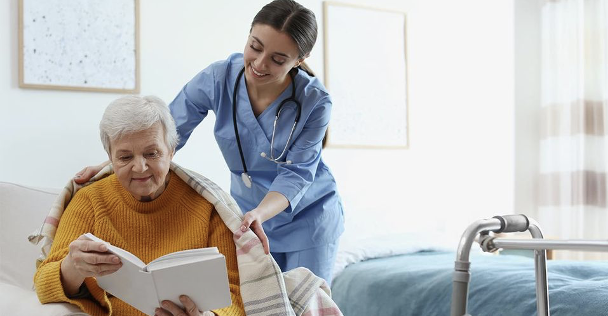
The cost of extended and assisted living facilities and apartments are rising, more seniors than ever are remaining in their homes or “Aging In Place.” Thanks to technology, medical advances, and an array of services available to the elderly and the handicapped, remaining at home is easier and more convenient than ever. Home Helpers Home Care, transportation services, delivery services, and an array of technical devices bring food, clothing, safety, and security to the senior couple living in a two – story home, or the single senior in a third – floor apartment.

This is the 21st century and the demands of millennials and generation Z benefit our senior aging-in-place population with services ranging from Uber, Lift, local community bus services, smart phones, smart speakers, smart homes, meal delivery services, medication delivery services, grocery store drive -up and delivery services, and video medical and counseling services. Improved in-home lifts, walk-in bathtubs and showers and voice controlled microwaves enable seniors to remain in their homes through their 80s, 90s, and beyond.

All this technology and medical advances can only work through educating, training, and providing usage guidelines to our aging population. With 77% of seniors wanting to remain in their homes as long as possible, and over 62% eager to take advantage of all that’s offered, Home Helpers Home Care South Tulsa is here to help. Our team of professional caregivers can introduce you to, and help you navigate 21st centuries advances which not only enable you to remain in your home, but to live a happy fulfilling life, in a safe, comfortable, emotionally healthy environment.

Categories

Summer Confinement – Senior Care

No one enjoys spending a bright, beautiful summer day indoors, yet seniors and the elderly recuperating from hospital admissions, surgeries, or outpatient procedures may find themselves bedridden or confined to one room. Being bedridden can be difficult to adjust to – being confined or homebound can lead to a multitude of medical and mental illnesses. Confinement is associated with tiredness, and an array of mental and physical illnesses – which can worsen in spring and summer months. It can have a pathological effect on the overall quality of life of both the patient and the caregiver.

As a caregiver responsibilities can double when caring for a loved one who is bedridden or confined. Bedridden patients require fulltime 24/7 care and attention. Daily bathing and hygiene usually require more than one person. Preparing nutritious [prescribed] meals, changing the bed, avoiding bedsores and screening for redness, rashes and skin breaks ‘on a daily basis can become exasperating and overwhelming. Communications, declines, and emergencies challenge the patient and the caregiver.

Caring for the confined patient offers similar struggles. Rooms must be large enough for medical equipment and prescribed bedding, be well ventilated and allow space for wheelchairs or crutches, chairs and/or tables. Providing activities which stimulate and inspire include television, computers, books, and magazines. Opportunities to interact online, access to podcasts and interactive media spur psychological stimulation. Human contact beyond that of the in-home caregiver enthuses mental and emotional well-being. Patients need to experience variations in their environment: Intersperse color in bedding, curtains, décor, and clothing. Social and psychic overload can befall those who care for confined or homebound patients. Caring for the caregiver is as important as caring for the patient.

Warm summer days and extended hours of daylight are a draw to outdoor activities. Caregivers long for long walks, sandy beaches, amusement parks and outdoor cafes’ – so does the bedridden and/or confined patient. Home Helpers Home Care South Tulsa provides guidance and support to caregivers – in the home, in assisted living and long-term care facilities. Your 24/7 requirement can be reduced to three hours a day or three days a week. Your loved one will receive physical, mental, and emotional care from a trained, professional caregiver.

Understanding the challenges of the confined patient and acknowledging the challenges of their caregiver is step one in meeting the psychological, emotional, and physical of both. Long, hot summer days can seem never-ending. Let us help. Call me to learn more.

Categories

Oklahoma’s Every Changing Weather

Will Rogers said, “If you don’t like the weather in Oklahoma wait a minute and it’ll change.” While warm days are great for outdoor activities, they can be dangerous for the elderly. As temperatures rise or fall throughout the day, people 65 and over can experience a chilling cold, or overexposure to heat. Their bodies don’t adjust as easily as young people to sudden changes in temperature. An aging brain is slow in activating sweat glands and dilating blood vessels to cool down. Chronic medical conditions and prescription drugs can alter bodily responses and perspiration. Heavy blankets and excessive clothing in an overheated room can lead to dehydration and heat related illnesses. Extreme drops in temperature can affect the cardiovascular system. Blood vessels become restricted, arthritis pain and swelling increases and migraines have been reported. Changes in the elderly’s physiological functions affect their ability to easily change or maintain body temperature. Very cold or very hot temperature variations can lead to muscle cramps, exhaustion, brain damage, fainting, stroke and cardiac arrest, lowering life expectancy in seniors and the chronically ill.

Dressing children in layers has become the norm, yet applying this to seniors is often overlooked. Automatic thermostats are great however many fail to automatically go from heat settings to air-conditioning. There are ways caregivers sensitive to Oklahoma’s changing weather can protect those they care for. Rather than a heavy comforter, provide thin easily removed blankets. Provide sweaters, shawls, and throws for cold temperatures and easily removable layers of clothing for the unexpected warm-up. How serious are sudden temperature changes? “Mortality for patients suffering from myocardial infarctions, for example, increased by 5 percent for a 1-degree-Celsius increase in temperature variability.” (E&E News)

Knowing how medications affect the body’s thermoregulatory system is crucial in care taking. When room temperatures cause internal temperature changes, the hypothalamus responds. It sends signals to various organs and systems in the body. If someone is hot, sweat glands release sweat and blood flow to the skin is increased. If someone gets cold their metabolism increases, blood flow decreases and the body produces heat. Thermoregulation allows the body to maintain its internal temperature – a process that is more difficult for the elderly and the chronically ill.

Sudden changes in Oklahoma weather midday, or early afternoon has been linked to an increase in emergency room visits by the elderly. Cleveland Clinic reported a direct correlation between consistency in outdoor temperature and patient recovery. Patients recovered faster when temperatures remained fairly constant for 24 hours or more.

Today it is in the 70s and tomorrow it might be in the 50s. Six days later it will be high 60s and days later in the 40s. Share this information with the person receiving the care and with family and visiting home-care providers. Something as simple as a shawl, a pair of socks or an easily removed blanket can contribute to providing comfort and possibly save the life of a loved one. The professional, trained caregivers of Home Helpers Home Care South Tulsa can help in meeting the specific needs of your patient in Oklahoma’s ever changing weather. Call us to learn more.

Categories

Suddenly A Caregiver – COVID 19

The New York Times posted an online article on March 24, 2020 with the byline: “All Americans Need to Shelter in Place. The article continues, …” the worst of the coronavirus pandemic is yet to come.” Based on the reporting we are hearing from government figures and medical specialists, there is a strong possibility this is true. However, many believe the phrase “shelter in place” is being misused. Shelter in Place is defined as: “To seek safety within the building one already occupies or finding a safe location indoors and staying there until you are given an ‘all clear’ or told to evacuate.” Most common situations in which shelter-in-place orders are given is when there is an imminent threat to people’s lives unless they stay exactly where they are.

Recent use of the term, related to the coronavirus, is a bit dubious. People are permitted to get in their cars and drive, to go to grocery stores and pharmacies, to pick up carryout meals or go through restaurant drive throughs. They can ride a bike (not in a group), go for a jog, run on a local track, or stroll in a local park. They can go to the mailbox, greet a neighbor across the street or next door and cookout on balconies and in backyards. Yet, the phrase remains government’s choice – and most of society complies.

With coronavirus affecting seniors, older people and people with pre-existing conditions, caregivers nationwide are facing new challenges. As nursing homes and senior centers close their doors, family members forced to work from home and homeschool – many for the first time, find themselves forced into caregiver roles. This is especially challenging for those whose patients are diagnosed with Alzheimer’s, schizophrenia or a mental illness. Picking up a loved one from a care facility can be frightening. Suddenly you are responsible for their care 24 hours a day, seven days a week void any knowledge or experience.

Here are tips for caregivers – seasoned and new. Begin by notifying immediate and extended family members. Contingency plans must be put in place however they should not be left up to a single family member. Friends, neighbors, co-workers and spiritual leaders should be made aware of your caregiver role. The more people who know what you are going through, the more help and support you will receive – and you’ll have a list of people to contact in case of an emergency.

When moving the patient from a care facility to your home, secure a copy of any medical records; ask about dietary needs, on-site physical therapy, scheduled doctor’s appointments and sleep and mealtime schedules. Major disruptions can lead to a decline – physically and psychologically. Maintaining your patient’s diet, schedule and routine makes for a smooth transition.

Once you arrive home contact the patient’s medical team, the pharmacy (prescriptions will now be delivered to you) and, based on local community requirements, emergency services. If medical equipment is used, ask for guidance on usage, cleaning and inspection. If a hospital bed is required, request one as soon as you are told the patient will be moving off site. Tricky situations include patients who are immobile moved to multi-story homes with bedrooms and bathrooms on upper levels. Stair lifts can be installed in just one day and can be easily removed when no longer needed. Be prepared to make adjustments to your home – the living room might become the patient’s bedroom. The children’s playroom might be turned into a permanent guest room. Because we have no idea how long the pandemic will last, be prepared for long-term in-home care.  

Schedules are important. You are responsible for meeting your patients, medical care, personal care, homemaker services and companion care. Ask immediate and extended family to help physically, emotionally and financially. Adjusting quickly might not happen, particularly with patients suffering a mental illness. Remember they are adjusting to you as well as you adjusting to them. They may experience stress or show signs of depression because they are causing you to make major lifestyle changes.  

Your patient’s sources of income, mail and legal papers including, Advance Medical Directives, DNR (do-not-resuscitate) HIPAA Authorization Form (Health Information Portability and Accountability), and Power of Attorney should be transferred to you. Laws are very strict about who can receive medical information, be included in conversations with medical professionals and make decisions.

Yes, your life will change, and we are here to help. Transitioning a patient diagnosed with a mental health disorder, or chronic medical disease isn’t easy. Home Helpers Home Care is here 24/7 to provide training, guidance, support and patient care. If you need an hour, a day, a week, or something long term, we can meet your specific needs. You are not alone. Call us to learn more.

Categories

Coronavirus – Oklahoma Caregivers

Home Helpers is actively monitoring the progression of the coronavirus, COVID-19, to ensure that we have the most accurate and latest information on the threat of the virus. As you know, this situation continues to develop rapidly. As new cases are identified in our communities our protocols will be adjusted as needed.

While most cases of COVID-19 are mild, causing only fever and cough, a very small percentage of cases become severe and may progress, particularly in the elderly and people with underlying medical conditions. Because this is the primary population that Home Helpers serves, we understand your concerns and want to share with you how our organization is responding to the threat of COVID-19.

We are following updates and procedures from the Centers for Disease Control (CDC) State Department of Health, local and county authorities, the Home Care Association of America and other agencies and resources. Our response and plans may adjust according to the recommendations from these organizations.

  • As a standard practice, we have an emergency preparedness plan in place. We will continue to follow it as this situation evolves or update it accordingly.

  • All caregivers follow established protocol regarding staying home when sick. This practice is not new to our staff.

  • Communication with caregivers to assess any known risk factors, such as travel to areas with widespread outbreaks or local contact in areas known to have reported cases are ongoing. We will advise them not to report to work if they are deemed high-risk.

  • We believe that home remains the safest place for you or your loved one, as indications show that the virus is spread more quickly in facilities and in larger groups or public settings. Possible exposure will remain the lowest for those who are able to stay in their homes with limited outside contact. For this reason, we feel fortunate to be able to provide personalized care and support which keeps people at home, thus limiting exposure in group settings.

  • For clients we serve who reside in facilities or other group-type living situations, we will work closely with the facility on any protocols, exchange of information, or other guidelines as necessary.

  • Many of our clients are especially at risk, given they are older adults or have underlying health issues. We are vigilant about our need to help protect these individuals from illness be it the flu, COVID-19, or any other communicable disease. These measures are not new to us as we seek to minimize risk regularly for our clients, regardless of an outbreak such as this new coronavirus.

Contingency Planning for You or Your Loved One

Depending on the severity of the spread of illness in communities or the response taken by national and state authorities (ex. mandatory isolation, closure of schools, etc.), our staffing levels may be affected. As a result, we may be unable to cover all shifts.  We will make every effort possible to provide our clients with safe and appropriate care and seek to avoid canceling shifts, however, we cannot guarantee this will not occur given the uncertainties about this situation.

At all times, regardless of a viral outbreak or other situation, we strongly recommend that our clients have alternative arrangements for the provisions of care in the event we are unable to provide services. We encourage you to begin considering and putting into place back-up plans now, as the severity of the spread of this illness and planned interventions is still uncertain.

What You Can Do to Protect Yourself and Your Family

  • Wash your hands often with soap and water for at least 20 seconds. Use an alcohol-based hand sanitizer that contains at least 60% alcohol if soap and water are not available.

  • Avoid touching your eyes, nose, or mouth with unwashed hands.

  • Avoid close contact with people who are sick.

  • Cover your mouth and nose with a tissue when you cough or sneeze, then throw the tissue in the trash and wash your hands.

  • Clean and disinfect objects and surfaces.

  • Eat well, drink lots of water and get rest to strengthen your immune system.

  • Have a family emergency preparedness plan that includes care coverage and back up support, if possible.

  • Stay at home and away from others if you are feeling ill.

  • If you have underlying medical issues that put you in the high-risk category, avoid large public gatherings or other places outside the home. Limit your contact with others.

If you have any further questions, please feel free to contact me. I want to assure you that we are following all the necessary protocol to protect our clients and your loved one. I will continue to update you as more information becomes available.

Categories

Senior Care Tulsa – Resentment

Seniors and the elderly, particularly those being cared for by others often resent the person caring for them, the family surrounding the caregiver and themselves. Guilt, defined as “the fact of having committed a specific or implied offense or crime” is linked to resentment along with self-deprivation. When an adult can no longer make decisions on their own about simple things like what to eat, what to wear and when to go to bed and get up, their very existence can become questionable. Patient’s requesting physician assisted suicide or euthanasia are typically well-educated and in palliative or hospice care – no pain is not a primary motivation; guilt self-deprivation and resentment are. Imagine not being able to use the wealth of knowledge you’ve achieved over the past 40-60 years. Imagine not being able to remain in your home, having the children whose diapers you changed changing your diapers, making eye-contact with a grandchild whom you fed as an infant, spoon feeding you because you can’t feed yourself. Wikipedia defines resentment as: “A mixture of disappointment, anger and fear – it compromises emotions of disgust, sadness and the perception of injustice.” Do you or your patient ever wonder, “How can I possibly go on like this…” Resentment stresses the mind and body and has been reported to be one of the most destructive emotions.

Anger and hatred can generate resentment, just as resentment can trigger anger and hatred. It is imperative caregivers understand their patient’s resentment – towards the caregiver, towards themselves and in recalling things they have said or done to others. All are equally unbalancing. Patient’s fail to achieve justice through self-denial when they awaken each day to the same physical, mental and emotional

The key word here – for the caregiver and the patient is “patient”.  Most seniors and elderly being cared for by a family member [in their home] don’t want to be looked upon as a patient. Patient is roughly defined as, “A person receiving or expected to receive medical care.” Does this definition describe the loved one you are caring for in your home, or the parent or grandparent aging in place? Most caregivers will say no, however when pressed, the response becomes yes. Caregivers render medical care, and a family member rendering medical care to another family member [older or younger] can trigger resentment on the part of the patient – and in some cases on the part of the caregiver. When both the patient and the caregiver are experiencing resentment, an unsafe, hostile environment can be created.

Resentment can cause mental and physical pain. Violence, drug abuse, alcoholism and behavior disorders. A recent survey found more than 30% of caregivers reported some or increased alcohol use since becoming caregivers. “Many in the medical community report recovery, respite, therapy and recuperative care can be impacted by resentment.” The US Library of Medicine / National Institute of Health reports: “Caregivers who experience social and emotional burden related to caregiving are at risk for problematic alcohol use and warrant attention from health and mental health service professionals.”  Family or group resentment can be more than harmful, it can lead to dangerous and/or harmful interactions.

Resentment encompasses anger, stems hatred, lowers self-worth and diminishes self-esteem. It affects all areas of a caregiver’s life – and the life of the patient. Professional mental health therapy and/or counseling is strongly suggested for both the patient, the caregiver and any extended family. A mental health professional can help both patient and caregiver identify what is causing the resentment and provide the tools needed to live within the realm of the new identity they are now facing.

Home Helpers Home Care is here to help. Knowing when to reach out for help, giving yourself [caregiver] and the patient a break is highly suggested. We provide 24/7 round the clock care and offer hourly, daily, weekly and long-term rates. You are not alone, let us help. Call me. 

Categories

Oklahoma’s Seasonal Allergies

Beyond the physical pain and discomfort of allergies, there is a connection between allergy symptoms and emotional and psychological behavior, particularly in seniors, the elderly and the homebound patient. Warm temperatures bring budding trees and flowering plants – the first signs of spring and for many spring fevers. The coughing, sneezing, watery eyes, runny nose and headaches can be felt outside and inside the home. Yes, pollen can get indoors and recent surveys show pollen counts may actually be worse indoors than outdoors. Pollen travels on your clothes, through doors and windows when opened and on pets. Any opening exposed to the environment contains pollen.

 “The stuffy nose, sneezing, and watery eyes help to remove the invading pollen – an allergic reaction which begins in the immune system and reacts to foreign invaders.” The connection to allergies and mental health include anxiety over the discomfort, stress from constantly sneezing, depression from the ongoing physical distress and sleep deprivation.  

Allergy sufferers may feel tired throughout the day, they may experience dizziness and confusion, be lethargic and sad. Patients diagnosed with an existing mental illness or behavior disorder can suffer psychotic episodes, pouts of crying, extreme loneliness and self-degradation. “Researchers report symptoms of ADHD, autism, and chronic fatigue in some allergy sufferers. Findings showed some allergy sufferers experienced chronic depression.

Seasonal allergy can affect the patient and the caregiver – disrupting their relationship and affecting communications. Sore throats, immobility and blurred vision can be an unexpected side effect triggering an emotional or mental breakdown. ““Large-scale population studies suggest that allergy sufferers are roughly twice as likely to have depression as people without allergies.”

Most caregivers and patients alike, are aware of bouts of allergies as spring, springs forward. Most have been diagnosed in the past and turn to over the counter or prescribed medications to ease the pain and frustration of seasonal allergies. However, if you or your patient is taking a new or different medication, is receiving a medical treatment or has recently undergone a medical treatment, talk to a doctor before doing “what you’ve always done” in the past. Various medications affect the immune system, over the counter and seasonal medications have side effects and as people age their bodies change. Even those tress and plants which look the same every year are affected by changes in the environment.

Pollen is a powdery substance with microscopic grains from the male part of a flower. “Did you know apples and pears are often related to birch tree pollen allergy; celery and carrots are linked to birch tree or mugwort weed pollens; and potato relates to grass pollen? True.. This is why it is important for you and/or your patient to see a doctor. Yes, it could be the allergies you experience every year, or it could be something very different. Protect yourself and your patient as you enjoy the beauty spring brings. You’ll be glad you did. 

Categories

The Psychiatric Homebound Patient – Tulsa

“Studies have demonstrated a reduction in psychiatric hospitalizations, reduced hospital lengths of stay, greater stability of the mental disorder and improved overall functioning” of the psychiatric patient who is cared for in the home. Yes, psychiatric care in the home offers a long list of challenges, yet, “care in the home implies greater autonomy and control of the patient.”

Psychiatric disorders are common among the homebound, often developing within months of a patient becoming immobile or bedridden. The two most prevalent among the homebound are depression and dementia. “Dementia, including Alzheimer’s disease is the leading problem associated with being homebound.”

Learn more about Alzheimer’s and Dementia care in Tulsa

Today, there are 3.6 million homebound elderly – and as baby boomers age, this number will increase. As the cost of long-term care facilities and institutions rise, the number of elderlies cared for in the home will also increase. Recent studies show 40% of homebound elderly have been diagnosed with a mental illness – and are successfully being cared for in the home.   

Caring for the psychiatric patient at home should begin with a home assessment by a medical professional and in-home psychiatric therapist. The availability of home-based therapy, psychotherapy, or counseling has increased, and with the addition of video counseling finding a qualified therapist is easier than in the past and well worth the effort. Although caregivers give 110%, assessments by medical professionals provide an additional support system.

As with any study or finding, many psychiatrist, therapist and counselors disagree with certain findings. There are studies which found psychiatric disorders were “higher” among elders confined to their home than those living in senior care facilities and institutions. What is best for your patient or loved one should include a medical and psychiatric assessment, in-home readiness screening, level of competency of the in-home caregiver, economics and finances.  

In summary most mental health professionals agree, psychiatric care in the home showed a reduction in psychiatric hospitalizations, stability of the mental disorder, and “greater autonomy and control for the patient”. There are several organizations and groups who support caregivers of homebound psychiatric patients. Don’t try and do this alone.

Our caregivers specialize in caring for the psychiatric homebound patient. We can provide training, guidance, support, assessments and referrals. You are not alone.  Call us to learn more.

Categories

A Patient’s Resolution – In-home Senior Care Tulsa

As a caregiver you observe your patient performing the few tasks they remain capable of on a daily basis. For the immobile or bedridden these tasks may be few and engulfed in reams of disappointment and frustration. Despite the imperfect activity or inactivity observed, unless a chronic mental illness prevents it, these patients too make New Year’s Resolutions. Caregivers busy with feeding, bathing and toileting can overlook basic emotional and psychological needs. Researchers have found everyone, even those requiring assistance to live each day, and those dying from a chronic illness make New Year’s Resolutions.

Many gather with family, friends, neighbors or co-workers and discuss resolutions for the upcoming years yet fail to include the patient they are caring for.  What resolution can a mentally ill, immobile or bedridden patient make? Researchers have found “to be kinder” tops the list of resolutions these patients make. Because they hear cruel words meant for the ears of others, are forbidden from participating in events, are denigrated, faulted or subject to hurtful or harmful actions, “to forgive” comes in second on the list of resolutions.  Even patients in the early stages of dementia and schizophrenic experience periods of knowing or sensing how they are being treated. As the disease progresses this can change, however expectations of the progression of their disease leads many to a New Year’s Resolution, “to forgive”.

As expected many patients desire change; in diagnosis, in living conditions, in caregivers, financially and socially. These patients resolve to “let go” having faulted and blamed others for their illness. They blame doctors, employers, family, governments and the environment. Their New Year’s Resolution is to “let go of the guilt”, “stop playing the blame game”, and for others “to accept the condition they find themselves in”. Other resolutions can range from becoming more involved in medical decisions to listening and responding to caregivers, and to finally writing a will.

Patient’s suffering from chronic pain want to be better communicators, they want to be more patient with those who don’t understand their pain. Patients suffering from depression want to be more “mindful” of those exposed to their episodes; and patients diagnosed with chronic physical disabilities want to be more “thankful” to those who support them, and more cognizant of the lifestyle changes caregivers are forced to make. 

Wikipedia defines resolution as: “…. A tradition in which a person resolves to change an undesired trait or behavior, to accomplish a personal goal, or otherwise improve their life.”  Based on the scientific findings of researchers, for the sick, the bedridden, the immobile, the mentally and physically ill, we can add “to improve the life of others” – for in each of the reported resolutions, these patients were thinking more about their caregivers and family than about themselves.

One area I failed to discuss was the New Years Resolution, “to die”. Researchers found this to rank in the top two for dementia patients (who were aware of their dementia), and patients homebound due to chronic pain. Though the finding was less than 3%, they believed the number to be much higher – primarily based on the increase in the number of people requesting assisted suicide. However, “evidence suggests that some people rescind their requests for assisted dying when they receive palliative and comprehensive care.”

Talk to your patient and ask, “What are your New Year’s Resolutions?”  You might be surprised at the responses you get. Despite all the love caregivers and family have for one another, sometimes a reminder is needed – regardless of physical and psychological diagnoses, “patients are people too.” 

Learn more about our Dementia care in Tulsa, OK.    

Categories

Blogging – Oklahoma Caregivers

WHY WRITE A BLOG

Most caregivers will tell you they don’t have time to blog, or don’t know what to blog about.  They will tell you they’re to emotional about their situation, or to involved or to angry or simply unhappy with who they’ve become. Blogging is the process of sharing these feelings with others who are experiencing the same feelings – and with those who are in-the know. It is a way of expressing how you feel and inviting others to make inquiries, offer suggests or just listen as a comrade, therapist or best friend might do. You can say things in a blog you might not have the nerve to say face to face. You can express how you really feel, although you might want to avoid sharing it with your patient; yet many caregivers have found allowing their patient to read their blog has encouraged open, honest communications, improved relationships and made the caregiver experience more infallible.

Blogging is a way of marketing yourself. Yes, caregivers should express openly all those things which work for them. From personal care to medical and emotional care. Share short-cuts, hints on interacting with patients suffering from mental illnesses, suggestions on feeding patients who refuse to eat, and most importantly self-care when you feel you are all burned out.

Blogging and blogging related activities have health benefits, physical and psychological. Caregivers often spend so much time performing tasks, they don’t have the opportunity to utilize “expanded mental” skills. How many times have you said, “I don’t have time to think about anything, I just go from sunup to sun-down.” Once your blog is working, you can not only make connections with other caregivers, you can earn blogger income.

Blogging can help you stream-line your schedule and tweak your routines. It is an activity which can happen anywhere. Try waking up a half hour before your patient to put a few thoughts on a page. Thanks to technology you can dictate while you’re on the treadmill, or while preparing the morning meal. Once you put that first sentence on the page, you’ll find yourself invigorated, energized and motivated to keep going. You’ll look forward to making time for blogging which will lead to improved organization. As each day’s events take place, you’ll discover little things you can talk about or discuss in your blog.

Blogging will lead to a pipeline of caregivers – a targeted community of people just like you, facing financial, social, economic and physical challenges. Don’t have time to read the news? Put it in your blog and watch responses fill the page. Share your interests, books you enjoy, music which inspires you – you might even get advice on books and music you should share with your patient.

Don’t know where to start? Write a question and answer blog.  Express what’s frustrating you, what’s challenging you on a daily basis, then wait for the response to poor in. You’ll be shocked at how many people will find you, and even more so at how many will have answers to your questions. Writing a blog will affect you emotionally.  It will assist in helping you maintain some resemblance of sanity. Especially if you are a new or more recent caregiver.

Blogging can help you measure your success as a caregiver. Caregivers who blog have often overcome the stigma of hiring someone to help out. Many have found it easier to reach out to family and friends for assistance. It’s nice to have facts to substantiate the decisions you are making – these too can come from blogs. Lastly, blogs can bring in money. Below is information taken from a blog:

“One of the most common ways bloggers make money is through placing ads on their site. There are two popular types of ads:

  • CPC/PPC Ads: Cost per click (also called pay per click) ads are usually banners that you place in your content or sidebar. Each time a reader clicks on the ad, you are paid for that click.

  • CPM Ads: CPM Ads, or “cost per 1,000 impressions,” are ads that pay you a fixed amount of money based on how many people view your ad.”

Perhaps the most popular network for placing these types of ads is Google AdSense. With this program, you do not need to be in direct contact with advertisers; you simply place the banner on your site, Google chooses ads relevant to your content, and your viewers click on the ads. There are countless similar programs available if you find that AdSense doesn’t work for you, such as Chitika, Infolinks, and Media.net. 

Sell Private Ads·       

  • Working with advertising networks isn’t your only option when it comes to selling ads. If you end up with enough traffic, advertisers may come directly to you and ask you to place their ad on your site. You can also contact advertisers yourself. The biggest difference from the above-mentioned option is that there is no middleman, which means you can set your own ad rates. “

https://www.bloggingbasics101.com/how-can-i-make-money-from-my-blog/

CONCLUSION

Seriously look at your daily schedule. Do you have children who can monitor your patient when they return home from school?. Can you get up 30 minutes early or take 15 minutes at the end of the day to blog? It doesn’t have to be perfect, and you’re not going to post it until you proofread and edit it for content, grammar and punctuation. Blogs aren’t perfect because the average blogger isn’t perfect. You’ll be surprised at the content of some of the most popular blogs.

Have I inspired you to begin blogging?. The rules are simple and the same as the ones you give your children, or family members; don’t share your patient’s financial information or the details of your financial situation. Saying money is short, or times are hard is appropriate, however specifics are not. Asking for financial assistance or help is appropriate, however check references before connecting with any suggested financial, medical, or psychological referrals.

Have a wonderful holiday seasons and start 2020 on a positive note….. Write a blog. Even if you never post it, you’ll be glad you did.


Categories

© Copyright 2026 H. H. Franchising Systems, Inc, All Rights Reserved.