
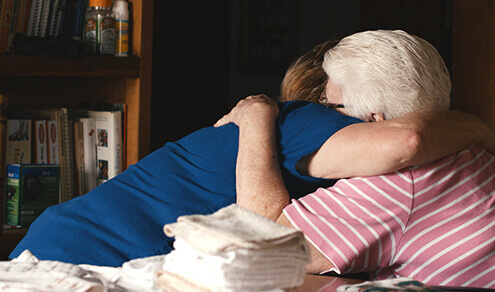

Even the home-bound or immobile patient can share in a celebration of rebirth and renewal. After a long winter of weighty clothing, heavy blankets and drawn drapes, caregivers can hang light-weight colorful window treatments, add colorful sheets and blankets, spring flowers, oils, and scents to a patient’s room. It’s a mood booster for not just the patient but for the entire household. Although Oklahoma weather can “change on a dime,” most March and April showers are warm showers giving patients the opportunity to enjoy the warmth, take in some outside air and appreciate the increased hours of daylight.
FRESHEN UP: Flowers bring color and scent – stimulating remembrance of a time, a place, or a person. Familiar music such as April in Paris, You Must Believe in Spring, Spring is Here, and the extensive list of religious and sacred songs celebrating spring and Easter can add ambience to a room.
With renewal and rebirth comes updating and decluttering. Changing colors, paintings and artwork can be fun, yet caution should be taken in deciding the kinds of colors and where they are being placed. Variants in mood and emotions should be monitored when changes are made to a patient’s environment.
EASTER FUN: Easter Bonnets, East Baskets, Easter Eggs and if appropriate, religious and/or sacred matter can be part of the celebration. The mental health community reports colorful and/or fruitful surprises stimulate brain activity and positive emotions. An April issue of the Journal of Neuroscience reports, “The brain’s pleasure centers [nucleus accumbens] are more “turned on” [much more active] when we experience surprise and unpredictable pleasant things.”
VISITATION: Inviting extended family, neighbors, church members and friends can be fun for both the patient and the caregiver. However, consulting a doctor or physician prior to extending invitations is important – particularly if the patient has been diagnosed with a mental health disease or disorder, dementia, Alzheimer’s, stroke, or heart disease. Once permission is given dress the patient in something they like and would want to be seen in. Religious leaders across the country visit hospitals, extended care facilities and in-home patients on Easter Sunday. We live in a very diverse society. Make sure the patient is prepared and would appreciate the visit – and the guest and/or visitor knows what to expect.
EASTER BASKETS: There is a lengthy list of items you can fill a basket with to bring interest, surprise, and joy to the patient. Select items they can use and some just for fun –did you know seniors like bubbles just as much as toddlers, adolescents, and young teens. A new frock in their favorite color, plastic eggs full of a favorite snack, an ornate egg, a fabric basket for knick-knacks, or Easter dinner served on a fun colored plate – all can be added to the list.
Make the most of each season and every opportunity to bring joy to the patient you care for. The rewards are many and for most shared equally, between the caregiver and the patient they love.
Home Helpers provides professional training, guidance, education, and support to in-home caregivers of all ages. Whether it’s respite, rehab, or long-term care, we are your provider of choice. Call us to learn more.

Regardless of how the event is characterized, an elderly patient can believe they are facing a situation in which a difficult choice has to be made – a choice transgressing a moral principle. Often, these events or dilemmas are a result of gaslighting, a practice that involves manipulating someone into doubting their own memory or reality. Gaslighting is unethical, harmful, morally wrong, and detrimental, especially when directed at the elderly. It can lead to mental health breakdowns, physical pain, behavior disorders, suicidality, criminality, and in some cases the death of the patient or a loved one.
Gaslighting (intentional or unintentional) can erode trust and damage relationships with family, friends, and even caregivers. With the upcoming political season, conspiracy theories, and questions around the mental fitness of candidates, the patient can become confused, mistrust their preferred news network, suspect their favorite commentator, distrust the internet, and social media sites. Something as simple as an overheard conversation by a family member can trigger confusion, especially if the discussion highlights pros and cons that challenge a patient’s long-held beliefs. Many seniors (the elderly) become anxious and find it stressful if they are challenged to evolve or change – especially if they feel the world they know is falling apart around them.
Gaslighting is an abusive practice. Many of the elderly face challenges such as cognitive decline, physical health issues, and social isolation. Gaslighting this population enflames low self-esteem, anxiety, fear, apprehension, and long-term trauma. Despite feeling something is wrong, or knowing their emotions are being played upon, many victims continue to have a baseless dependency on, and belief in, the sources they trust. Though most perpetrators are someone known, gaslighting can come from newspapers, radio, magazines, television, journalists, social media sites, internet sites, trusted organizations, and clergy.
Seniors and the elderly have lived a long life – good or bad. They have seen a lot and experienced a lot – which can make them “set in their ways.” Gaslighting this population, particularly the physically challenged, mentally challenged, scapegoated, disenfranchised, mentally, physically, or financially stressed is especially cruel. “Gaslighting is an insidious form of manipulation and psychological control. Victims of gaslighting are deliberately and systematically fed false information that leads them to question what they know to be true, often about themselves” – (Psychology Today, 2017). Elder abuse and bullying can be a form of gaslighting.
Because gaslighting is so threatening, be aware of the signs; denial of the truth, questioning long-held beliefs, fear of people, places and things once believed in and respected, and constant shifting of blame. If you suspect your patient is a victim of gaslighting, offer support, encourage communication, and share your concerns with the patient’s family, physician, counselor, and/or therapist.

Sitting mom or dad in front of the television can have the same effect as plopping a two-year-old in front of the cartoon channel. A whole aspect of a child’s development and a senior’s health depends on socialization and interaction. Many caregivers feel they are doing the right thing by keeping mom and dad at home. They love their parents and want the best for them; however the long list of responsibilities and obligations of in-home care can be daunting. Making time for spouses, children, work, and household chores by providing your loved one (patient) with round-the-clock access to situation comedies, reality shows, sports, movies or 24/7 news channels can affect their physical health and mental wellbeing.
As our elderly age, lose the ability to drive, are uprooted from a home and community they love, suffer health issues, and become immobile or homebound, social isolationism develops. Hours of sitting alone in front of a television directly affects mood, emotions, behavior and thinking. TV programs generating anger, anxiety, unhappiness, or scaremongering affect how they interpret events in their own lives. Television’s negative sensationalism can trigger fear of their situation, of health problems, of incontinence, immobility and of becoming a burden. Long hours in front of a television set are as unhealthy as long hours alone staring into space. Older adolescents, teens and adults enjoy time away from the “rat race”- time to relax, gather thoughts, make plans, and solve problems. However there is a big difference in family members getting some time alone and seniors experiencing isolation.
Caregiving extends beyond providing basic needs. Caring for a mom or dad [in your home] who can no longer care for themselves is comparable to caring for a toddler or very young child. The exception being the patient’s psychological, emotional, and spiritual needs. Providing a patient with social ties, inclusion and interaction can preserve their mental health. Researchers have found elderly who engage with others have fewer health problems, fewer colds, and less incidents of heart disease, stroke, dementia, and Alzheimer’s.
Just over 73% of in-home care is provided by family members. Bathing, dressing, toileting and diapering mom or dad can be emotionally challenging for the child and the parent. The challenge increases and emotions rise when bathing and toileting a parent diagnosed with dementia, depression, or a behavioral disorder. When you both are embarrassed, and frustration sets in flight happens. Turning on the television and leaving the room becomes easy.
Fulltime family caregivers are often forced to give up jobs, friends, and relationships. Like their patient, they can experience loneliness, solitude, and isolation. Parental, elder, and senior caregiver abuse is often linked to long periods of caregiver seclusion – breeding unhappiness, dysfunction and long hours of personal worries and anxieties for the patient and the caregiver. And once again, they’re plopped in front of a TV – often both the patient and the caregiver, in different rooms.
You can maintain a positive relationship, love, and respect for the parent you so bravely agreed to care for. Make inclusion, interaction, and engagement a priority. Just as you would for a toddler or young child, consciously limit time alone with the television. Whether you are caring for a loved one in their home or in yours, maintain dignity in your life and in theirs with a professional caregiver three or four hours a day, or a couple of times a week. Home Helpers Home Care South Tulsa can make a world of difference providing guidance, training, and support. We can take on those caregiver tasks which make both you and your patient uncomfortable. We are family when family can’t be there due to scheduling, or the need to just “get away”. Forcing yourself to do it all can be harmful and heartbreaking to the parent you love and create memories you’d both rather forget. Let us help. Call now.
Categories
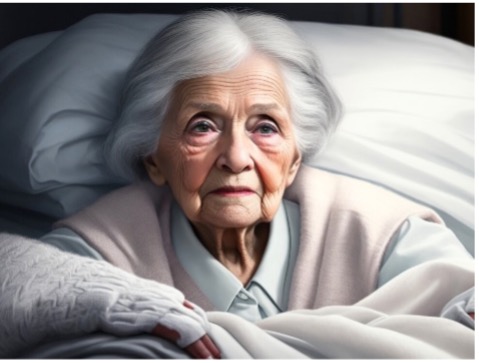
Sundowning, a symptom of Alzheimer’s and dementia, is not a disease but a dementia-related behavior. It occurs when cognition or behavior declines in the afternoon or evening. Although the exact cause is unknown, it may occur due to disease progression and changes in the brain. Symptoms can include disorientation, aggression, confusion, insomnia, anxiety, hallucinations, irritability, and sleepwalking. Sundowning can also occur in mentally ill, bed-ridden, and homebound patients.
When the patient is sundowning, they are in a state of mental confusion. Many in the psychiatric community associate it with delirium “precipitated by diminished illumination” causing anxiety, confusion, and symptoms of depression. Alzheimer’s and dementia patients depend on daylight to identify their environment and determine when to awaken and when to go to sleep – their 24-hour biological clock. When the sun goes down, or when there is no sunlight, the front part of their brain (which regulates stimulus and response) tells the patient it is time to sleep. When sundowning their dementia prevents this from happening.
When sundowning, patients may become confused about their surroundings, time, and place. They may have difficulty recognizing people or objects. They may display restlessness, have problems falling asleep, and become dependent on others for reassurance and support during evening hours.
If your patient is displaying symptoms of sundowning brighten the light in the room. Studies also found reducing soft drinks and coffee in the late morning and early evening hours helped, as did scheduling physical activities, outings, and appointments early in the day. As late evening and nighttime approach, avoid television shows, books, media which over stimulate, and subjects which dredge up bad or unpleasant memories. It is important to note that not all dementia patients experience sundowning. Discuss symptoms with the patient’s doctor to confirm the patient’s symptoms are related to sundowning.
Categories
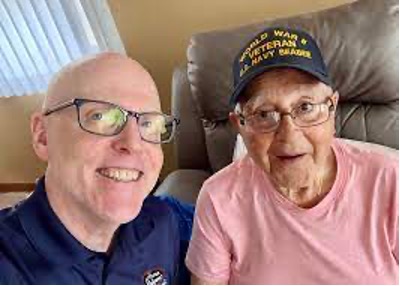
June is post-traumatic stress disorder (PTSD) month. PTSD is a mental health condition particularly prevalent among military personnel due to the unique and highly stressful nature of their work. In the military, individuals may be exposed to a range of traumatic events, such as combat, witnessing death or injury, being under threat, experiencing explosions, and enduring prolonged periods of high stress. These experiences can have a profound impact on a person’s mental well-being and may lead to the development of PTSD.
Symptoms of PTSD include intrusive thoughts, flashbacks, nightmares, memories of the traumatic event, avoidance of people and places they once enjoyed, and avoiding activities and places that remind them of the event. Other symptoms include heightened emotions, and feelings of guilt, anger, fear, and shame. Physical symptoms include but are not limited to trouble sleeping, irritability, being overly aggressive, being reckless, having a negative outlook on life, experiencing loss of self-pride, and loss of self-confidence. Patient may also experience high blood pressure, heart disease, and chronic pain.
Trauma (PTSD) effects three areas of the brain, the amygdala, hippocampus, and prefrontal cortex. These areas regulate emotions and responses to fear. People diagnosed with PTSD can have problems differentiating between past and present, or recalling certain events. They can also experience fear, stress, anxiety, panic, and depression. The challenges of reintegrating into civilian life after deployment can create trauma leading to PTSD.
Home Helpers Home Care South Tulsa make it easy for those who have served to get the care they need.
Our Veterans Aid and Attendance Pension provides benefits that reduce the cost of care for veterans and surviving spouses who require the service of another person to assist with activities of daily living. This is a veteran’s pension benefit and is not dependent upon service-related injuries for compensation. With this benefit, veterans and loved ones are better able to afford Home Helpers Home Care.
Our affordable, exceptional care for veterans includes companion care, personal care, transitional care, Alzheimer’s and dementia care, homemaker services, respite care, disability home care, end of life care, and senior home care.
Categories
Our elderly and senior population have so many experiences and so much knowledge to share. Though some might say “I don’t want to talk about it” studies have been done, and researchers have documented that like prediction, visualization and manifestation, a pen coupled with a piece of paper is a powerful tool. Beyond overcoming specific life changes, and facing obstacles, encouraging seniors to write it down has its benefits. Research shows the use of journaling furthers mental, physical, and emotional wellness; lowers anxiety, and reduces stress.
Many patients feel they are a burden to the family caregiver, they feel embarrassed when someone toilets or baths them, they feel a loss of self when they can’t make decisions for themselves on when to get up, when to go to bed, what to eat, or how to dress. Journaling gives them a way to recall good memories, document history, and express frustrations. It is an outlet and useful tool in understanding feelings and coping with anxiety. Dr. John A. Patterson, MD, MSPH suggests, “Emotionally expressive journal writing can lower high blood pressure, reduce arthritis pain, asthma severity and cancer pain. Journaling correlates with intelligence, boost memory, improves self-discipline and spurs creativity as it furthers mental, physical, emotional, and spiritual health and wellness.” It is also a great tool for family and caregivers to monitor their patients’ inner thoughts and feelings.
Psychotherapist and journaling expert Maud Purcell says, “Writing accesses the left hemisphere of the brain, which is analytical and rational. While your left brain is occupied, your right brain is free to do what it does best, create, intuit and feel. In this way, writing removes mental blocks and allows us to use more of our brainpower to better understand ourselves and the world around us.”
Inspiring your patient to begin journaling can be challenging. Today less than 23% of our population journal. Many say their lives lack meaning, or no one wants to know what they are thinking. Others push back because they’ve experienced trauma in their life and don’t want to share it. Letting your patient know they have something to offer, that their life experiences can help someone else, and the importance of lessons learned, can get them started.
June is Alzheimer’s, Dementia and Brain Awareness Month. The psychiatric community strongly suggests journaling for patients with brain injuries. Researchers found journaling helps the person with dementia with their daily orientation, gives them a way to express their feelings, and maintain a sense of self.
This form of relief is strongly suggested for both the patient and the caregiver – particularly if there are children in the home. Children, especially adolescents and teens can feel someone is intruding on their life. If they had to give up a room, help in caregiving, or be told they can no longer participate in extra-curricular activities, they are suffering a loss. Though they eagerly give help, and support, journaling gives them an outlet. Parents can begin by saying “write me a letter telling me how you feel about grandma moving in.”
Whether it’s a leather bond journal, a three-ring notebook, a MSWord document, or scratches on a yellow pad, take advantage of the many mental health benefits of journaling.