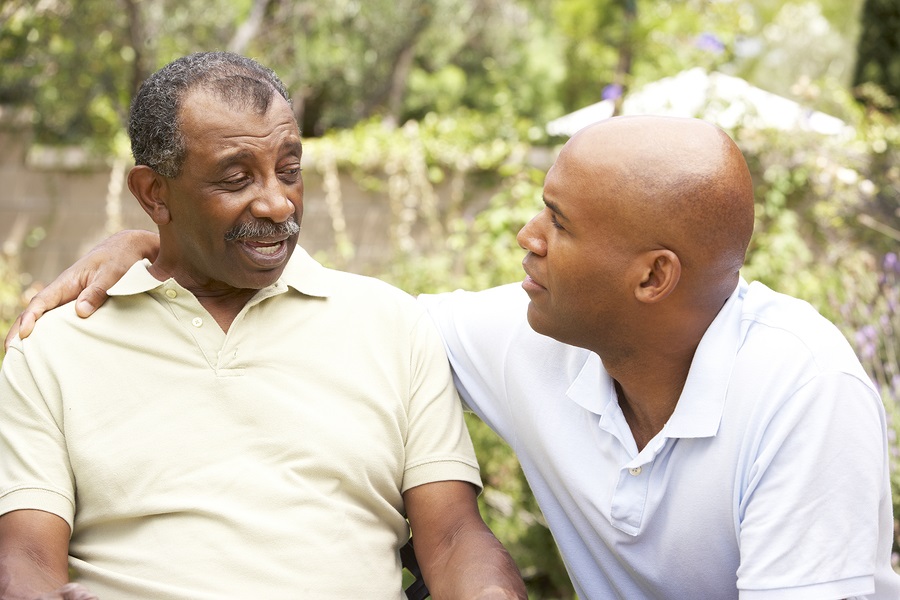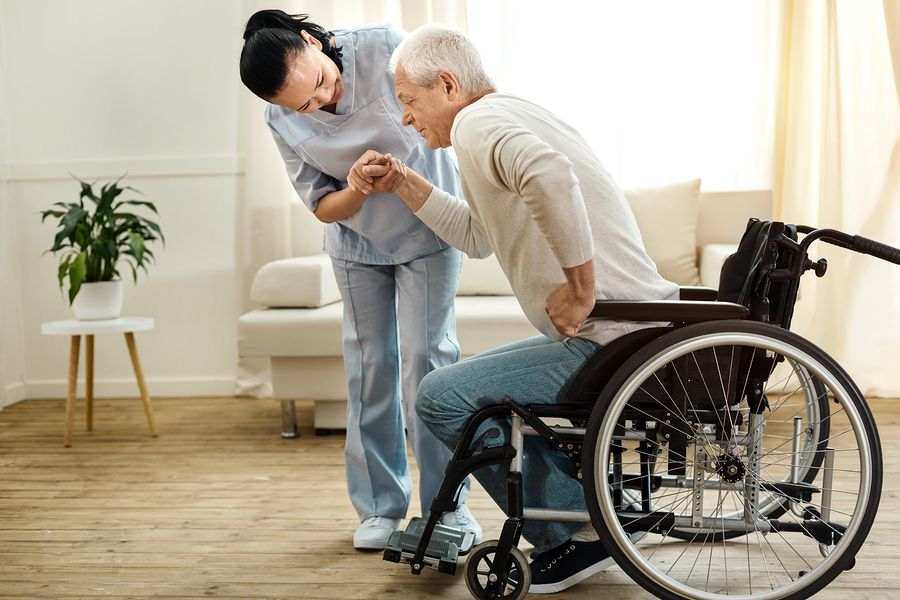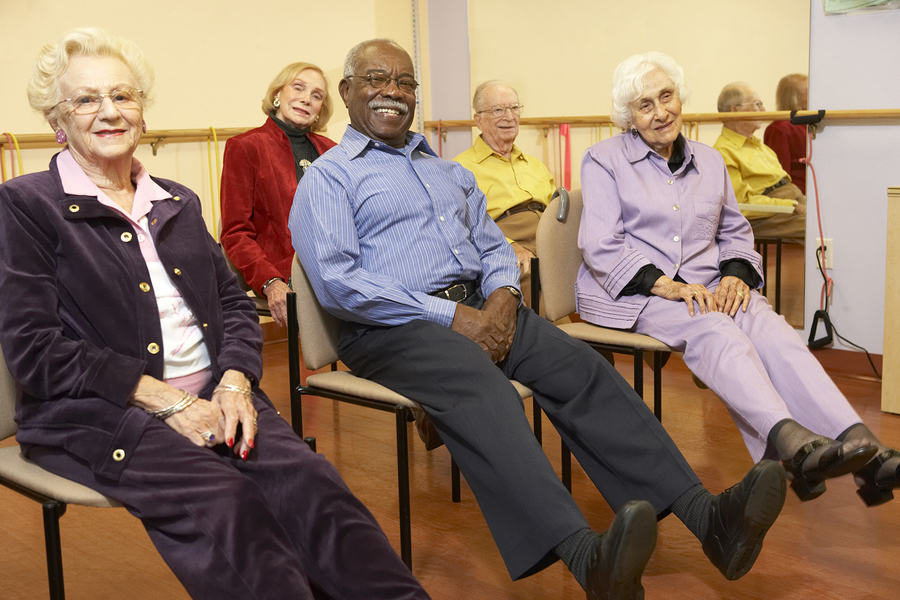
Five Practical Steps for Helping Your Senior to Manage Isolation and Depression

Depression and isolation are huge issues for aging adults. It’s way too easy for your senior to give up on being around other people, and that can be a dangerous perspective for her to have.

Talk to Her Doctor about General Health Issues

There are a lot of different reasons that people become isolated, and sometimes those reasons have to do with health issues that are more difficult than they used to be. Talk to your senior and to her doctor about how her health is impacting her emotional well-being. There may be adjustments that her doctor can make to prescriptions or to other treatments that help.

Adjust Diet and Exercise

It might be a good idea to look a little deeper, too. How is your senior eating? Is she getting any exercise? Her doctor can help your senior to understand how much exercise she should be getting and what her diet should look like right now. Even making small changes can help quite a bit with how she’s feeling.

Work out How Well She’s Sleeping

If your elderly family member isn’t sleeping well, that has a huge impact on how she’s feeling. She may not be aware of how much sleep she’s getting. Poor sleep can manifest as daytime sleepiness and difficulty concentrating well. Many fitness trackers automatically track sleep if your senior wears the tracker to bed, so that might be an option.

Put Together a Plan for the Social Isolation

It’s tough to make new friends at any age, but especially when someone is older. Talk to your senior about what activities she wants to try, if any. There might be ways that she can meet people who have similar interests as she does. Even if she doesn’t want to be more engaged in that way, hiring home care providers can help with feelings of isolation. They can also help with other tasks, too.

Help Her to Find a Purpose

Lots of aging adults feel as if there’s no reason for them to be around. That’s a sad statement to hear from your elderly family member. Help her to find a specific purpose that she can direct her energy toward. If she knows that she’s helping someone, that can bring her a little bit more of a reason to keep reaching out to others.

Growing older isn’t easy for anyone. So much may have changed for your senior, and it is important for you as her family caregiver to be aware of how she’s feeling so you can help when necessary.

IF YOU OR AN AGING LOVED ONE IS CONSIDERING HIRING HOME CARE IN SARATOGA, CA, PLEASE CONTACT THE CARING STAFF AT HOME HELPERS TODAY (408) 317-4969.

Categories

Stress Affects Most Family Caregivers, and Elder Care Can Make a Big Difference

Many times we don’t realize just how much stress is impacting us. We don’t notice how it is affecting our families, friends, and loved ones in our small circles of life. Yet, it has such an impact that it can destroy relationships, affect finances, and even deteriorate health.

Elder care is a great option for those family caregivers who are feeling overwhelmed by stress and pressure of this job. Unfortunately, not enough family caregivers realize that is exactly what it is: a job.

They see it as their personal responsibility.

That is certainly fine. And it is noble. However, when you are not paying attention to how much stress is impacting you and your life, you can run into serious trouble.

April is Stress Awareness Month and for those family caregivers who are feeling the effects of stress, feeling pressured, feeling anxious, having difficulty sleeping at night because they worry about this family member they are supporting, and so forth, it is time to look at elder care as an option.

What is elder care?

This covers a wide range of topics within the realm of senior care services. It is basically focused on care that support elderly men and women, whether in their home or at a facility.

The most common types of elder care include home care, assisted living, and nursing home care. While nursing homes are the least sought after, they could be completely necessary for some individuals who require significant medical attention around-the-clock.

However, assisted living and home care are the best options for those seniors who are dependent on family members for their care at the moment.

Why home care is even better?

Most seniors would prefer to remain in the comfort of their home, if possible, even if they require a significant level of care and attention each day. Home care can be provided for just a couple of hours one or two days a week.

It can also be around-the-clock care, just like at a nursing home or assisted living community.

The fact that more seniors would prefer to remain home is a testament to their desires to be comfortable and safe. With the different types of elder care available, there is no reason a family caregiver should have to continue undergoing significant stress and strain in their life.

Simply turn to elder care, talk about the various elder care options there are, and help the senior choose one that will best meet their needs now and in the future.

IF YOU OR AN AGING LOVED ONE IS CONSIDERING HIRING ELDER CARE IN LOS ALTOS, CA, PLEASE CONTACT THE CARING STAFF AT HOME HELPERS TODAY (408) 317-4969.

Categories

How Can Your Senior Manage Arthritis Pain in Her Hips?

Hip joints get a lot of wear and tear over the years. The hip joint is one of the biggest joints in the body and every time your senior takes a step, extra strain gets added onto that joint. As she ages, your elderly family member may be dealing with painful arthritis in one or both hips.

Consider Some Lifestyle Changes

Lifestyle changes are often incredibly helpful with all sorts of health issues, including arthritis pain in your senior’s hips. These can be difficult changes to embrace, though, because often if your senior wanted to do these things, she would have. Losing a little bit of weight can help to take some of the strain off of her hip joints. Exercise, particularly exercise that stretches and strengthens the muscles and tendons around her hips can be helpful, too. Water exercises may also be easier to do.

Use Assistive Devices if Necessary

There’s no shame in using walking aids, particularly if your senior is having an especially pain-filled day. Crutches, canes, and walkers all help to ease the strain on the joint while ensuring that your senior is able to keep her balance. She may only need these tools every once in a while, but she should definitely use them when they’re necessary.

Talk to Her Doctor about Medication or Surgical Options

There may be more that your senior can do for her arthritic hips. Topical medications like NSAID creams and capsaicin creams can offer a bit of relief. If those don’t work, then oral NSAIDs may be more effective. Depending on the damage, your senior may benefit from surgical options, too. Trying the solutions that feel right for her is key.

Encourage Her to Rest When She Needs It

The most important thing that your senior needs to remember about dealing with arthritis pain in her hips is that resting when she needs to is not selfish. That time that she spends resting can help her to recover, especially if she is doing things like exercising when she’s able to do so. Having a caregiver who can help during those bad days is also important.

Dealing with arthritis pain in her hips is not a one size fits all situation. Your elderly family member may need to try several different solutions at different times to find a combination that helps her consistently. Over time, she may need to try more complicated solutions to feel relief.

IF YOU OR AN AGING LOVED ONE IS CONSIDERING HIRING CAREGIVERS IN CAMPBELL, CA, PLEASE CONTACT THE CARING STAFF AT HOME HELPERS TODAY (408) 317-4969.

Categories

Getting Your Elderly Loved One Back Into Hobbies – Even if They Have Alzheimer’s Disease

Is your elderly loved one trying to find joy and purpose in their life? Many senior citizens start becoming bored with their life. If this is the case for your elderly loved one, you may want to try getting your elderly loved one back into hobbies. Even if your elderly loved one has Alzheimer’s disease, chronic pain, or another health condition, they can participate in hobbies they enjoy. Here are some tips that can help you to get your elderly loved one back into hobbies.

Find the Best Time

One of the ways that you can get your elderly loved one back into hobbies is to find the best time. For instance, your elderly loved one may be more energized in the morning when they are with their elderly care providers. This might mean that you have the elderly care provider help your loved one with a hobby. Finding the best time will make your elderly loved one much more likely to participate in hobbies they enjoy.

Bringing Up Past Hobbies

If your elderly loved one’s long-term memory is better than their short-term memory, they may want to participate in hobbies they enjoyed a long time ago. For instance, when your elderly loved one was in their 30’s they may have enjoyed painting. This might be something that you and the elderly care providers try to get your loved one back into. You may have to try out a few hobbies until you find one that your elderly loved one enjoys.

Getting Help

If you have been trying to find things for your elderly loved one to do, but can’t find the right option, you may need to get some help. You can talk to other family members to see if they know things that your elderly loved one used to enjoy doing. You can talk to the elderly care providers to see if they picked up on anything through conversation that your loved one might like to do.

Conclusion

These are some of the ways that your elderly loved one can get back into hobbies. As a family caregiver, it is important to remember that you should keep your elderly loved one active. The more joy they have in their life, the happier they will be. Finding the right hobbies for your elderly loved one could make things much better for them. It might take a while to find the hobbies that your elderly loved one will enjoy the most. However, once you do, you should see that they are happier and more content with their life.

Sources

https://www.nia.nih.gov/health/adapting-activities-people-alzheimers-disease

If you or an aging loved one is considering hiring elderly care in Saratoga, CA, please contact the caring staff at Home Helpers today (408) 317-4969.

Categories

The Three Most Common Medicare Scams

Medicare is one of the best programs that the United States has come up with. It ensures that most people over sixty-five can obtain essential health services without going bankrupt.

Unfortunately, Medicare is also susceptible to con artists who use stolen or misused information to make a quick buck. To protect your senior–and the Medicare system–caregivers will want to be informed about the most common forms of Medicare fraud.

Billing for services never received

This type of fraud generally occurs when a scammer obtains your senior’s Medicare number. Using that number, the fraudster can then bill Medicare for services that the patient never receives.

Possibly the most famous instance of Medicare fraud was the case of June Smith, a seventy-two year old woman who discovered that her Medicare account had been billed for a pregnancy test and a prostate test.

When this kind of fraud occurs, it’s likely that no medical service of any kind was received by anyone. Instead, fraudsters set up fake medical establishments and bill Medicare with stolen identification.

Medicare employees are surprisingly reluctant to identify this kind of theft. Even after reporting fraud to Medicare, June Smith, discovered that several more bogus bills were paid out. Apparently, no one at Medicare took the time to notice that she was a woman or that she had obtained a hysterectomy before paying the fraudulent claims.

Billing for Services Different From What Was Received

Some doctor’s offices are more scrupulous than others. Bill padding occurs when a medical practice treats your senior for a health issue, then bills Medicare for treatments that were not received.

For example, if your senior goes to the doctor for a broken shoulder and the x-ray shows a clean break, and the doctor says, “time will heal,” the senior’s Medicare account should only be charged for the x-ray and diagnosis. If a medical clinic charges for setting the bone and applying a cast, that would be fraud.

Telling a Senior That Medicare Will Pay For a Service That Is Not Covered by Medicare

Unfortunately, medical practices often tell a senior or other patient that their treatment will be covered by insurance. Then a month or so later, the patient gets a huge surprise bill.

This is potentially the most damaging form of fraud to the patient herself, because she may now have to pay a bill she did not plan for. It can be very difficult or impossible to prove that a doctor said the service was covered. And, in some cases, the doctor himself was mistaken about what services are covered by Medicare. In any event, the patient is generally responsible for the bill.

How to Prevent Medicare Fraud

Seniors often need advocates when they go to a doctor’s office or clinic. The advocate can be a caregiver or a home care worker. The advocate’s job is to ask questions, check information against the Medicare handbook, and make sure that the senior’s Medicare card doesn’t get into the wrong hands.

In conclusion, Medicare is a huge help to most seniors. But, like many systems, it is susceptible to abuse and corruption. Caregivers need to be aware of the most common Medicare scams, and protect their seniors.

Sources

https://www.upi.com/Top_News/US/2010/06/01/Woman-72-charged-for-pregnancy-test/77421275407669/

https://www.nydailynews.com/news/medicare-scam-elderly-woman-billed-pregnancy-test-semen-analysis-prostate-exams-article-1.180333

https://www.medicareinteractive.org/get-answers/medicare-fraud-and-abuse/medicare-fraud-and-abuse-overview/fraud-defined

If you or an aging loved one is considering hiring caregivers in Santa Clara, CA, please contact the caring staff at Home Helpers today (408) 317-4969.

Categories

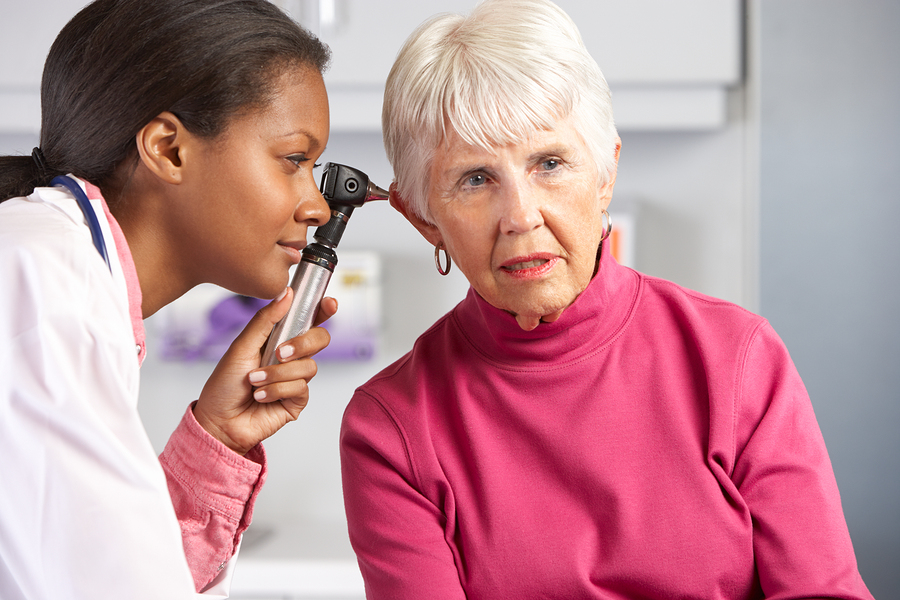
Five Tips to Help Your Senior Cope with Hearing Loss

Whether your elderly family member realizes that she’s losing her hearing or not it can have a significant impact on her ability to interact with people around her.

Let People Know She Has Trouble Hearing

There may be people who encounter your senior who don’t realize that she has trouble hearing them. She may not be able to let them know herself, especially if she’s not aware that they’re trying to talk to her. You can help by letting them know she has difficulty hearing and that patience will help a lot.

Make Sure to Gain Eye Contact Before Speaking to Her

When you talk to your senior, make sure that you have eye contact with her before you try to say anything. This lets her know that you’re trying to talk to her and she may be able to read your lips. This is also helpful when other people are trying to talk to your senior, because you can help her to know what they’re trying to communicate.

Encourage People to Enunciate Rather than Shout

One of the biggest problems that aging adults encounter around hearing issues is that people believe that shouting helps. It really doesn’t, because it distorts the sounds and makes it more difficult to deduce what’s being said. If people are able to speak more clearly, however, that can definitely be helpful.

Try to Reduce Background Noise

Often background noise is a huge hindrance to your senior being able to hear anything that’s going on around her. If it’s possible for you to control that background noise at all, say by turning off a television or radio, that can be incredibly helpful. Background noises can blend in with the voices of people in the room, making it impossible for your senior to make out what’s being said.

Keep a Pen and Paper Handy When it’s Loud

When you aren’t able to control background noise, it might be a good idea to keep pen and paper handy. That way you can write down what you’re trying to say to your senior and she can write her response as well. Smartphones with note apps can also serve the same purpose.

It can be difficult for your elderly family member to deal with the world when she has trouble hearing. If you can’t be there with her, then having elder care providers available can be a huge help.

If you or an aging loved one is considering hiring elder care in Saratoga, CA, please contact the caring staff at Home Helpers today (408) 317-4969.

Categories

Does Your Elderly Loved One Keep Questioning Everything? Here is What You Can Do.

One of the things that often happens with people who have dementia is repeated questioning. This is caused by the deterioration that is happening in the brain. If your elderly loved one is experiencing this, it can be tough on them. However, if the disease is more advanced, your loved one might not even know they are doing it. If your elderly loved one is questioning everything, there are some things that you can do.

Staying Patient and Calm

Having your elderly loved one repeat questions over and over can be frustrating. It can be difficult to keep your composure. However, it is important to remember they aren’t doing this on purpose. Your elderly loved one’s short-term memory is slipping. They might not remember they just asked you the same question. Try to keep this in mind. By doing so, it can help you to stay more patient and calm.

Using Gestures and Proper Posture

If your elderly loved one is asking the same questions, it might be because they didn’t understand the answer you or the home care provider gave the first time. One of the things that might be helpful is to use gestures and the proper posture. Sometimes, people with dementia understand things better through non-verbal communication.

Focusing on Emotions and Not Behaviors

It can be tough having your elderly loved one ask questions over and over, especially when they keep asking the same things. However, it is important to remember that they aren’t doing it on purpose. You shouldn’t focus on the behavior which is the repetitive questioning. Instead, you should focus on how your elderly loved one is feeling.

Write it Down

Sometimes, it might be necessary for you to write down the answer. For instance, if your elderly loved one keeps asking you for a family member’s phone number, they might just keep forgetting it. In situations like these, it might be helpful if you just write it down. This may prevent some of the repetitive questionings.

Conclusion

Does your elderly loved one keep questioning everything? This can be tough on everyone. It might be tough to keep your composure. However, if you follow the above-noted tips, it can help you to handle this issue.

If you have tried these things and you still can’t keep calm, it might be best to have home care providers take over for the time being. This way, you can have a break. Later on, if you want to come back and care for your elderly loved one, you might be more calm.

Sources

https://www.nia.nih.gov/health/frequently-asked-questions-about-alzheimers-disease

If you or an aging loved one is considering hiring home care in Santa Clara, CA, please contact the caring staff at Home Helpers today (408) 317-4969.

Categories

Three Ways Senior Care May Help Reduce the Risk of Serious Injuries

Serious injuries can happen to anyone of any age. And, they can happen at any time. When a person ages, they may face an increased risk of serious injuries. That might be from a slip and fall accident, something seemingly innocent and harmless, that can be devastating in its results. March is Brain Injury Awareness Month and even a seemingly minor slip and fall can lead to devastating head injuries.

There are many ways seniors can avoid or significantly reduce the risk of injuries. Senior care is one of those tools that can benefit a person as they get older, especially if they have diminished strength, balance related issues, or other challenges.

Below are three ways that senior care can make a significant impact on the fight to reduce the risk of injuries for aging Americans.

1. Physical support.

Helping somebody get out of bed when they are weak on their legs, have difficulty balancing, is a great asset. When you sleep, your joints can become stiff, especially if you have some type of arthritis.

That early morning wake-up can be extremely difficult for an older individual. Having a senior care provider stopping by in the morning to assist this elderly person getting out of bed can keep them safer, reducing the risk they slip and fall while taking on this seemingly innocent and harmless activity.

2. Checking for safety hazards.

Family and friends can certainly do this, but most people don’t have prior experience looking for the typical hazards an aging senior might face. A senior care provider would, especially if he or she has been doing this type of job for a long time.

A home care aide, for example, may immediately recognize the inherent risk for somebody who has balance related issues trying to cook when the dishes, pots and pans, and even spices are stored up high in cabinets.

Instead of forcing the individual to get a stepladder or climb the kitchen chair, which immediately increases the risk of falling, they might advise them to bring everything down, even placing it all on the counter, if necessary, to reduce the risk of injuries.

3. Encouragement.

There’s nothing better than encouragement for people who are feeling out of sorts. When seniors reach a certain age and are dealing with health issues, chronic pain, debilitating loss of muscle mass or strength, or any other issue, it’s easier to get down on themselves.

A senior care provider with experience can offer encouragement. It could be something simple, like a congratulations. Or a little bit more detailed, such as helping them still pursue certain activities they want to, but with adequate and safe support.

If you or an aging loved one is considering hiring senior care in Sunnyvale, CA, please contact the caring staff at Home Helpers today (408) 317-4969.

Categories

15 Diet Changes That May Reduce the Risk of Alzheimer’s Disease

Based on research by the Mayo Clinic, there are some simple tweaks you can make to your parent’s diet that could help reduce the risk of her developing Alzheimer’s disease. Researchers have found a diet that is a hybrid between the Meditarrean Diet (known to reduce the risk of heart disease) and the DASH diet (known to reduce the risk of high blood pressure) may be the perfect diet to help reduce the risk of Alzheimer’s disease. Named the MIND diet (short for Mediterranean-DASH Intervention for Neurodegenerative Delay) this diet is high in vegetables and fruit, while low in red meat, saturated fat and sweets. Some observational studies have shown that it not only reduces the risk of developing Alzheimer’s by more than 50 percent, it also improves verbal memory and decreases cognitive decline.

You and your loved one’s senior care provider can help by purchasing the right products when at the store and then having them readily available in the kitchen. After you’ve purchased the right ingredients, then your parent can begin to make these changes in her diet routine to pump up her body’s ability to stave off Alzheimer’s.

  1. Have your parent eat at least three servings of whole grains a day. These can be found in her cereal, rice, and even whole grain pasta. Have your senior care provider make sure if she does shopping for your parent, to pick up carbs that are whole grains.
  2. Green leafy vegetables (such as salad) should be a part of her diet at least six times a week. Not all salads have to be the same, add some quinoa to a salad to get both the leafy vegetables and whole grains or add grilled chicken to another to increase her intake of white meat.
  3. Add other vegetables at least once a day. Whether it’s a side of broiled broccoli with dinner or added a bunch of cut up vegetables to her salads, she’ll get what she needs.
  4. For a sweet treat, add berries at least twice a week to her food rotation.
  5. Red meat should not be eaten more than four times a week. Protein is an important part of your parent’s diet, but have her find it in other foods instead of red meat.
  6. Eating fish as least once a week is a great way to get the benefits of fish and increase protein consumption.
  7. Poultry is another way for your parent to get her protein when she cuts back her red meat consumption. Look for white meat when possible.
  8. Add beans to her diet at least three times a week.
  9. For a great snack, nuts can be added to your parent’s diet five times a week. Have your senior care provider portion them out in single serving bags to make sure your parent doesn’t go overboard by eating too many nuts at once.
  10. Reduce fried or fast food to less than once a week.
  11. Reduce pastries or sweets to less than five a week.
  12. Cheese should be limited to only one serving per week.
  13. Use mainly olive oil for cooking.
  14. Keep butter or margarine a day to less than a tablespoon a day.
  15. Finally, limit alcohol to one glass of wine or alcoholic drink per day.

Even choosing to just incorporate a few of these changes can help reduce your parent’s likelihood of developing Alzheimer’s disease.

Source: https://www.mayoclinic.org/diseases-conditions/alzheimers-disease/in-depth/15-simple-diet-tweaks-cut-alzheimers-risk/art-20342112

If you or an aging loved one is considering hiring senior care in Cupertino, CA, please contact the caring staff at Home Helpers today (408) 317-4969.

Things to Consider When It Comes to Your Elderly Parent

Your elderly parent is now relying on you to help take care of them. They no longer drive and they need help in other areas of their life, as well. It might be a different pace for you to take care of your elderly parent. With this being said, there are some things that you should consider when it comes to your elderly parent.

Housing

One of the things that you should consider when it comes to your elderly parent is their housing situation. It is usually best for elderly people to stay in their own house. If your elderly loved one can do this safely, even if they need help from caregivers, this might be the best choice for them, as well. However, if it is not safe enough for your parent to stay at their house, you might want to consider having them live with you or another family member. You can still have caregivers come to your house for them, if necessary.

Transportation

You might want to figure out transportation for your elderly parent, as well. Now that they don’t have a driver’s license or now that they can’t drive, they will need a way to go places. For instance, who is going to take them to the grocery store or to their bank? Who is going to drive them to appointments or to their friend’s house? One option that many family caregivers decide upon is to hire professional caregivers to drive their parent to where they need to go. This might be a choice that you make, as well.

Legal

You may need to figure out the legal aspects for your elderly parent, too. For example, is there an advanced directive set up for your elderly parent? Do they have a power of attorney? Do they have a will? Where are these documents kept, if they have them? It is important for you to know all these things. If you aren’t the one handling their legal matters, it is important to make sure whoever is handling them has all of this information.

Conclusion

These are some of the most important things to consider when it comes to your elderly parent. If you can figure out all these things, you can make sure your elderly parent is getting the care they deserve. You can also make sure that everything is set up in case of an emergency. If you aren’t sure of some of these areas, you or one of the caregivers can talk to your elderly parent about it.

Sources

https://www.nia.nih.gov/health/what-are-signs-aging-parent-needs-help

If you or an aging loved one is considering hiring caregivers in Palo Alto, CA, please contact the caring staff at Home Helpers today (408) 317-4969.

Categories

© Copyright 2026 H. H. Franchising Systems, Inc, All Rights Reserved.