Helping Seniors Have Healthy Skin

Aging takes its toll on all of us and is especially noticeable on our skin. As we age, our skin becomes thinner, less elastic and transparent, making bones and veins more visible. If you’ve had years of sun exposure, the aging process on your skin will be even more pronounced.

Seniors often deal with skin problems as a result of aging. Here are just a few of the things to watch out for:

Dry Skin

Older adults will often have dry skin, causing itchiness and redness. This most often happens on elbows, knees, lower legs and arms. Some of the things that exacerbate dry skin include:

  • Dehydration
  • Breathing air that is too dry
  • Prolonged sun exposure
  • Stress
  • Certain health conditions, such as kidney disease or diabetes.

Medications can also cause itchy dry skin. Because seniors already have thinning skin, scratching will often cause bleeding and that can lead to infection. So, how do you help prevent and treat dry skin in your older adult?

  • Use a very good moisturizer or lotion daily, as often as needed.
  • Take fewer baths or showers, as the water will dry skin out. Use mild soap when showers are taking place, and do not put additives in bath water.
  • Use a dehumidifier in sleeping areas

Bruising

Seniors bruise easily—far easier than younger adults. The healing process also takes a bit longer. If you notice bruising and don’t know how it got there, talk to a doctor to get to the bottom of it.

Wrinkles

We all get wrinkles as we age! But, the environment can play a big part. Sun exposure causes excess and premature wrinkling. Things like smoking and gravity also contribute to wrinkles.

There are lots of products and claims on how to get rid of wrinkles, but very few actually work. Some are even unsafe. If you choose to have any treatment for wrinkles, always go through a dermatologist who is experienced!

Skin Tags and Age Spots

Once referred to as “liver spots,” age spots are brown, flat marks on top of the skin. They are similar to freckles but much larger. Using a heavy-duty sunscreen can help reduce age spots later in life.

Skin tags are similar, but they are tiny pieces of skin that are raised. They are commonly found in women on the neck, folds of the body, eyelids, armpits, groin area and chest. They are usually harmless, but if they become bothersome, a doctor can remove them.

Skin Cancer

Skin cancer is one of the leading cancers in the US today. Contrary to popular belief, tanning beds can also cause skin cancer. People who are most susceptible to skin cancer are those with fair skin and freckles. If you burn easily, preventing skin cancer should be taken very seriously.

Skin cancer can happen to anyone of any color or any part of the body, although it is most often discovered on areas of the body that have been exposed to the sun.

For more information on seniors and skin care, please contact us today!

Home Helpers of the Mid Ohio Valley is a locally-owned, trusted home health care agency and offers quality, compassionate senior in-home care services including home care assistance, personal care, companion care, respite care, 24-hour home care, Alzheimer’s & dementia care, Parkinson’s care. post-operative home care as well as homemaker services in the Mid Ohio Valley including the West Virginia cities of Parkersburg, Williamstown, Vienna, Mineral Wells, Elizabeth, Washington, Belleville, Ravenswood, Ripley, Waverly, Belmont, Rockport, Davisville, and Lubeck, and the Ohio cities of Marietta, Belpre, Newport, Vincent, Little Hocking, Coolville, Athens, The Plains, Reno, and Devola.

Legal Disclaimer
This blog provides general information and discussions about medicine, health, and related subjects. The words and other content provided in this blog, and in any linked materials, are not intended and should not be construed as medical advice. If the reader or any other person has a medical concern, he or she should consult with an appropriately-licensed physician or other healthcare workers.

Never disregard professional medical advice or delay in seeking it because of something you have read on this blog or in any linked materials. If you think you may have a medical emergency, call your doctor or 911 immediately.

The views expressed on this blog and website have no relation to those of any academic, hospital, practice or other institution with which may have been mentioned or linked to in the article
Categories

Recognizing Vitamin D Deficiency in Seniors During Winter

Seniors, like all of us, need all the essential vitamins and minerals to stay healthy. As we age, our bodies begin to be depleted of certain vitamins for many reasons. This can put the senior at risk for many diseases such as diabetes and osteoporosis, among many others. Heart disease and cancer remain two of the top diseases that take people far too young, so getting proper nutrition is vital. For aging adults whose bodies don’t absorb vitamins as easily, it’s even more important. During the winter months, Vitamin D is often depleted due to lack of sunlight and time outdoors. This problem can be even more compounded because vitamin D is not found naturally in many foods like other nutrients are.

So how much vitamin D do seniors need on a daily basis?

While opinions vary among experts, most can agree that vitamin D can be depleted among seniors. Two of the top health agencies agree that the following guidelines should be followed for adequate vitamin D intake among seniors:

  • 600 IU daily for everyone up to age 70
  • 800 IU for seniors age 70 and over

Some agencies argue that these numbers should be a lot higher, especially when considering bone health. It certainly is not out of the question for senior adults to take up to 1000 IU of vitamin D daily as they age, especially women.

Symptoms of Vitamin D Deficiency

It can be tough to recognize a deficiency of vitamin D in seniors. The symptoms are often not very easy to pinpoint and can easily be mistaken for other issues or problems. Here are a few symptoms that you can be aware of:

  • Weakness and fatigue that is hard to shake
  • Muscle weakness and pain
  • Swelling of joints and bones
  • Concentration difficulty, or keeping focused 
  • Sweating, even though it’s not unusually hot

The good news is that if you suspect a deficiency, there are blood tests that can help the physician determine the problem. If getting outside is difficult, you should stay aware of the symptoms of vitamin D deficiency so it can be dealt with quickly. There are OTC supplements as well as some higher forms of supplements that come through prescription only. These higher doses often are taken only until blood tests reveal that they have returned to normal ranges.

For more information on how to spot vitamin deficiencies in older adults, contact us today.

Home Helpers of the Mid Ohio Valley is a locally-owned, trusted home health care agency and offers quality, compassionate senior in-home care services including home care assistance, personal care, companion care, respite care, 24-hour home care, Alzheimer’s & dementia care, Parkinson’s care. post-operative home care as well as homemaker services in the Mid Ohio Valley including the West Virginia cities of Parkersburg, Williamstown, Vienna, Mineral Wells, Elizabeth, Washington, Belleville, Ravenswood, Ripley, Waverly, Belmont, Rockport, Davisville, and Lubeck, and the Ohio cities of Marietta, Belpre, Newport, Vincent, Little Hocking, Coolville, Athens, The Plains, Reno, and Devola.

Legal Disclaimer
This blog provides general information and discussions about medicine, health, and related subjects. The words and other content provided in this blog, and in any linked materials, are not intended and should not be construed as medical advice. If the reader or any other person has a medical concern, he or she should consult with an appropriately-licensed physician or other healthcare workers.

Never disregard professional medical advice or delay in seeking it because of something you have read on this blog or in any linked materials. If you think you may have a medical emergency, call your doctor or 911 immediately.

The views expressed on this blog and website have no relation to those of any academic, hospital, practice or other institution with which may have been mentioned or linked to in the article
Categories

Preparing Your Home to Host Senior Loved Ones During the Holidays

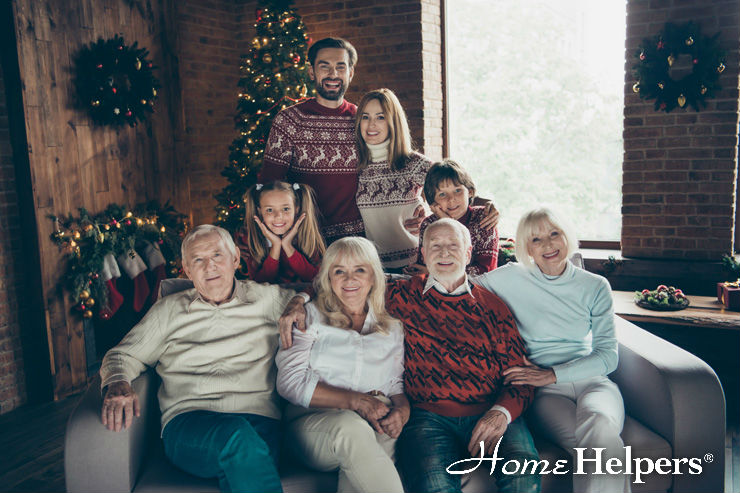
Holidays can be a crazy for time for many of us, especially if you are hosting family members. Perhaps you remember everyone gathering at your parents’ house when you were growing up, and now the mantle of responsibility falls on you—how do you prepare for hosting elderly relatives? We have some tips!

Firstly, make sure your home is clean and free of clutter before anyone comes to stay, young or old. Vacuuming every floor and picking up toys or other small items is a good place to start.

Re-Arrange the Furniture
Think about your furniture with clear walkways. If there isn’t much room to squeeze around the couches, beds, or tables, consider re-arranging things so that there are wider spaces. This is especially true if your elderly relative uses a cane or walker.

Think About Stability
You most likely don’t have elderly safety features like grab-bars, but you can arrange furniture in such a way that there is easy access to backs of sofas or chairs for elderly relatives to stabilize themselves if needed.

Make Sure Your Home Has Good Lighting
Older people have a harder time seeing clearly, along with not moving as quickly. If your home has spaces that are dimly lit, consider opening blinds or curtains, and install better lighting so that the floors, rugs, and hallways are easy to see and navigate.

Provide an Entryway to “Unload”
If your home has an entryway, consider putting a small bench or table there to make it easier for your guests to come in, place any shopping or other items, and even breathe a moment before unpacking and moving into the rest of the house. Any elderly relative will be most grateful for this addition!

Non-Slip Rugs 
If your home has a lot of hard flooring, consider rugs that have rubber backs. Not only does it feel nice under cold feet, but also makes walking around your house much safer. You could also place traction stickers in the bathtub. Just make sure that any rugs you do have don’t slip or slide easily!

Ground Floor Accommodations
If at all possible, house elderly guests on the ground floor. Climbing stairs can be stressful for elderly people and even puts them at risk of injury. Even if you don’t have a bedroom on the ground floor, there may be a place that would be suitable for a daybed or other area they could sleep.

Personal Heat Control
We often get colder as we age, so having areas in your home with lap blankets, space heaters and comfy socks, will be a blessing to your senior guests. You can avoid running heat in the entire house if you can make certain smaller areas warmer and more comfortable.

One Comfy Spot
Finally, place a comfy chair in a central location that is designated for your elderly house guest to enjoy all the family and activities from. If they can get settled and not have to be up and down all the time, it will greatly improve their ability to just enjoy watching everything.

Holidays can be a crazy time for families coming together, but these tips can go a long way in making sure the senior relatives in your life have a comfortable experience in your home. Enjoy the time to celebrate Christmas with them!

For more tips on hosting senior relatives through the holidays, contact us today!

Home Helpers of the Mid Ohio Valley is a locally-owned, trusted home health care agency and offers quality, compassionate senior in-home care services including home care assistance, personal care, companion care, respite care, 24-hour home care, Alzheimer’s & dementia care, Parkinson’s care. post-operative home care as well as homemaker services in the Mid Ohio Valley including the West Virginia cities of Parkersburg, Williamstown, Vienna, Mineral Wells, Elizabeth, Washington, Belleville, Ravenswood, Ripley, Waverly, Belmont, Rockport, Davisville, and Lubeck, and the Ohio cities of Marietta, Belpre, Newport, Vincent, Little Hocking, Coolville, Athens, The Plains, Reno, and Devola.

Legal Disclaimer
This blog provides general information and discussions about medicine, health, and related subjects. The words and other content provided in this blog, and in any linked materials, are not intended and should not be construed as medical advice. If the reader or any other person has a medical concern, he or she should consult with an appropriately-licensed physician or other healthcare workers.

Never disregard professional medical advice or delay in seeking it because of something you have read on this blog or in any linked materials. If you think you may have a medical emergency, call your doctor or 911 immediately.

The views expressed on this blog and website have no relation to those of any academic, hospital, practice or other institution with which may have been mentioned or linked to in the article.

Categories

What NOT to Say to Your Aging Parents

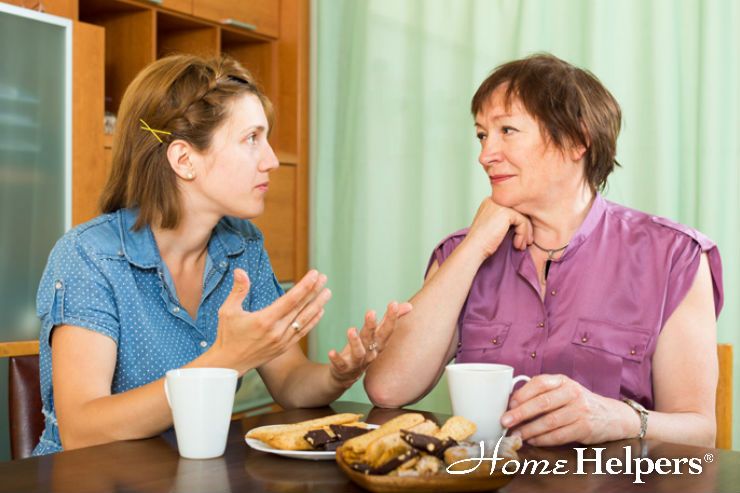
There’s probably not an adult alive who won’t confess to their parents driving them bananas during childhood and adolescence! Our parents usually live to embarrass us during those years! As we become adults, the tables begin turning as our parents start aging, and in some cases, we even become caretakers for parents who begin having cognitive impairments like dementia or Alzheimer’s. It can be tough on everybody when seniors know they have memory loss and can’t do anything about it. Even though they may seem checked out, it’s SO important to be careful of what we say around them. Here are a few tips to help you remember what NOT to say to your aging parents.

1. “This isn’t hard—why are you struggling to do this?”

No matter what age you are, nobody wants to be talked down to or made to feel they aren’t performing tasks normally. Many seniors will struggle with even basic tasks during these years and remarks like this just go to deepen their sense of rejection and frustration. The better alternative would be to exercise patience and explain things differently or write out instructions for tasks they may forget. A patient word goes a long way here.

2. “You’ve already told me that.” or “We’ve already been through this.”

By nature, aging seniors often become forgetful. If they have been diagnosed with cognitive decline, you will most likely hear them repeating things over and over again. While this can be frustrating, try to keep in mind that they don’t remember telling you the same thing, so for them, it seems like fresh information. Often, family members with dementia hold dear to their memories and like to talk about them with those they love. For them, this is therapeutic. Just be kind and smile as you listen to that memory—again! Find some humor here—it’s good for everyone!

3. “How can you not remember your own family member’s name?”

All of us struggle to remember names at times, and your parents are different. If they suffer from dementia or Alzheimer’s remembering names becomes stressful. Even their own child’s name. Don’t take this personally or correct them in a sarcastic tone. Gently remind them who is who and move on.

4. “What does this have to do with anything?”

If your parents bring up seemingly random stories that have nothing to do with the current conversation, you must remember that they often have a reason, even if we have no idea what it is. In this situation, you can try asking them what made them think of that particular story or memory. They will probably be able to tell you once you patiently ask what their thought process was.

5. “I want your money/heirloom/house when you die.”

It might seem obvious but saying a line like this is NOT the way to bring up a will or possible inheritance. As parents age, the adult children often begin wondering what they will get when the parent dies. While it’s ok to have that conversation, it should never be done in an insensitive manner. Nobody wants to think people are just waiting for them to die so they can get their money or possessions. Sometimes common sense goes a long way here!

Along with what not to say, here are a couple of things not to do when you are with your aging parents.

Don’t speak for them 

Don’t talk over your parents or try to speak for them. This is especially true when you are at a doctor visit or talking to a member of their care team. Unless your parent cannot speak for themselves, you should never communicate for them unless it is a crisis. Your parents need to retain the right to speak for themselves and maintain their dignity and control for as long as possible.

Don’t “play along” with memory loss

It’s not uncommon for seniors with dementia to become confused. They may think they are in a different period of life or that they can call a loved one who passed away years ago. It’s very important not to play along in these cases. Doing this will only go to confuse their sense of reality. It might seem easier to just play along, but it is not a healthy thing to do. Instead, gently remind them of the facts they are confused about.

Contact us today for more tips on communicating with aging parents!

Home Helpers of the Mid Ohio Valley is a locally-owned, trusted home health care agency and offers quality, compassionate senior in-home care services including home care assistance, personal care, companion care, respite care, 24-hour home care, Alzheimer’s & dementia care, Parkinson’s care. post-operative home care as well as homemaker services in the Mid Ohio Valley including the West Virginia cities of Parkersburg, Williamstown, Vienna, Mineral Wells, Elizabeth, Washington, Belleville, Ravenswood, Ripley, Waverly, Belmont, Rockport, Davisville, and Lubeck, and the Ohio cities of Marietta, Belpre, Newport, Vincent, Little Hocking, Coolville, Athens, The Plains, Reno, and Devola.

Legal Disclaimer
This blog provides general information and discussions about medicine, health, and related subjects. The words and other content provided in this blog, and in any linked materials, are not intended and should not be construed as medical advice. If the reader or any other person has a medical concern, he or she should consult with an appropriately-licensed physician or other healthcare workers.

Never disregard professional medical advice or delay in seeking it because of something you have read on this blog or in any linked materials. If you think you may have a medical emergency, call your doctor or 911 immediately.

The views expressed on this blog and website have no relation to those of any academic, hospital, practice or other institution with which may have been mentioned or linked to in the article.

Categories

How to Handle Criticism as a Caregiver

If you are a caregiver for a loved one in your family, you already know that outside opinions and criticisms seem to come with the job. Dealing with it can be tough and not taking it personally is even tougher. This is especially true when others voice opinions about how you should do things differently, or better yet, they are not doing the caregiving themselves. If you find yourself dealing with critical opinions of friends and family, here are a few tips to help you handle it.

1. Don’t Let Your Emotions Get the Best of You
It’s important not to allow your own emotions to fuel an already difficult situation. If people are saying things that make you feel angry or unappreciated, do whatever you have to do to stay calm. It might mean keeping a journal in which to vent, talking to a trusted confidant, or just walking outside and counting to ten. But you must keep your emotions in check. Remember that the person receiving your care is depending on you to handle things well.

2. Consider the Source
Who is it giving the criticism? If it’s a family member, perhaps they feel disconnected from living far away. Perhaps it’s a friend who means well but truly has no idea what you deal with on a daily basis. You must learn to determine whether you should even take the feedback seriously. Maybe they really do just want to help and have no idea how to express an opinion without it coming out as being critical toward the job you do. In these situations, you can remain calm and ask them to consider offering helpful solutions rather than criticizing you.

3. Consider the Comment
There might be some merit in what the person is saying. It takes a lot of self-restraint and maturity to be gracious when you feel you’re being attacked. Being gracious about the comment and thinking about the greater good of the patient will benefit everyone involved. Often, misunderstandings happen simply because everyone loves and cares deeply for the loved one receiving care.

4. Ask the Person to Offer Help in Practical Ways
It’s often true that the person who is being critical just wants to be more involved. Try to come up with practical ways they could help you and work together. It might be preparing a meal or helping to clean or do laundry, helping with doctor visits, etc. It might even be financial support that is needed. Don’t be afraid to be honest and ask for help.

5. Ask for Advice
Finally, one of the best ways to avoid conflict is to seek outside expert advice. If a family member doesn’t agree about simple things you are trying to accomplish, getting a medical expert’s opinion can defuse the conflict. It might seem silly, but if there is disagreement among family members and a caregiver, getting the opinion of a trusted and well-respected expert can quickly bring resolution. 

It’s tough enough being a caregiver. Handling outside criticisms can be difficult, but it should not undermine your own confidence. For more information on this topic, please contact us!

Home Helpers of the Mid Ohio Valley is a locally-owned, trusted home health care agency and offers quality, compassionate senior in-home care services including home care assistance, personal care, companion care, respite care, 24-hour home care, Alzheimer’s & dementia care, Parkinson’s care. post-operative home care as well as homemaker services in the Mid Ohio Valley including the West Virginia cities of Parkersburg, Williamstown, Vienna, Mineral Wells, Elizabeth, Washington, Belleville, Ravenswood, Ripley, Waverly, Belmont, Rockport, Davisville, and Lubeck, and the Ohio cities of Marietta, Belpre, Newport, Vincent, Little Hocking, Coolville, Athens, The Plains, Reno, and Devola.

Legal Disclaimer
This blog provides general information and discussions about medicine, health, and related subjects. The words and other content provided in this blog, and in any linked materials, are not intended and should not be construed as medical advice. If the reader or any other person has a medical concern, he or she should consult with an appropriately-licensed physician or other healthcare workers.

Never disregard professional medical advice or delay in seeking it because of something you have read on this blog or in any linked materials. If you think you may have a medical emergency, call your doctor or 911 immediately.

The views expressed on this blog and website have no relation to those of any academic, hospital, practice or other institution with which may have been mentioned or linked to in the article.

Categories

Helping Seniors with Technology

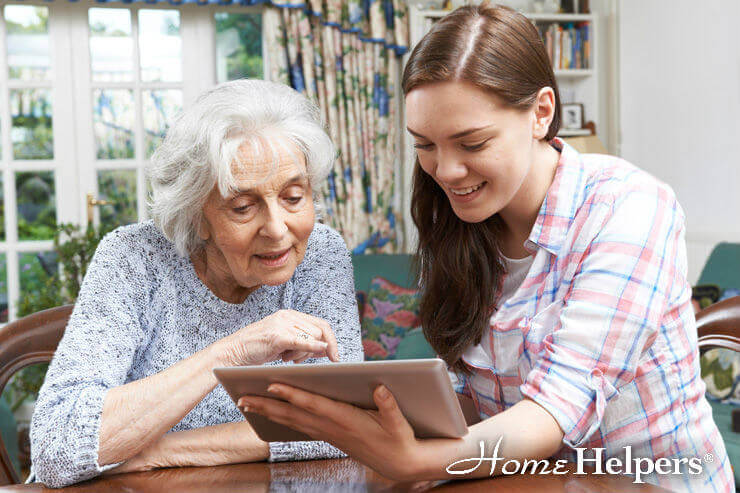
It’s funny how technology has literally changed the way we all live, and yet those who may need it most are the most reluctant to use it—seniors and the elderly. While it might seem like an impossible task to help the senior in your life learn and embrace new technology, it may just be a life-saving action. Here’s why …

Smart Home Technology Can Change the Game for Keeping Seniors Safe at Home

Think about the various smart technologies that have been made easy to access in recent years: 

  • Video intercom systems, which let a senior inside the home talk to and see someone outside before they come in. Nobody would argue that this is safer!
  • Thermostats set automatically. A senior’s central air and heat can be set to automatically come on, so they don’t have to worry about adjusting it themselves. This is also useful if they are away from the home for any length of time.
  • Smart technology for lights. This is another way that helps seniors lower their utility bills and save money on that pesky light bill. It also adds to their sense of safety. Smart lights work off sensors and come on and go off as someone enters or leaves a room. This can be especially helpful in preventing injuries that could come from searching for a light switch in the dark during the night.

Technology Helps Seniors Stay Safer

Here’s one of the best parts about smart technology—it can be managed from cell phones or other smart devices. Smart alarms are one such technology. You can control and change the alarm system far beyond it just going off when no one is at home. The smart alarm will track the times the doors are usually opened with people coming and going and send an alert if something is out of the ordinary. If you have a senior loved one who wanders, this can bring a huge peace of mind.

Smart smoke alarms are another fantastic technology for seniors. If the smoke alarm with smart technology is activated, it will alert proper authorities or family to make sure the senior is safe. You will be able to program a list of people to notify in this instance, which adds more layers of safety and assurance for your senior loved one.

You probably already know about personal alert systems. The less sophisticated systems might conjure the old commercials of elderly people wearing a necklace with a big button that they can push if they are in a crisis of any kind. However, the new smart technology keeps seniors even safer by utilizing full detection for falls and other odd movements. It also will alert proper emergency response personnel, along with a customized list of family and friends.

Technology Can Help Seniors Stay Socially Connected

Research tells us that one of the top reasons that seniors decline in health is depression and loneliness. This is especially true if family lives far away. The internet has now provided ways for seniors to not only hear the voice of their loved ones but also see their faces in real time as they chat! Social media has allowed the world to reconnect with long-lost relatives and friends that probably would have never found us otherwise. Imagine the joy this would bring to seniors to be able to enjoy meaningful conversation with old friends. There’s no better therapy!

It might be a bit tough to help your older adult embrace these different forms of smart technology, but if you are patient and take the time to demonstrate to the senior in your life just HOW these technologies can empower them, enrich their lives, and keep them safer, we just bet they will be open to considering it! The old phrase, you can’t teach an old dog new tricks, has never been more untrue!

To find out even more ways to get your senior loved one connected with smart technology, call or contact us today!

Home Helpers of the Mid Ohio Valley is a locally-owned, trusted home health care agency and offers quality, compassionate senior in-home care services including home care assistance, personal care, companion care, respite care, 24-hour home care, Alzheimer’s & dementia care, Parkinson’s care. post-operative home care as well as homemaker services in the Mid Ohio Valley including the West Virginia cities of Parkersburg, Williamstown, Vienna, Mineral Wells, Elizabeth, Washington, Belleville, Ravenswood, Ripley, Waverly, Belmont, Rockport, Davisville, and Lubeck, and the Ohio cities of Marietta, Belpre, Newport, Vincent, Little Hocking, Coolville, Athens, The Plains, Reno, and Devola.

Legal Disclaimer
This blog provides general information and discussions about medicine, health, and related subjects. The words and other content provided in this blog, and in any linked materials, are not intended and should not be construed as medical advice. If the reader or any other person has a medical concern, he or she should consult with an appropriately-licensed physician or other healthcare workers.

Never disregard professional medical advice or delay in seeking it because of something you have read on this blog or in any linked materials. If you think you may have a medical emergency, call your doctor or 911 immediately.

The views expressed on this blog and website have no relation to those of any academic, hospital, practice or other institution with which may have been mentioned or linked to in the article.

Categories

Caring for Senior Parents When Your Siblings Disagree

One of the most stressful situations you will ever face is making critical decisions for someone you love. It is very natural to feel strongly about your opinion and feel angry or threatened when others disagree. This stress can easily be compounded when those who disagree with you are your own siblings.

Disputes among siblings are very common when it comes to providing care for an elderly parent. The good news is that there are ways to handle this situation without tearing the family apart.

Why Siblings Disagree
Sibling relationships are built on strong feelings of love and bonding. Brothers and sisters typically have the strongest relationship and the healthiest bond, but that intimacy and love can come with disagreement on how certain situations should be handled.

When it comes to the care of elderly parents, here are a few reasons disagreements happen among siblings:

Feelings of Resentment
There are times that one sibling is resentful of the relationship or connection that a brother or sister has with the elderly parent. This can be a situation that has been present since childhood, or it can be a situation that surfaced during adulthood in which one sibling seems to be closer to the parent than the other. This can arise because of physical distance or because of feelings that one has towards another.

Also, when one sibling has been responsible for most of the care, they may be resentful when another sibling thinks they should be equal in the decision-making process. The sibling that has cared for the parent might feel like they have the right to make the final decision for the elderly parent.

How Money Should be Spent
Spending money on the care of an elderly parent is another reason that siblings disagree. There might be jealous or hard feelings among siblings if one has more money and resources than the other. Many times, the sibling with less resources can find themselves embarrassed because they don’t have access to what they need to help. In this situation, they may find themselves keeping their true financial situation a secret.

Siblings can also be torn between finding a facility that offers the basic care and no extras or one that has everything you could ever think about giving your parents.

Differing Personalities Among Siblings
Many times, even as adults siblings find themselves filling the same roles they did as a child. One may be the caregiver while another takes on the role as the leader. The sibling with the role of a caregiver may feel like they are the one always coming to the recuse and solving all the problems. The one who tends to be the leader will find themselves demanding that they have the final say in all situations. Remaining in the roles may come so naturally that they don’t even realize that they are doing it.

Trouble and conflict will arise when siblings want to change roles or when one person decides they don’t want to fall into the same role they have always taken on.

Strategies for Handling Disputes Among Siblings
There are many ways to go about handling disputes among the siblings. One way and probably the easiest is to agree that the most popular decision will be the way to go. Each sibling can give an opinion, and each sibling can have a vote. The least popular way is to agree that one person will be responsible for the final decision. Normally this role would fall on the sibling that the others trust and respect the most.

Don’t Hesitate to Ask for Help
When a decision cannot be agreed upon, it is best to call in a mediator to help you sort things out to make sure that everyone is heard.

A senior care representative is a person who will listen to all sides and each sibling. After each is heard, they will give an unbiased and educated recommendation based on what is best for the elderly parent. Calling on a senior care representative will ensure that all needs are met and will mediate the proceedings.

  • The representative will offer suggestions based on the needs of the elderly parent.
  • The representative will keep the family on topic, reminding them that they are making the best decision for the parent.
  • The representative will stop the meeting if participants begin to get emotional, violent or abusive.

Disagreeing about the care of an elderly parent is not uncommon, but when the siblings have the parent’s best interest in mind, a plan can be made. The help of a senior care representative can be very instrumental in bringing everyone together for the good of your parent.

For more information on caring for an elderly parent or to learn more about getting help from a senior care representative, please contact us.

Home Helpers of the Mid Ohio Valley is a locally-owned, trusted home health care agency and offers quality, compassionate senior in-home care services including home care assistance, personal care, companion care, respite care, 24-hour home care, Alzheimer’s & dementia care, Parkinson’s care. post-operative home care as well as homemaker services in the Mid Ohio Valley including the West Virginia cities of Parkersburg, Williamstown, Vienna, Mineral Wells, Elizabeth, Washington, Belleville, Ravenswood, Ripley, Waverly, Belmont, Rockport, Davisville, and Lubeck, and the Ohio cities of Marietta, Belpre, Newport, Vincent, Little Hocking, Coolville, Athens, The Plains, Reno, and Devola.

Legal Disclaimer
This blog provides general information and discussions about medicine, health, and related subjects. The words and other content provided in this blog, and in any linked materials, are not intended and should not be construed as medical advice. If the reader or any other person has a medical concern, he or she should consult with an appropriately-licensed physician or other healthcare workers.

Never disregard professional medical advice or delay in seeking it because of something you have read on this blog or in any linked materials. If you think you may have a medical emergency, call your doctor or 911 immediately.

The views expressed on this blog and website have no relation to those of any academic, hospital, practice or other institution with which may have been mentioned or linked to in the article.

Categories

© Copyright 2026 H. H. Franchising Systems, Inc, All Rights Reserved.