
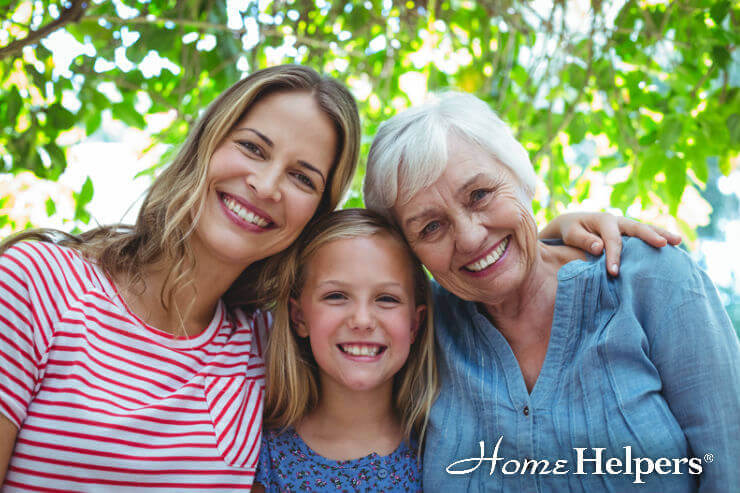
Taking Care of Yourself as a Caregiver for Others

Becoming a caregiver to a family member is both rewarding and challenging. It will no doubt have an impact on the other relationships in your life, making the personal priorities fall to the back burner. While we may tell ourselves, this type of caregiving is only temporary, it often turns into much longer months or even years. You must take care of yourself while you take care of a family member, and that self-care includes nurturing the most important relationships in your life. Here are a few tips on doing just that…

Take Care of Your Marriage
Any marriage requires love and attention to stay healthy, so you must find the time to pour into yourself, your spouse, and the things that hold you together. Studies show us that marriages can suffer when one spouse is a caregiver to a family member. Whether it’s substance abuse or other addictions, depression/anxiety, or even health challenges, marriages can fall victim to many challenges when you aren’t taking the time to nurture it properly.

  • Be sure to communicate openly and often!
  • Find ways to express your love language, such as notes or flowers.
  • Make time for a date night, even if it doesn’t involve leaving the house.
  • Take time to LISTEN to what your spouse has to say.

These simple tips can help maintain and even preserve a marriage! Keep in mind that you are a team and being a caregiver for a family member who needs you often requires a team approach. Be each other’s best support!

Maintaining Your Relationship with Your Children
You may have heard the term “sandwich generation.” It refers to people who are both caretakers for their children as well as elderly parents. This role can also include financial care, which can put a lot of stress on a family. Emotional support is critical to maintaining the care needed in both scenarios.

There is a way to take care of yourself while caring for parents and adult children! Here are a few tips….

  • Explain to your children what is required of you as a caretaker.
  • For younger children, explain that the senior generation will need help or assistance much more often and how they can be a part of that assistance.
  • Ask your children to help. You may be surprised to find that adult children or even younger kids WANT to help, which will ease the burden on you!
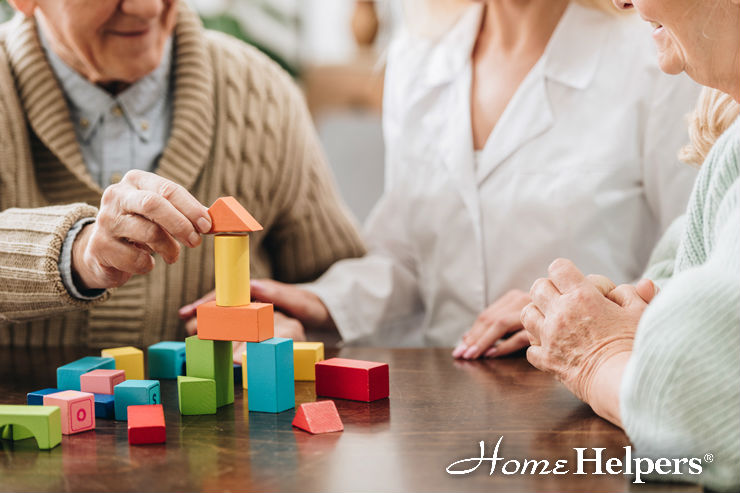
  • Find things your elderly parents and grandchildren can enjoy together. This may depend on the age of the kids, but card games, board games, puzzles, word games, etc.…these are all ways to spend time together while keeping the brain engaged.

Maintaining Your Friendships as a Caregiver
There is no doubt that caregiving will demand more of your time and this may affect your personal friendships. Sometimes the caregiving duty will take priority over a lunch date or even a phone chat, and you may find yourself feeling like you have nothing left to pour into friendships after taking care of your parents all day. If you find this happening, communicating with your friends is the best policy. Let them know what your challenges are and ask for their support. Finding ways to spend time together will give you a chance to talk. Perhaps you could go workout at the gym or take a walk while you chat. You need healthy friendships in order to maintain your own sanity as a caregiver! Most friends will do anything to help if you will just tell them what you need.

Don’t Go it Alone
Remember—we are not meant to go it alone in life! No matter what stage of the game of caregiving you are in, you will need help, support, and understanding. Everyone we have mentioned in this article is part of your support system, so reach out when you need to!

Also, always remember that it is a healthy thing to set boundaries so that you can care for yourself. Burnout is by far the biggest risk for caregivers, so finding ways to nurture the things that are important to you is the absolute healthiest thing you can do to avoid burnout.

Finally, don’t be afraid to allow professionals to come in and take over the caregiving role for your parents when you need a break. Even just one day a week could allow you to refresh and recharge so you can feel good about the rest of the time you are providing care for your loved one! Even if you are met with resistance about bringing in help, remember that they will be fine and it’s important for everyone involved to find balance.

For more information on taking care of yourself while caring for elderly family members, please contact us today!

Home Helpers of the Mid Ohio Valley is a locally-owned, trusted home health care agency and offers quality, compassionate senior in-home care services including home care assistance, personal care, companion care, respite care, 24-hour home care, Alzheimer’s & dementia care, Parkinson’s care. post-operative home care as well as homemaker services in the Mid Ohio Valley including the West Virginia cities of Parkersburg, Williamstown, Vienna, Mineral Wells, Elizabeth, Washington, Belleville, Ravenswood, Ripley, Waverly, Belmont, Rockport, Davisville, and Lubeck, and the Ohio cities of Marietta, Belpre, Newport, Vincent, Little Hocking, Coolville, Athens, The Plains, Reno, and Devola.

Legal Disclaimer
This blog provides general information and discussions about medicine, health, and related subjects. The words and other content provided in this blog, and in any linked materials, are not intended and should not be construed as medical advice. If the reader or any other person has a medical concern, he or she should consult with an appropriately-licensed physician or other healthcare workers.

Never disregard professional medical advice or delay in seeking it because of something you have read on this blog or in any linked materials. If you think you may have a medical emergency, call your doctor or 911 immediately.

The views expressed on this blog and website have no relation to those of any academic, hospital, practice or other institution with which may have been mentioned or linked to in the article

Categories

Exercises to Keep Your Mind Active and Memory Sharp

It can be difficult at times to determine the difference between normal memory lapses as we age, and a more serious cognitive decline such as Alzheimer’s or dementia. If you notice your elderly loved one forgetting names, dates, or appointments on a regular basis, it could be cause for concern.

While some memory loss is a common sign of the aging process, it does not necessarily mean dementia is setting in. There are lots of things you can do to keep your loved one stimulated mentally, so their brain function stays sharp as they age. The following ideas are exercises you can do to help improve cognitive function and memory, as well as slowing the effects of conditions like Alzheimer’s and dementia.

These exercises can help improve neuroplasticity, which is a fancy word for how well the brain reacts to changes and adapts to new information and situations. Brain games can be like mental gymnastics and go a long way in preserving good neuroplasticity. The better that is, the faster you’ll be able to recall important information, as well as preserve good memory skills.

There are two types of mental exercises: skill retaining and skill developing. It is important to always be learning new things at any age, in order to keep the brain healthy and functioning well. That falls under the “skill development” category. It is also very important to work on retaining memory by thinking through the skills and abilities that once came easily and talking about them regularly. This would fall under the “skill retaining” category.

Check out the following ideas and exercises you can easily do with your senior loved one as well as yourself, to keep the mind sharp and help prevent memory loss. Remember, the goal is to stay mentally stimulated.

Try your hand at an instrument or a paintbrush

There’s no doubt that one of the best ways to exercise your brain is to pick up a new skill or hobby. Help inspire your elderly loved one to take lessons on something they find interesting, or take lessons in painting, music, cooking, or even knitting. There is a natural sense of accomplishment that comes with learning a new skill, and that alone will keep them motivated to use their brainpower to stay active. Taking a class together is even better! It’s a great way to share time together at the same time you’re keeping the mind stimulated.

Test your recall

Let’s face it—we live in a society where everything we do is digital. No matter what we do, there is an app for everything, so we are not writing things down or making lists the old-fashioned way anymore. One way you can help strengthen memory is to practice recalling the things on your to-do list. Try leaving your shopping list in your purse and recall the things you need to accomplish by memory. Another good way to work on memory is by starting conversations about childhood memories such as pets or homes that the loved one had growing up.

Use your senses

You might not realize it, but the five senses are a critical factor in recalling memories and engaging our minds in the learning process. Engaging in activities with your senior loved ones such as gardening, cooking, or playing music will stimulate the senses as you experience these activities together. Touch, smell, and taste are all wonderful senses to utilize as you talk

Get active

With all the brain workouts, don’t forget the rest of your body needs exercise too! Did you know that staying active helps you feel better, sleep better and have better recall? It’s true! It also goes a long way in stabilizing mood by activating the body’s “happy hormones.” This happens as a result of oxygen to the brain during physical activity. This can also have other benefits such as lowering the risk of diabetes and heart disease. Try going on neighborhood walks or join a free Silver Sneakers class at your local recreation center. If your loved one loves music, get them dancing!

As we have seen, memory loss is a normal part of aging, but it doesn’t have to decrease the quality of life. Trying these ideas will help keep the brain active and increase neuroplasticity, all of which will stave off cognitive decline. For more information on preventing memory loss, contact us today! Our caregivers are compassionate experts in this field.

Home Helpers of the Mid Ohio Valley is a locally-owned, trusted home health care agency and offers quality, compassionate senior in-home care services including home care assistance, personal care, companion care, respite care, 24-hour home care, Alzheimer’s & dementia care, Parkinson’s care. post-operative home care as well as homemaker services in the Mid Ohio Valley including the West Virginia cities of Parkersburg, Williamstown, Vienna, Mineral Wells, Elizabeth, Washington, Belleville, Ravenswood, Ripley, Waverly, Belmont, Rockport, Davisville, and Lubeck, and the Ohio cities of Marietta, Belpre, Newport, Vincent, Little Hocking, Coolville, Athens, The Plains, Reno, and Devola.

Legal Disclaimer
This blog provides general information and discussions about medicine, health, and related subjects. The words and other content provided in this blog, and in any linked materials, are not intended and should not be construed as medical advice. If the reader or any other person has a medical concern, he or she should consult with an appropriately-licensed physician or other healthcare workers.

Never disregard professional medical advice or delay in seeking it because of something you have read on this blog or in any linked materials. If you think you may have a medical emergency, call your doctor or 911 immediately.

The views expressed on this blog and website have no relation to those of any academic, hospital, practice or other institution with which may have been mentioned or linked to in the article
Categories

Preparing Aging Parents for Downsizing

Moving is stressful when everything goes right! Moving aging parents from the home they have known for years can come with many extra challenges. Not only are you downsizing, but you are also helping them go through memories, special items, etc. For seniors who have been in their house for years and even raised children and grandchildren there, this process requires a special touch with lots of care. Our checklist is designed to help make downsizing easier on both you and your parents when it comes time to move.

First of all, set small and realistic goals. Moving is a great time to go through things and downsize. But it can also be overwhelming. Think about the new space your loved one will be inhabiting, then help them keep what means the most. You will need to work together to determine not only what is important, but what fits.

Careful Planning Means Less Stress

It’s best to do large tasks in small bites. Try to break down what needs to be done in stages, so that moving doesn’t seem as overwhelming. Give your parents time to look at their items, choose what is important, reminisce a bit, and then assure them you are not throwing away things they hold dear. The best way to do this is one room at a time.

Here are some helpful tips to get you started:

  • Set a deadline for the project.
  • Understand the new floorplan so you can see which large items fit.
  • Have a yard sale for things that are no longer needed.
  • Set aside items that will be given to special friends or family for safekeeping. Make notes on these items, as well as their recipients.
  • Allow plenty of time for the sorting process. Remember, this is a life-altering transition that can make your parent feel like they are losing control. 
  • Think about their new lifestyle. For instance, china and silver might be safely stowed or given away if entertaining will no longer be part of their daily lives.

Declutter, Organize and Toss

This can be the hardest part of the job, as there will likely be many years of paperwork bills, tax returns, etc. 

  • Decide which paperwork is important to keep. Organize bills, taxes, receipts, etc. into bank boxes to be stored away.
  • If at all possible, scan these items to store them digitally so that even more tangible paperwork can be tossed. 
  • Free space by getting rid of duplicate items, such as kitchen utensils, etc. 
  • Give things away. Passing precious heirlooms to other family is a beautiful way to preserve memories. Now would be a great time to do that. 
  • Allow loved ones to come and choose items that need to be gone through, so they can keep what is important to them before the move happens. This is also a beautiful way to keep precious items in the family!
  • Donate items that are low in value but in good condition. Good Will or other charities are always looking for these types of things. 
  • For items that are still high in value, consider holding a yard sale to bring in as much money as possible. Every dollar helps!
  • As hard as it might be, try to make concrete choices and decisions, rather than “maybe” piles. If your goal is to downsize, the decisions need to be made right then. 
  • Finally, consider gathering all family photos and scanning them into a computer. They will not only be protected this way but could also be placed onto a DVD for your parents to see any time they wish!

When It’s Moving Day

It’s always smart to help your parents pack an essentials bag, with a couple of changes of clothes, toiletries, and medication. Everything else will be packed in boxes. Here are some helpful tips for that process:

  • Be sure to mark boxes fragile if they hold delicate items. Remember—these items belong to someone who has loved and cared for them over many years. 
  • Label every single box so unpacking and organizing in the new space will be much easier. 
  • Make a list of the things coming with them in the move. This inventory will give peace of mind that nothing important will be forgotten. This can be especially helpful for seniors who already struggle with a cognitive disability such as dementia. 
  • Spend quality time! Remember, this can be a beautiful time to share memories, go through items together and talk about the memories attached to them. Your parents will cherish this time with you, so allow them to talk, and ask questions!

Moving seniors out of the place they have known for a long time can be stressful, but it doesn’t have to be painful. You can use this list to keep you moving along in the process, but also to help guide you in communication and reminiscing. Your assurance and comfort are the best possible way to help your parents know they will be safe and happy in this new season of life! Don’t be afraid to find out how they’re feeling, and then offer calm in the midst of their storm. Every senior deserves to feel heard and respected. It’s no different during these times of change!

For more information on how to simplify the moving process for aging parents and seniors, please contact us today!!

Home Helpers of the Mid Ohio Valley is a locally-owned, trusted home health care agency and offers quality, compassionate senior in-home care services including home care assistance, personal care, companion care, respite care, 24-hour home care, Alzheimer’s & dementia care, Parkinson’s care. post-operative home care as well as homemaker services in the Mid Ohio Valley including the West Virginia cities of Parkersburg, Williamstown, Vienna, Mineral Wells, Elizabeth, Washington, Belleville, Ravenswood, Ripley, Waverly, Belmont, Rockport, Davisville, and Lubeck, and the Ohio cities of Marietta, Belpre, Newport, Vincent, Little Hocking, Coolville, Athens, The Plains, Reno, and Devola.

Legal Disclaimer
This blog provides general information and discussions about medicine, health, and related subjects. The words and other content provided in this blog, and in any linked materials, are not intended and should not be construed as medical advice. If the reader or any other person has a medical concern, he or she should consult with an appropriately-licensed physician or other healthcare workers.

Never disregard professional medical advice or delay in seeking it because of something you have read on this blog or in any linked materials. If you think you may have a medical emergency, call your doctor or 911 immediately.

The views expressed on this blog and website have no relation to those of any academic, hospital, practice or other institution with which may have been mentioned or linked to in the article
Categories

Seniors and Insomnia

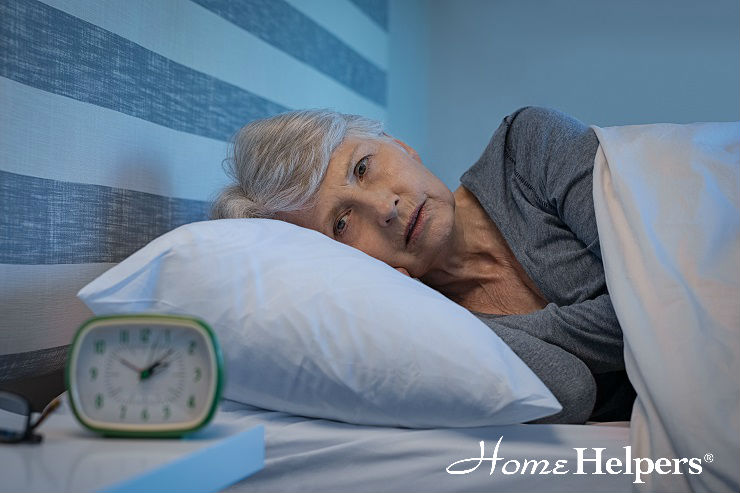
All adults need 7-9 hours of sleep, no matter our age. However, as we age, it’s common to go to bed earlier and rise earlier than you once did. Even if you were a night owl as a younger person, you may tend to shift to more of a morning person.

Older adults often find themselves feeling frustrated when they can’t get to sleep or sleep through the night. It can happen for a variety of reasons, not the least of which could be medications, pain, or even depression.

Not getting proper rest can cause many issues, including:

  • Feeling irritable.
  • Feeling forgetful during the day.
  • Feeling symptoms of depression.
  • Being more prone to accidents or falls.

Getting a Good Night’s Sleep

It’s a myth that just because you age, you will be constantly tired or fatigued. Here are some ideas to help you get the rest you need so you can live life fully!

  • Go to sleep at the same time each night. It might be challenging, but your body will thank you if you can go to bed and get up at the same time, including travel days and weekends. 
  • Try not to take naps too late in the day. Taking long naps in the afternoon will definitely keep you awake at night.
  • Create a routine for bedtime. Reading, taking a soothing bath, listening to calming music are all ways to prepare your mind and body for nighttime rest. 
  • Avoid having a TV or computer in the bedroom. Your body needs quiet and darkness to sleep deeply. The light and noise from these devices can interrupt your sleep patterns.
  • Keep the thermostat at a cooler temperature that is comfortable at night. 
  • Use soft lamps and cozy lighting at night as you prepare for sleep.
  • Make sure your exercise routine doesn’t take place within 3-4 hours of bedtime.
  • Don’t eat heavy meals at night.
  • Avoid caffeine.
  • Resist the temptation for alcohol—it doesn’t help you sleep any better.

Older Adults Commonly Have Insomnia

For older adults over age 60, insomnia is the most common problem they experience. This means that they may struggle with falling or staying asleep at night. It can often become chronic and can include the following issues:

  • Lying in bed a long time before falling asleep.
  • Waking up frequently.
  • Waking up too early and being unable to drift back to sleep.
  • Waking up feeling tired.
  • Struggling to stay awake during the day.

Sometimes, insomnia just becomes habitual after we struggle with it for any length of time. It can cause anxiety before bedtime, which compounds the problem.

Older adults may want to try over-the-counter sleep aids before talking to their doctor about possible prescription medicines that help insomnia. These medications are good for short-term use, but not generally recommended for extended use.

The biggest way to help reverse insomnia is to develop good, consistent routines at night so your body will know what to expect at the same time each night.

Remember, your bedroom is the only place that should be used for sleeping. If you have laid down in the dark for more than a half-hour without falling asleep, go ahead and get out of bed. Read a book or do a quiet activity until you begin to feel sleepy and try again to go to bed.

If you find that you are struggling with insomnia for weeks on end, it’s time to talk to your doctor. He may recommend a sleep study to find the cause of the problem, such as snoring or being unable to enter REM sleep. Most sleep issues can be addressed successfully.

Use your bedroom only for sleeping. After turning off the light, give yourself about 20 minutes to fall asleep. If you’re still awake and not drowsy, get out of bed. When you feel sleepy, go back to bed.
If you feel tired and unable to do your activities for more than 2 or 3 weeks, you may have a sleep problem. Talk with your doctor about changes you can make to get a better night’s sleep.

For more information on helping seniors fall and stay asleep, please contact us today!

Home Helpers of the Mid Ohio Valley is a locally-owned, trusted home health care agency and offers quality, compassionate senior in-home care services including home care assistance, personal care, companion care, respite care, 24-hour home care, Alzheimer’s & dementia care, Parkinson’s care. post-operative home care as well as homemaker services in the Mid Ohio Valley including the West Virginia cities of Parkersburg, Williamstown, Vienna, Mineral Wells, Elizabeth, Washington, Belleville, Ravenswood, Ripley, Waverly, Belmont, Rockport, Davisville, and Lubeck, and the Ohio cities of Marietta, Belpre, Newport, Vincent, Little Hocking, Coolville, Athens, The Plains, Reno, and Devola.

Legal Disclaimer
This blog provides general information and discussions about medicine, health, and related subjects. The words and other content provided in this blog, and in any linked materials, are not intended and should not be construed as medical advice. If the reader or any other person has a medical concern, he or she should consult with an appropriately-licensed physician or other healthcare workers.

Never disregard professional medical advice or delay in seeking it because of something you have read on this blog or in any linked materials. If you think you may have a medical emergency, call your doctor or 911 immediately.

The views expressed on this blog and website have no relation to those of any academic, hospital, practice or other institution with which may have been mentioned or linked to in the article
Categories

In-Home Care Services vs. Nursing Home Care

If an elderly loved one in your life needs advanced care, you may be wondering about the differences between in-home care services and nursing home care. In this article, we’ll look at these two options and help you determine which care plan is right for your loved one.

Nursing home care and in-home care services both have their pros and cons, but most seniors will prefer to be in the comfort of their own home while receiving advanced care. Let’s look at what in-home health services include so you can understand if it may be a good option for the senior loved one in your life.

What is Included with In-Home Care Services?
In-home healthcare is a wonderful and invaluable option for seniors who want to age in place. Aging seniors will often prefer to stay home but may have difficulty performing basic daily tasks without help. This is known as ADLs, which stands for Activities of Daily Living. Here are some examples of common ADLs:

  • Bathing and/or showering.
  • Personal hygiene and grooming. This may include tasks such as shaving, putting on makeup, brushing teeth, and shampooing hair. 
  • Dressing. Home healthcare aides can help with dressing and undressing.
  • Toileting. Assistance would include getting to and from the toilet and appropriate cleaning afterward. 
  • Food. Home aids can assist with meal prep/cleanup as well as eating.
  • Mobility. Assistance would include help walking or staying mobile as well as learning to properly use walkers, canes, and getting in and out of wheelchairs.

How Does In-Home Care Differ from Nursing Homes?
Nursing home care is always an option, however, most seniors today wish to stay in their homes and age in place for as long as possible. In this way, they can receive professional assistance when needed without having to leave the familiar environment of the home.

Nursing home care allows quick access to advanced medical care should the need arise. This is a very good option if the senior has a medical condition that requires around-the-clock care, rather than mild assistance. However, seniors who can stay in their homes safely would be better suited to just have assistance from in-home healthcare aids.

This does not mean that your loved one would not have appropriate and adequate medical care. Home healthcare agencies today offer palliative care as well as services such as occupational or physical therapy. Most seniors prefer home healthcare service because they can remain where they have happy thoughts, as well as familiar surroundings, while nursing homes usually limit the personal items the patient can bring with them.

Cost
One of the biggest factors in choosing the type of care is the cost factor. Nursing homes will get expensive fairly quickly. Since home health aids charge most by the hour, they are generally lower in cost, while in-patient care will be a loftier financial commitment. Naturally, the expense incurred will be higher when round-the-clock care is needed;

Why Many Families Opt for In-Home Care Services
In-home healthcare services are an appropriate choice when family members live far away from senior loved one. It is also a very good option when family members can’t be there to assist on a daily basis. It gives peace of mind to know that loved ones are receiving the care they need. Professional home health agencies provide assistance with good nutrition and diet, medication management, as well as companionship.

For more information on choosing the appropriate healthcare option for your elderly loved one, please contact us today. We are here to help!

Home Helpers of the Mid Ohio Valley is a locally-owned, trusted home health care agency and offers quality, compassionate senior in-home care services including home care assistance, personal care, companion care, respite care, 24-hour home care, Alzheimer’s & dementia care, Parkinson’s care. post-operative home care as well as homemaker services in the Mid Ohio Valley including the West Virginia cities of Parkersburg, Williamstown, Vienna, Mineral Wells, Elizabeth, Washington, Belleville, Ravenswood, Ripley, Waverly, Belmont, Rockport, Davisville, and Lubeck, and the Ohio cities of Marietta, Belpre, Newport, Vincent, Little Hocking, Coolville, Athens, The Plains, Reno, and Devola.

Legal Disclaimer
This blog provides general information and discussions about medicine, health, and related subjects. The words and other content provided in this blog, and in any linked materials, are not intended and should not be construed as medical advice. If the reader or any other person has a medical concern, he or she should consult with an appropriately-licensed physician or other healthcare workers.

Never disregard professional medical advice or delay in seeking it because of something you have read on this blog or in any linked materials. If you think you may have a medical emergency, call your doctor or 911 immediately.

The views expressed on this blog and website have no relation to those of any academic, hospital, practice or other institution with which may have been mentioned or linked to in the article

Categories

3 Ways to Keep Seniors Protected from Identity Theft

Research shows that seniors today have more access than ever to the internet. This includes the use of smartphones, tablets and even computers. As technology becomes easier to use, there have been many devices that have specifically marketed to the senior generation, in hopes that they will not feel left out of the information age. With this, however, comes risk. As seniors dive into the world wide web, their identity information is at risk for hackers and thieves. So, how do we keep seniors safe from identity theft? Read on!

1. Keep All Devices Updated
Seniors may not be familiar or aware of the importance of things like regular system updates. Help them to understand the best practices of staying safe by showing them what to do when an update request pops up on the screen. They could either learn to do it themselves or perhaps they could just bring it to a loved one or caregiver to help them through this process. 
Keeping updates flowing will ensure the safety and security of things like identity theft, MUCH better than without! Cyber threats are real, and the cyber thieves who are lurking are preying on the senior generation, assuming that they don’t know how to avoid risk factors for identity theft.

Most devices nowadays come with security features like unlocking the screen with fingerprint scanners or facial recognition. You should also have an app for them that helps locate the device if it’s lost or stolen.

2. Look Out for Scams.
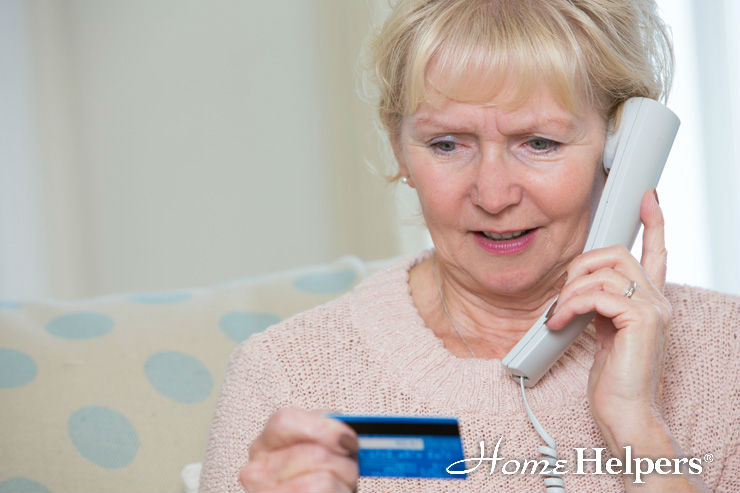
Personal information is stolen or hacked in many ways, and the bad guys are getting sneakier all the time. Teach your senior loved one the basics of staying safe, such as not clicking on any link they don’t recognize. If they aren’t sure if it’s a fake website or not, the address should be typed manually into a web browser to see if it comes up. Clicking on links in emails is never a good idea, as the link itself will take them to a computer virus or other malware. The key here is to not click on links, even if the source looks legit, like a bank or medical office.

Also, it’s not a good idea to click on pop-up ads, as they too may contain malware that is designed to steal sensitive information from the device.

3. Keep Your Medical Information Protected.
Most criminals in the cyber world will go after medical info before they attempt anything else. Most hospitals and other institutions will identify their patients through a social security number. These numbers are of immense value to the scammer who knows it can be linked to just about any financial or medical information connected the number. Although it’s very easy and convenient to rely on digital records through a patient portal, etc., you should ask for proof that it is being properly secured and protected.

It could even affect the treatment received in an emergency if the medical records have a cyber-criminal mixed in with the actual patient.

To keep the risk of identity theft as low as possible, teach your senior loved one a couple of helpful tips:

  • Always look at medical bills and make sure they aren’t being charged for a service or treatment they did not receive. 
  • Know what the benefit limit is with their insurance. If they suddenly reach that limit before it’s expected, that should be investigated. 
  • Don’t just accept it if they are denied coverage for a common or familiar condition that should be covered. Always check with the insurance company to be sure!

Unfortunately, seniors are often targeted by identity thieves because they are easy prey. They often have good credit ratings, financial security, or simply due to the fact that cybercriminals know that seniors are the least likely group of people to actually know what to look for and how to avoid being scammed. In other words, the bad guys are banking on the technology-based ignorance of the older population.

Always shred sensitive information and go with automatic deposits whenever possible. This cuts down on the number of paper documents that store private info. There are many companies now who specialize in identity-theft monitoring just for seniors!

For more information on keeping your senior loved one safe from identity theft online, contact us today!

Home Helpers of the Mid Ohio Valley is a locally-owned, trusted home health care agency and offers quality, compassionate senior in-home care services including home care assistance, personal care, companion care, respite care, 24-hour home care, Alzheimer’s & dementia care, Parkinson’s care. post-operative home care as well as homemaker services in the Mid Ohio Valley including the West Virginia cities of Parkersburg, Williamstown, Vienna, Mineral Wells, Elizabeth, Washington, Belleville, Ravenswood, Ripley, Waverly, Belmont, Rockport, Davisville, and Lubeck, and the Ohio cities of Marietta, Belpre, Newport, Vincent, Little Hocking, Coolville, Athens, The Plains, Reno, and Devola.

Legal Disclaimer
This blog provides general information and discussions about medicine, health, and related subjects. The words and other content provided in this blog, and in any linked materials, are not intended and should not be construed as medical advice. If the reader or any other person has a medical concern, he or she should consult with an appropriately-licensed physician or other healthcare workers.

Never disregard professional medical advice or delay in seeking it because of something you have read on this blog or in any linked materials. If you think you may have a medical emergency, call your doctor or 911 immediately.

The views expressed on this blog and website have no relation to those of any academic, hospital, practice or other institution with which may have been mentioned or linked to in the article
Categories

Tips for Managing Caregiver Stress

If you are a caregiver for a senior loved one, you know how tough it can be, both mentally and physically. It can be overwhelming, especially if it becomes a full-time job! You need to expect some adjustments and know that even if it’s hard to manage the stress, there are ways to do it that will help you. We’ve put together several coping skills so you can deal with the tough times that always come from being a caregiver around the clock.

Here are some tips to reduce caregiver stress:

Take Time for Yourself. Caregiving is demanding of your time. Be sure to make time to spend with the other loved ones and friends in your life. Keep doing hobbies you love, read good books and be kind to yourself. Simple things like taking a walk can help you gather your thoughts and recharge your battery. Meditation and breathing are also very helpful!

Ask for Help. No one can do this alone. You will absolutely need to be free to ask for help or you’ll head straight into caregiver burnout! Asking for help is not a sign of failure. Not only does it give you a break, but it gives other people the opportunity to get involved in your loved one’s care. Consider finding a support group or check into an adult daycare facility—they are there to help you!

Stay Healthy. Caregivers face an increased risk of cardiac disease and diabetes. Don’t neglect your own health while you’re caring for someone else! There is no doubt you are more vulnerable to things like colds and flu, so be sure to eat healthy meals and get the sleep you need. Stay active, and exercise regularly—it is a great way to work out the stress!

Set a Schedule and Plan Ahead. Make a to-do list so you can check off the things that are important for that day. A routine is critical to success in caregiving, and it will also help the patient when they know what to expect next. Removing unknowns will create peace and stability. Plan ahead for meals, doctor appointments and visiting time with friends and family!

Finally, remember that there are tons of resources to help and support you! Be sure to take advantage of them. We are always here to help, so if you need more tips on coping with stress, contact us today!

Home Helpers of the Mid Ohio Valley is a locally-owned, trusted home health care agency and offers quality, compassionate senior in-home care services including home care assistance, personal care, companion care, respite care, 24-hour home care, Alzheimer’s & dementia care, Parkinson’s care. post-operative home care as well as homemaker services in the Mid Ohio Valley including the West Virginia cities of Parkersburg, Williamstown, Vienna, Mineral Wells, Elizabeth, Washington, Belleville, Ravenswood, Ripley, Waverly, Belmont, Rockport, Davisville, and Lubeck, and the Ohio cities of Marietta, Belpre, Newport, Vincent, Little Hocking, Coolville, Athens, The Plains, Reno, and Devola.

Legal Disclaimer
This blog provides general information and discussions about medicine, health, and related subjects. The words and other content provided in this blog, and in any linked materials, are not intended and should not be construed as medical advice. If the reader or any other person has a medical concern, he or she should consult with an appropriately-licensed physician or other healthcare workers.

Never disregard professional medical advice or delay in seeking it because of something you have read on this blog or in any linked materials. If you think you may have a medical emergency, call your doctor or 911 immediately.

The views expressed on this blog and website have no relation to those of any academic, hospital, practice or other institution with which may have been mentioned or linked to in the article

Categories

3 Ways to Help Seniors Improve Their Memory

Sights, Scents, and Sounds Help Bring Memories to Mind

Everybody complains of memory loss as we grow older. Whether we’re looking for car keys, important paperwork or trying to remember someone’s name, it seems we have had to accept that memory loss just comes with the aging process. When older adults suffer from dementia or Alzheimer’s, memory loss can be much more pronounced and difficult to deal with. There are some ways to help make it better, though. Let’s look at some tips!

If you are a caregiver for a dementia patient, you already know that they depend on you to be their memory. By spending time talking about stories from the past, various family members, and momentous occasions, you will be able to help spark those memories in your loved one. Here are a few ways to help trigger those good memories.

1. Smells Can Trigger Memories
Of all our senses, smell is the most pronounced and also the most commonly connected to memories. It’s amazing how even distant memories can become crystal clear when you smell something that reminds you of that time. For those with dementia, smells can be a powerful stimulant.

Studies have shown that the sense of smell can trigger our memories and take us way farther back in time than visual or verbal cues. Certain smells brought many participants in the study an instant memory all the way back from childhood. Something as simple as baking cookies or a favorite meal can be a wonderful way to not only trigger happy memories but also open up the door to have meaningful conversations.

2. The Power of Music
Memories have two types—implicit and explicit. When you think about past memories and attempt to deliberately go back to a certain time or place, this is called explicit memory. Implicit memories are unintentional and tend to be more reactive. However, it’s the explicit memory that is so often damaged by dementia and Alzheimer’s Implicit memories can be strongly connected to music due to the emotional nature of those memories.

Music can bring us back to favorite memories, so it’s a wonderful tool to help seniors recall memories that they may not think of often. It can evoke strong emotions and become very personal, which is very comforting to most seniors.

3. Aiding Memory with Puzzles
Memories can develop atrophy just like other muscles that require exercise. We have all heard “use it or lose it.” The more we can stimulate the brain, the more “exercise” the memory part of the brain gets. Using games, crossword puzzles, etc., can be very helpful with keeping the mind active and able to problem solve and process information. If your loved one can still write and read with no difficulty, consider acquiring some logic-type games with either letters or numbers. These puzzles don’t require math skills; just the ability to think. This is easy to do with puzzle books online games or even the crossword puzzles in the newspaper.

Here are a few extra tips to stimulate memory:

  • Keep a folder full of pictures of the life and friends of your loved one so they can see them often and keep the memories strong through visual stimulation. 
  • Make a scrapbook together. You can gather items that represent different eras of your loved one’s life such as concert tickets, passport stamps, driver license, love letters, etc. 
  • Record your loved one on video talking about the things that are dear to them. They can tell you stories about family members, favorite memories and life events. This is a wonderful legacy of love!!

For more information on how you can stimulate the memory of your older adult, contact us today!

Home Helpers of the Mid Ohio Valley is a locally-owned, trusted home health care agency and offers quality, compassionate senior in-home care services including home care assistance, personal care, companion care, respite care, 24-hour home care, Alzheimer’s & dementia care, Parkinson’s care. post-operative home care as well as homemaker services in the Mid Ohio Valley including the West Virginia cities of Parkersburg, Williamstown, Vienna, Mineral Wells, Elizabeth, Washington, Belleville, Ravenswood, Ripley, Waverly, Belmont, Rockport, Davisville, and Lubeck, and the Ohio cities of Marietta, Belpre, Newport, Vincent, Little Hocking, Coolville, Athens, The Plains, Reno, and Devola.

Legal Disclaimer
This blog provides general information and discussions about medicine, health, and related subjects. The words and other content provided in this blog, and in any linked materials, are not intended and should not be construed as medical advice. If the reader or any other person has a medical concern, he or she should consult with an appropriately-licensed physician or other healthcare workers.

Never disregard professional medical advice or delay in seeking it because of something you have read on this blog or in any linked materials. If you think you may have a medical emergency, call your doctor or 911 immediately.

The views expressed on this blog and website have no relation to those of any academic, hospital, practice or other institution with which may have been mentioned or linked to in the article

Categories

Common Challenges Caregivers of Dementia Patients Face

If you’ve ever been a caretaker for a senior family member, you already know how difficult it can be. The toll it can take emotionally and physically can be daunting if you aren’t prepared. Let’s look at some of the most common issues associated with being a full-time caregiver and what you can do about it. Remember, knowledge equals power!

Common Challenges Caregivers Face

1. Objective and Subjective Burden
The amount of time spent caregiving, along with the demands it places on you, both emotionally and physically, is what is referred to as the objective burden.

How the caregiver perceives this burden is what is known as the subjective burden. Understanding these two terms can help u determine the amount of assistance needed.

2. Psychological Morbidity
This term sounds rather alarming, but it just refers to the impact on mental health that can often affect full-time caregivers. While dementia is difficult for the patient, it can also cause depression and anxiety in the caregiver as well.

3. Social Isolation
It can be absolutely all-consuming to take on the task of caregiving for a senior adult with dementia or Alzheimer’s. Having a social life is difficult, to say the least, especially when half of all waking hours are spent in the role of caregiving. Neglecting to resolve this issue can cause the psychological morbidity mentioned above.

4. Physical Morbidity
There are a host of health issues commonly experienced in caregivers. These issues are most often directly related to stress and can include cardiovascular disease, diabetes, insomnia, and stomach ulcers.

5. Financial Difficulties
You might be surprised to learn how many families end up paying for long-term care out of their own pockets. This makes caregivers twice as likely to have excessive financial strain and emotional stress.

The Toll on Care Recipients

Dementia is a progressive disease and therefore can cause continued difficulties such as communicating and mobility. Because the disease does not get better, it is crucial for caregivers to learn which behaviors they are likely to face and how to cope.

6. Wandering
This is very common in dementia patients and should be expected and planned for. There can be many causes for the urge to wander off, but most likely are due to things like looking for a lost item, avoiding something stressful in their environment, and even thinking they are going to work.

7. Incontinence
Incontinence can happen later in dementia as the patient forgets what the urge to empty the bladder feels like. They may also forget how to find the restroom or lose the inability to remove clothing in time to not soil themselves.

8. Agitation
Agitation is quite common with dementia. As the brain loses the ability to problem solve and process new information, anxiety and stress can result.

9. Repetitive Talking
Memory decline causes the brain to get “stuck” when it comes to making new memories. This causes the patient to tell the same stories over and over and use the same terms in the current conversation.

Learning to Cope
If you are a caregiver, it is crucial that you learn what to expect and the coping skills needed as the disease progresses. There are many resources available to help support you in your role, so take advantage of them so that you stay as healthy as possible yourself! Remember, no one can do it alone, and we are here to help, contact us today!

Home Helpers of the Mid Ohio Valley is a locally-owned, trusted home health care agency and offers quality, compassionate senior in-home care services including home care assistance, personal care, companion care, respite care, 24-hour home care, Alzheimer’s & dementia care, Parkinson’s care. post-operative home care as well as homemaker services in the Mid Ohio Valley including the West Virginia cities of Parkersburg, Williamstown, Vienna, Mineral Wells, Elizabeth, Washington, Belleville, Ravenswood, Ripley, Waverly, Belmont, Rockport, Davisville, and Lubeck, and the Ohio cities of Marietta, Belpre, Newport, Vincent, Little Hocking, Coolville, Athens, The Plains, Reno, and Devola.

Legal Disclaimer
This blog provides general information and discussions about medicine, health, and related subjects. The words and other content provided in this blog, and in any linked materials, are not intended and should not be construed as medical advice. If the reader or any other person has a medical concern, he or she should consult with an appropriately-licensed physician or other healthcare workers.

Never disregard professional medical advice or delay in seeking it because of something you have read on this blog or in any linked materials. If you think you may have a medical emergency, call your doctor or 911 immediately.

The views expressed on this blog and website have no relation to those of any academic, hospital, practice or other institution with which may have been mentioned or linked to in the article

Categories

Risk Factors for Strokes Among Seniors

As the fourth leading cause of death in America, stroke statistics are frightening, to say the least. Someone will die from a stroke every five minutes. So, it pays to know more about stroke, how it happens, who is at risk, and what to do should one occur. If you are a senior or a caregiver for a senior loved one, you need to know the facts on strokes!

What Is a Stroke?

We’ve all heard of a heart attack, but have you heard of a “brain attack?” That is essentially what a stroke is. It happens when the brain has a sudden interruption of blood flow, quickly causing neurological damage. In some cases, it can cause total paralysis on one side of the body, and in others, it can be a sharp change in speech, memory or movement. Bodily movements can be severely impacted due to stroke, especially when the stroke isn’t treated very quickly.

What are the Types of Strokes?

Strokes happen in one of two ways: 

  • Ischemic strokes, which make up more than 80% of all strokes, happens when there is a major blockage of blood flow to the brain, causing a blood clot. The presence of fatty acids or plaque can also cause these blockages. 
  • Hemorrhagic strokes are far deadlier and more severe. The good news is that these are much more rare. Only 30% of stroke victims will die from this type of stroke. This type of stroke happens when there is a hemorrhage in the brain, caused by a ruptured blood vessel.

Here’s What We Know

Senior adults and caregivers alike should be educated on strokes and be aware of the risk factors. Here are a few points to remember:

  • More men than women experience a stroke.
  • Women have higher odds for dying from stroke-related complications.
  • The African American population has a risk twice as high as their Caucasian counterparts.
  • Even though strokes usually happen to older people, 25% of them happen to people 50 and under. 
  • Strokes account for the highest rate of physical disabilities in the United States.
  • If someone has had a stroke, even a minor one, their risk for having another one is exponentially higher, and could likely happen within a five year period after the first one.

Risk Factors for a Stroke

While it may seem very sobering to learn about the risk factors for stroke, it’s vital that we prepare for a stroke event and know what to do should it happen. Some risk factors cannot be prevented. Some of those include:

  • Age. After the age of 55, each decade thereafter doubles a person’s risk for stroke. 
  • Family History and Genetics. If you have a member of your immediate family who has had a stroke, your risk is much higher for having one yourself. 
  • Race. African Americans are the race with the highest potential for strokes.

So, now for some good news! It is completely possible to lower your risk by 80% or more, simply by making lifestyle choices that help prevent a stroke from ever happening. As with so many other health risks, smoking, obesity, and high alcohol consumption are all big risk factors for stroke and should be stopped immediately if you’re already at risk. The reason for these particular risk factors is that they can cause high blood pressure, high cholesterol, and diabetes, all of which can cause a stroke.

For more information on strokes and what to do if one does happen, please contact us today!

Home Helpers of the Mid Ohio Valley is a locally-owned, trusted home health care agency and offers quality, compassionate senior in-home care services including home care assistance, personal care, companion care, respite care, 24-hour home care, Alzheimer’s & dementia care, Parkinson’s care. post-operative home care as well as homemaker services in the Mid Ohio Valley including the West Virginia cities of Parkersburg, Williamstown, Vienna, Mineral Wells, Elizabeth, Washington, Belleville, Ravenswood, Ripley, Waverly, Belmont, Rockport, Davisville, and Lubeck, and the Ohio cities of Marietta, Belpre, Newport, Vincent, Little Hocking, Coolville, Athens, The Plains, Reno, and Devola.

Legal Disclaimer
This blog provides general information and discussions about medicine, health, and related subjects. The words and other content provided in this blog, and in any linked materials, are not intended and should not be construed as medical advice. If the reader or any other person has a medical concern, he or she should consult with an appropriately-licensed physician or other healthcare workers.

Never disregard professional medical advice or delay in seeking it because of something you have read on this blog or in any linked materials. If you think you may have a medical emergency, call your doctor or 911 immediately.

The views expressed on this blog and website have no relation to those of any academic, hospital, practice or other institution with which may have been mentioned or linked to in the article

Categories

© Copyright 2026 H. H. Franchising Systems, Inc, All Rights Reserved.