
Seniors Have Peace of Mind During COVID-19 with Home Helpers® In-Home Care

It is a scary time for Floridians, and all Americans, as COVID-19 continues to spread across our country like wildfire. The United States is reporting more cases than any other country in the world, and there are currently 151 countries impacted by this invisible enemy, coronavirus.

At Home Helpers® Clearwater, we are like millions of Americans closely monitoring the COVID-19 virus, and as caregivers, we are taking all precautions suggested by the CDC; following updates from the CDC and the Home Care Association of America (HCAOA); and we are continuing our mission to keep our caregivers’ and clients’ health our first priority.

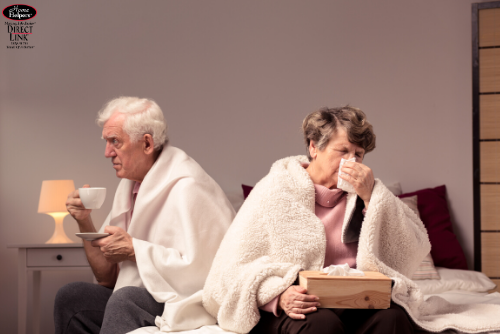
It is believed that COVID-19 probably emerged from an animal source, but is currently spreading from person to person. The coronavirus is thought to spread mainly between people who are in close contact with one another (within about 6 feet), through respiratory droplets produced when an infected person coughs or sneezes.

It is also possible that a person can get COVID-19 by touching a surface or object that has the virus on it and then touching their own mouth, nose, or possibly their eyes. The virus can live on plastic, stainless steel and other surfaces for up to 3 days, and cardboard for as long as 24 hours. According to the CDC, however, person-to-person transmission is still the primary way the infection is spreading.

Seniors are the most vulnerable population to contract coronavirus, but more and more young people are coming down with the virus, as well. Patients with COVID-19 present with mild to severe respiratory illness with symptoms of fever, a persistent, dry cough, and shortness of breath. Other subtle symptoms may include the loss of taste and smell, also.

The CDC recommends that if you think you may have been exposed to COVID‑19, and you develop any of these symptoms, call your healthcare provider for medical advice. Refrain from visiting doctor offices, hospitals and emergency rooms until advised to do so.

Seniors can reduce their risk of contracting COVID-19 and stop the spread by:

  • Avoiding close contact with anyone who is sick
  • Covering your sneeze or cough with a tissue and promptly throw the tissue away and wash your hands. If there are no tissues available, use the crook of your arm to cover your nose and mouth.
  • Avoiding touching your eyes, nose and mouth
  • Cleaning and disinfecting common areas and frequently-touched surfaces like door, cabinet and fridge handles, remote controls, light switches, countertops, etc.
  • Staying home when you’re sick, unless you require medical care. Always call your Doctor first before going to their office or the emergency room, as most healthcare providers are inundated with patients of coronavirus.
  • Washing your hands often with soap and water for at least 20 seconds.

I realize seniors are experiencing heightened levels of anxiety as the coronavirus statistics escalate daily. It is possible for seniors to have greater peace of mind by enlisting safe, dependable in-home care and companionship with Home Helpers®.

Why Choose Home Helpers®?

Coronavirus Training. Our staff and caregivers have undergone specific, high-level training outlined by the CDC to keep them and clients protected from exposure to the coronavirus.

Wellness Calls. Our staff and caregivers call our senior clients regularly to check on their well-being and make sure they know we are here for them.

Condition-Tracking Technology. Our team of caregivers is equipped with the latest condition-tracking technology to monitor symptoms and changes in our clients’ conditions in real time.

Light Housekeeping. It is crucial that all common areas and frequently-touched surfaces receive extra cleaning and disinfecting. Our caregivers perform light housekeeping duties to ensure cleanliness.

Regular Communication. Along with wellness calls with our clients, we maintain regular communication between our caregivers and family members so everyone stays informed of their loved one’s current status.

Personalized Care Plans. Everyone is different, and their needs vary. That’s why during a free consultation, I assess specific needs to develop an appropriate care plan for each individual. Then, I match the best caregiver for each client and situation.

24/7 Care Available. There are seniors with more challenging physical and mental conditions that may require a caregiver 24/7/365. Home Helpers® will find the perfect team of caregivers to work 8- or 12-hour shifts consistently for the safety and well-being of the client.

Diet-Specific Meal Services. Dietary concerns can be especially challenging for seniors who typically require better nutrition. Sugar-free, lower sodium, lactose-free, gluten-free, you name it, there are dietary requirements that can make it difficult for seniors to manage.

Home Helpers® will remain open and ready to care for our most vulnerable population, and I will personally find the most highly-qualified caregivers who are best-suited to stay in their homes. I believe that it is safer to have ONE caregiver visit and provide services in homes, than to increase exposure in a community/facility/hospital/rehab with hundreds of residents. 

I will continue to monitor this quickly changing situation and provide updates via our Facebook page. Learn what is known about the spread of the coronavirus at https://www.cdc.gov/coronavirus/.

I exercise caution when selecting professional caregivers  to join my team at Home Helpers® Clearwater, because we strive to provide quality in-home care and assistance for seniors, including companion care, light housework, meal preparation and more. I offer a FREE Consultation to assess a senior’s needs, in order to match the perfect caregiver to help during this challenging time. I appreciate the trust you place in Home Helpers®, and my team and I look forward to helping anyone who needs our assistance. 

We, at Home Helpers® Clearwater, are honored to have received the Home Care Pulse – Best of Home Care® Provider of Choice Award for 2017, 2018, 2019 & 2020. We proudly serve male and female seniors in Clearwater, Dunedin, Palm Harbor, Safety Harbor, Tarpon Springs, Holiday, New Port Richey, Trinity, Port Richey, Hudson and surrounding areas. Home Helpers®…we are Making Life Easier℠
Categories

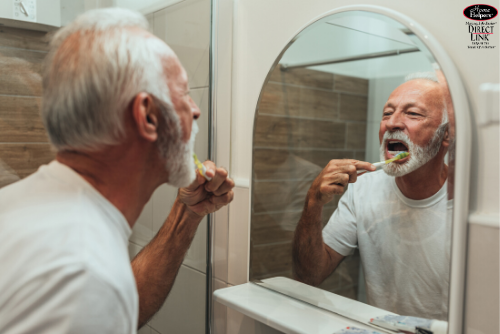
Diligence in Dental Hygiene Deters Heart Disease in Seniors

It’s never easy to lose a loved one, especially when you know something as basic as proper dental hygiene may have prevented their illness or fatal health condition in the first place.

The facts are confirmed. There is a direct link between your heart and your gums where bacteria can spread causing unimaginable cardiac damage. Not only does gum disease impact seniors’ oral health, it also directly affects heart health and cardiovascular function.

A recent story reported on Fox News featured a 41 year-old firefighter who failed to seek the professional help of a dentist when a popcorn kernel became lodged between his teeth and gums. He used sharp metal objects over several days to remove the rogue kernel, which inflicted serious damage to his gums. Within weeks, the man became very ill and eventually, underwent open heart surgery to repair severely damaged heart valves from bacteria generated from the gum wounds. He has since made the decision to never eat popcorn again!

The firefighter and his wife, Helen, learned the hard way, “Any sign of a toothache, bleeding gums, an abscess — get it checked out,” Helen advised. “Your gums are a bacterial highway to your heart.”

Partials, dentures, implants, I’ve seen them all. In my many years as a caregiver, helping seniors with dental hygiene has always been one of the most important responsibilities we encounter.

If you think about it, when seniors were young, dental floss had not been conceived, there were not supermarket shelves stacked with boxes of fluoride toothpaste, and dentists were fewer and farther between. What resulted was a generation of aging men and women with tooth decay and loss, along with periodontal issues requiring extractions, specialized treatment, and the application of prosthetic devices.

Dental hygiene is extremely important for all ages, but it is a necessity for seniors. I was fascinated to learn about one study that concluded problems in the mouth like periodontal (gum) disease, was as strong an indicator of heart disease as cholesterol levels!  In fact, the American Academy of Periodontology states that people with periodontal disease are almost twice as likely to have coronary artery disease or heart disease, than those who do not suffer with oral conditions.

Pneumonia is another dangerous possibility when dental hygiene is not taken seriously. When bacteria grow in the mouth and gums, or are inhaled through the mouth to the lungs, pneumonia can set-in. By maintaining proper oral health, this is much less likely to happen.

Moreover, a severe case of gum disease known as periodontitis prevents the body from using insulin, which has a direct correlation to diabetes. Conversely, high blood sugar levels, a characteristic of diabetes, can lead to gum infections, as well.

With all of that said, best practices in oral hygiene, as well as professional visits with a dentist, are typically more challenging with seniors for a variety of reasons. Complicating factors include multiple medications, cognitive changes and physical disabilities and impairments which can limit their ability to care for their teeth or dentures or see a dentist when needed. For these seniors, it is recommended a trusted family member, friend or professional caregiver lend a helping hand.

One common ailment older adults experience when taking multiple medications is dry mouth, or Xerostomia. This condition affects 30% of seniors over the age of 65, and 40% of elderly patients over the age of 80. It is a side-effect to many medications, and also occurs in seniors with Alzheimer’s and Parkinson’s diseases. Making sure a senior is sipping tap water throughout the day, along with using oral rinse applications, will help this condition.

Arthritis is another problem for seniors in terms of dental hygiene. Gripping and keeping hold of a toothbrush or attempting to floss natural teeth are basically impossible for those with arthritis in their hands. With osteoporosis and arthritic joints in the spine, hips, knees and legs, it is often difficult to stand for any length of time to perform oral hygiene tasks.

Moreover, seniors suffering with dementia, Alzheimer’s, Parkinson’s and other cognitive challenges typically forget to brush their teeth, or remove and soak their dentures, without the assistance of a family member, friend, or caregiver.

One of my colleagues shared that her “little lady with dementia” had to have all of her teeth removed as they began breaking-off due to rampant decay caused by her sustained “sweet tooth” and the hard candies she chain-sucked. Before the woman’s demented decline, she had been diligent about maintaining her oral hygiene by brushing and flossing multiple times per day. Unfortunately, the 80 year-old woman recently passed away following a stroke that may not have occurred if she had been able to maintain her dental hygiene routine.

That said, just because teeth have been removed and prosthetics are in place, doesn’t mean an adult is out of the woods when it comes to dental concerns. Dentures and partials that are loose-fitting can cause issues with oral health, too. The fungus Candida Albicans can spread between the gums and dentures with a lack of oral hygiene in seniors. This can cause inflammation in the gums, which is very uncomfortable and extremely unhealthy. Plus, loose partials or dentures make it more difficult to consume foods and beverages and may result in sores developing in the mouth.

The American Dental Association recommends seniors:

  • Brush twice a day with a soft-bristled toothbrush and fluoride toothpaste
  • Use an electric toothbrush for better cleaning
  • Floss or use another inter-dental cleaning device to remove food from between teeth
  • Rinse with an antiseptic mouthwash at least once/day
  • Clean full or partial dentures daily by removing them at night, soaking in a cleansing solution overnight, and replacing them in the morning, using denture adhesive as needed.
  • Drink tap water since it most likely contains fluoride to help prevent tooth decay
  • Quit smoking and dipping tobacco, because tobacco use increases the risk of gum disease, tooth decay and tooth loss
  • Visit the dentist on a regular basis (every six months) for a complete dental check-up, oral exam, and cleaning
  • Eat a healthy, well-balanced diet that includes dairy and high-fiber foods

If you know a senior who would benefit from in-home care and assistance with personal and oral hygiene, transportation assistance to/from the dentist, or meal preparation for a healthier diet, I am happy to offer a FREE in-home consultation to discuss specific needs and ways our caregivers can lend a hand. Home Helpers® is comprised of compassionate caregivers who are highly-skilled at providing quality in-home care and support for seniors with chronic conditions such as gum disease, COPD, congestive heart failure, heart disease, diabetes, cerebral vascular diseases, Alzheimer’s, dementia and more.

We, at Home Helpers® Clearwater, are honored to have received the Home Care Pulse – Best of Home Care® Provider of Choice Award for 2017, 2018, 2019 & 2020. We proudly serve male and female seniors in Clearwater, Dunedin, Palm Harbor, Safety Harbor, Tarpon Springs, Holiday, New Port Richey, Trinity, Port Richey, Hudson and surrounding areas. Home Helpers®…we are Making Life Easier℠  (727) 240-3059

Sources:

Fox News

American Dental Association

Categories

12 Ways Seniors can Stay Young at Heart and Age Gracefully

When my little lady with dementia passed away recently, I became flooded with memories of the time we shared together. Betty was a spit-fire with a free spirit that seemed contagious to her friends and family. In as much as she had never remarried after the love of her life divorced her and left her to raise their four children all on her own, she maintained relatively good health and a great attitude, until her mind failed her.

Betty was a social butterfly, and she often went to the local Moose Lodge with her friends. When she lost her driving privileges due to dementia, I was happy to drive her to the grocery, to get her nails done, and to visit a few dear friends she had cared for when she was had been a caregiver.

Betty enjoyed her life as much as she possibly could, and to me, she was the epitome of the phrase “young at heart.” If dementia hadn’t destroyed her mind, I’m sure she would still be going to her monthly class reunions and the Moose Lodge with her friends.

Here, I share 12 ways seniors can stay young at heart and age gracefully, with dignity and independence.

Accept aging and embrace it. If you have made it to senior status, consider yourself blessed! Not everyone gets to live life to their golden years, so the fact you have is a milestone in and of itself. Although, aging may not be inevitable for some, for those of us who are approaching or who have reached this “milestone,” it is normal to notice the changes in our appearance and in our lifestyle. By embracing these changes and adapting to a “new normal,” our physical and mental health will benefit, and we can avert stress and negativity for happier, healthier golden years.

Attitude is everything. This is true for everyone. When you harbor a negative attitude, seeing the worst in everything all the time, the quality of your life will surely be diminished sooner than later. Instead, try choosing to demonstrate a positive attitude each day, and the likelihood you will feel and act younger is significantly increased. Reflecting a consistently positive attitude will deter negative energy and is considered the “primary secret to aging gracefully.”

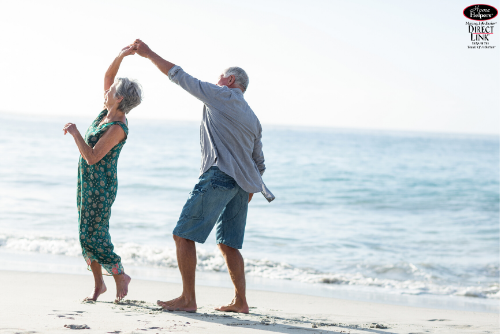
Activity helps you look and feel younger and healthier. I mention it regularly, and it is scientifically proven, that an active lifestyle helps keep one looking younger and feeling stronger and healthier longer. By moving the body for 20-30 minutes each day – walking, dancing, swimming, weight-lifting, golfing, or participating in yoga, water aerobics, or pilates – one’s metabolism is stimulated and mood is elevated. Active engagement in creative physical activities is good for the overall health of the body, mind and soul.

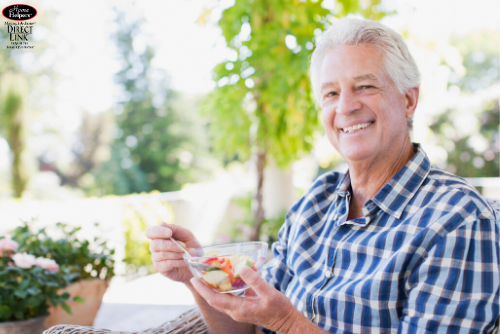
Adjustments to diet and nutrition may be required. Processed foods may be convenient and easy to prepare, but they can wreak havoc in a senior’s health profile. “One cannot underestimate the power of a well-balanced diet and how good nutrition is as the foundation for healthy living from energy levels and appearance.”  Nutritional experts concur, it is vital seniors limit or eliminate processed and fast foods and eat more fruits, vegetables, whole grains, lean meats and low fat dairy products to consume the recommended daily allowance of vitamins and nutrients for successful management of weight and  health issues for healthier aging.

Adopt a canine or feline companion for unconditional love. It is a proven fact that animals provide emotional support for people of all ages. Seniors who live alone gain even more benefits from pets, because they provide a sense of purpose and a source of motivation to keep them engaged and active. “I once had a dog that walked me twice a day,” a senior friend told me. Dogs, cats, rabbits, turtles, whatever stimulates the mind and body to get up in the morning and manage the responsibilities of being a pet owner is mutually beneficial. Pets provide their humans unconditional love and companionship, in exchange for their owner’s love and companionship. There are many health benefits for seniors who own pets, not the least of which is positive mental stimulation to minimize episodes of anxiety, depression and loneliness.

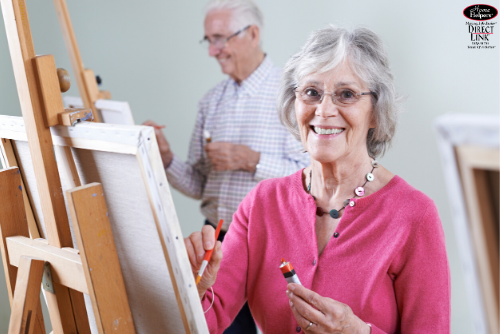
Activities to engage the mind are recommended. You have read it before in my blogs and heard it on the news: it is very important that we keep our minds engaged as we ease into retirement and our golden years in order to age gracefully, with dignity and independence.  Interact with others socially by regularly participating in meaningful activities you enjoy. Take an art class or explore education opportunities through classes at one of our fine local colleges. Participate in yoga or water aerobics, or consider joining the YMCA or another local fitness facility. Whatever piques your interest is what you should explore! The key is to find fun activities to keep your mind engaged.

Apply specific beauty tips to gain aesthetic benefits and a confidence boost. We are all outwardly beautiful in our own ways, but sometimes, a little help doesn’t hurt! Age a bit more gracefully by applying a few beauty tips to “reverse the effects of time.” First, use a skin serum with vitamin C on damp skin each morning to hydrate the skin and improve its elasticity and appearance. Second, stay hydrated! Water is crucial to the elasticity and reduction of wrinkles as we age. Third, take care of your tresses by applying a hair mask rich with proteins like keratin to strengthen weak areas of the hair and prevent continued damage.  “Similar to skin, hair becomes more fragile and damage-prone as we age, therefore protecting it is essential to looking great.”

Avoid acne, redness and listless skin with daily face-washing. Seniors attempting to age gracefully should wash their face every day with a gentle facial cleanser to remove bacteria, pollutants and other impurities from the skin. Facial cleansing helps exfoliate dead skin cells that can make the skin appear dull and listless. Remember to rinse the skin thoroughly to remove all cleanser and pat the skin dry rather than rubbing with a towel to prevent bags and wrinkles. For senior women who wear makeup, this is especially important.

Adhere to a routine of wearing sunscreen daily. Florida is the Sunshine State for a reason! The sun shines bright the majority of the time, so applying sunscreen regularly, multiple times per day can prevent premature aging of the skin and forms of skin cancer. Sun damage is a leading cause of fine lines and wrinkles, so wearing sunscreen should be part of your daily personal hygiene regiment. Even if you limit time outdoors, it only takes a matter of minutes for skin to burn, and this is especially true for seniors.

Adjust water consumption to drink more and stay hydrated.  It has been my experience that seniors do not drink enough water or other beverages to stay hydrated. It is vital that seniors consume at least eight cups of water each day, to stay properly hydrated to maintain skin elasticity as long as possible, keep organs and tissues functioning the way they should, and thwart unhealthy, uncomfortable conditions like urinary tract infections [UTIs], common among seniors. Dehydration has a significant impact on skin aesthetics and contributes to fatigue and dizziness.

Adequate sleep impacts aging and everyday life. It’s common knowledge that most of us don’t get enough sleep. I know this is true in my case! Sleep deprivation can contribute to many chronic illnesses, including diabetes, obesity, cardiovascular disease and more. It is recommended seniors age 65 and above get seven to eight hours of sleep each night. To help the sleep process, keep the bedroom cool and dark, turn off electronic devices at least one hour before bedtime and avoid watching television when trying to fall asleep. “Experts recommend that patients of all ages get lots of sleep in order to have healthy skin and maintain an independent, active lifestyle into old age.”

Acute and chronic stress contributes to faster, unhealthier aging.  Everyone endures stress of some sort, but it is how people deal with stress that matters. Counselors can help seniors sort through difficult, stressful episodes and can advise of healthy ways to cope with stress daily to avoid emotional and physical impacts. Participating in yoga or water aerobics, reading, watching a favorite television show or movie, or taking a walk on the beach can all help reduce stress for healthier aging.

Staying young at heart and aging with grace, dignity and independence is a goal of the majority of seniors. Remember, age is just a number. What counts is how you feel, not how you look!

Home Helpers® can provide compassionate caregivers to provide companionship for seniors living alone and help with personal hygiene and nutritious meal preparation to improve their quality of life with youthful engagement and social opportunities. I am happy to offer a FREE Consultation to match the perfect compassionate caregiver to lift their spirits, brighten boring days, and help keep them feeling young at heart!

We, at Home Helpers® Clearwater, are honored to have received the Home Care Pulse – Best of Home Care® Provider of Choice Award for 2017, 2018, 2019 & 2020. We proudly serve male and female seniors in Clearwater, Dunedin, Palm Harbor, Safety Harbor, Tarpon Springs, Holiday, New Port Richey, Trinity, Port Richey, Hudson and surrounding areas. Home Helpers®…we are Making Life Easier℠  (727) 240-3059
Source:

Health Prep

Categories

Colon Cancer Awareness and Screenings Critical for Seniors

Although, it’s not a particularly easy subject to approach with people, it seems a bit easier in a blog than face-to-face. I’m talking about colon cancer. It is the third most common type of cancer, as well as the third most common cause of cancer-related deaths in the United States. It is worth talking about.

A caregiver friend of mine shared that both of her maternal grandparents suffered from colon cancer. That was not the ultimate cause of their deaths, but they both endured the condition. Her grandfather even wore a colostomy bag following colon cancer surgery he underwent in the 1980’s, until a massive heart attack killed him on a cruise ship in 1997.

The American Cancer Society predicted that more than 110,000 people would be diagnosed with colon cancer in 2019, and they expect more than 104,000 men and women will receive the diagnosis in 2020. These numbers continue to decline, thanks to raised awareness about the disease and early detection.

Colon cancer awareness and screenings are critical for seniors and all adults over age 50, because this is the age group most likely to be diagnosed and treated for colon cancer. That said, colon cancer screenings may need to occur every 5-10 years, especially if any of the risk factors listed below apply. It is always best to discuss any risk factors with your doctor and follow their recommendations for colon cancer screenings, which can, potentially, save your life.

What is Colorectal Cancer?

The Florida Department of Health defines colorectal cancer as a disease in the large intestine, or colon, and the rectum, which is the connective passage to the anus. Colorectal cancer occurs when polyps appear in these areas and go untreated. Polyps can take years to grow, which is one reason they are most readily found in people over the age of 50. However, colorectal cancer does not discriminate. Young people can also be diagnosed with the disease.

Risk Factors for Colon Cancer

According to the Mayo Clinic, risk factors for colorectal cancer include age; a personal or family history of the disease; Irritable Bowel Syndrome and other inflammatory syndromes and maladies affecting the bowels; poor nutrition and diets high in fat, lacking fiber; a sedentary lifestyle; diabetes; obesity; smoking; and radiation therapy for cancer.

Symptoms of Colon Cancer

Sometimes there are no symptoms preceding the onset of polyps and the progression of colon cancer. However, there are symptoms about which you should be aware, including rectal bleeding or blood in the stool; abdominal pain and cramping; a change in the consistency of stool for a prolonged period of time; a feeling that the bowel will not quite empty all the way; weakness and fatigue; or an unexplained loss of weight.

Screening for Colon Cancer

Fortunately, the number of deaths has been decreasing over the last few decades, thanks to early detection and treatment. The age group most likely to be diagnosed with, or treated for, colorectal cancer remains adults over the age of 50, and it is recommended that everyone over the age of 50, be screened for colorectal cancer, especially if you have certain risk factors of the disease, which include smoking, obesity, heredity, Chrons Disease, and other related conditions.

When a colonoscopy or colonography is warranted to screen for polyps and other abnormalities in the rectum and colon that can lead to colorectal cancer, the preparation process requires precise instructions be followed to the letter in order to achieve the desired results.

It’s been my experience that seniors do not always follow the instructions like they should, especially if they live alone. I recommend a family member or caregiver ensure:

  1. No solid food is eaten the day before.
  2. 8 ounces of water are consumed each hour, as directed.
  3. The required magnesium citrate and over-the-counter laxatives are taken as directed for maximum cleansing of the bowels.
  4. No food or drinks are consumed after midnight the day of the procedure.

Also, because this process requires significant bathroom time, seniors with ambulatory issues will need assistance getting to and from the restroom, and on and off the commode. It is important to pay close attention to hygiene during this cleanse, as well, which can sometimes be problematic for seniors.

The scope itself is considered a surgery, because an anesthetist administers a potent sedative so the patient will sleep through the event. The colonoscopy only takes about 30 minutes, but it is crucial the patient is adequately prepared the day before, prior to the scheduled procedure.

March is Colorectal Cancer Awareness Month, which got its start thanks to President Bill Clinton in 2000. Perhaps, the decline in the number of deaths attributed to colon cancer is due to this raised awareness, because more people are being screened for colorectal cancer. Early detection is the key to preventing and successfully treating the disease.

The process may not be pretty or fun, but it is a necessity. If a compassionate caregiver can provide personal care for seniors and assistance with the colonoscopy prep process, or transportation assistance to and from doctor appointments and medical procedures – like a colonoscopy – I am happy to offer a FREE Consultation to assess specific needs, or those of your loved one, and outline all the ways we can help.

If you or a loved one suffer from colon cancer and could benefit from in-home care, including companionship, light housekeeping, grocery shopping and meal preparation, please give me a call: (727) 240-3059.

We, at Home Helpers® Clearwater, are honored to have received the Home Care Pulse – Best of Home Care® Provider of Choice Award for 2017, 2018, 2019 & 2020. We proudly serve male and female seniors in Clearwater, Dunedin, Palm Harbor, Safety Harbor, Tarpon Springs, Holiday, New Port Richey, Trinity, Port Richey, Hudson and surrounding areas. Home Helpers®…we are Making Life Easier℠ 
Sources:

American Cancer Society

Mayo Clinic

Florida Department of Health

Categories

Senior Nutrition Impacts Overall Quality of Life

If you have ever shared a meal with family, you may have noticed Great Aunt Alice “eating like a bird,” spooning-out small portions of food, picking at it with her fork, actually eating very little. The same may have been true of Uncle Frank, who was forced to get dentures that never really fit quite right.

I have made the point to mention this topic in numerous blogs over the years, because it is so very important. Senior nutritional needs evolve with age due to physiological and perceptual, and age-related changes, but it is how they adapt to this evolution and prioritize senior nutrition that means the difference between a healthy or poor quality of life.

We all need food to fuel our bodies, but as we age, our metabolism and energy-expenditure levels slow down. Seniors don’t need to consume as much food or as many calories as they did when they were younger, more active and vital. However, just because seniors don’t need as many calories, doesn’t mean they don’t require certain amounts of vitamins and minerals so the body has the fuel it needs to function at its optimum.

Like with Uncle Frank, dental and oral issues can limit the ability to chew, swallow, taste, and enjoy food. Ill-fitting dentures can make it difficult to chew food. A lack of saliva that causes dry mouth may inhibit the ability to help break down food to swallow properly. Diminished taste buds alter the flavors of foods, where salty and savory becomes sour and bitter. Even a decline in the sense of smell may prevent the enjoyment of former favorite foods.

Digestive changes also play a critical role when it comes to senior nutrition. My referral partners at aPlaceforMom suggest, “Chronic gastritis, constipation, delayed stomach emptying, and gas may…lead to avoiding fruits and vegetables, as well as other healthy foods. Thus, the food categories that should be emphasized may get eliminated instead.”

Having been a caregiver for many years, I have also witnessed cases of senior malnutrition due to these and other factors.

Malnutrition is not simply a lack of food. It is the failure to get proper nutrition. Malnutrition is seen in varying degrees in the elderly, along with varying vitamin and calcium deficiencies. Malnutrition is due to undernutrition, nutrient deficiencies or imbalances. Most physicians do not see frank malnutrition anymore, such as scurvy. Instead, they encounter milder malnutrition symptoms, such as loss of appetite, general malaise or lack of overall interest and wellness,” according to aPlaceforMom.

So how can we as family members and caregivers help improve senior nutrition and eliminate the possibilities of even the mildest forms of malnutrition? There are a number of ways we can help.

If physiological and psychological issues make it a challenge to shop for groceries and prepare healthy meals, meal preparation for seniors an in-home caregiver can help by acquiring and cooking nutritious foods, including colorful fruits and vegetables, good sources of lean protein, and whole grains, all of which are vital for seniors to maintain higher levels of energy and a healthier lifestyle.

Seniors with difficulties swallowing will benefit from pureed food, nutritious shakes and smoothies, and beverage thickeners that can help. These may also be a solution for seniors with no teeth.

Dentures and other oral prosthetics that don’t fit properly should be examined and adjusted by a Dentist as soon as possible. If a senior is unable to take themselves to the dentist, safe transportation assistance by a caregiver can easily provide a solution, which can make all the difference in that person’s ability to chew and enjoy food again!

Additional factors for senior nutritional deficiencies that may not be so obvious are financial concerns; the loss of a spouse or loved one; extended hospital or institutional stays, where nutrition isn’t promised; or a lack of interest in cooking or eating alone.

Seniors typically experience common deficiencies of vitamins A, B, C, D, and E, folic acid, calcium, and niacin. These deficiencies can improve if the following United States Department of Agriculture [USDA], recommendations are implemented daily:

Fruits [1½ to 2 ½ cups, fresh, frozen or canned] – A ½ cup of cut-up fruit is the equivalent of a 2” peach or ¼ cup of dried fruit. Be careful of canned fruits that are packed in syrup, because they contain an abundance of sugars.

Vegetables [2 to 3½ cups, fresh, frozen, or canned] – 1 cup of cut-up, fresh vegetables is the equivalent of 2 cups uncooked, leafy greens. Be careful of canned veggies that often include higher levels of sodium (salt). Check labels and opt for low sodium varieties.

Grains [5-10 ounces] – 1 ounce of grains is the equivalent of a small muffin, a slice of bread, a cup of flaked, ready-to-eat cereal, or ½ cup of cooked rice or whole-grain pasta.

Proteins [5-7 ounces] – 1 ounce of meat, fish or poultry is the equivalent of 1 egg, ¼ cup of cooked beans or tofu, ½ ounce of nuts or seeds or 1 tablespoon of peanut butter. Choose lean proteins like salmon, ground turkey, and skinless chicken breasts are lower in fat and provide an excellent building block for stronger muscles.

Dairy [3 cups fat-free or low fat] – 1 cup of milk is the equivalent of 1 cup of yogurt or 1½ to 2 ounces of cheese. One cup of cottage cheese is the same as ½ cup of milk. Low fat dairy is an excellent source of vitamin D, so seniors should include several servings of these each day.

These dietary recommendations strongly apply to seniors who are battling diabetes, heart disease or other chronic illnesses, along with those challenged with disabilities. Every effort should be made to make certain these seniors are eating nutritious meals to properly manage their conditions. [Please remember to always consult your physician about your specific dietary recommendations.]

If money and budgets are perceptual constraints to eating a healthier diet, this bears repeating: by eating better, seniors should reap the benefits of increased energy for a healthier, more active lifestyle, requiring fewer medications and doctor visits, which are definitely nice ways to save!

If you or a special senior loved one is unable to go grocery shopping or prepare healthy meals, Home Helpers® compassionate caregivers can shop for and cook nutritious foods, while providing companionship during meals, so you or your loved one won’t have to dine alone. I am happy to offer a FREE consultation to assess all needs to match the perfect caregiver for you or your loved one.

We, at Home Helpers® Clearwater, are honored to have received the Home Care Pulse – Best of Home Care® Provider of Choice Award for 2017, 2018, 2019 & 2020. We proudly serve male and female seniors in Clearwater, Dunedin, Palm Harbor, Safety Harbor, Tarpon Springs, Holiday, New Port Richey, Trinity, Port Richey, Hudson and surrounding areas. Home Helpers®…we are Making Life Easier℠ .
Categories

New Year, New You: How Movement Helps Seniors Achieve Successful Aging

As more and more Baby Boomers reach their senior years, I’ve noticed  that grandmas don’t always look like my grandmothers did as they grew older. More and more, men and women are doing a better job taking care of themselves to prevent visible and invisible signs and symptoms of aging.

Don’t get me wrong. In my job, I see and care for many seniors living alone who do look much like my grandparents did – wrinkles, gray hair, sedentary lifestyle, health issues, ambulatory devices, along with episodes of loneliness and depression.

The Office of Disease Prevention and Health Promotion reported that in 2014, 14.5% of the US population, or 46.3 million Americans, were aged 65+. They project these statistics to increase to a whopping 23.5%, or 98 million, by 2060.

So, how can aging adults positively impact their health, function and quality of life in 2020, considering as many as 60% of older adults manage two or more chronic health conditions like heart disease, cancer, diabetes, Alzheimer’s disease and stroke?

Seniors can achieve happiness and successful aging by making healthy lifestyle choices, nurturing their mental health and moving their bodies.

Daniel J. Levitin, a neuroscientist, cognitive psychologist and best-selling author, recently discussed his new book, Successful Aging. In it, he shares how our individual personalities, culture and workout habits impact how we age. Traits like curiosity, openness, association, conscientiousness and healthy practices impact health, happiness and productivity as we age.

Dr. Levitin says, “Aging is not a simple period of decay, it can be a period of unique growth. It is actually a time of blossoming.”

In the interview, Dr Levitin explained that research does not support the theory that a majority of seniors experience decline and depression. In fact, most experience renewed energy and demonstrate compassion and gratitude.

He said it’s more important to focus on your “healthspan” than your “lifespan.” “There is a difference,” he said. “How long you live doesn’t matter as much as how you live that life.”

An individual’s personality is capable of change, so if you are currently not conscientious about your environment; you don’t lead a particularly active lifestyle; or you rarely demonstrate a healthy curiosity about your natural environment; you should attempt to cultivate one!

Since it has been well-established that physical health is connected to mental health, the biggest factor in maintaining good mental health isn’t necessarily exercise, Dr Levitin said, “it’s movement.”

In other words, seniors don’t have to sign-up for the next 5K to reap the benefits of exercise. By simply emerging from their easy chair and moving their bodies, aging adults can make significant impacts on their overall physical and mental health and happiness.

Dr Levitin continued, “I think the big thing to do is get up and move in natural environments as much as you can. Get off the couch.”

Psychologist Kelly McGonigal, author of The Joy of Movement: How Exercise Helps Us Find Happiness, Hope, Connection, and Courage, concurs, “Exercise can make you a better version of yourself.”

When you’re active, use your muscles, and get your heart rate up, you feel better and experience less loneliness and periods of depression, Dr McGonigal said. Exercise, or any kind of movement, can positively impact a senior’s hope, optimism, ability to face challenges, physical and mental strength, and recovery from grief and trauma.

Any form of movement that makes you feel differently, whether it’s running, walking, dancing, gardening, or power lifting,  just by using our bodies to connect with others and do things that matter, makes a huge difference. If you are a  marathon runner, run a marathon! If not, walking your dog, or any movement that has meaning or purpose is positive.

Dr McGonigal said, “Movement releases a “hope molecule.” When you exercise,  your muscles secrete chemicals in your bloodstream that work like an anti-depressant, so every time you exercise in any form at all, you are giving yourself an intravenous dose of hope”

It can be scary, but leaving your comfort zone and making accomplishments changes how we view ourselves.

If you hate exercise, but you want the benefits of exercise, pair it with something you love, she suggests. Groove to music, go outdoors, and remember, no matter how you move, do it with a purpose, and even include family, friends or neighbors.

I recommend visiting your local bookstore or library for these books, or purchase them online. You will get much more insightful information to improve seniors’ physical and mental health and wellness in the New Year and beyond!

If you or someone you love suffers with health issues and experiences difficulties moving, or they can no longer manage activities of daily living without assistance, Home Helpers® is here to help. I carefully select the best-qualified, compassionate caregivers to provide companionship, manage grocery shopping, meal preparation, light housekeeping, transportation assistance, respite care and more. I am happy to offer a FREE Consultation to assess your loved one’s needs and determine what we can do to enhance their life in 2020!

We, at Home Helpers® Clearwater, are honored to have received the Home Care Pulse – Best of Home Care® Provider of Choice Award for 2017, 2018 & 2019. We proudly serve male and female seniors in Clearwater, Dunedin, Palm Harbor, Safety Harbor, Tarpon Springs, Holiday, New Port Richey, Trinity, Port Richey, Hudson and surrounding areas. Home Helpers®…we are Making Life Easier℠  (727) 240-3059
Sources:

HealthyPeople.gov

CBS This Morning, January 7, 2020: Successful Aging

CBS This Morning, January 8, 2020: The Joy of Movement: How Exercise Helps Us Find Happiness, Hope, Connection, and Courage

Categories

10 Tips to Help Seniors Fight the Flu

We are right in the middle of Florida’s flu season, yet by the end of December 2019, FloridaHealth.gov had reported to the Centers for Disease Control and Prevention [CDC], that influenza was widespread  across the state, with a higher number of cases having been reported by the last week of the decade, than in the two previous flu seasons during the same time period, 2017-2018, 2018-2019.

“Influenza, or flu, is a respiratory infection caused by a variety of influenza viruses. Most experts believe influenza viruses spread primarily by droplets made when infected people cough, sneeze, or talk. Less often, a person might become infected with influenza by touching a surface or object contaminated with influenza virus and then touching their own mouth, eyes, or nose,” according to FloridaHealth.gov.

Aging.com shared these statistics, “The CDC reports that between 70 and 85 percent of people who die from seasonal flu infections are over the age of 65, and that up to 70 percent of flu-related hospitalizations involve seniors.

With this in mind, my primary concern is providing help for seniors to protect them from influenza, because they are among the most vulnerable in terms of this nasty virus. Moreover, the complications that can develop as a result of the flu often render fatal consequences for the elderly.

Hopefully, these 10 tips will help seniors fight the flu:

  1. Get the most current flu vaccinations. Infectious Diseases Society of America and Oxford Academic says, “The flu shot is the most important senior flu prevention, with research showing that people aged 50 and older who got a flu vaccine reduced their risk of being hospitalized with flu by 57%.” It is important to remind family and friends to get their flu shots, as well, as an additional measure of protection.
  2. Stay current with all vaccinations, including the pneumococcal , or pneumonia, vaccine, meningitis, and other blood-borne infections. Should any of these conditions arise, nasty complications are likely to manifest as a result.
  3. Wash your hands frequently and thoroughly. An article in the Orlando Sentinel last month made a great point, “From gas pumps and escalator railings, to door knobs – germs are everywhere. Mailboxes, gas stations, door knobs…basically all are petri dishes.”
  4. Maintain healthy habits like eating right, exercising, and getting enough sleep. Additionally, you should always cover your mouth and nose with your inner elbow, handkerchief or tissue when coughing or sneezing.
  5. Sanitize mobile phones and devices with sanitizing wipes or alcohol pads, but be careful not to get electrical components wet.
  6. Avoid close contact with others who are sick. This should go without saying, but it is not always easy to do. People don’t always stay home when they’re sick, so be watchful, mindful and extra-careful when in public places, traveling, or around family and friends fraught with symptoms.
  7. Drink plenty of water, juices and hot tea to help nasal passages trap germs before they can spread throughout the body.
  8. Increase Vitamin C and protein intake to boost the body’s immune response and reduce the risk of contracting an illness.
  9. Clean your environment to reduce and eliminate germs by using a disinfectant, especially in kitchens and bathrooms. Do not neglect door knobs in your home and communal areas where family or coworkers gather, or objects like remote controls and shopping carts that get touched frequently.
  10. See your physician immediately if you experience flu-like symptoms. Your doctor will be able to troubleshoot indications of complications and prescribe anti-viral medications to help prevent them. Symptoms may include fatigue, fever, headache, coughing, sore throat, runny or stuffy nose, body aches, chills, and occasionally, stomach pains, vomiting and diarrhea.

FloridaHealth.gov reiterated, “The Centers for Disease Control and Prevention recommends antiviral treatment be initiated as soon as possible for people with confirmed or suspected influenza who are at higher risk for complications (children <2 years, adults ≥65 pregnant women, and people with underlying medical conditions). Treatment should be administered within 48 hours of illness onset. For more information, contact your health care provider.”< p>

I hope these 10 tips will protect seniors from contracting an influenza virus or other infectious diseases this season. If you or a senior friend or family member has a suppressed immune system or chronic health conditions that may require help with medication reminders, light housekeeping, meal preparation, transportation assistance to/from doctor’s appointments, or more, I offer a FREE consultation to assess and match the perfect, compassionate caregiver who will be happy to provide the assistance necessary.

We, at Home Helpers® Clearwater, are honored to have received the Home Care Pulse – Best of Home Care® Provider of Choice Award for 2017, 2018 & 2019. We proudly serve male and female seniors in Clearwater, Dunedin, Palm Harbor, Safety Harbor, Tarpon Springs, Holiday, New Port Richey, Trinity, Port Richey, Hudson and surrounding areas. Home Helpers®…we are Making Life Easier℠ (727) 240-3059

Sources:

FloridaHealth.gov

Aging.com

DailyCaring.com

Categories

Focus on Bathroom Safety to Minimize Senior Fall Risks

The annual statistics regarding seniors falling are alarming. The incidents of seniors falling in bathrooms are even more staggering.

According to the National Council on Aging, 25% of the American senior population experience a fall each year.  A senior dies every 19 minutes from a fall, and a senior is sent to the emergency room for treatment of an injury from a fall every 11 seconds.

Uplifting Mobility admits, “Falls in the home often result in minor injuries, but a fall in the bathroom can be fatal.”

The Centers for Disease Control and Prevention issued a report in 2011, that stated as many as 200,000 seniors were treated in emergency rooms due to falls in the bathroom.

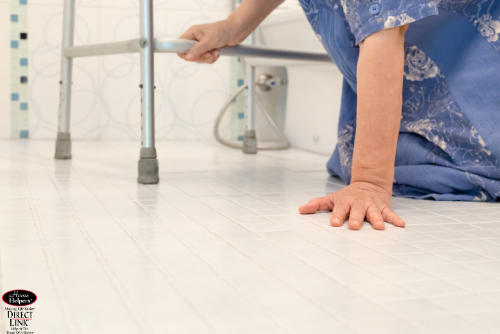
Knowing this, it stands to reason that bathrooms are the most dangerous area in the home for seniors at risk of falling. Slippery, wet floors, bathtubs and shower tiles; poorly secured grab bars and towel racks; low toilet seats; and shower benches and chairs without appropriate grips, are all contributing factors to falling accidents in the bathroom.

Although bathroom grab bars are highly recommended, they will not solve all of the bathroom safety issues seniors encounter.  I have found eight areas that require attention to keep seniors safe from falling in the bathroom.

As a certified Senior Home Safety Specialist, I think it is vital we observe National Bath Safety Month to focus on and promote bathroom safety to minimize senior fall risks and help prevent avoidable accidents in the bathroom.

The following eight suggestions will help provide your senior loved one increased bathroom safety:

  • Grab bars. If there are no secure grab bars built-in to the bathroom, and specifically, the tub and shower design, you can find sturdy suction-style grab bars at your local home store. They are easy to install and they do not damage existing surfaces. The problem is, they are not designed to support a lot of weight, so they can come loose or slide creating a new falling hazard. Bolt-on grab bars and towel racks are better suited to support adults and are recommended. If you do opt for the suction-style grab bars, remember to follow all directions carefully to ensure they are completely secure when installed in areas where seniors with balance issues can reach them easily.
  • Slip-resistant Shower Chairs. When chronic pain or balance issues are a concern, it makes sense to invest in a shower chair or bathtub transfer bench with rubber slip-resistant tips to prevent sliding on wet surfaces. These provide an easier transition to the shower or tub and a place to sit and rest while bathing or showering. There are various styles available, depending upon the tub or shower design and the physical constraints of the user.
  • Apply shower mats or tub appliqués. Everyone knows bathtubs or shower floors are slippery when wet. Newer tubs and showers may include a non-slip floor surface, but older tubs and showers do not. Provide a safe surface by applying non-slip appliqués or bathtub/shower mats to reduce fall risks.
  • Invest in a walk-in tub. When seniors experience difficulties getting in and out of the bathtub, a walk-in tub may be a wise investment. It is much easier for seniors to remain independent and stay consistent with healthy hygiene habits when they do not struggle to bathe. Being able to walk into the tub, which also includes a bench, makes the bathing process less problematic and much safer.
  • Keep bathing items within reach. Soap, body wash, shampoo and conditioner are toiletries seniors use when bathing. If they have to reach or bend too far to retrieve them when bathing, this can create a falling hazard. Use a shower caddy to keep toiletries within reach. Even better, consider installing refillable dispensers for body wash and hair products to prevent individual bottles from slipping of narrow edges and corners and becoming obstacles.
  • Install a higher toilet seat. Seniors that experience difficulties sitting on lower seats due to back, knee or hip issues can benefit from a raised toilet seat. They increase the height by as many as four inches, which can make a big difference for seniors. Most raised toilet seats come equipped with grip bars, but it is important there be secure grab bars near the commode as an extra measure of slip protection.
  • Examine lighting and doors. Proper lighting is always important, especially for seniors with vision impairments, balance and ambulatory issues. Make sure lights are bright enough along the path to the bathroom, as well as in the bathroom. Nightlights in the bedroom, corridor and bathroom will help illuminate the way after dark. Doors can pose another challenge. If they open inward and a fall against the door prevents first responders from entering the bathroom, it can cause another set of challenges. Replace the door to open outward for easier access in case of an emergency. Additionally, you may want to widen doorways that are not large enough to accommodate wheelchairs.
  • Subscribe to a monitoring service. Home Helpers® utilizes Direct Link, because they offer an exclusive line of monitoring systems that allow seniors to live independently and securely in their own homes longer than they might otherwise. Direct Link systems are always monitored 24/7 by a CSAA 5-Diamond Certified Care Center, allowing you or your loved ones a way to reach out to a live person with the simple touch of a button, anytime, day or night. This adds an extra level of security when seniors are at risk of falling in the bathroom or elsewhere in the home.

If you know a senior who is a fall risk, struggles with activities of daily living, and who desperately wants to remain independent in their own home, I am certified as a Senior Home Safety Specialist, and I am happy to offer a FREE Consultation to assess bathroom safety and other home safety needs. If, during my assessment, it is determined that in-home care or our Direct Link monitoring services would be beneficial, I will offer my recommendations. As always, we offer personalized, compassionate, non-medical, in-home care for the disabled and seniors throughout West Pasco and North Pinellas Counties in Florida.

We, at Home Helpers® Clearwater, are honored to have received the Home Care Pulse – Best of Home Care® Provider of Choice Award for 2017, 2018 & 2019. We proudly serve male and female seniors in Clearwater, Dunedin, Palm Harbor, Safety Harbor, Tarpon Springs, Holiday, New Port Richey, Trinity, Port Richey, Hudson and surrounding areas. Home Helpers®…we are Making Life Easier℠  (727) 240-3059

Sources:

Uplifting Mobility

Consumer Affairs

Categories

Lifestyle Choices Impact Seniors’ Heart Health

I am really working hard to keep my New Year’s resolution on track in 2020, which means I am consciously shopping for healthy foods, preparing nutritious meals, and staying on track with my exercise routine.

I, like most people, resolved to eat better and exercise more regularly as part of a healthy lifestyle. I know this is especially important for women over the age of 55, because cardiovascular disease [CVD], impacts this population more than any other disease or condition.

According to Dr Tara Narula, a board certified cardiologist, professor of cardiologic medicine, spokeswoman for the American Heart Association [AHA], and medical contributor to CBS Morning Rounds, statistics emphasize the importance of staying proactive and making smart lifestyle choices when it comes to seniors and heart health:

  • Half of all adults in the United States have some form of heart disease.
  • Cardiovascular Disease is the #1 killer of women ages 55 and up.
  • Over 400,000 women die each year from CVD, more than all cancers, accidents, and diabetes combined.
  • One of three women will die from cardiovascular disease.
  • Only 55% of women even realize they’re at risk.

Since 80% of heart disease cases are preventable, it is recommended that senior women, in particular, understand their risk factors and address them by having conversations with their physician and consider lifestyle changes.

The primary risk factors for CVD include:

  • High Blood Pressure [HBP]
  • Cholesterol
  • Body Mass Index [BMI]
  • Blood Sugar

Moreover, there are additional risk factors for heart disease in senior women based on biological differences:

  • Health during pregnancy [HBP, preeclampsia, gestational diabetes, etc]
  • Early menopause
  • Inflammatory conditions
  • Depression
  • Anxiety
  • Stress
  • Polycystic ovary syndrome
  • Breast cancer treated with radiation

Now that we know the risk factors and symptoms of a serious heart condition, we should all examine our lifestyles, have a conversation with our doctors, and make our heart health a priority by adhering to the AHA’s Life’s Simple 7®, to maintain a healthy heart:

  1. Manage Blood Pressure
  2. Control Cholesterol
  3. Reduce Blood Sugar
  4. Exercise/Get Active
  5. Eat Better
  6. Lose Weight
  7. Stop Smoking

Five of the Simple 7 include food and diet. Everyone can improve their heart and overall health by shopping for nutritious foods that contain vitamins, minerals and fiber. One of my referral partners, aPlaceforMom [APFM], has 7 suggestions for grocery shopping to help seniors make good decisions before they hit the check-out lane.

  • Purchase colorful produce. Adults require 5 servings of fruits and vegetables each day, and they are naturally low in calories and packed with vitamins minerals and fiber. APFM senior nutrition expert Heather Schwartz says, “When getting ready to head to the check-out line, check the basket to make sure you have a variety of colored fruits and vegetables to ensure you get the rainbow of benefits each color has to offer. Colors indicate a concentration of a specific nutrient; for example, tomatoes are dense in lutein, which is great for your heart and eyes.”
  • Avoid high-fat meat and dairy. Selections of “loin” cuts, like sirloin and tenderloin, tend to be lower in fat. Choose skinless chicken and turkey, and cuts of meat that have less visible fat. The best choices include fatty fish, like salmon and trout that provide omega 3 fatty acids, which help lower the risk of heart disease.
  • Choose nuts and high-fiber foods. Fiber-rich foods, like beans, fruits, vegetables and whole grains help lower cholesterol and make you feel “full” which can promote weight loss. Moreover, studies have shown nuts like almonds and walnuts help improve heart health.
  • Bypass butter. Adults should eat less than 300 milligrams of cholesterol per day, and avoid foods containing partially hydrogenated vegetable oils. Heather Schwartz suggests, “Consider replacing butter with a more healthful spread like Smart Balance, Brummel and Brown, Benechol or Promise. Unlike butter, they have healthy fats in them and contain plant sterols which may help lower bad cholesterol.”
  • Check nutrition labels. Prepared and processed foods are often loaded with sodium and hidden sugars. Be diligent about checking these amounts when buying groceries. Research from “Agriculture Economics” discovered people who read nutrition labels are generally slimmer than those who don’t.
  • Frozen and canned fruits and vegetables are fine. “Remember that frozen fruits and vegetables have the same vitamins and minerals in them, though their prices may be radically different,” suggests Heather. “This knowledge makes keeping the kitchen stocked with cholesterol and blood pressure lowering foods a little easier. Canned fruits and veggies offer similar benefits, though choose unsalted or unsweetened varieties when possible.”
  • Don’t rush into major dietary changes. Start with baby steps when making dietary changes. Trying to do everything at once can be overwhelming. You will likely be more successful if you gradually incorporate these tips into your grocery shopping and meal preparation to promote cardiovascular health.

For seniors suffering from heart disease, activities of daily living, like grocery shopping and meal preparation, can be a real challenge. Home Helpers® employs compassionate caregivers who are skilled at providing in-home care and support for seniors with chronic conditions such as COPD, congestive heart failure, heart disease, diabetes, cerebral vascular diseases, Alzheimer’s, dementia and more. I am happy to schedule a FREE Consultation to assess specific needs and match the perfect caregiver to encourage better heart health, minimize challenges, and improve your overall quality of life.

We, at Home Helpers® Clearwater, are honored to have received the Home Care Pulse – Best of Home Care® Provider of Choice Award for 2017, 2018, 2019 & 2020. We proudly serve male and female seniors in Clearwater, Dunedin, Palm Harbor, Safety Harbor, Tarpon Springs, Holiday, New Port Richey, Trinity, Port Richey, Hudson and surrounding areas. Home Helpers®…we are Making Life Easier℠

Sources:

CBS Morning Rounds

aPlaceforMom

American Heart Association

Categories

Make Time to Bake for Family Fun with Seniors Living Alone

If it is possible to have any positive take-away from the sudden, tragic loss of NBA star, Kobe Bryant, his daughter, Gianna, and their seven friends, colleagues and teammates, in what has been described as a violent helicopter crash, it is to remember each day is a gift, and we should always make time for the ones we love. Life is short…and for some, much too short, unfortunately.

February is Bake for Family Fun Month, and Valentine’s Day is upon us. It is the season to demonstrate how much we care for our loved ones with sweets, treats, gifts, phone calls, texts and actual time together.

Young people typically opt for special presents and expensive dinners to show their measure of love for significant others.

For older generations and seniors who live alone, the gift of your time and company is most appreciated, because, in my line of work, I find they tend to be more lonely, depressed and disconnected from friends and loved ones.

These symptoms cause a ripple-effect, as seniors’ heart health and overall physical and mental well-being are directly affected and compromised as a result. No one wants to see their grandmothers, grandfathers, aunts, uncles and elderly friends become despondent or indifferent to life in their golden years!

Making time to bake for family fun with senior loved ones living alone will be as satisfying for you as it is for them! It will lift their spirits and warm your souls to spend quality time with each other and savor something yummy you baked together!

Your senior loved one will feel and taste the love when you work together to bake this easy fruit cobbler. [I am including measurements, even though Grandma never used measuring utensils!]

Grandma’s Easy Fruit Cobbler

Ingredients

  • 1 stick butter or margarine
  • 1 cup sugar
  • 1 cup all-purpose flour
  • 1 cup milk
  • 2 cups of fresh or frozen fruit, thawed – berries, cherries, peaches or apples work well

Directions

  • Preheat oven to 350°.
  • Melt butter in a large iron skillet, or melt and pour in 9”x13” baking dish
  • Mix the next three ingredients and pour batter on top of melted butter
  • Add the fruit on top of the batter
  • Bake at 350° for 40-45 minutes

Serve warm with a scoop of vanilla ice cream, frozen yogurt or non-dairy whipped topping to take it to the next luscious level!

Of course, you will want to take dietary restrictions into consideration. For example, you may need to research the proper conversions for a sugar substitute, if diabetes is a concern. Be careful, though, because sugar substitutes are substantially sweeter than regular granulated sugar, and some are not conducive to exposure to high temperatures. Pay very close attention to specific baking instructions and conversions when using sugar substitutes.

The culinary process doesn’t have to be a flour-dusting ordeal in the kitchen. Grandma’s Easy Fruit Cobbler recipe doesn’t take long to prep or bake, and the results are simply scrumptious!

If you don’t like to bake, pick up a pie at a local bakery or Publix, warm it in the oven and in turn, warm the heart of your senior loved one, simply by spending a little quality time with them. None of us know how long we have in life, so make the most of each day, and remember to include your senior loved ones!

If you live a distance from special seniors who live alone, or your schedule is relentless in allowing you time to share with your special senior someone, consider hiring a compassionate caregiver from Home Helpers® Clearwater. Our professional caregivers provide in-home care and assistance, including companion care, personal hygiene, light housework, and more. I gladly offer a FREE Consultation to assess the needs of your senior loved one and match the perfect caregiver to help with activities of daily living, engage in meaningful conversation and enhance their overall quality of life. (727) 240-3059

We, at Home Helpers® Clearwater, are honored to have received the Home Care Pulse – Best of Home Care® Provider of Choice Award for 2017, 2018, 2019 & 2020. We proudly serve male and female seniors in Clearwater, Dunedin, Palm Harbor, Safety Harbor, Tarpon Springs, Holiday, New Port Richey, Trinity, Port Richey, Hudson and surrounding areas. Home Helpers®…we are Making Life Easier℠

Categories

© Copyright 2026 H. H. Franchising Systems, Inc, All Rights Reserved.