Information on Caregiver Burnout
Need Home Care?
Contact Us Today
Information on Caregiver Burnout
Caregivers, individuals who care for the physical and/or psychological needs of others, often fail to recognize and meet their own needs. Being focused on tending to the day-to-day needs of others can cause one to ignore their own personal and emotional well-being. This is often a major factor that contributes to stress and other problems associated with caregiver burnout.
Caregiver burnout is a state of physical, emotional, and mental exhaustion that may be accompanied by a change in attitude from positive caring to negative and apathetic.” Studies by the Family Caregivers Alliance have shown that caregiving compromises health with approximately sixty percent of caregivers being clinically depressed.
RECOGNIZING THE SIGNS
The most apparent signs of burnout are increased stress and feelings of depression. Learning to recognize these signs of burnout will enable caregivers to take preventive measures to maintain their own health and well-being.
Other warning signs and symptoms of caregiver burnout often include:
- No longer participating in activities once enjoyed
- Withdrawing from friends and family
- Denial about the severity and outcome of their family member’s disability/disease
- Changes in appetite, weight or both
- Changes in sleeping patterns
- Getting upset more quickly than normal
- Feeling blue, irritable, hopeless and helpless
- Getting sick more often
- Lack of concentration, even with simple everyday tasks
- Increased anxiety
Caregiver burnout is not the result of a single event but rather a combination of circumstances, experiences and responses. The many round-the- clock physical and emotional demands of caring for another can end up taking a heavy toll on both your body and mind. Dealing with caregiver burdens is not an act of selfishness. It’s a difficult job and many times help is needed to take care of both your loved one and yourself. It’s okay to ask for help and it actually helps the person you care for because you will become a more patient and effective caregiver.
RECOGNIZING AND COPING WITH CAREGIVER BURNOUT
- Recognize warning signs early: Don’t wait until you are overwhelmed. It is important to take even the small signs of emotional distress seriously.
- Make time for yourself: As hard as it may seem this is essential to your emotional and physical well-being. Set aside some time each day for yourself (go for a walk, retreat to your favorite place, visit with a friend). All caregivers need time away, whether it’s 30 minutes or several hours.
- Set your own goals: You should decide what you can and can’t do. Set priorities, break large tasks into small ones, be realistic and know you cannot do everything.
- Attend to your own healthcare needs: Your general physical well-being affects your outlook and ability to cope. Eat proper meals, exercise, see your own physician for help.
- Become an educated caregiver: Learn as much as you can about your family member’s illness/ disease. Learn what to expect. Once you know what to expect, you’ll be able to manage the present and plan for the future.
- Ask for and accept help: Many caregivers are reluctant to ask for or accept help from others. Trying to do everything yourself will leave you exhausted. The support of family, friends and community resources can be an enormous help. Know your limitations. Make a list of small tasks someone could help you with, such as picking up a prescription or going to the grocery store.
- Talk with someone about your feelings: Do not keep your emotions inside. Develop a support system. If you become overwhelmed seek professional help.
- Learn to communicate effectively with your physician: Make a list of the most important concerns and problems. Keep a log to assist you as well as the physician (changes in symptoms,medications, special needs, etc.).

Your Questions, Answered
Home Helpers Home Care offers a wide range of in-home care services, including personal care, companionship, nutrition support, wellness monitoring, and specialized care for chronic conditions, dementia, and recovery.
Our services are designed for seniors, individuals with disabilities, those recovering from illness or surgery, and anyone who needs extra support to live safely and comfortably at home.
Yes, every care plan is fully personalized based on each client’s unique needs, preferences, and schedule, whether they require a few hours of support or 24/7 care.
Yes, our caregivers are carefully screened, trained, and insured to provide compassionate, high-quality care you can trust.
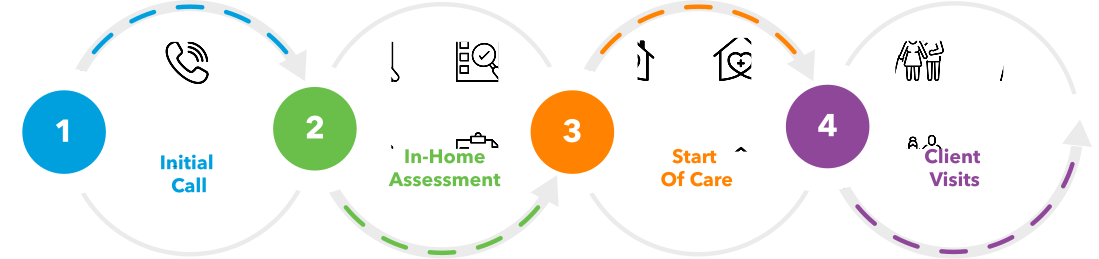
Getting started is easy—simply contact your local Home Helpers location to schedule a free in-home assessment and create a care plan tailored to your needs.