Beyond Memory Loss: Addressing Behavioral Changes in Dementia with Compassion in Hagerstown & Frederick, MD
Beyond Memory Loss in Hagerstown & Frederick, MD
When people hear the word “dementia,” memory loss is usually the first symptom that comes to mind. But for many families in Washington and Frederick counties, the most difficult changes aren’t related to memory at all — they’re the shifts in mood, personality, and behavior. A loved one who was once warm and talkative may suddenly withdraw. Episodes of frustration or agitation may seem to come out of nowhere. These changes can be challenging, but with the right understanding and compassionate approach, families can maintain dignity, connection, and comfort for their loved one.
Why Behavioral Changes Occur
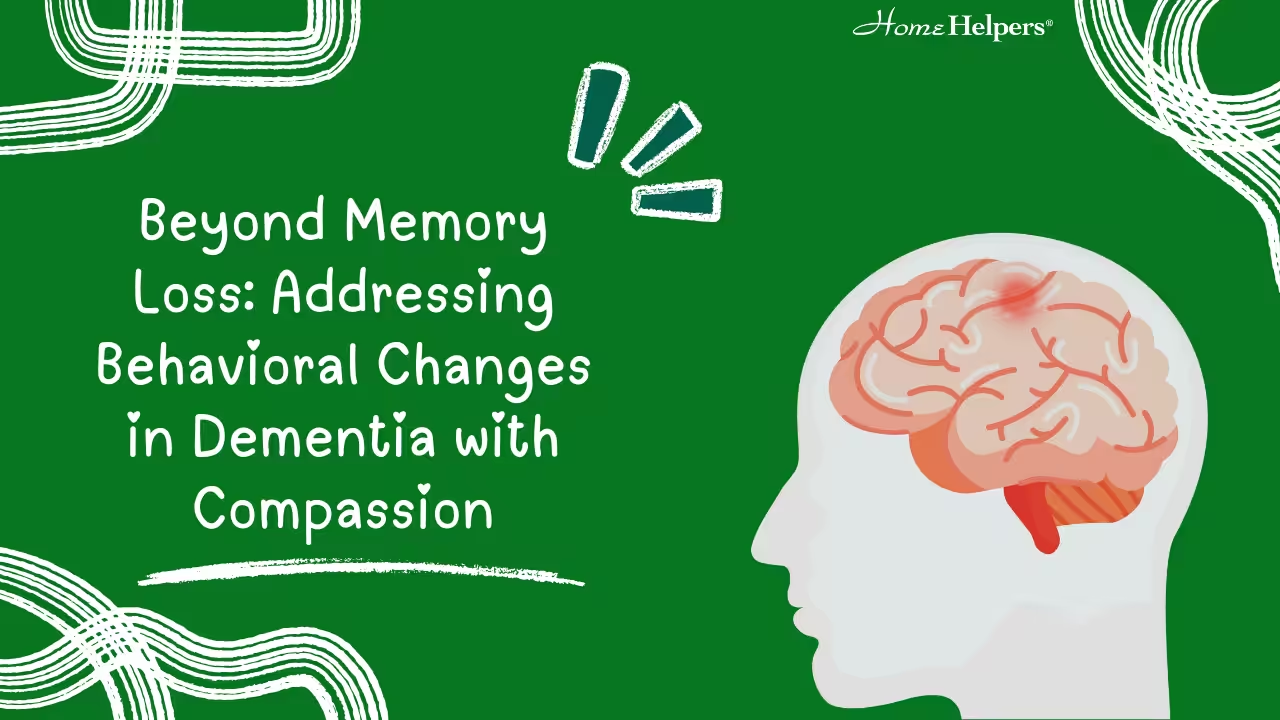
Dementia affects the brain beyond the memory center, influencing emotions, judgment, and behavior. This altered perception can lead to:
- Confusion or Misinterpretation: Misunderstanding conversations or body language.
- Fear or Anxiety: Triggered by new environments, changes in routine, or unfamiliar people.
- Aggression or Irritability: Often stemming from pain, discomfort, or overstimulation.
- Withdrawal or Apathy: Reduced interest in activities once enjoyed.
The Alzheimer’s Association (2024) emphasizes these behaviors are symptoms of the disease — not deliberate actions.
Responding with Compassion
Instead of trying to “correct” the behavior, aim to understand the cause:
- Look for Triggers – Hunger, fatigue, pain, or too much noise can cause distress.
- Stay Calm and Gentle – A soothing voice and non-threatening body language can reduce tension.
- Validate Feelings – Even if the details are inaccurate, emotions are real and should be acknowledged.
- Redirect Rather Than Confront – Guide toward a familiar, calming activity or setting.
Creating a Supportive Home
For seniors in Hagerstown and Frederick, supportive environments can reduce behavioral challenges:
- Minimize clutter and background noise.
- Maintain steady lighting to prevent shadows that cause confusion.
- Keep meaningful personal items close for comfort.
The National Institute on Aging (2023) notes that structured, familiar surroundings reduce anxiety and agitation in dementia patients.
Caregiver Support
Family caregivers often face emotional exhaustion. Protect your well-being by:
- Using respite care to take breaks.
- Attending caregiver support groups in Washington or Frederick County.
- Practicing stress management techniques like deep breathing.
Home Helpers® Home Care of Hagerstown & Frederick provides trained caregivers experienced in dementia care, giving families the ability to focus on quality moments rather than constant caregiving demands.
When to Seek More Help
If behavioral changes escalate, speak with a healthcare provider. They may recommend medical adjustments, therapy, or additional in-home support.
If your loved one in Washington or Frederick County is showing signs of dementia-related behavioral changes, Home Helpers® can help. Call us today at 240-452-4650 to learn more about our compassionate dementia care services.
References
Alzheimer’s Association. (2024). Behavioral and psychological symptoms of dementia (BPSD). https://www.alz.org/help-support/caregiving/stages-behaviors
National Institute on Aging. (2023). Caring for a person with dementia: Understanding behaviors. https://www.nia.nih.gov/health
The Most Comprehensive Care In The Industry

Physical Wellness
We make daily life easier as needs change, with support for personal care, mobility, medication reminders, and recovery after a hospital stay.
Learn More
Mental Well-Being
Staying active and connected matters. Our caregivers provide companionship and meaningful engagement to support emotional health and independence.
Learn More
Nutrition & Hydration
Healthy meals and proper hydration are essential. We help with planning, shopping, and preparation to support daily wellness and energy.
Learn More
Active Connections
Strong relationships bring comfort and purpose. We help seniors stay connected through social engagement, technology, and regular check-ins.
Learn More