Parkinson’s Home Care
Need Home Care?
Contact Us Today
Personalized Parkinson’s Home Care That Supports Daily Life
Living with Parkinson’s disease can change how a person moves through the day, but it does not change who that person is. With an appropriate medical plan and the right help at home, many people continue participating in familiar routines, relationships, and activities that give life meaning.
Home Helpers Home Care of Garner & Fuquay-Varina provides dependable, non-medical assistance built around the client’s abilities, preferences, medication schedule, and recommendations from the healthcare team.
Understanding Parkinson’s Disease
Parkinson’s disease is a progressive neurological condition that affects the brain’s ability to coordinate movement. It develops as brain cells that produce dopamine (a chemical involved in smooth, purposeful movement) become impaired or die. Parkinson’s is not contagious, and it is not simply a normal part of aging.
The four major movement symptoms are tremor, muscle stiffness, slowed movement, and impaired balance or coordination. Not everyone develops every symptom. Parkinson’s can also affect sleep, mood, energy, memory, speech, swallowing, digestion, and bladder function.
Symptoms usually emerge gradually and may change from hour to hour as well as over the course of the disease. Although there is currently no cure, medication, regular physical activity, and physical, occupational, or speech therapy can help manage symptoms. Treatment should be individualized by clinicians familiar with Parkinson’s disease.
How Parkinson’s Can Affect Life at Home
A person may need more time to stand, walk, dress, bathe, prepare food, or speak. Some people experience “freezing,” when their feet briefly feel stuck to the floor. Symptoms may also fluctuate during the day, including periods when medication is working well and periods when movement is more difficult.
Because Parkinson’s is more than a movement condition, a thoughtful care plan should also watch for fatigue, constipation, low mood, confusion, changes in sleep, and difficulty chewing or swallowing. New or worsening symptoms should be reported to the healthcare team.
Non-Medical Support We Can Provide
- Personal care assistance with bathing, grooming, dressing, and toileting
- Standby help with walking and transfers, following the established care plan
- Medication reminders at the prescribed times; caregivers do not administer or change medications
- Meal preparation that follows dietary and swallowing instructions provided by licensed clinicians
- Transportation and accompaniment to medical, therapy, and community appointments
- Light housekeeping and removal of common trip hazards
- Companionship, conversation, and support for familiar daily routines
- Respite care so family caregivers can rest, work, or attend to other responsibilities
Promoting Safety Without Taking Away Independence
Our approach is to assist where needed while encouraging the person to do what they can safely. Caregivers can keep frequently used items within reach, allow extra time for movement, reduce clutter, provide steadying assistance as directed, and help the client use prescribed mobility devices correctly.
Falls, sudden changes in alertness, fainting, choking, or a marked change in movement or behavior deserve prompt attention. Call 911 for severe breathing difficulty, unresponsiveness, signs of stroke, or another life-threatening emergency.
Coordinating With the Healthcare Team
Parkinson’s care may involve a neurologist, primary care clinician, physical therapist, occupational therapist, speech-language pathologist, dietitian, and other professionals. We reinforce, not replace, their care plan. Families should ask the clinical team for written instructions about mobility, exercise, swallowing, diet, and when to call for help.
Flexible Support for Changing Needs
Needs may change as symptoms progress or after an illness, hospitalization, or medication adjustment. Care may be arranged for a few hours at a time, respite visits, or more consistent support. We regularly communicate with the family and adjust non-medical services when the care plan changes.
Frequently Asked Questions
Can a caregiver help with Parkinson’s medications?
A caregiver can provide reminders and help the client stay organized according to the written plan. Medication administration, dosage changes, and clinical decisions must be handled by the client or an appropriately licensed professional.
Can a caregiver help if swallowing is difficult?
A caregiver can prepare and serve food according to a swallowing plan created by a physician or speech-language pathologist. Coughing during meals, a wet or gurgly voice, repeated choking, unexplained weight loss, or recurrent chest infections should be reported promptly to the healthcare team.
What areas do you serve?
We serve Garner, Fuquay-Varina, Raleigh, Cary, Apex, Holly Springs, Clayton, Willow Spring, and nearby communities. Contact us to confirm availability at your address.
Talk With a Local Care Coordinator
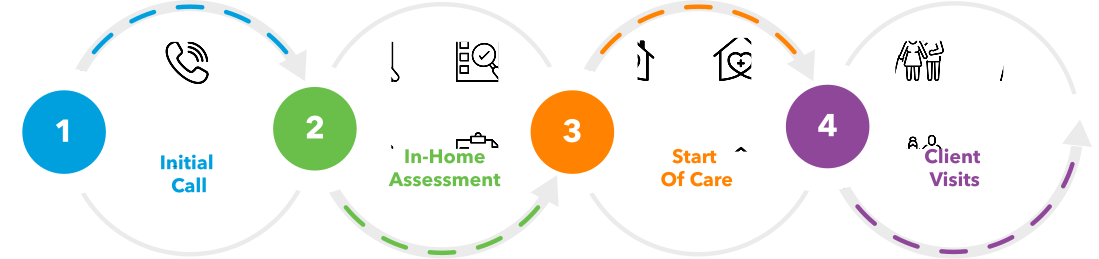
A good care plan begins with the person, the home environment, and the instructions from the healthcare team. Call (919) 582-7425 or schedule a free in-home care assessment to discuss a flexible plan for your family.
An Important Note About Our Role
Home Helpers® provides non-medical home care. Caregivers do not diagnose conditions, provide nursing care, change medications, perform wound care, or replace physicians, nurses, therapists, or emergency services. When skilled care is needed, families should work with an appropriately licensed healthcare professional. Services vary by care plan and applicable law.
Medical review sources
The following authoritative patient-education sources were reviewed for clinical accuracy. This source list may remain internal or be adapted for a short “References” section on the published page.
- National Institute on Aging: “Parkinson’s Disease: Causes, Symptoms, and Treatments”: https://www.nia.nih.gov/health/parkinsons-disease/parkinsons-disease-causes-symptoms-and-treatments
- National Institute of Neurological Disorders and Stroke: “Parkinson’s Disease: Challenges, Progress, and Promise”: https://www.ninds.nih.gov/current-research/focus-disorders/parkinsons-disease-research/parkinsons-disease-challenges-progress-and-promise
- National Institute of Neurological Disorders and Stroke: “Parkinson’s Disease: Hope Through Research” (May 2025): https://www.ninds.nih.gov/sites/default/files/2025-05/parkinsons-disease-hope-through-research.pdf

Your Questions, Answered
Home Helpers Home Care offers a wide range of in-home care services, including personal care, companionship, nutrition support, wellness monitoring, and specialized care for chronic conditions, dementia, and recovery.
Our services are designed for seniors, individuals with disabilities, those recovering from illness or surgery, and anyone who needs extra support to live safely and comfortably at home.
Yes, every care plan is fully personalized based on each client’s unique needs, preferences, and schedule, whether they require a few hours of support or 24/7 care.
Yes, our caregivers are carefully screened, trained, and insured to provide compassionate, high-quality care you can trust.
Getting started is easy—simply contact your local Home Helpers location to schedule a free in-home assessment and create a care plan tailored to your needs.