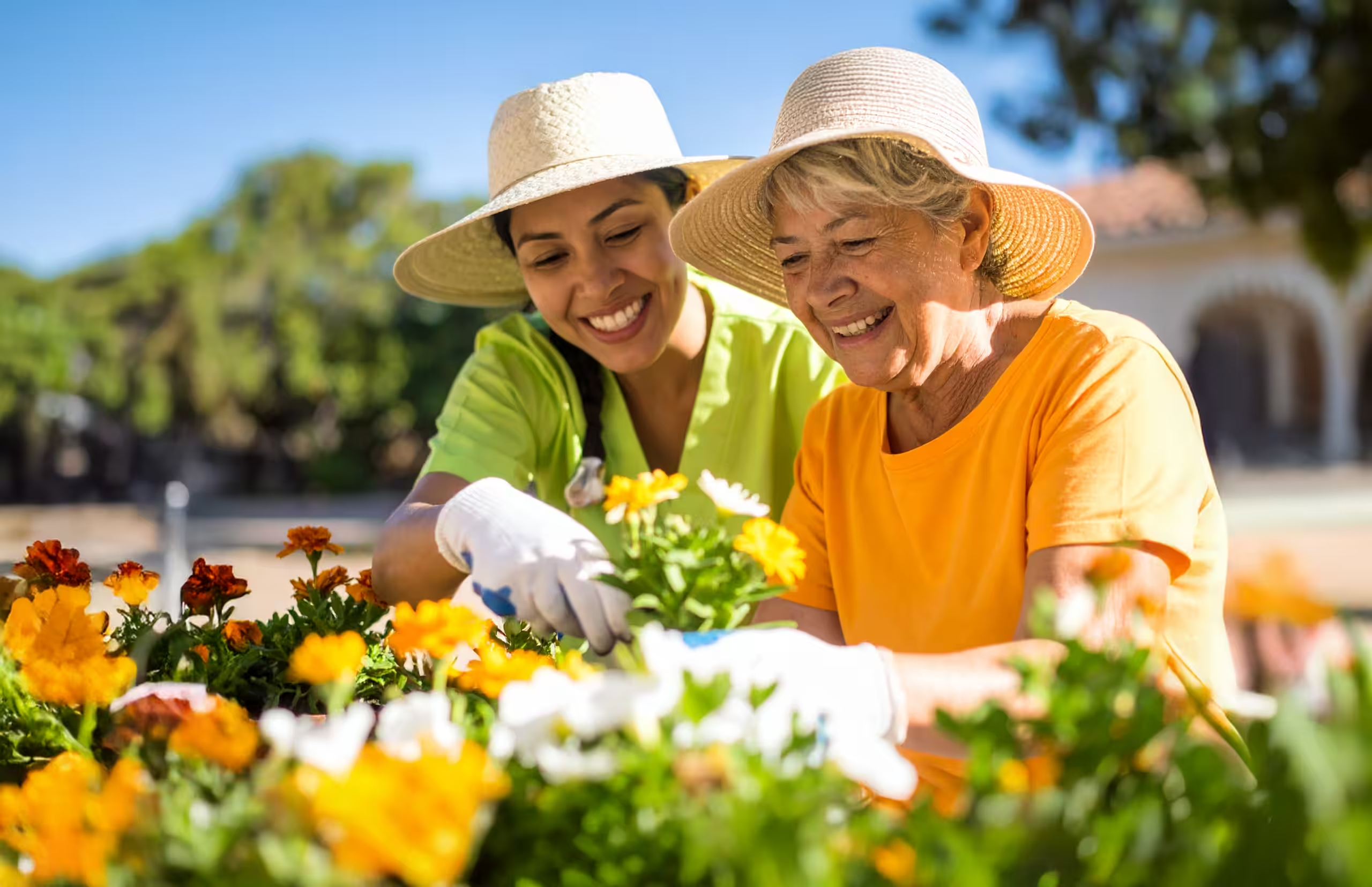
Thoughtful Daily Care for Raleigh, NC Seniors and Their Families
Need Home Care?
Contact Us Today

Families in Raleigh often reach out when a loved one’s daily routine starts feeling harder, less safe, or too much for relatives to manage alone. Whether your parent needs help after a hospital stay, support with bathing and dressing, or dependable companionship during the week, Raleigh in-home support for older adults can help preserve comfort and independence at home.
Locally owned and operated, with carefully selected caregivers, personalized care plans, and a commitment to reliable non-medical support, Home Helpers Home Care of Garner & Fuquay-Varina, NC helps Raleigh families feel more confident about each day. We listen first, shape care around your loved one’s habits, and serve Raleigh with flexible support that can adjust as needs change.
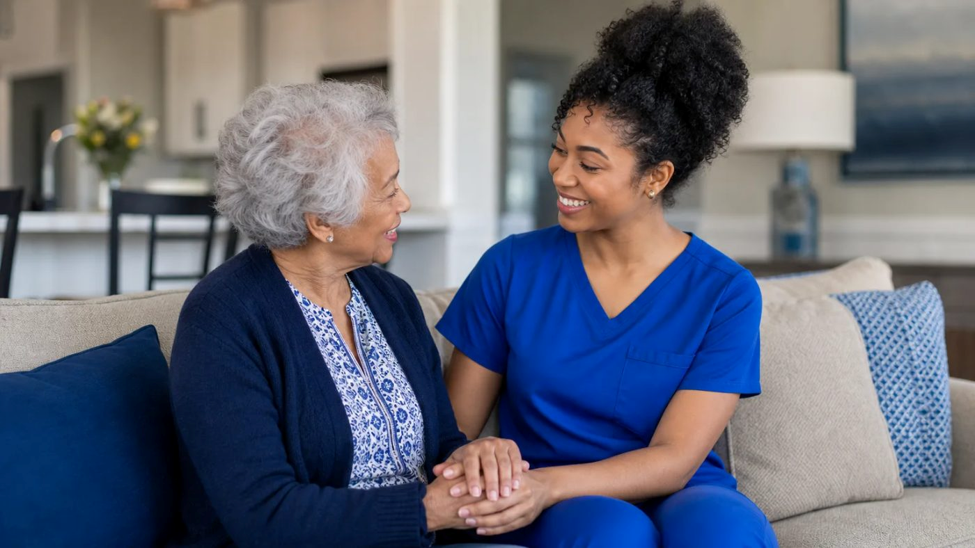
Call Us at (919) 582-7425 to Get Raleigh Support Today
<h2>What Families in Raleigh Face When Daily Care Becomes Harder</h2>
<h3>Daily Routines Can Change Faster Than Families Expect</h3>
When a parent begins needing more help, families in Raleigh often juggle work schedules, medical appointments, transportation, and household tasks at the same time. Home Helpers Home Care of Garner & Fuquay-Varina, NC helps you create a practical care plan that supports safety, dignity, and consistency. For Raleigh households, the right non-medical support can reduce stress before small concerns become daily crises.
- Care Schedule Fit: Flexible visits help families coordinate support around work, appointments, meals, and changing routines.
- Family Caregiver Relief: Respite coverage gives relatives time to rest while their loved one remains supported.
- Home Safety Awareness: Attentive caregivers can help reduce everyday risks tied to mobility, fatigue, and forgetfulness.
- Personal Comfort: Familiar routines, preferred meals, and respectful assistance can make care feel less disruptive.
- Changing Needs: Care plans can adjust as recovery, memory concerns, or daily support needs increase.
Daily Support Services for Raleigh, NC Families
We provide non-medical support for Raleigh seniors and adults who need help staying safe, comfortable, and connected at home. Our care options cover everyday routines, recovery support, companionship, and family relief across Raleigh. Here is how we can help.
24 Hour Home Care
This support may be needed when a loved one cannot be left alone safely overnight or needs steady help throughout the day. For Raleigh families balancing work, appointments, and caregiving, our around-the-clock home support can bring dependable coverage to changing routines. The practical outcome is continuous supervision, comfort, and assistance that helps reduce worry for everyone involved.
Homemaker Services
Homemaker support helps when everyday chores start piling up or a loved one struggles to keep meals, laundry, and light housekeeping on track. For busy households, our help with household routines can make the home feel more manageable and comfortable. Families gain a cleaner, calmer environment where their loved one can focus on feeling well.
Nutrition & Hydration
Nutrition and hydration support can help when appetite changes, memory concerns, or fatigue make regular meals and fluids difficult. With errands, appointments, and family schedules competing for attention, our meal and hydration reminders provide practical daily structure. The result is better mealtime consistency and a safer routine for adults who need encouragement.
Personal Care
Personal care is often needed when bathing, grooming, dressing, toileting, or transfers become uncomfortable or unsafe to manage alone. For Raleigh seniors who want to preserve privacy and dignity, our hands-on daily living assistance is delivered with patience and respect. Families can feel more confident knowing sensitive routines receive reliable, compassionate help.
Wellness Calls
Wellness calls are helpful when families want regular check-ins between visits or need reassurance that a loved one is following a daily routine. Our scheduled well-being check-ins support connection, reminders, and peace of mind. The practical benefit is simple communication that helps families stay aware of changes sooner.
Specialized Care
Specialized support can help when a loved one’s needs involve memory loss, chronic conditions, disability, recovery, or other non-medical challenges. For Raleigh households facing more complex routines, our customized support for unique care needs helps align assistance with the person’s abilities and preferences. The outcome is a care plan that feels more personal and easier to follow.
Dementia Care
Dementia care may be needed when forgetfulness, confusion, wandering risk, or changes in mood make daily life harder. Our memory support at home focuses on familiarity, calm routines, redirection, and respectful supervision. Families gain practical backup that can help reduce agitation and support safer days.
End Of Life Care
End of life support can help when families need compassionate non-medical assistance during a sensitive time. Our comfort-focused family support can assist with personal routines, companionship, light household needs, and caregiver relief. The practical outcome is a calmer home environment where loved ones can focus on presence and comfort.
Postpartum Care
Postpartum support can help when a new parent needs rest, household help, meal assistance, or an extra set of hands after birth. Our new parent home assistance helps families manage daily tasks during a demanding transition. The outcome is more breathing room, steadier routines, and practical support during recovery.
Respite Care
Respite care is useful when family caregivers feel stretched thin, need time away, or want dependable backup for recurring responsibilities. Our caregiver relief support gives relatives a chance to rest while their loved one continues receiving attentive help. The result is better balance for the whole family and reduced caregiver burnout.
Senior Care
Senior care can help when aging at home starts requiring more structure, companionship, and daily assistance. Our support for older adults at home can include personal routines, light household help, errands, and supervision. Families gain a practical plan that encourages independence while keeping safety and comfort at the center.
Stroke Recovery Care
Stroke recovery support may be needed after discharge, when daily routines feel unfamiliar, and mobility, fatigue, or communication challenges affect independence. Our non-medical recovery assistance after stroke helps with meals, personal routines, reminders, and safe movement around the home. The outcome is steadier day-to-day support while families adjust to new needs.
Transitional Care
Transitional care helps after a hospital, rehab, or surgery discharge when families want to reduce confusion and support follow-through at home. Our home transition assistance can help with routines, errands, meals, reminders, and personal support. The practical result is a smoother return home and fewer gaps in daily care.
Home And Community Support Services
This service helps when a loved one needs support staying active, connected, and engaged beyond basic tasks. Our daily connection and activity support can include companionship, errands, transportation assistance, and meaningful interaction. Families gain help that supports emotional well-being as well as practical independence.
At-Home Personal Care
At-home personal care is helpful when physical routines require careful, respectful assistance but medical care is not the main need. Our physical wellness support at home can help with grooming, mobility, dressing, eating, and everyday comfort. The result is more confidence during personal routines and less strain on family caregivers.
Tell Us What You Need and Get Personalized Raleigh Care

Why Choose Home Helpers Home Care of Garner & Fuquay-Varina, NC for Raleigh
Locally owned and operated, Home Helpers Home Care of Garner & Fuquay-Varina, NC provides reliable, compassionate non-medical support built around each person’s habits, preferences, and changing needs. We serve Raleigh families with thoughtful planning, careful caregiver selection, and consistent communication.
Our Promise to Raleigh Families
- Personalized Plans: We shape care around your loved one’s routines, comfort level, mobility, and family priorities, so support feels practical instead of one-size-fits-all.
- Caregivers You Can Trust: Our caregivers are carefully selected for experience, compassion, professionalism, and commitment to meaningful connection, giving Raleigh families confidence when inviting help into the home.
- Independence With Dignity: We focus on helping clients remain safe and comfortable while encouraging as much independence as possible through respectful, attentive daily assistance.
What Raleigh Families Are Saying About Our Care
One family in Raleigh shared how important respectful, steady support became while caring for two elderly parents whose health declined at the same time.
They explained that after stressful insurance issues, “Dr. Arya and her staff treated us with respect and kindness” and described the team’s professionalism, thoroughness, and consideration as making a difficult challenge easier to manage.
That kind of feedback reflects what families often need most: reliable help, clear communication, and people who treat caregiving as personal work. When health changes affect more than one loved one, practical support can make each day feel less overwhelming.
We value reviews like this because they point to the heart of good non-medical care. Families want competence, but they also want kindness, patience, and confidence that their loved ones are seen as people.
Frequently Asked Questions About Home Support for Raleigh Families
How do I know if my loved one in Raleigh needs non-medical care?
A loved one may need support when daily routines become harder to manage safely, consistently, or comfortably. Common signs include missed meals, changes in hygiene, increased falls risk, isolation, caregiver burnout, or confusion with errands and appointments. Families often start by reviewing the agency’s approach to compassionate non-medical care before deciding what type of schedule fits best. Care can begin with a few hours of help and expand as needs change.
What should families in Raleigh expect during the care planning process?
The process usually starts with a conversation about your loved one’s routines, abilities, preferences, safety concerns, and family goals. You can talk through personal care, companionship, meal support, respite needs, and schedule options without feeling pressured into more help than you need. Many families compare care planning insights and family guidance as they prepare questions. A thoughtful plan should feel clear, flexible, and centered on real daily life.
How are caregivers matched with families in Raleigh?
Caregiver matching should consider personality, communication style, care needs, schedule, and the kind of support your loved one finds comfortable. A strong match can make visits feel more natural and help build trust over time. Families often appreciate understanding what makes a care team different before inviting someone into the home. If needs or preferences change, the care plan and caregiver fit should be reviewed.
Can non-medical care in Raleigh help after a hospital or rehab discharge?
Yes, non-medical care can support a smoother return home by helping with meals, personal routines, light housekeeping, mobility reminders, errands, and family communication. It does not replace medical care, but it can reduce daily stress while your loved one regains strength. Families can use home care resources for planning support to prepare for the first days back home. Early help often prevents confusion and missed routines.
How should families in Raleigh talk with a parent who resists help?
Start with respect, patience, and specific examples instead of broad statements about needing care. Many older adults fear losing independence, so it helps to frame support as a way to stay comfortable at home and reduce family stress. Some relatives find care conversation guidance for families useful before beginning the discussion. Keep the first step small, such as help with meals, errands, or companionship.
Daily Care for Raleigh, NC Families Your Loved One Can Count On
If your loved one needs more help with daily routines, Raleigh families do not have to figure it out alone. Home Helpers Home Care of Garner & Fuquay-Varina, NC brings locally owned and operated care, carefully selected caregivers, and personalized non-medical support to help each day feel safer and easier. We listen closely, build around your priorities, and adjust support when needs change. For families in Raleigh, the next step can be a simple conversation about what would make home feel more manageable, comfortable, and reassuring.
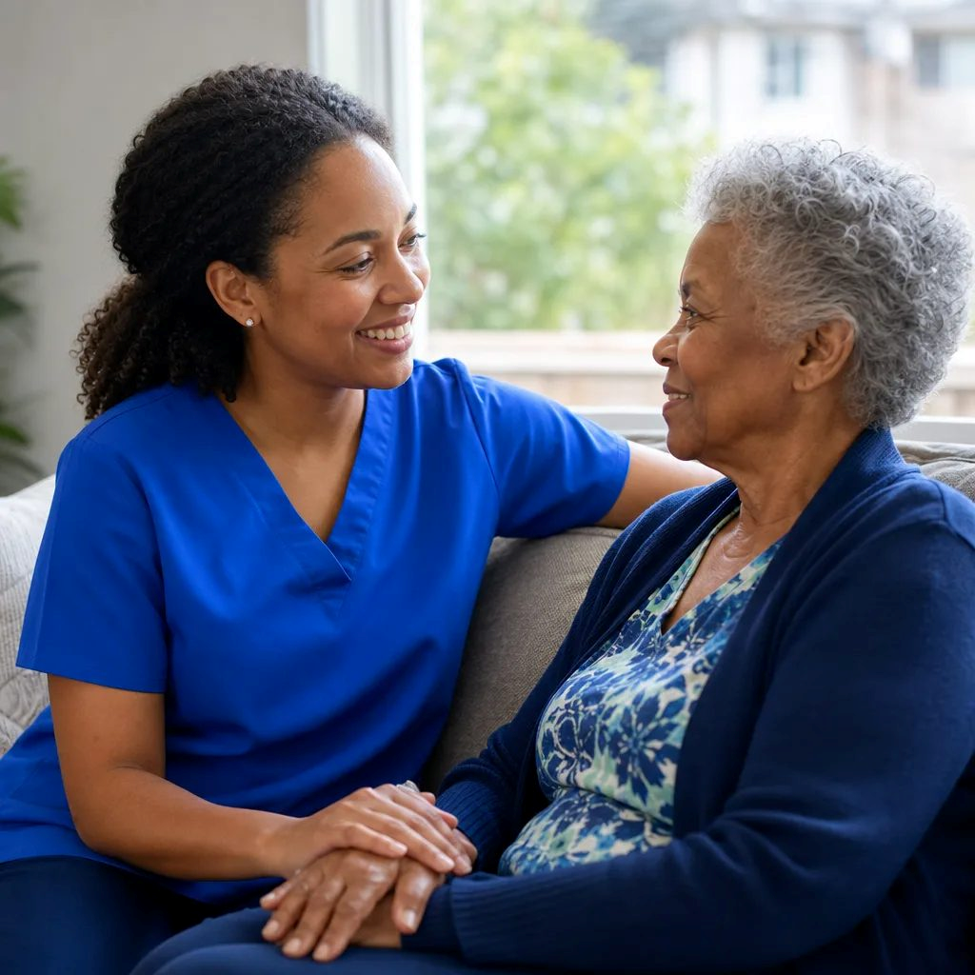
Call (919) 582-7425 Now for Raleigh Help That Feels Reassuring