
How Tracking Senior Sleep Patterns Aid in Fall Prevention
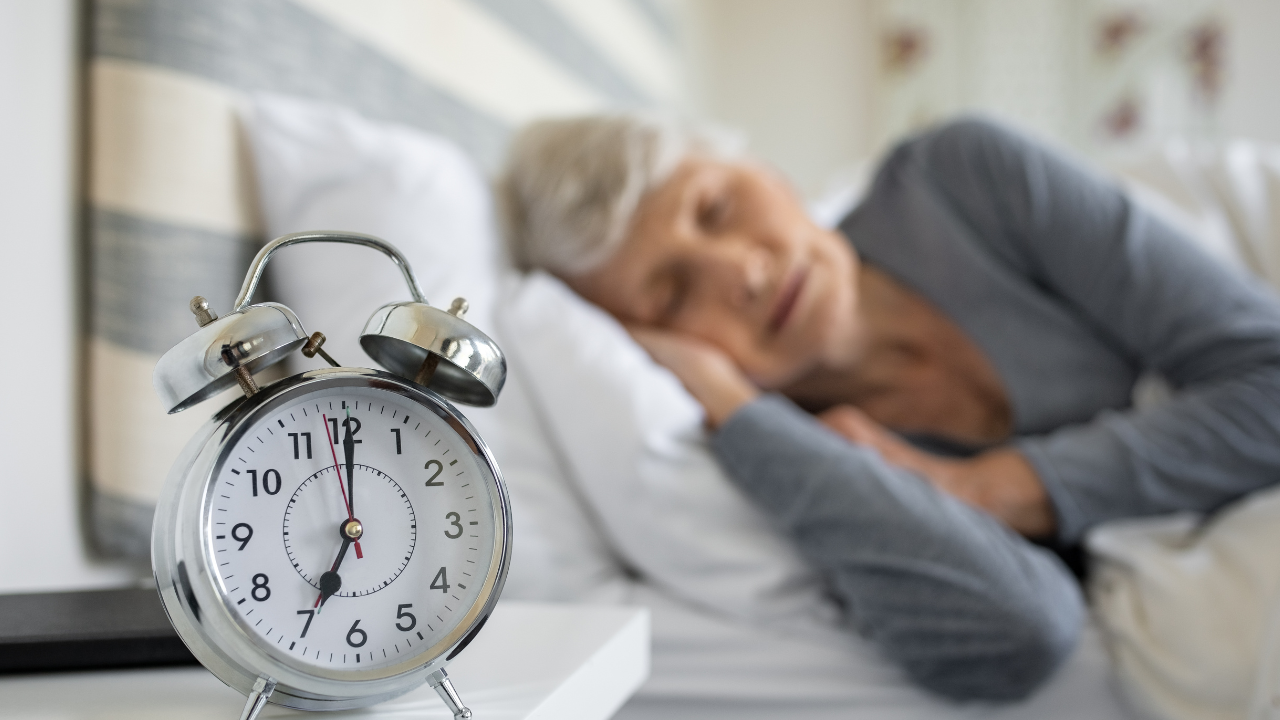
Author: Home Helpers® Home Care
Learn How Smart Senior Monitoring Systems for Tracking Sleep Can Help Seniors Stay Safe with Proactive Fall Risk Detection
According to the National Institute on Aging (NIA), sleep is essential for a healthy body, impacting cognitive function, emotional well-being, and physical stability. On average, people spend about 26 years of their lives sleeping, which equates to roughly 9,496 days or 227,916 hours.
When it comes to seniors getting a good night’s rest, both the quantity and quality of sleep matter. It’s recommended that older adults receive between seven and nine hours of sleep each night. But for those hours in dreamland to be effective, the body has to get enough of each type of sleep.
However, having difficulty sleeping, or insomnia, is very common, with about one in three adults worldwide experiencing symptoms at any given time. Poor sleep quality and short sleep duration can increase an individual’s risk of falling, especially if they frequently get up in the middle of the night.
In this blog post, we explore why older adults might experience restless sleep, how it can increase their fall risk, and how tracking sleep patterns with smart technology and senior monitoring systems can help, specifically the Sleep Tracking Mat by Direct Link® powered by Aloe Care.
Common Reasons for Restless Sleep in Older Adults
Changes to our sleep patterns come as a natural part of getting older. For example, the Circadian rhythm, or the body’s natural sleep-wake cycle, can become less robust with age. Older adults also tend to spend less time in deep sleep, which is crucial for restorative rest.
Here are some other common reasons why older adults might experience restless sleep:
- Sleep environment – Everything from the noise level in the room to the lighting to the mattress impacts the amount of rest an individual gets at night. Additionally, devices such as smartphones, tablets, and laptops emit blue light, which can negatively affect sleep by inhibiting melatonin production and stimulating the brain.
- Mental health conditions – Depression, stress, anxiety, and other mental health conditions can make it difficult to fall asleep quickly at night and even impact the quality of sleep.
- Medications – Older adults are more likely to be takingmultiple medications, which can cause adverse effects that impact sleep.
- Diet – Consuming heavy, rich meals too close to bedtime can disrupt sleep patterns, cause restlessness, and disrupt hormonal balance. Additionally, consuming caffeine or alcohol too late in the day can disrupt the natural sleep cycle and lead to frequent awakenings.
- Lack of exercise – Studies have suggested that a sedentary lifestyle, which includes long periods of sitting and low energy expenditure such as screen time, driving, or reading, is associated with an elevated risk of insomnia and sleep disturbances.
- Chronic illnesses – Common health conditions that especially impact older adults, such as arthritis, heart disease, diabetes, and respiratory problems, can cause pain and discomfort and ultimately lead to restless sleep at night.
- Sleep disorders – Sleep disorders such as insomnia, sleep apnea, and movement disorders become more common with age and, without proper treatment, can make it challenging to get a good night’s rest.
How Poor Sleep Quality Can Increase Fall Risk in Older Adults
Studies have shown that poor sleep quality is associated with a higher risk of falling in older people. Here are four reasons why.
- Increased Fatigue – Having difficulty getting a full night’s rest or having poor sleep quality can lead to drowsiness and grogginess, making it harder to move around safely.
- Impaired Balance and Coordination – Sleep deprivation affects motor skills and reaction time, making it harder to catch oneself to maintain stability and react quickly to potential falls.
- Cognitive Decline – Poor sleep impacts memory, decision-making, and attention, which are crucial for mobility and fall prevention.
- Reduced Muscle Function and Strength – When the body sleeps, it releases hormones that stimulate tissue repair and muscle growth. Inadequate rest can lead to weaker muscles and reduced stability.
Tracking sleep disruptions can help Caregivers better anticipate when their loved one has a higher risk of falling and adjust care plans accordingly.
Enhancing In-Home Care Through Senior Monitoring Systems and Smart Technology
Advances in senior monitoring systems and medical alert systems technology, like Direct Link® powered by Aloe Care, have transformed the home care industry.
Whether your loved one is recovering from surgery or lives alone, monitoring technology enables older adults to stay independent longer. It also gives family Caregivers peace of mind by keeping them connected, even when they cannot be there.
The Circle of Care mobile app offered through Direct Link® powered by Aloe Care provides real-time updates, including:
- Instant fall notifications and emergency alerts
- Two-way live check-in calls
- Call center responses and other updates
With the integration of the Sleep Tracking Mat, Direct Link® powered by Aloe Care now helps with fall prevention by enhancing fall risk detection before incidents occur.
How the Sleep Tracking Mat Improves Senior Safety
This non-invasive device, placed under the mattress, tracks key sleep metrics, including:
- Heart rate and breathing patterns
- Restless sleep and interruptions
- Sleep duration and quality trends
By analyzing this data, Direct Link® powered by Aloe Care’s predictive algorithm identifies deviations from normal sleep behavior, signaling potential fall risks, UTIs, or dehydration. For example, frequent nighttime awakenings may indicate pain, discomfort, or mobility issues, leading to a higher fall risk.
Direct Link® powered by Aloe Care’s system integrates sleep tracking with its Smart Hub and environmental sensors, creating a comprehensive senior monitoring system.
Key features include:
- Real-Time Alerts for Caregivers – If unusual sleep patterns are detected, Caregivers and family members receive instant notifications.
- Environmental Monitoring – Sensors track carbon dioxide levels, harmful gases, and air pollutants (also known as volatile organic compounds or VOCs), and temperature to ensure a safe and comfortable sleep environment.
Providing Exceptional In-Home Care with Direct Link® Powered by Aloe Care
By integrating sleep tracking, environmental monitoring, and fall detection (via the Mobile Companion), Direct Link® powered by Aloe Care gives Caregivers powerful tools to improve senior safety and well-being.
This seamless technology allows Home Helpers Caregivers to make informed decisions, intervene early, and ensure that their clients receive the right level of support—helping seniors sleep better and stay safer, day and night.
Our mission at Home Helpers® Home Care is to help people live independently and comfortably wherever they choose to call home. For over 25 years, we have provided compassionate in-home care for seniors, veterans, new moms and families, and those with disabilities, illness, or recovering from injury or surgery.
We’re here to be a trusted partner in your care needs journey, with a team of compassionate professionals supporting you every step of the way. Our services and care plans are customizable, so you receive just the right amount of care and can be adjusted as needs change.
If you are concerned about your loved one’s sleep and safety, learn how Direct Link® powered by Aloe Care can help. Contact us today to schedule your FREE in-home care assessment or find an agency near you.
FOR MORE TIPS ON HOW TECHNOLOGY CAN HELP BRING FAMILY CAREGIVERS PEACE OF MIND, FOLLOW US ON FACEBOOK, INSTAGRAM, AND LINKEDIN.
This blog post was written in partnership with Direct Link® powered by Aloe Care, which delivers the world’s most advanced medical alert and communication system for older adults and Caregivers. The service improves safety, deepens engagement, and makes connection and care collaboration intuitive and easy. You can learn more on their website.