
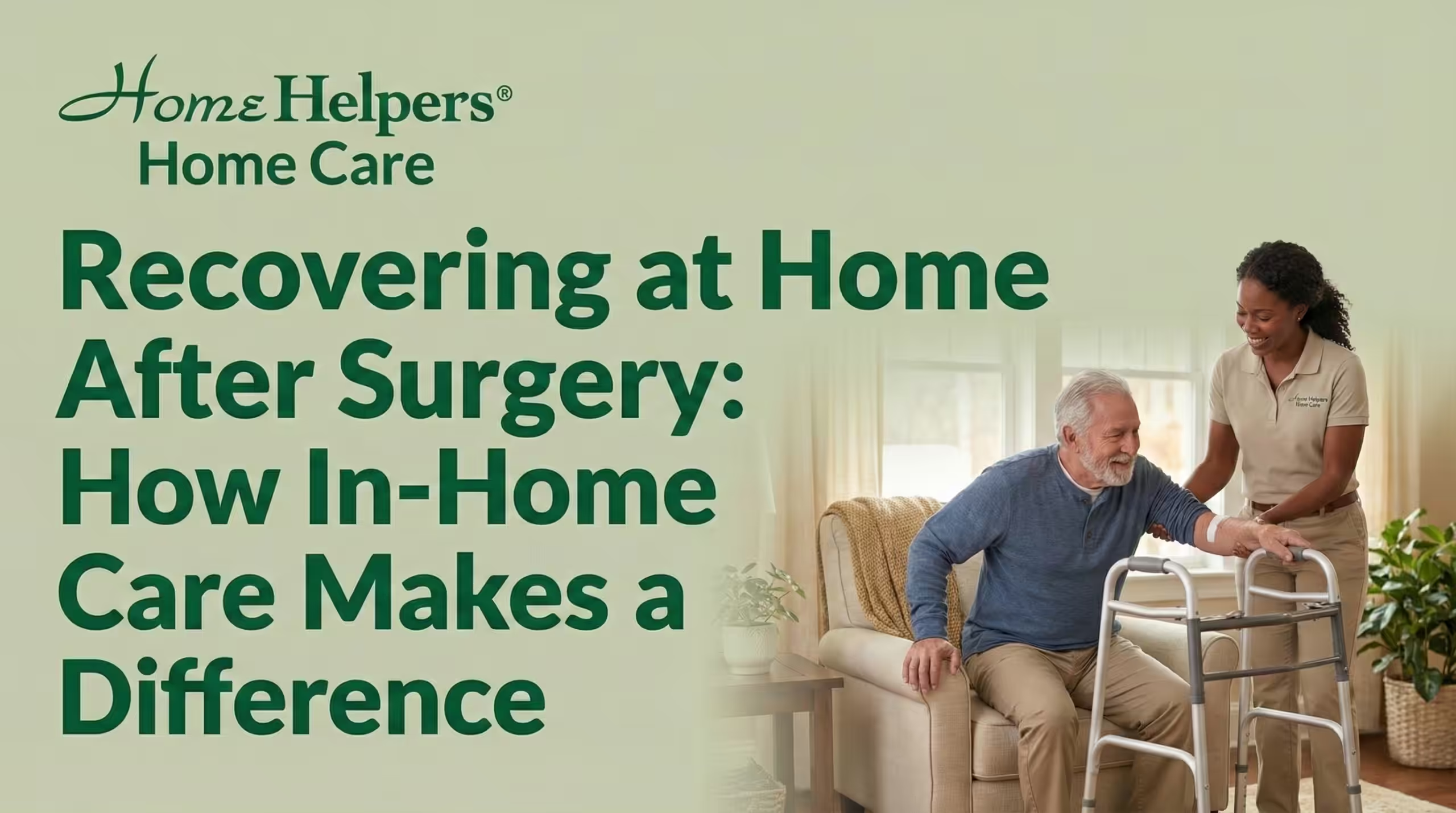
Recovering at Home After Surgery: How In-Home Care Makes a Difference
The surgery went well. The doctor says you’re ready to go home. And then reality sets in: how exactly are you or your loved one going to manage at home during those critical first days and weeks of recovery?
It’s a question millions of families face every year. According to data from the Agency for Healthcare Research and Quality, more than 9 million inpatient hospital stays involve surgical procedures annually in the United States. Many of those patients are older adults, and for them, the transition from hospital to home can be one of the most vulnerable periods of the entire recovery process.
The good news is that for most surgical patients, recovering at home is not only possible but often preferable to an extended stay in a rehabilitation facility. Research presented at the American Academy of Orthopedic Surgeons has shown that patients who go home directly after hip or knee replacement surgery recover as well as, or better than, those who go to a rehab center first. The key is having the right support in place.
That’s where in-home care comes in. This guide explains why home recovery works, what a post-surgical care plan looks like, and how families can set their loved one up for the safest, smoothest recovery possible.
Why Recovering at Home Often Leads to Better Outcomes
There are several evidence-based reasons why physicians and surgeons increasingly recommend home recovery over facility-based rehabilitation for many procedures.
A familiar environment supports healing.
Recovering in your own home means sleeping in your own bed, eating familiar foods, and following a routine that feels natural rather than institutional. This comfort isn’t just a matter of preference. Studies have consistently shown that patients in home settings experience less anxiety, sleep better, and report higher satisfaction with their recovery experience. As Dr. Claudette Lajam, chief orthopedic safety officer at NYU Langone, has noted, an institutional setting can reinforce the sense that a patient is “sick,” which can actually slow the recovery process.
Reduced risk of infection.
Healthcare-associated infections are a real and well-documented concern. According to the Agency for Healthcare Research and Quality, surgical site infections occur in 2 to 4 percent of all inpatient surgical procedures and remain the leading cause of readmission following surgery. Recovering at home significantly reduces a patient’s exposure to the kinds of infections that circulate in hospitals and rehabilitation facilities, including antibiotic-resistant bacteria.
Lower risk of hospital readmission.
Hospital readmission after surgery is common and costly. A 2024 study published in JAMA Network Open found that the risk of readmission after major surgery is particularly acute for older adults, especially those who are frail or living with cognitive decline. Approximately 20 percent of Medicare beneficiaries are readmitted within 30 days of discharge. Having professional support at home during those first critical weeks helps ensure that complications are caught early, medications are managed properly, and recovery stays on track.
Earlier return to daily routines.
One of the biggest advantages of recovering at home is the ability to gradually resume normal activities in the environment where you actually live. Getting up from your own couch, walking to your own kitchen, and navigating your own staircase are all forms of practical rehabilitation that a facility simply cannot replicate.
Common Surgeries That Benefit from In-Home Care
While every surgical recovery is different, certain procedures commonly lead families to seek in-home support. These include:
- Hip replacement. Recovery typically takes 6 to 12 weeks. Patients need help with mobility, bathing, dressing, and getting in and out of chairs and beds safely. Fall prevention is critical during this period.
- Knee replacement. Similar to hip replacement, knee surgery patients face weeks of limited mobility and need assistance with daily tasks, transportation to physical therapy, and support with prescribed exercise routines.
- Cardiac procedures. After heart surgery or cardiac catheterization, patients often face restrictions on lifting, driving, and physical exertion. Meal preparation, medication management, and monitoring for warning signs are essential.
- Back and spinal surgery. Recovery from spinal procedures can involve significant movement restrictions. Patients may need help with everything from getting dressed to reaching items in the kitchen.
- Abdominal surgery. Procedures like hernia repair, gallbladder removal, or colon surgery often limit a patient’s ability to bend, lift, or stand for extended periods, making household tasks and meal preparation especially difficult.
- Cataract and eye surgery. While less physically demanding, eye surgery patients may have temporary vision limitations that affect driving, reading medication labels, and navigating safely around the home.
What Post-Surgical In-Home Care Looks Like
Post-surgical in-home care is designed to fill the gap between what a hospital provides and what a patient can realistically manage on their own during recovery. A good care plan addresses both the practical and emotional sides of healing.
Here’s what a typical post-surgical home care plan might include:
- Mobility assistance. Helping your loved one move safely around the house, getting in and out of bed, using the bathroom, and avoid falling. This is especially important in the first one to two weeks after joint replacement or spinal surgery.
- Personal care support. Assistance with bathing, dressing, and grooming. After many surgeries, even simple tasks like putting on socks or stepping into a shower can be painful or dangerous without help.
- Medication reminders. Keeping track of post-surgical medications, including pain management, antibiotics, and blood thinners, is critical. A caregiver can help ensure medications are taken on schedule and as prescribed.
- Meal preparation and nutrition. Proper nutrition plays a major role in healing. A caregiver can prepare balanced meals that support recovery, ensure adequate hydration, and accommodate any dietary restrictions related to the surgery or medications.
- Transportation. Most post-surgical patients cannot drive for days or weeks after their procedure. A home care aide can provide transportation to follow-up appointments, physical therapy sessions, and the pharmacy.
- Light housekeeping. Keeping the home clean and organized isn’t just about comfort. Clutter-free walkways, clean linens, and a tidy living space reduce the risk of falls and infections.
- Companionship and emotional support. Recovery can be isolating, especially for seniors who live alone. Having a consistent, caring presence in the home makes a meaningful difference in a patient’s emotional well-being and motivation to follow their recovery plan.
The Role of Family Caregivers During Recovery
Many families assume they can handle post-surgical care on their own, and in many cases they can, at least for a while. But the reality of round-the-clock recovery support is often more demanding than expected. Helping a parent or spouse after surgery means being available for assistance with mobility, meals, medications, and appointments, often while still managing your own work, family, and personal responsibilities.
The 2025 Caregiving in the U.S. report from the National Alliance for Caregiving and AARP found that 55 percent of family caregivers handle medical or nursing tasks, and 45 percent report high physical strain. Post-surgical care is one of the most physically and emotionally intensive forms of family caregiving, particularly in the first two weeks after discharge.
Professional in-home care doesn’t replace the family. It supports the family. A trained caregiver can handle the daily tasks that are most physically demanding, freeing you to focus on being present for your loved one emotionally. Many families find that even a few hours of in-home care per day makes the entire recovery period more manageable for everyone involved.
Preparing Your Home for Post-Surgical Recovery
Before your loved one comes home from the hospital, it’s worth spending some time getting their home ready. A few simple preparations can significantly reduce the risk of falls, complications, and readmission:
- Clear walkways of clutter, loose rugs, cords, and anything that could be a tripping hazard.
- Set up a recovery area on the main floor if possible, so your loved one doesn’t need to navigate stairs frequently.
- Install grab bars in the bathroom near the toilet and shower if they aren’t already in place.
- Stock the kitchen with easy-to-prepare, nutritious foods and plenty of water.
- Organize medications in a clearly labeled pill organizer and keep a written schedule visible.
- Place frequently used items (phone, remote, water, medications) within easy reach of the recovery area.
- Make sure lighting is adequate throughout the home, especially in hallways and bathrooms.
- Confirm transportation to follow-up appointments and physical therapy sessions before discharge.
When to Consider Professional In-Home Care
Not every surgical recovery requires professional in-home care. A younger, healthy adult recovering from a minor outpatient procedure may do just fine with some extra help from family and friends. But there are situations where professional support is strongly worth considering:
- The patient is 65 or older and has other health conditions that complicate recovery.
- The surgery involves major joint replacement, cardiac procedures, or spinal work.
- The patient lives alone or their primary family caregiver works full-time.
- There is a history of falls or balance problems.
- The patient is managing multiple medications.
- The family caregiver is already experiencing stress or burnout from other caregiving responsibilities.
In each of these situations, having a trained caregiver in the home, even for a few hours a day during the most critical recovery period, can make the difference between a smooth recovery and a preventable complication or readmission.
Post-Surgical Recovery Support in Bethesda and Montgomery County
Families in Bethesda, Chevy Chase, Kensington, Silver Spring, and throughout Montgomery County have access to excellent surgical care at nearby hospitals, including Suburban Hospital, Holy Cross Hospital, and Adventist HealthCare. But what happens after discharge is just as important as the surgery itself.
At Home Helpers of Bethesda, we work closely with families to create post-surgical care plans that are tailored to the specific procedure, the patient’s needs, and the family’s schedule. Whether your loved one needs a few hours of daily help during the first week home or more comprehensive support over several weeks, our caregivers provide the skilled, compassionate assistance that makes home recovery safer and easier.
Plan Ahead for a Safer Recovery
If you or a loved one has surgery scheduled, the best time to plan for recovery support is before the procedure, not after. At Home Helpers of Bethesda, we offer free in-home consultations to help families understand their options and build a care plan in advance. There’s no obligation, just practical guidance for a smoother recovery at home.
Call us today at 301-517-9557 or visit our website to schedule a consultation. A little planning now can make all the difference in those critical first weeks of recovery.
Sources
- Agency for Healthcare Research and Quality — “Surgical Site Infections” — https://psnet.ahrq.gov/primer/surgical-site-infections
- American Academy of Orthopaedic Surgeons — Research on home recovery after joint replacement — https://www.sgmh.org/home-beats-rehab-for-knee-hip-replacement-recovery
- Becher RD et al. — “National Estimates of Short- and Longer-Term Hospital Readmissions After Major Surgery Among Community-Living Older Adults” — JAMA Network Open, 2024 — https://jamanetwork.com/journals/jamanetworkopen/fullarticle/2815588
- National Center for Biotechnology Information — “Reducing Hospital Readmissions” — StatPearls, 2024 — https://www.ncbi.nlm.nih.gov/books/NBK606114/
- National Alliance for Caregiving and AARP — “Caregiving in the U.S. 2025” — https://www.caregiving.org/caregiving-in-the-us-2025/
- Yale School of Medicine — “Risk of Hospital Readmission After Surgery Is High for Older Americans” — https://news.yale.edu/2024/02/28/risk-hospital-readmission-after-surgery-high-older-americans
The Most Comprehensive Care In The Industry

Physical Wellness
We make daily life easier as needs change, with support for personal care, mobility, medication reminders, and recovery after a hospital stay.
Learn More
Mental Well-Being
Staying active and connected matters. Our caregivers provide companionship and meaningful engagement to support emotional health and independence.
Learn More
Nutrition & Hydration
Healthy meals and proper hydration are essential. We help with planning, shopping, and preparation to support daily wellness and energy.
Learn More
Active Connections
Strong relationships bring comfort and purpose. We help seniors stay connected through social engagement, technology, and regular check-ins.
Learn More