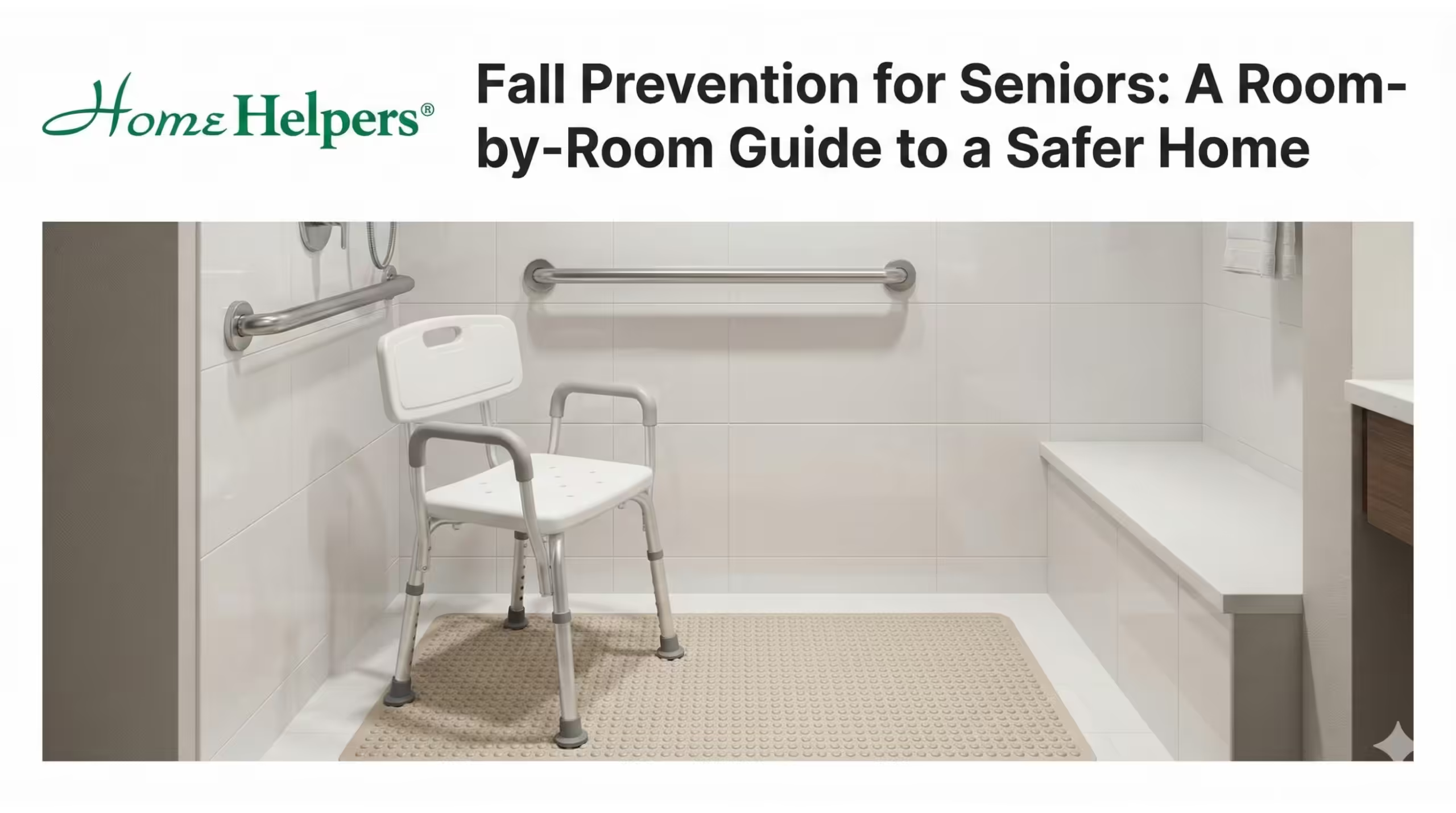
Fall Prevention for Seniors: A Room-by-Room Guide to a Safer Home
Falls are the leading cause of injury for adults 65 and older in the United States. According to the Centers for Disease Control and Prevention, more than 14 million older adults (one in four) report falling each year, and about 37 percent of those who fall sustain an injury that requires medical treatment. In 2021, falls caused over 38,000 deaths and approximately 3 million emergency department visits among older Americans.
Those numbers are alarming, but here’s the most important thing to know: most falls are preventable. The CDC, the National Institute on Aging, and the National Council on Aging all emphasize that targeted home modifications, combined with awareness of risk factors, can dramatically reduce a senior’s chances of falling.
This guide walks you through a practical, room-by-room assessment of your loved one’s home. Whether you’re an adult child visiting a parent’s house or a senior looking to make your own home safer, these steps are simple, affordable, and effective.
Understanding Why Seniors Fall
Before walking through the home, it helps to understand what makes older adults more vulnerable to falls in the first place. Falls rarely have a single cause. They typically result from a combination of factors that may include:
- Medications. Many common prescriptions, including blood pressure medications, sedatives, antidepressants, and antihistamines, can cause dizziness, drowsiness, or low blood pressure upon standing. The Mayo Clinic recommends reviewing all medications with a doctor at least once a year to identify those that may increase fall risk.
- Vision changes. Reduced vision, depth perception problems, and conditions like cataracts or glaucoma make it harder to see hazards. Out-of-date eyeglass prescriptions are a surprisingly common contributor to falls.
- Muscle weakness and balance problems. As we age, we naturally lose muscle mass and strength, which affects balance and stability. Physical inactivity accelerates this decline.
- Chronic conditions. Arthritis, diabetes, Parkinson’s disease, neuropathy, and other conditions can affect gait, sensation in the feet, and overall stability.
- Home hazards. Loose rugs, poor lighting, cluttered walkways, slippery surfaces, and a lack of grab bars are among the most common environmental risk factors. These are also the most fixable.
The Bathroom: The Highest-Risk Room in the Home
The bathroom is widely considered the most dangerous room for seniors because of its combination of hard surfaces, water, tight spaces, and activities that require balance and coordination. The National Institute on Aging specifically highlights the bathroom as a priority area for fall prevention modifications.
- Install grab bars next to the toilet and inside the shower or bathtub. Do not rely on towel bars, which are not designed to support a person’s weight and can pull out of the wall.
- Place non-slip mats or adhesive strips inside the tub or shower and on the floor outside it.
- Consider a raised toilet seat, which reduces the distance a person needs to lower themselves and makes standing up much easier.
- Use a sturdy shower chair or bench and a hand-held shower head so your loved one can bathe while seated.
- Make sure the bathroom is well lit, including a night light for after-dark trips.
- Keep frequently used items (soap, shampoo, towels) within easy reach to avoid bending or stretching.
- Set the water heater to 120°F or lower to prevent scalding, which can cause sudden movements and loss of balance.
The Kitchen: Where Reaching and Bending Create Risk
The kitchen involves frequent reaching, bending, lifting, and standing on hard floors, all of which create fall opportunities for older adults.
- Move frequently used items (dishes, glasses, food staples) to waist-level or counter-level shelves. Avoid storing anything that requires a step stool to reach.
- Clean up spills immediately. Even a small puddle of water on a tile or linoleum floor can cause a serious fall.
- Use non-skid rugs or mats in front of the sink and stove. Avoid loose rugs that can bunch or slide.
- Make sure the kitchen has bright, even lighting, especially over the stove and food preparation areas.
- Consider auto-shutoff appliances if memory or attention is a concern.
- Keep a sturdy, non-rolling chair nearby if your loved one needs to sit while cooking or preparing food.
The Bedroom: Reducing Nighttime Fall Risk
Many falls happen at night, when a senior gets up to use the bathroom or gets tangled in bedding. The National Institute on Aging recommends several bedroom-specific modifications to reduce this risk.
- Place a lamp or light switch within easy reach of the bed. Motion-activated night lights along the path to the bathroom are an inexpensive and highly effective addition.
- Keep the floor clear of shoes, clothing, books, and electrical cords.
- Make sure the bed is at a height that makes it easy to get in and out of. If it’s too high or too low, a simple bed riser or lower bed frame can help.
- Consider a bedside commode or urinal if the bathroom is far away or requires navigating stairs at night.
- Keep a phone (mobile or cordless) on the nightstand in case of emergencies.
- If your loved one uses a walker or cane, keep it right next to the bed so it’s the first thing they reach for when getting up.
The Living Room: Creating Clear, Safe Pathways
The living room is often where seniors spend the most time, and cluttered walking paths, low furniture, and unstable seating are common hazards.
- Arrange furniture to create wide, clear walkways with at least three feet of clearance, especially if your loved one uses a walker or cane.
- Remove or secure all throw rugs. If your loved one insists on keeping them, use double-sided tape or non-slip backing.
- Tuck electrical cords and phone charger cables against the wall and out of walking paths.
- Choose chairs and couches with firm cushions and armrests that make it easy to sit down and stand up. Avoid low, soft seating that is difficult to get out of.
- Make sure all areas of the room are well lit, including reading areas and the path to other rooms.
- Remove low tables, magazine racks, or decorative items that sit in or near walkways.
Stairs and Hallways: The Transition Zones
Stairs and hallways are high-risk transition areas where changes in lighting, surface, or elevation can catch a senior off guard.
- Install sturdy handrails on both sides of all staircases and make sure they are securely anchored.
- Ensure there are light switches at both the top and bottom of every staircase. Motion-activated lighting is also a strong option.
- Keep stairs completely clear of items. Never use steps as temporary storage for books, shoes, or laundry.
- Apply non-slip treads or high-contrast tape to stair edges so each step is clearly visible.
- In hallways, remove any runners or rugs that could slip or bunch underfoot.
- If your loved one has difficulty with stairs, consider whether their daily routine can be reorganized to minimize trips between floors.
Entryways and Outdoor Areas: Where the Outside Meets the Inside
The transition from outdoors to indoors (and back) presents unique challenges: uneven surfaces, weather-related hazards, and the shift from outdoor shoes to indoor surfaces.
- Make sure the front and back entrances are well lit, including the path from the driveway or sidewalk to the door.
- Repair any cracked or uneven walkway surfaces, including sidewalks and porch steps.
- Keep walkways clear of leaves, snow, ice, and debris. In winter, use salt or sand on icy surfaces.
- Install a sturdy handrail on porch steps and any outdoor stairs.
- Place a non-slip mat at the entrance inside the door to catch moisture from shoes.
- Consider a bench or chair near the door for putting on and removing shoes.
Beyond Home Modifications: Exercises and Habits That Reduce Fall Risk
Making the home safer is essential, but it’s only part of the picture. The CDC’s STEADI (Stopping Elderly Accidents, Deaths, and Injuries) initiative emphasizes that fall prevention also involves strengthening the body and addressing health factors that contribute to falls.
- Stay physically active. Exercises that improve balance, strength, and flexibility are among the most effective fall prevention strategies. Programs like Tai Chi, yoga for seniors, and community-based balance classes have been shown to significantly reduce fall risk.
- Have vision checked annually. An up-to-date eyeglass prescription and treatment for conditions like cataracts can make a meaningful difference.
- Review medications regularly. Ask your loved one’s doctor or pharmacist to review all prescriptions and over-the-counter medications for side effects that increase fall risk.
- Wear proper footwear. Encourage sturdy, well-fitting shoes with non-slip soles. Avoid walking in stocking feet, loose slippers, or flip-flops.
- Talk about fall concerns openly. Many seniors are reluctant to discuss falls out of fear they’ll lose their independence. Creating a supportive, non-judgmental conversation about safety can make all the difference.
How In-Home Care Supports Fall Prevention
A professional home care aide can play a direct role in reducing fall risk on a daily basis. At Home Helpers of Bethesda, our caregivers are trained to support fall prevention through:
- Providing mobility assistance and safe transfers (bed to chair, chair to standing, navigating stairs).
- Accompanying seniors on walks, errands, and outings to provide steady support.
- Keeping the home clean, organized, and free of tripping hazards.
- Preparing meals and ensuring adequate nutrition and hydration, which are important factors in maintaining strength and balance.
- Providing medication reminders to help prevent dizziness or other side effects from missed or doubled doses.
- Monitoring for early warning signs of increased fall risk and communicating changes to the family.
Fall Prevention Resources in Montgomery County
Montgomery County offers several programs and resources to help seniors reduce their fall risk. The Montgomery County Department of Health and Human Services provides information on local fall prevention programs, and many senior centers in Bethesda, Silver Spring, Kensington, and Chevy Chase offer exercise classes specifically designed to improve balance and strength. The CDC’s STEADI program also provides free, downloadable checklists and self-assessment tools that families can use at home.
If you’re concerned about a loved one’s safety at home, a professional home safety assessment can help identify risks you might not notice on your own. At Home Helpers of Bethesda, we can evaluate your loved one’s living environment and recommend practical modifications as part of our care planning process.
Take the First Step Toward a Safer Home
Falls are preventable, and prevention starts with awareness. If you’d like help assessing your loved one’s home or exploring how in-home care can reduce their fall risk, we’re here to help. Home Helpers of Bethesda offers free in-home consultations for families throughout Montgomery County.
Call us today at 301-517-9557 or visit our website to schedule a consultation. A safer home starts with a single conversation.
Sources
- Centers for Disease Control and Prevention — “Older Adult Falls Data” — https://www.cdc.gov/falls/data-research/index.html
- Centers for Disease Control and Prevention — “Facts About Falls” — https://www.cdc.gov/falls/data-research/facts-stats/index.html
- Centers for Disease Control and Prevention — STEADI: Patient & Caregiver Resources — https://www.cdc.gov/steadi/patient-resources/index.html
- National Institute on Aging — “Preventing Falls at Home: Room by Room” — https://www.nia.nih.gov/health/falls-and-falls-prevention/preventing-falls-home-room-room
- Mayo Clinic — “Fall Prevention: Simple Tips to Prevent Falls” — https://www.mayoclinic.org/healthy-lifestyle/healthy-aging/in-depth/fall-prevention/art-20047358
- National Council on Aging — “Get the Facts on Falls Prevention” — https://www.ncoa.org/article/get-the-facts-on-falls-prevention/
The Most Comprehensive Care In The Industry
Physical Wellness
We make daily life easier as needs change, with support for personal care, mobility, medication reminders, and recovery after a hospital stay.
Learn More
Mental Well-Being
Staying active and connected matters. Our caregivers provide companionship and meaningful engagement to support emotional health and independence.
Learn More
Nutrition & Hydration
Healthy meals and proper hydration are essential. We help with planning, shopping, and preparation to support daily wellness and energy.
Learn More
Active Connections
Strong relationships bring comfort and purpose. We help seniors stay connected through social engagement, technology, and regular check-ins.
Learn More