7 Tips for Talking to Siblings About Care for Aging Parents
The Caring Corner Blog
How to navigate difficult family conversations and move toward a care plan together
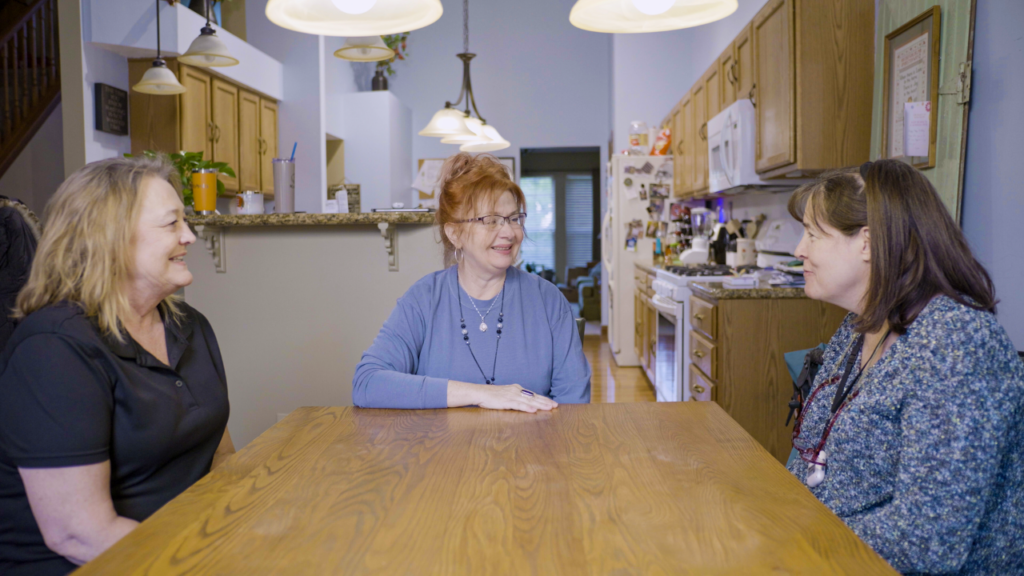
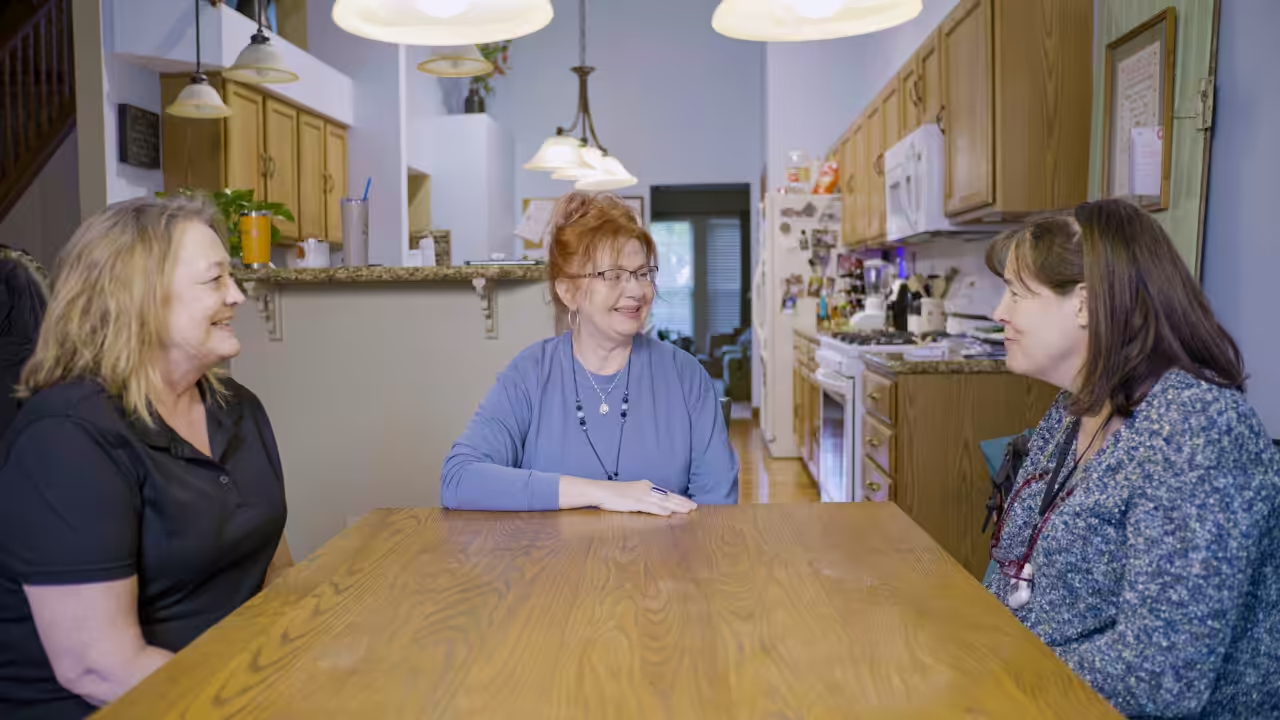
Deciding how to care for your aging parents is tough. Discussing those decisions with your siblings can be even tougher.
Many family Caregivers face these kinds of decisions. According to Pew Research Center, 10% of all U.S. adults say they are Caregivers for a parent age 65 or older. For adult children, that often means making thoughtful decisions while navigating different opinions, responsibilities, and expectations among siblings.
Even when siblings want the same thing for their parents, they may not agree on when care is needed or what kind of support makes sense. One person may be seeing changes up close, while another is trying to understand the situation from a distance. One sibling may feel a sense of urgency, while another may not be ready to make changes.
That gap can quickly lead to frustration, guilt, or disagreement.
But avoiding the conversation rarely makes things easier. As care needs change, families often need to make decisions together about safety, independence, daily support, and what comes next.
In this blog, we’ll share seven practical tips for talking to siblings about care for your aging parents, so your family can move forward with more clarity, less conflict, and a shared focus on what matters most: helping their parents stay safe, comfortable, and connected.
Signs Your Aging Parents May Need Extra Help
Before talking with siblings about care decisions, many families have to answer a more basic question first: How do we know if our parents need extra help?
The answer is not always obvious. Changes often happen gradually. Maybe the house is not as tidy as it used to be. Meals are being skipped. Appointments are harder to keep track of. Or your parent seems more withdrawn than usual.
Individually, these moments may seem small. Together, they can point to a need for a different level of care.
One way to make sense of these changes is through the C.A.R.E. framework, an easy way to recognize common signs that aging parents may need a helping hand.
C.A.R.E. stands for:
- Cues: Are there noticeable changes in appearance, hygiene, or housekeeping?
- Assistance: Is there a need for mobility support or activities of daily living (ADLs), such as getting around the house or running errands?
- Responsiveness: Are changes in cognitive functioning happening, such as repeating themselves, forgetting, or getting frustrated when communicating?
- Engagement: Are their social interactions limited? How much time are they alone?
This framework gives siblings a shared starting point. Instead of beginning the conversation with opinions or assumptions, families can point to specific changes they have noticed and talk through what those changes may mean.
From there, the conversation can shift to the most important question: what type of care would keep your parents safe, comfortable, and connected?
How to Talk to Siblings About Care for Aging Parents
Once families have a clearer understanding of what they are seeing, the next step is to talk through possible care options. These conversations are not always easy, but a thoughtful approach can help keep the focus on your parents and move the discussion forward.
Here are seven practical tips to guide the conversation.
1. Start With a Shared Goal – Even when siblings disagree on timing or approach, there is often a shared goal beneath the surface.
Most families want to protect their parents’ well-being, dignity, and quality of life while preserving as much independence as possible. Naming that shared goal early can help reduce tension and keep the conversation focused on what matters most.
2. Choose the Right Time and Setting – Trying to resolve complex decisions during a rushed phone call, family gathering, or stressful moment can make the discussion more difficult than it needs to be.
When possible, schedule a dedicated time to talk when everyone can focus, ask questions, and speak honestly. A calm setting can make it easier for siblings to listen, process information, and talk through options without feeling rushed or caught off guard.
3. Listen Before Responding – Each sibling may bring a different perspective to the conversation, with valid concerns shaped by their own experiences and responsibilities. Listening without interrupting allows those perspectives to surface and shows respect, even when opinions differ.
Asking open-ended questions and reflecting back on what was shared can reduce misunderstandings and show that the conversation is collaborative rather than confrontational.
4. Recognize Different Levels of Involvement – Not all siblings carry the same Caregiving load.One family member may be managing appointments, medications, and daily check-ins, while others may be helping from a distance or balancing other responsibilities.
The Family Caregiver Alliance notes that the unequal distribution of responsibility often sparks sibling conflict in family Caregiving situations. These differences can create frustration if they are not acknowledged. Care planning works best when expectations are clear and responsibilities are shared in ways that are realistic for each family member.
5. Focus on Needs, Not Judgments – Statements that sound like criticism or blame can quickly put siblings on the defensive.
Rather than focusing on what someone has or has not done, keep the conversation centered on what your parents need. Shifting the discussion to specific concerns, such as safety, mobility, medication reminders, meals, or social connection, keeps the conversation focused and productive.
6. Involve Your Parents When Possible – Whenever appropriate, your parents should have a voice in decisions about their care. Including them in the conversation helps honor their voice and independence. It also gives the family a better understanding of their preferences, routines, and concerns.
Even when not every decision can be made together, especially if cognitive or health challenges are present, involving your parents as much as possible can help build trust, preserve dignity, and reduce resistance later.
7. Consider Bringing in Outside Guidance – Some conversations may benefit from an outside perspective. If siblings are stuck, overwhelmed, or unsure of the level of care needed, an experienced care professional can help to clarify the family’s options.
This might include an in-home care professional, care coordinator, or another resource who can answer questions and provide guidance.
Having an experienced professional involved can shift the conversation from personal opinion to informed decision-making. It also reassures families that options are being evaluated thoughtfully and responsibly.
How Home Helpers® Home Care Can Help
At Home Helpers® Home Care, we understand that care decisions affect the entire family, not just the individual receiving support.
For nearly 30 years, we have partnered with families to create personalized in-home care plans that respect family dynamics, address practical needs, and adapt as situations change. Our Caregivers provide compassionate in-home care while helping families stay connected and informed.
Our holistic Cared-4℠ approach focuses on:
- Physical Wellness: We’re here to help with activities that are tough to handle alone. Whether it’s personal care, hygiene and cleanliness, staying active, keeping up with medications and appointments, support for chronic conditions, or keeping an eye on hydration and proper sleep, you can count on us.
- Mental Well-Being: Our top priority is building an emotional connection and keeping the mind active and engaged. We do this through games, mental activities, and specialized memory care. Through companionship and great conversations, we add those small touches that make a big difference.
- Nutrition and Hydration: We’re here to help with nutrition and hydration by planning meals, shopping for groceries, and preparing food. We can lend a hand in the kitchen, create balanced meals, and even monitor changes in appetite or eating habits to help your loved one live their best life.
- Active Connections: We love strengthening connections with family, friends, community, and the things you love to do. Whether it’s using online resources and devices to connect, planning social activities, keeping in touch with family, or supporting hobbies and interests, we make sure those connections thrive.
To learn more about our in-home care services, contact us today to schedule your FREE in-home care consultation or find a Home Helpers® Home Care agency near you.
During this conversation, we will answer your questions, learn about your family’s situation, and help you understand what the next steps might look like, with no pressure and no obligation.
FOR MORE EDUCATIONAL PIECES ABOUT HOME CARE 101, FOLLOW US ON FACEBOOK, INSTAGRAM, AND LINKEDIN.

The Most Comprehensive Care In The Industry

Physical Wellness
We make daily life easier as needs change, with support for personal care, mobility, medication reminders, and recovery after a hospital stay.
Learn More
Mental Well-Being
Staying active and connected matters. Our caregivers provide companionship and meaningful engagement to support emotional health and independence.
Learn More
Nutrition & Hydration
Healthy meals and proper hydration are essential. We help with planning, shopping, and preparation to support daily wellness and energy.
Learn More
Active Connections
Strong relationships bring comfort and purpose. We help seniors stay connected through social engagement, technology, and regular check-ins.
Learn More