How to Pay For In-Home Care
Need Home Care?
Contact Us Today
How to Pay for In-Home Care: Funding Pathways for Families
If you’re considering in-home care for yourself or a loved one, one of the first questions is often: “How will we pay for this?”
You’re not alone—and you don’t have to figure it out by yourself.
Most families use a mix of funding sources over time. Below are the most common funding pathways families explore, plus a downloadable guide to help you organize next steps.
Start with two questions:
1) Do you need care now, soon, or are you planning ahead?
2) Which of these may apply to you?
- Family Funded (income/savings/family contributions/home equity)
- Long-Term Care Insurance
- Veterans Benefits (Aid & Attendance/Housebound addition to VA pension)
- Medicare GUIDE Program (dementia support model)
- Life Insurance Options (living benefits, combination products, settlements)
Not sure what fits? Schedule a free call.
Family Funded Care
Family funded care is often the quickest way to begin support because it’s flexible and can start immediately.
Common family-funded sources include:
- Retirement income, Social Security, pensions
- Savings
- Family cost-sharing
- Home equity strategies (varies by situation)
How families reduce cost without sacrificing safety
- Start with the highest-need times of day (mornings/evenings)
- Build a consistent schedule (reduces disruption and burnout)
- Use care to prevent crises that create bigger costs (falls, medication issues, wandering)
Long-Term Care Insurance
If you have a long-term care insurance policy (or an employer benefit), it may help cover eligible in-home care costs. Every policy is different.
What you’ll want to know:
- Elimination period (waiting period)
- Daily/monthly benefit amount
- Benefit triggers (often ADLs and/or cognitive impairment)
- Documentation requirements for reimbursement vs direct pay
We can help you identify what to gather before you call your carrier.
Veterans Benefits
If you or your loved one is a Veteran—or a surviving spouse—there may be additional monthly support available through Aid and Attendance or Housebound as an addition to a VA pension (for those who qualify).
What to do first (simple):
- Confirm pension eligibility and care need
- Gather key documents (DD-214, marriage certificate if applicable)
- Document day-to-day support needs (bathing, dressing, supervision, mobility)
Not sure if you qualify? We can help you identify what questions to ask and what to gather.
Medicare and in-home care
A lot of families assume Medicare pays for “home care.” Here’s the important distinction:
What Medicare typically covers at home
Medicare’s home health benefit can cover part-time/intermittent skilled services like skilled nursing and therapy for those who qualify.
What Medicare does NOT pay for (in most cases)
Medicare generally doesn’t cover:
- 24/7 care at home
- Meal delivery
- Homemaker services (shopping/cleaning) unrelated to a care plan
- Custodial/personal care (help with bathing, dressing, toileting) when that’s the only care needed
Medicare GUIDE Program (Dementia Support)
What is the GUIDE Program?
The GUIDE Model is a nationwide Medicare model designed to improve dementia care by providing coordinated support for people living with dementia and their caregivers.
It includes services such as:
- Care navigation
- 24/7 access to a support line
- Caregiver training and education
- Respite services
If dementia is part of your loved one’s journey, ask us about GUIDE support options and how to take the next step.
Life Insurance Options
Some life insurance policies can help pay for long-term care needs through options such as:
- Combination Life/LTC products
- Accelerated Death Benefits (living benefits)
- Life settlements
- Viatical settlements
Important note: These options can impact beneficiaries and taxes—so it’s smart to involve a qualified professional.
Download the Funding Pathways Guide
A practical guide to help families:
- Understand the most common ways to pay for in-home care
- Organize documents and questions
- Choose a next step with more confidence
Need help mapping your next step?
We can talk through your situation and help you identify:
- The safest starting plan
- Which funding pathways are worth pursuing first
- What to gather before you make calls

Your Questions, Answered
Home Helpers Home Care offers a wide range of in-home care services, including personal care, companionship, nutrition support, wellness monitoring, and specialized care for chronic conditions, dementia, and recovery.
Our services are designed for seniors, individuals with disabilities, those recovering from illness or surgery, and anyone who needs extra support to live safely and comfortably at home.
Yes, every care plan is fully personalized based on each client’s unique needs, preferences, and schedule, whether they require a few hours of support or 24/7 care.
Yes, our caregivers are carefully screened, trained, and insured to provide compassionate, high-quality care you can trust.
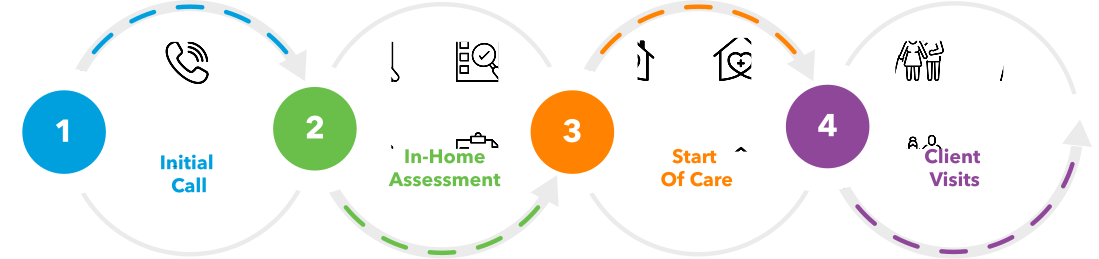
Getting started is easy—simply contact your local Home Helpers location to schedule a free in-home assessment and create a care plan tailored to your needs.