
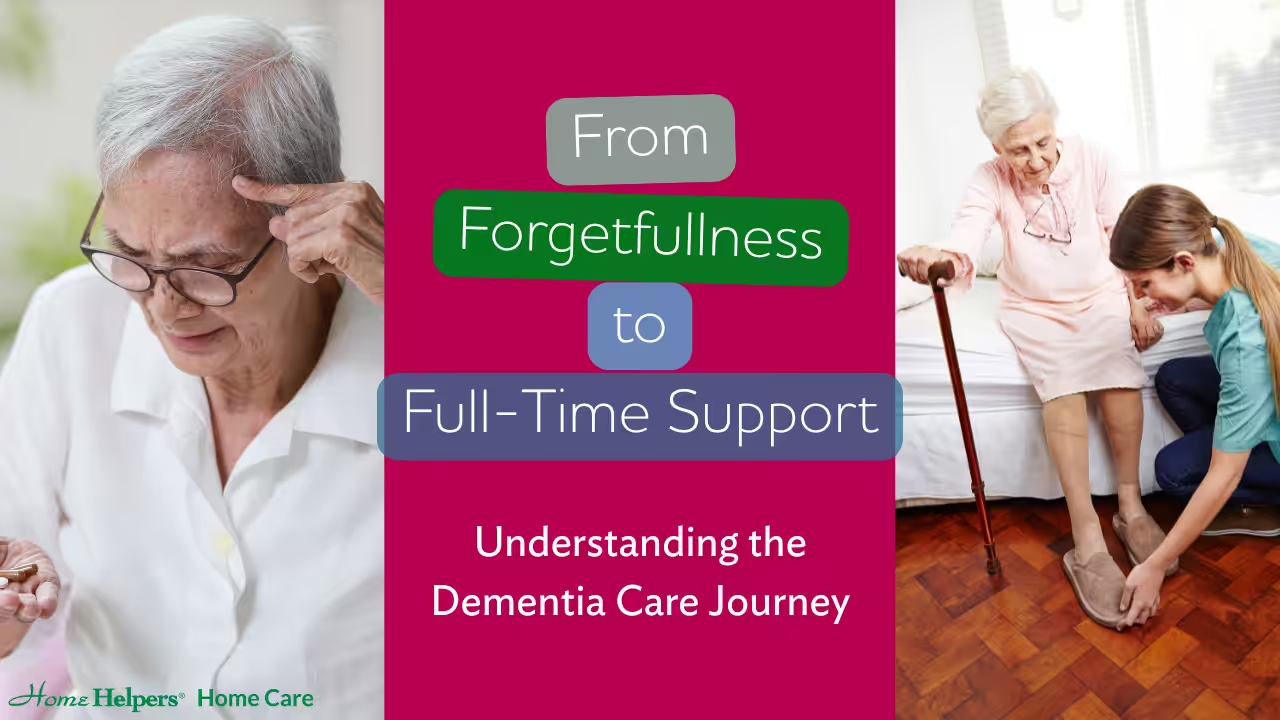
From Forgetfulness to Full-Time Support: Understanding the Dementia Care Journey (Northern Shenandoah Valley Edition)
The journey through dementia is deeply personal and emotionally complex. What begins as simple forgetfulness can gradually transform into a full-time caregiving role that demands emotional resilience, education, and constant adaptation. Understanding the evolution of dementia helps families in the Northern Shenandoah Valley—especially in Winchester, Front Royal, and Purcellville—better anticipate changes, plan ahead, and provide care that supports dignity and comfort.
From the historic streets of Winchester to the scenic Blue Ridge backdrop of Front Royal and the pastoral charm of Purcellville, families across the Northern Shenandoah Valley are doing their best to care for aging loved ones at home. As more residents are diagnosed with Alzheimer’s and other forms of dementia, local families are turning to in-home support to manage evolving care needs.
Early Stage: The Subtle Signs
Early dementia symptoms are often mistaken for normal aging. These can include difficulty recalling names, repeating questions, or forgetting recent conversations. While mild, these signs may disrupt routines and relationships, prompting families to seek answers. A medical diagnosis from a neurologist or memory care provider is key to confirming dementia and beginning a proactive care plan.
In this stage, it’s helpful to begin documenting changes and explore evaluations through area providers like Valley Health’s Memory Clinic in Winchester or local geriatric care specialists in Loudoun County. With a diagnosis in hand, families can make important legal and financial decisions before symptoms worsen.
Middle Stage: Shifting Roles and Rising Needs
As dementia progresses, tasks like managing medications, preparing meals, or navigating familiar areas become more difficult. Loved ones may repeat stories, wander, or exhibit mood swings. In towns like Front Royal and Purcellville—where family caregivers often juggle jobs and parenting—daily support quickly becomes essential.
At this point, safety is a top priority. Home modifications like grab bars and door alarms can prevent accidents. Partnering with in-home caregivers trained in dementia care helps maintain routines and relieve caregiver stress. Home Helpers caregivers serving the Northern Shenandoah Valley bring consistency and reassurance to each visit, tailoring support based on stage and need.
Late Stage: Full-Time Support
Advanced dementia brings profound changes in communication, mobility, and independence. Individuals may need help with all aspects of daily life, from toileting to feeding. Risks of falls, infections, and malnutrition increase. For families in the Shenandoah Valley, in-home care provides a comforting alternative to facility placement, allowing loved ones to remain in the places they know best.
Caregivers experienced in end-stage dementia support offer hands-on care with empathy. Comfort-focused techniques like music, hand massages, or simply holding space can make a meaningful difference.
Planning for the Journey
A well-rounded dementia care plan includes:
- Early legal and financial planning (e.g., powers of attorney, advance directives)
- Home safety modifications
- Increasing caregiver support as needs evolve
- Emotional support and respite for family members
- Access to local programs, such as support groups or community memory cafes
Families in Winchester, Front Royal, and Purcellville can tap into resources offered by Valley Health, regional Area Agencies on Aging, and Alzheimer’s Association chapters serving Virginia.
When to Seek Help
If your loved one is:
- Forgetting to take medications or missing appointments
- Exhibiting aggression or confusion late in the day (sundowning)
- Getting lost or leaving home unexpectedly
- Struggling with hygiene or nutrition
… it may be time to seek professional help. In-home dementia care enables loved ones to remain in their community while receiving attentive, dignified support.
Final Thoughts
Dementia care isn’t linear—it evolves. And the sooner families plan for each stage, the more empowered and connected they feel throughout the journey. In the Northern Shenandoah Valley, help is close to home.
If you’re caring for someone with dementia in Winchester, Front Royal, or Purcellville, Home Helpers Home Care is here to support you. Call (540) 709-1324 or visit Home Helpers Home Care of Northern Shenandoah Valley for a free consultation.
References
- Alzheimer’s Association. (2024). Stages of Alzheimer’s. https://www.alz.org/alzheimers-dementia/stages
- Mayo Clinic. (2023). Alzheimer’s disease care planning. https://www.mayoclinic.org/diseases-conditions/alzheimers-disease/in-depth/alzheimers/art-20047780
- National Institute on Aging. (2022). Caring for a person with Alzheimer’s disease. https://www.nia.nih.gov/health/caregiving
The Most Comprehensive Care In The Industry

Physical Wellness
We make daily life easier as needs change, with support for personal care, mobility, medication reminders, and recovery after a hospital stay.
Learn More
Mental Well-Being
Staying active and connected matters. Our caregivers provide companionship and meaningful engagement to support emotional health and independence.
Learn More
Nutrition & Hydration
Healthy meals and proper hydration are essential. We help with planning, shopping, and preparation to support daily wellness and energy.
Learn More
Active Connections
Strong relationships bring comfort and purpose. We help seniors stay connected through social engagement, technology, and regular check-ins.
Learn More