How Nutrition Affects Cognitive Function in Seniors in the Northern Shenandoah Valley
How Nutrition Affects Cognitive Function in Seniors in the Northern Shenandoah Valley
Nutrition plays a vital role in every stage of life, but it becomes especially critical as we age. For seniors across the Northern Shenandoah Valley—from Winchester and Front Royal to Purcellville—what we eat can directly affect how clearly we think, how well we remember, and how steady our mood stays.
Caring for a loved one’s brain health starts with the choices we make in the kitchen. Whether you’re preparing meals for an aging parent or supporting a spouse with memory concerns, understanding the connection between diet and cognition is a powerful step toward better daily living.
Why Nutrition Matters for Brain Health
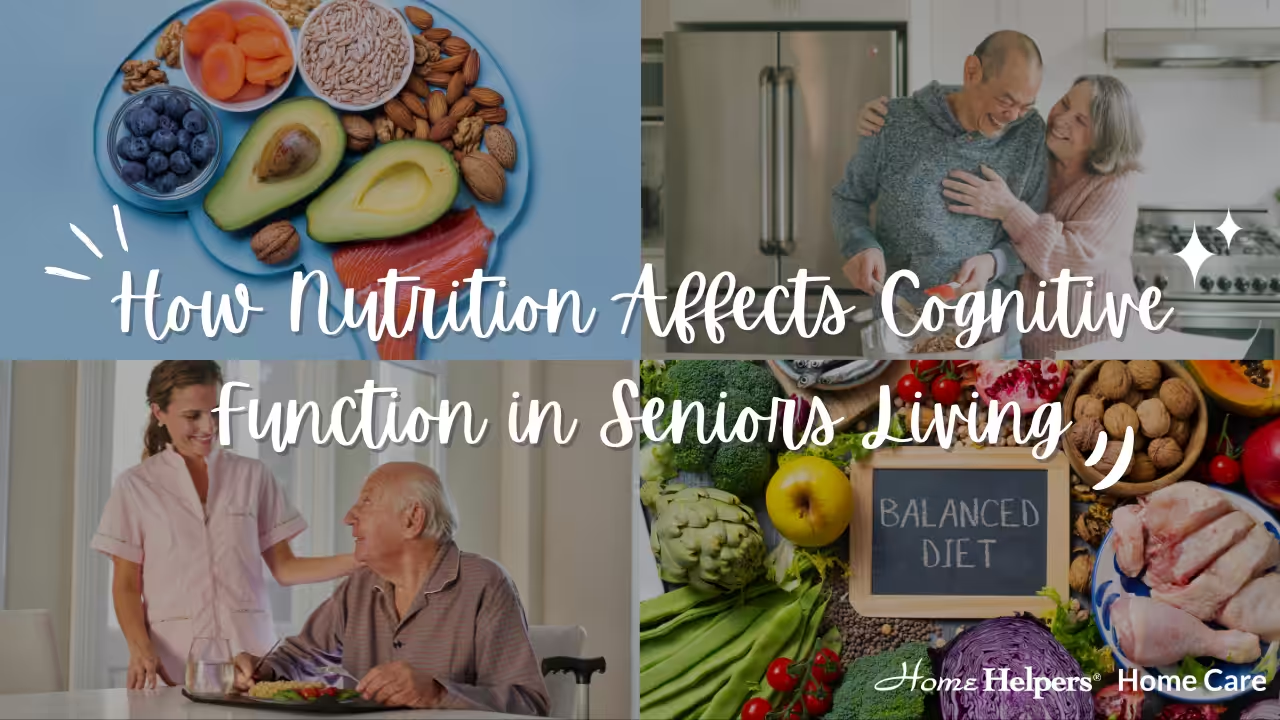
The brain relies on a steady supply of nutrients to function properly. According to the National Institute on Aging, diets rich in vegetables, fruits, whole grains, fish, and healthy fats may help protect cognitive function.¹ Healthy eating habits can improve memory, stabilize mood, and slow down the progression of cognitive conditions like dementia.
That’s why seniors in communities like Winchester and Front Royal are increasingly turning to evidence-based diets like the Mediterranean and MIND diets, which are rich in brain-boosting foods and low in inflammatory ingredients.
Key Nutrients for Cognitive Support
Families in the Shenandoah Valley can help aging loved ones support their cognitive health by including these essential nutrients:
- Omega-3 Fatty Acids – Found in salmon, flaxseed, and walnuts, they help fight brain inflammation and support memory.
- B Vitamins (B6, B12, Folate) – These help produce brain chemicals that affect mood and cognition. Deficiencies can accelerate memory loss.²
- Vitamin D – Promotes nerve function and helps regulate mood; especially important for seniors with limited outdoor exposure.
- Antioxidants (Vitamins C, E, Polyphenols) – Combat oxidative stress. Great sources include berries, dark chocolate, spinach, and green tea.
- Protein – Supports neurotransmitter function and overall brain repair.
Diet Patterns That Promote Brain Health
Instead of focusing on individual “superfoods,” it’s more helpful to adopt a consistent dietary pattern that nourishes the brain and body alike.
Mediterranean Diet
This heart- and brain-friendly approach emphasizes olive oil, lean fish, leafy greens, and whole grains. It’s associated with a lower risk of cognitive decline and better mental clarity.
MIND Diet
A combination of the Mediterranean and DASH diets, the MIND diet focuses on foods proven to protect the brain—especially leafy greens, berries, nuts, and whole grains.
Staying Hydrated
Hydration also plays a major role. Dehydration can lead to confusion, fatigue, and memory problems. Offer water-rich foods like cucumbers, soups, or citrus fruits throughout the day.
How Poor Nutrition Impacts Cognition
An unhealthy diet filled with processed snacks, sugars, and saturated fats can increase inflammation and accelerate mental decline. Poor nutrition is linked to:
- Memory loss
- Confusion and slower thinking
- Depression and anxiety
- Increased risk for dementia and Alzheimer’s
Seniors in the Northern Shenandoah Valley—especially those living alone—may face barriers like limited mobility, transportation issues, or loss of appetite. Caregivers should look for signs of malnutrition or food insecurity and provide support when needed.
Supporting Seniors with Healthy Eating
Whether you’re in Purcellville, Stephens City, or right in Winchester, small nutritional changes can have a big impact:
- Serve colorful produce with each meal
- Encourage protein-rich snacks like eggs, nuts, or yogurt
- Plan meals in advance to reduce decision fatigue
- Share meals to increase enjoyment and appetite
- Keep healthy snacks and water easily accessible
For seniors with dementia or sensory sensitivity, offer familiar and comforting meals with simple textures and smells.
How Home Helpers Home Care of Northern Shenandoah Valley Can Help
At Home Helpers Home Care of Northern Shenandoah Valley, we understand that supporting brain health starts at the table. Our trained Caregivers help seniors in Winchester, Front Royal, and Purcellville with:
- Meal planning and preparation based on dietary needs
- Grocery shopping and hydration support
- Routine mealtime schedules for structure and comfort
- Nutrition tracking for seniors with memory concerns
- Companionship and encouragement during meals
We’re proud to support local families in providing thoughtful, nourishing care that improves both physical and mental well-being.
Final Thoughts
For families across the Shenandoah Valley, nutrition is a powerful ally in preserving memory, clarity, and quality of life. With informed choices and the right support, seniors can stay sharp, independent, and emotionally strong.
Call Home Helpers Home Care of Northern Shenandoah Valley today at (540) 340-9568 to learn how our personalized care services can support your loved one’s brain health.
References:
- National Institute on Aging. (2023). What Do We Know About Diet and Prevention of Alzheimer’s Disease? https://www.nia.nih.gov/health/what-do-we-know-about-diet-and-prevention-alzheimers-disease
- Smith, A.D., et al. (2010). Homocysteine-lowering by B vitamins slows the rate of brain atrophy in people with mild cognitive impairment: a randomized controlled trial. PLOS ONE.
Alzheimer’s Association. (2023). Nutrition and Alzheimer’s Disease. https://www.alz.org/alzheimers-dementia/what-is-dementia/
The Most Comprehensive Care In The Industry

Physical Wellness
We make daily life easier as needs change, with support for personal care, mobility, medication reminders, and recovery after a hospital stay.
Learn More
Mental Well-Being
Staying active and connected matters. Our caregivers provide companionship and meaningful engagement to support emotional health and independence.
Learn More
Nutrition & Hydration
Healthy meals and proper hydration are essential. We help with planning, shopping, and preparation to support daily wellness and energy.
Learn More
Active Connections
Strong relationships bring comfort and purpose. We help seniors stay connected through social engagement, technology, and regular check-ins.
Learn More