
Senior Safety Checklist

Senior Safety Checklist

It is important to evaluate the living conditions of seniors who live independently on a regular basis. An environment that was fine just a month ago may now pose a problem. Assess the home with your loved one’s diminishing abilities and special requirements in mind to make sure they are in safe surroundings.One caregiver with two seniors
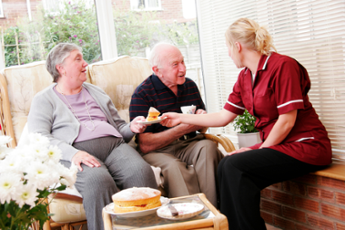
A qualified in-home health caregiver can help you assess the situation and recommend modifications that can prolong the senior’s ability to remain at home.

General Home Safety

Pay special attention to safety hazards that may cause falls, and make sure your loved one has easy access to communication in case of a problem.

  • See if the home is reasonably organized and clean.
  • Check for impediments like throw rugs, sharp furniture edges and electrical extension cords that can pose the risk of falls and injury.
  • Make sure the proper smoke detectors, fire extinguishers and carbon monoxide detectors are easily accessible.
  • Look for phones and medical alert systems that are available in every room in the house.
  • See if the home is well lit, especially around stairways.
  • Install railings on both sides of the staircase.
  • Inspect electrical appliances to make sure they are working properly. Maintaining proper nutrition and safety in the kitchen are top priorities.

Kitchen and Food

  • Peek into the refrigerator, freezer, and pantry to see if there is an adequate food supply.
  • Consider the quality of the food available and its nutritious value. Fresh fruits and vegetables, lean protein and whole grains should be included in the senior’s diet.
  • Check for out of date food.
  • See if your loved one can buy groceries independently. If not, an in-home caretaker can do the shopping.
  • Evaluate whether the senior can prepare meals on her own and operate equipment like a microwave.
  • Make sure he knows which foods have adverse interactions with his medications.
  • Determine if your loved one has a good appetite and if she is eating enough. Decreasing mobility may become a safety issue.

Mobility

  • If the aging senior is unsteady on his feet, consider a walker or another assistive device to help him get around.
  • Look for signs of bruises that can indicate a fall.
  • Determine if the senior can get the newspapers and mail on her own.
  • Assess whether he is capable of getting in and out of bed without assistance.
  • See if she can navigate stairs if necessary
  • If the senior is still driving, did he have a recent eye test and does he have a valid driver’s license? If not, the home health caretaker can provide transportation. The bathroom should be sanitary and all safety issues must be addressed.

Bathroom

  • Determine if your loved one can transfer into the shower safely. If not, you can get a transfer chair to help. The senior may need assistance showering.
  • Make sure the grab bars are adequate.
  • Evaluate whether the senior can use the toilet independently.
  • If there are incontinence issues, see if the supplies are being disposed of in a proper manner.
  • Check to see that bathroom mats are non-skid.
  • Assess the cleanliness of the bathroom. A senior with compromised cognitive function may pose a safety risk while alone at home.

Cognitive Function

  • Think about whether the senior has demonstrated severe memory loss.
  • Determine whether she can communicate effectively and understand conversations.
  • Notice if the senior has trouble recognizing friends or family members.
  • Find out if he has gotten lost in familiar surroundings, or if there have been episodes of confusion. As people age, doctor’s visits, tests, and medication generally become more important issues.

Health and Medication

  • Determine if the senior keeps up with medical appointments and if transportation is an issue.
  • See if there are indications of failing vision or hearing.
  • Notice if the senior is maintaining a consistent weight at a healthy level.
  • Evaluate whether your loved one is having trouble taking medications as directed, or if there are any problems with self-administered treatments like injections or oxygen.

A reputable home health care agency can provide you with a trained caregiver to keep your loved one safe at home. Home Helpers of South Shore is owned and operated by a compassionate health professional with a strong understanding of the needs of aging seniors. Contact Home Helpers to provide the trained, experienced home health care workers you need for your aging parent.

We serve the following communities:

Abington, Braintree, Brockton, Buzzards Bay, Carver, Cohasset, Dighton, Duxbury, Falmouth, Halifax, Hanson, Hingham, Holbrook, Hull, Humarock, Kingston, Lakeville, Marshfield, Mashpee, Middleboro, Norwell, Pembroke, Plymouth, Plympton, Quincy, Randolph, Rockland, Sandwich, Scituate, Taunton, Wareham, Weymouth, Whitman

Categories

Are Your Parents Taking their Meds?

Caregiver handing medication to their client

Are Your Parents Taking their Meds?

You might assume that your aging parents are taking their medication as directed, but you may be in for an unpleasant surprise. People over 65 generally take several prescription and over-the-counter medications every single day, and trying to keep track of it all can prove to be a major challenge for aging seniors.

Part of the problem is that seniors often fill their prescriptions without truly understanding what the medication is and what the medication does. They may run at risk of health issues if they take the wrong dosage, skip a day here and there or combine the drug along with herbal supplements and non-prescription drugs. Seniors living at home can benefit from a home health caregiver who can keep seniors on track by making sure they take their meds as prescribed.

Be in the Know about Medications

Make sure your parents understand their medications. They should know the name of the medication, the dosage and frequency, the prescribing doctor and any special instructions such as taking the drug with food, at a particular time of day, or avoiding alcohol and driving. Seniors should also be on the lookout for dangerous side effects, and they should keep an eye out for expiration dates. If they are having trouble understanding their medication and they are becoming confused about when to take it, it might be time for a home health caregiver to provide oversight.

Keep a Current List of Meds Handy

You, the in-home caregiver and your parent should have an up-to-date list of medications, including supplements and over-the-counter drugs such as laxatives and antacids. Include the dosage and frequency, and be sure to change the information if the prescription changes. It is important to use the same pharmacy for all prescription medications so it can pick up on harmful drug interactions. Some pharmacies offer a synchronized refill program where all prescriptions are refilled on the same day for convenience and to avoid confusion. Encourage your parents to carry a copy of the list of medications in their wallet in case of an emergency.

Maintain Good Records

Medical issues tend to increase as people age, and it is important to keep good medical records to keep track of the following:

  • surgery
  • illnesses
  • ongoing conditions
  • immunizations
  • routine testing
  • family health history

Here are some useful tips for taking medication properly for optimum health:

  • Use an Organizer: 7-day, 2-week and 30-day pill organizers are useful tools to stay on track with medication. The in-home caregiver can alert you when the organizer needs to be refilled or when prescriptions run out.
  • Get Into a Routine: It is a good idea to get into the habit of taking your pills at the same time every day. Many people take their pills right after breakfast to avoid side effects from taking medication on an empty stomach.
  • Ask for a Review: Take your vials of medicine to the doctor every so often and ask for a review to make sure you are not mixing medications that can have harmful interactions. Your doctor will also check the dosage and take over the counter pharmaceuticals into consideration, like vitamins and supplements. A careful review will also give your doctor the opportunity to make any changes that may be necessary.
  • Learn About the Effects of Food and Supplements: Some foods should be avoided when taking certain medications. According to the US Food and Drug Administration, alcohol affect a wide variety of drugs, and grapefruit juice should be avoided when taking blood pressure lowering drugs. Dietary supplements like St. John’s Wort and Ginseng can also interfere with the effects of some prescription drugs.

Home Helpers of South Shore has a pharmacist on staff that can review your medications or answer medication related questions for free ! Give a call today @ (781) 912-3196 to learn more.

We serve the following communities:

Abington , Braintree , Brockton , Buzzards Bay , Carver , Cohasset, Dighton , Duxbury , Falmouth , Halifax , Hanson , Hingham , Holbrook , Hull , Humarock , Kingston , Lakeville , Marshfield , Mashpee , Middleboro , Norwell , Pembroke , Plymouth , Plympton , Quincy , Randolph , Rockland , Sandwich , Scituate , Taunton , Wareham , Weymouth , Whitman

Categories

Action Plans for Seniors and their Caregivers

As you probably know, home health caregivers assist aging seniors by taking them shopping for food and driving them to their doctor’s appointments. In fact, in-home caregivers commonly engage in these activities and many more. When you hire a caregiver, it makes sense to develop an individualized action plan to address the senior’s needs and help them remain as independent as possible.Man with his hands holded

A Custom Plan

A representative of the home health care agency generally pays a visit to the aging senior before the caregiver starts in order to assess needs and determine interests. The representative will check the home to make sure it is safe, and ask some questions that will help decide which activities would be beneficial. Seniors have the opportunity to express their wishes about how they would like to spend their time. Together with the agency representative and family members, the senior can help draw up an individualized action plan that can involve personal hygiene, household chores, meal preparation, medication management, and social activities.

Setting Goals

It is a good idea to set well-defined goals so both the in-home caregiver and the senior knows what to expect. Typically, the caregiver will set goals for basic laundry and housekeeping duties, assistance with personal hygiene and help in preparing nutritious meals. A health care companion may also shop, run errands and provide transportation to and from doctor’s appointments. Another goal might be to enable the senior to participate in social activities with others at least once or twice each week. The action plan is tailored to the personal preferences and needs of the senior.

Activities

No matter what the preferences of the individual, there are some basic actions the caregiver will need to perform. Once basic needs are met, the companion can help out with social activities to keep the senior involved with family and friends.

  • Monitoring Personal Hygiene

One of the primary responsibilities of an in-home caregiver is to make sure the senior is taking care of personal hygiene. This includes supervising or helping with showering, dressing, and laundering clothing.

  • Managing Medications

Elderly individuals generally take medication every day, sometimes more than once per day. Managing multiple vials of medication may become confusing to a senior. The home health caregiver can order prescriptions and pick them up, keep track of expiration dates, monitor instructions on the label, store medications safely and make sure that the senior is taking the medications as indicated.

  • Managing the Household

A home health care companion can accompany the senior to shop for food or pick up needed items. She can prepare meals according to the individual’s dietary requirements and preferences, and tidy up afterward. The companion will also monitor the home for safety and recommend equipment like a shower chair or walker if necessary.

  • Social Activities

Experts now realize that staying involved in social activities can have physical as well as mental and emotional health benefits for aging seniors. An in-home caretaker can provide transportation to social activities so the senior can continue to meet a friend for lunch, visit family members and participate in card games, hobbies, and clubs.

Hiring an In-Home Caregiver

We serve the following communities:

Abington, Braintree, Brockton, Buzzards Bay, Carver, Cohasset, Dighton, Duxbury, Falmouth, Halifax, Hanson, Hingham, Holbrook, Hull, Humarock, Kingston, Lakeville, Marshfield, Mashpee, Middleboro, Norwell, Pembroke, Plymouth, Plympton, Quincy, Randolph, Rockland, Sandwich, Scituate, Taunton, Wareham, Weymouth, Whitman
Categories

An in-home caregiver can help your aging loved one stay safe while maintaining independence at home.

two women smiling

More and more seniors are preserving their independence and remaining in familiar surroundings with the help of in-home caregivers. A home safety check is one of the first assessments the agency representative will perform when home health care begins. They are trained to make recommendations going forward and can report any issues with home safety as they arise.

Family members can help with general safety by providing a medical alert system that can signal designated individuals in case of a fall or another problem when the senior is alone. Remind seniors not to smoke in bed and to take their time getting up after lying down. Sturdy, well-fitting shoes are a must to maintain balance. It is a good idea to think ahead about walking aids like canes, walkers and wheelchairs to have them handy when they are needed.

Prescription Drug Safety

As people age, it may become difficult to keep track of medications and take them as prescribed. The caregiver should be given a list of prescribed medications and so they can check to see if the senior is taking them regularly. All medicine vials should be labeled clearly, and old medications should be disposed of immediately. It is a good idea to use an organizer to keep the senior on track.

Inspect the Home

To provide a safe home environment, inspect the home while keeping your loved one in mind. It is a good idea to remove loose area rugs and make sure electrical cords are tucked away from traffic areas to avoid tripping. Stairs should have nonslip surfaces, hand rails and ample non-glare lighting along with a light switch at the top and on the bottom. Home Health Agency can advise you to see if a chairlift is necessary.

Safety in the Bathroom

Bathrooms may present hidden dangers that can affect the safety of your loved one. Remind your loved one to shower only when the caregiver is present, even if they shower independently, for help in case of a problem. The bathroom door should be left unlocked. A walk-in shower, a shower chair, and a hand-held shower head can help the senior shower safely. Make sure the shower mat has a non-skid bottom, and use a skid-proof bath mat to step on after the shower. Bath aids like handles should be installed around the shower and toilet. If there is a tub, purchase a shower transfer chair that enables seniors to sit and then position themselves safely in the shower.

Safety in the Kitchen

An in-home caregiver can provide a great deal of help in the kitchen to keep your loved one safe. The caregiver can make sure that floors and counters are uncluttered and clean, and that work areas are illuminated properly. A home health care aide can check the expiration date on food items and make sure there is enough food in the house. She can also prepare meals, store sharp knives, place heavy items at higher levels for easy access and store hazardous materials away from food.

A reputable home health care agency can provide you with a trained caregiver to keep your loved one safe at home. Home Helpers of South Shore is owned and operated by a compassionate health professional with a strong understanding of the needs of aging seniors. Contact Home Helpers to provide the trained, experienced home health care workers you need for your aging parent.

Please call us at (781) 912-3196 or fill the form on the left for a free in-home consultation to determine the plan that is right for you.

We serve the following communities:

Abington , Braintree , Brockton , Buzzards Bay , Carver , Cohasset, Dighton , Duxbury , Falmouth , Halifax , Hanson , Hingham , Holbrook , Hull , Humarock , Kingston , Lakeville , Marshfield , Mashpee , Middleboro , Norwell , Pembroke , Plymouth , Plympton , Quincy , Randolph , Rockland , Sandwich , Scituate , Taunton , Wareham , Weymouth , Whitman

Categories

© Copyright 2026 H. H. Franchising Systems, Inc, All Rights Reserved.