Mildew in Your Mom’s House Isn’t Something to Ignore

When you’re at your mom’s house, you’ve noticed mildew on the bathroom ceiling. Maybe, you’re seeing mildew forming on her vinyl window frames. It’s not something to ignore. High humidity levels and lack of airflow can cause it.

Mildew can irritate the sinuses and lead to coughing and sneezing. People who are exposed to mildew spores may suffer from frequent bloody noses. If your mom has frequent allergies, mildew may be to blame. You need to get the mildew issue resolved.

The Best Way to Kill and Control Mildew

A solution of bleach and water is good at killing mildew. Aim for ¼ cup of bleach to half a gallon of water. Use a sponge to dab the solution onto mildew. Allow that to dry. Wipe with white vinegar after and let that dry.

Once the mildew is controlled, you need to look at why it’s happening. If your mom’s house gets humid easily, invest in new bathroom fans, run a dehumidifier, and open windows for better airflow when possible. Adding a window to a bathroom that gets humid can help if fans aren’t doing enough. Crack the window during a shower to allow moisture to escape.

If the basement is humid, a dehumidifier helps. Also, look for products that absorb moisture. Silica gel is one of the easiest to find. Sites like Amazon sell reusable silica gel beads. When it’s absorbed all the moisture it can, bake it in the oven to dry it back out and use it over and over.

Curtains, clothing, towels, and blankets are fabric items that are prone to mildew. Wash them in bleach and dry thoroughly in the sun. If the stains remain, you may want to replace that item.

Helping Your Mom With Symptoms of Mildew Allergies

If mildew allergies affect your mom, invest in an air purifier. UV lighting kills bacteria and airborne spores in the home. A system with an ionizer uses electrostatic energy to draw particles to the air filter to remove them from the air. Make sure the filter is cleaned or replaced regularly to ensure clean air.

Talk to her doctor about the best allergy medications to use. When the symptoms are unbearable, she could take a medication that helps with the sneezing, congestion, and coughing.

Hire home care services to help her keep the house clean. Caregivers can dust, vacuum, wipe down surfaces, and do the laundry. Talk to a home care representative to learn more about these and other services and what they cost.

If you or an aging loved one are considering hiring homecare in Los Altos, CA, please contact the caring staff at Home Helpers today (408) 317-4969.

Categories

Complications of Diabetes All Caregivers Should Know About

When it comes to elderly care, one of the diseases that all caregivers should know about is diabetes. There are many elderly adults who suffer from this disease. If it isn’t managed well, it can cause a host of complications. These complications are something you should be aware of.

Hypoglycemia

This term means low blood sugar. Having severe hypoglycemia could be very dangerous to the elderly adult’s health. It could cause them to become unconscious or even to have a seizure. Some of the signs that the senior you are caring for has hypoglycemia include shakiness, sweating, dizziness, hunger, tingling around the mouth, headaches, clumsiness, confusion, and seizures. If you notice these issues, make sure they see a doctor right away.

Heart Disease

Unfortunately, another complication of diabetes is heart disease. This can be especially dangerous and even be fatal if not attended to properly. The senior could have a stroke or a heart attack, as well.

Diabetic Neuropathy

If diabetes is not managed properly, seniors could experience diabetic neuropathy. Generally, this only happens when the disease isn’t managed for a significant period of time. However, neuropathy can cause a host of other complications. It can cause weakness, pain, and tingling in the feet and hands. These issues, if left untreated, could mean the senior has to get an amputation. In addition, neuropathy can cause digestive issues, too.

Kidney Disease

The most common reason for kidney disease is diabetes. The kidneys are needed to help keep someone alive. If the kidneys in a senior citizen start failing to function, this could become a life-threatening issue. With diabetes-induced kidney issues, the kidneys have to work much harder to work properly.

Eye Disease

Retinopathy is what occurs as a result of diabetes-induced eye issues. Those who have diabetes have a higher risk of getting cataracts, glaucoma, or even going blind, as well. If you want to help the senior you are caring for, you should make sure they are getting an eye appointment and exam done at least once each year. This way, if any eye disease is present, it can be caught and treated early on.

There are many complications that can occur as a result of diabetes. These are only some of the most common issues that arise from this condition. If you are taking care of a senior citizen who has diabetes, it is important to make sure their diabetes is managed properly. If it isn’t, it is very likely that at least one of these health issues will arise. Make sure they are seeing their doctors regularly for care and medication appointments. If needed, hire a home care provider to remind them to take their medications at home.

Source
https://www.diabetes.org/diabetes/complications

If you or an aging loved one are considering hiring elderly care in Palo Alto, CA, please contact the caring staff at Home Helpers today (408) 317-4969.

Categories

What You Need to Know About Colorectal Cancers

According to the American Cancer Society, over 101,000 new cases of colon cancer and over 44,000 new cases of rectal cancer are expected to be diagnosed in 2019. Because of the prevalence of colorectal cancers, knowing about them is important to all people, especially those who are caregivers to older adults.

General Information About Colorectal Cancer

Colorectal cancers are those that begin in either the colon or the rectum. They are specifically referred to as either colon cancer or rectal cancer depending on where they start.

The colon is part of the large intestine. It’s about 6 feet of muscular tubing that connects the small intestine to the rectum. The job of the colon is to help process waste products by removing liquids from stool and storing them until the next bowel movement. The rectum is about 8 inches long and is the part of the large intestine between the colon and the rectum. Stool moves from the colon through the rectum and out the anus.

Colorectal cancer usually starts out as a polyp, which is a growth that happens in the lining of the colon or rectum. Over time, some kinds of polyps can turn into cancer. When a polyp turns cancerous, the cancer can spread from the lining of the colon or rectum into their walls and beyond, affecting other parts of the body.

Symptoms of Colorectal Cancer

Not everyone with colorectal cancer will experience the same symptoms. If you notice any of the following symptoms in your aging relative, report them to the doctor:

  • Blood in the stool, which can make it appear black.
  • Red blood coming from the rectum.
  • Changes in bowel habits, including diarrhea and constipation.
  • Abdominal pain and bloating.
  • Feeling full even if they haven’t eaten for a while.
  • Fatigue.
  • Losing weight without trying.
  • Feeling like the bowel doesn’t empty right after a bowel movement.
  • Iron deficiency without another underlying cause.

These symptoms can also indicate other kinds of medical conditions, so it is important that the senior be seen by a doctor. This is especially true if the symptoms persist for more than four weeks.

Early detection of cancer can improve the chances of treatment being successful. Senior care providers can drive older adults to screening appointments for colorectal cancer. If the older adult is diagnosed with colorectal cancer, a senior care provider can assist with their care during treatment and recovery. A senior care provider can help them to manage side effects, allow them to rest, and drive them to treatment appointments.

Sources
https://www.cancer.org/cancer/colon-rectal-cancer/about/what-is-colorectal-cancer.html
https://www.medicalnewstoday.com/articles/155598.php
https://www.webmd.com/colorectal-cancer/guide/what-is-colorectal-cancer
https://www.cancer.org/cancer/colon-rectal-cancer/about/key-statistics.html

If you or an aging loved one are considering hiring senior care in Los Gatos, CA, please contact the caring staff at Home Helpers today (408) 317-4969.
Categories

Helping Seniors Manage Dry Eyes

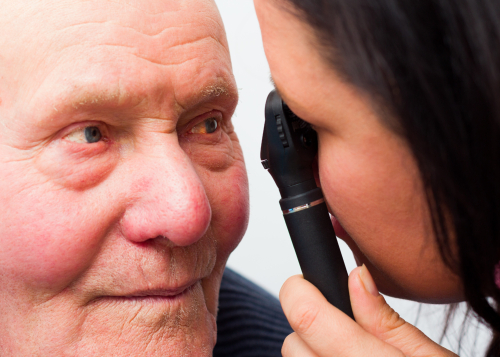
Dry eyes occur when a person’s eyes don’t produce enough tears or make poor quality tears. That leaves the eyes dry and feeling gritty. It’s a condition that commonly occurs in older adults. Not only is it uncomfortable, it can also cause vision problems. Tears are necessary for keeping vision clear. They also help to prevent eye infections and wash away foreign objects that get in the eyes. If your aging relative suffers from dry eyes, they should see a doctor. In addition, there are steps they can take at home to make living with dry eyes easier. Below are some things that can help to manage dry eyes.

Use Prescription Medicines
If the senior’s doctor prescribes medication to treat the condition, it’s important that they use the medicine as directed. Usually, the medicine is in the form of eye drops. It can take some time for the drops to start working but encourage the older adult to stick with it or talk to the doctor.

A senior care provider can remind your aging relative when it is time to use the eye drops prescribed by the doctor. Although they cannot administer the drops, they can watch the older adult and make sure they are using them correctly.

Protect Eyes from the Wind
Keep air from blowing in the senior’s eyes as much as possible. This includes wind as well as air from hair dryers, fans, and heating and air conditioning vents. When possible, seat the older adult in places where air will not blow in their faces or direct vents away from their eyes. To protect eyes from the wind, it can be helpful to purchase wraparound sunglasses to protect the eyes.

Senior care providers can help older adults to choose seats that are away from sources of blowing air. They can also remind them to wear sunglasses when they go outside.

Keep Eyelids Clean
Most people don’t think about washing their eyelids when they wash their faces, but it’s an important step in reducing dry eyes, especially if the older adult wears eye makeup. Dirt, oil, and debris on the eyelids can cause inflammation and block oil ducts.

A senior care provider can help your older family member to wash their eyelids twice per day. To wash eyelids, use a mild cleanser, like baby shampoo, or purchase a product made specifically for washing eyelids. Applying warm compresses to the eyelids a few times per day can also be soothing.

Sources
https://www.aarp.org/health/conditions-treatments/info-2019/dry-eyes.html?intcmp=AE-HEA-CND-R1-C1-ART
https://www.webmd.com/eye-health/dry-eye-relief-tips
https://www.aao.org/eye-health/tips-prevention/dry-eye-tips
https://www.aoa.org/patients-and-public/eye-and-vision-problems/glossary-of-eye-and-vision-conditions/dry-eye

If you or an aging loved one are considering hiring senior care in Saratoga, CA, please contact the caring staff at Home Helpers today (408) 317-4969.
Categories

4 Ways to Be a More Effective Long-Distance Caregiver

Even if you don’t live close to your older family member, you can still be an important and effective part of the caregiver team. You may not be able to provide hands-on care, but there are still lots of things you can do to help with your loved one’s care. If you’re not sure what kinds of things you can do, here are 4 ideas that can make you an even better long-distance caregiver.

#1: Research Local Services

There may be local services available to your senior family member that can ease the work of other family caregivers or improve their quality of life. One place you can start is with the senior center in the older adult’s community. They can tell you what kinds of services and opportunities they offer. For example, many of them offer clubs and classes for seniors that can give them a way to socialize and make friends. They may also be able to put you in touch with professional caregiver agencies that can take on some of the work currently being shouldered by family members. Professional caregivers can do many of the things family caregivers can do, including housecleaning, making meals, assisting with personal care, and reminding seniors to take medications.

#2: Prepare a Contact List

There’s a good chance there are a lot of people involved in the care of your older family member, from doctors and nurses, to family caregivers, down to the pharmacist. A complete list of contact information can be a great tool to make caregiving easier. To make the list, write down the names of everyone involved, including family caregivers, doctors, home care agencies and providers, and anyone else who provides some kind of service to the senior. Include the role they play in the senior’s care, phone numbers, addresses, and email addresses. Make sure that one copy of the list is posted where it is easily visible to all caregivers. Also, provide each family caregiver with a copy of the list.

#3: Offer Emotional Support

Sometimes just having someone to listen can make a person feel better. Long-distance caregivers can be a compassionate listener to both the older adult. Having a chronic illness or disability is difficult. Knowing that they can call you to talk when they’re feeling down can help. In addition to being there as an emotional support for the older adult, letting other family caregivers know they can call you when they are feeling frustrated or down can give them a place to vent.

#4: Keep Important Paperwork Organized

Sometimes seniors have difficulty taking care of the administrative-type tasks that life requires. They may have trouble managing insurance forms, finances, health information, and legal paperwork. You can help by gathering all of those together next time you visit (or have another caregiver mail them to you) and putting them in an easy-to-use file or folder.

If you or an aging loved one are considering hiring caregivers in Los Gatos, CA, please contact the caring staff at Home Helpers today (408) 317-4969.

Categories

Seniors Should Create a Long-Term Care Plan

Creating a long-term care plan for an elderly relative is an important part of being a family caregiver. Working together, they can address important housing, health, legal and financial issues that will shape the life of the aging loved one for years. October is Long Term Care Planning Month, to inspire families to hold those serious conversations and put together options that best suit everyone’s needs.

The smartest thing in creating a long-term care plan for an elderly adult is to do one before it is truly needed. Unexpected injuries, illnesses and health issues can happen at any time, changing the way an elderly adult lives and takes care of themselves. Even the most independent seniors may be forced to have live-in help if they suffer a stroke, heart attack, sudden surgery or cognitive decline. Having a long-term care plan in place spares everyone from having to make difficult decisions during stressful times.

Housing decisions are one of the most important aspects of a long-term care plan. It’s important to take the elderly adult’s desires into consideration, and then figure out a way for that to happen. Overwhelmingly, most seniors want to age at home and arrange to support long-term care for their needs there. However, it’s very common for aging adults to develop physical disabilities, from minor to serious, that prevent them from living completely independently.

One option that can easily be incorporated into a long-term care plan is the use of elder care providers. These trained professionals come to an elderly adult’s home and assist as needed in a range of daily tasks. It’s ideal for elderly adults who want to stay in their own home but perhaps struggle to safely and effectively do self-care or home-care tasks due to physical limitations. Elder care provider services can mean the difference of an elderly person living at home or having to go elsewhere for care.

Elderly adults have a high risk of developing injuries, illnesses and other age-related conditions that prevent them from doing some of the most basic tasks. From showering and bathing to dressing to preparing meals for themselves, some tasks become too much for seniors with health issues like arthritis, ALS, post-stroke symptoms, diabetes, and more. An elder care provider can assist where needed and be present for the aging adult throughout the day or night.

Family caregivers also benefit from hiring an elder care provider. That’s because they have peace of mind knowing that someone capable is with their elderly loved one. No family member wants to see their senior relative struggle, so having an elder care provider on hand for help and companionship gives family caregivers time to focus on their own responsibilities. Family caregivers also appreciate the social aspect that elder care providers bring to their aging relative, as seniors often become isolated and depressed when alone for long periods of time.

Although October is Long Term Care Planning Month, it’s extremely important to have such a conversation with an elderly relative anytime the chance arises.

If you or an aging loved one are considering hiring senior care in Santa Clara, CA, please contact the caring staff at Home Helpers today (408) 317-4969.

Categories

What Can You Do as a Caregiver When You’re Exhausted, but Can’t Sleep?

Exhaustion is one of those problems you might expect that you’ll experience as a caregiver. After all, you’re busy all the time and constantly taking care of someone else. But exhaustion can be a bigger issue that lets you know that you’re not caring for yourself the way that you should.

You’ve Likely Been Tired for a Long Time

One of the factors about exhaustion that is easy to overlook is that exhaustion is not something that just pops up overnight. You might finally notice that you’re feeling exhausted, but the condition has been forming for quite some time. It’s more than just being tired and not sleeping well for a night or two. True exhaustion means that you’re extremely fatigued, even after a full evening of sleep.

Take a Break Now and Again

One of the first things that you need to do is to take a break from caregiving. This might be just for a few minutes at a time as you collect your thoughts. The important thing to do is to make sure that you’re physically and mentally stepping away for even those brief moments. If a family member can take over for the afternoon or if your senior is open to having help from elder care providers, take an entire afternoon just for yourself.

Talk to Your Doctor

Sometimes exhaustion is a clue that something else is going on. Caregivers are notorious for neglecting their own health while caring for someone else. Make an appointment with your doctor and take the time to just make sure that there’s not another underlying condition that you need to manage for yourself. Once you know what you’re up against, you can make better decisions.

Join a Support Group for Caregivers

Other caregivers have definitely been where you are right now. They can share with you what has worked for them in the past and how they handled the situation you’re experiencing. Having this additional layer of emotional support can help you in so many other ways, too. It’s much easier to prevent exhaustion once you’ve worked your way out of it than it is to initially correct the problem, so give yourself time to adapt.

Exhaustion is your body’s way of letting you know that you’re not paying attention to some important factors. The sooner you can get yourself back to a more rested state, the better job you can do as a caregiver. Remember to take it easy on yourself.

If you or an aging loved one are considering hiring caregivers in Campbell, CA, please contact the caring staff at Home Helpers today (408) 259-5930.

Categories

Companion Caregiver / Home Health Aide (HHA) / CNA

Apply Here:
https://30716.hometrakcloud.com/HTPortal/Inquiry/2

Home Helpers of Santa Clara Valley is looking for full-time caregivers (30-40 hrs/week) to help our wonderful clients! We are a family-owned company based in Silicon Valley/Bay Area, CA. We serve San Jose, Los Gatos, Saratoga, Cupertino, Los Altos, Mountain View, Palo Alto, and Portola Valley communities. Find joy in your day-to-day job duties as a Caregiver /*CNA/* Home Health Aide (HHA) with Home Helpers of Santa Clara Valley. We require our team to be respectful, gentle, compassionate and exude a great desire to help others.

Companion Care Caregiver / CNA /Home Health Aide (HHA) Job Duties (including, not limited to):

  • Non-medical, in-home care and assistance to seniors, disabled adults, and new parents
  • Hygiene Assistance – Bathing, Grooming, and Toileting
  • Meal Preparation / Diet Monitoring
  • Medication Reminders
  • Light Housekeeping and Laundry
  • Transportation, Errands, and Shopping
  • Companionship and friendship for seniors and other clients
  • Companion Care Caregiver / CNA / Home Health Aide (HHA) Job Requirements:
  • Prior experience as a Certified Nursing Assistant (CNA), Personal Care Aide (PCA), or Home Health Aide (HHA) is a plus
  • Prior experience in healthcare, hospitality, or in-home care environment
  • Prior experience in caring for the elderly preferred
  • Must pass a Live Scan & fingerprint check & TB test
  • Have a valid driver’s license
  • Have current automobile insurance
  • Have your own vehicle to use when working with our clients

You must be:

  • DEPENDABLE (show up on time. every time)
  • PROFESSIONAL (in appearance and demeanor)
  • ENGAGING (friendly and show initiative)

What Makes Home Helpers of Santa Clara Valley Different:

Enjoy flexible schedule
Work one-to-one with clients in your area, close to home
Clients will be assigned to you based on compatibility, personality, and interests
Additionally continuing education and training opportunities.
We offer competitive pay as well as live-in, full and part-time positions. We offer the opportunity for our Caregivers to continue doing what they like to do best; providing one-to-one care to respect people who appreciate our services.

We look forward to hearing from you!

Categories

Is Stroke Different for Women?

Stroke is the fifth most common cause of death for men, but the third most common for women. According to the National Stroke Association, 55,000 more women than men suffer stroke during a year. Yet, a 2015 survey of 1,000 women showed that only about one of every ten women was aware of the symptoms of stroke that are unique to women. If you’re a family caregiver for an older adult woman, understanding how stroke is different for women could help you manage risks and spot symptoms.

The Greater Impact of Stroke on Women

In general, women have a longer lifespan than men. This means that they are more likely to be living alone when stroke strikes. Because they often live alone, women also more commonly end up in a long-term care facility after stroke. Sadly, they also don’t recover from stroke as well as men do.

Unique Symptoms for Women

Women do experience the same common stroke symptoms as men, but they also have some unique symptoms. You should be familiar with both. Common stroke symptoms are sudden and include:

  • Feeling numb or weak on one side of the body, such as in an arm, leg, or one side of the face.
  • Difficulty speaking or understanding the speech of others, or general confusion.
  • Vision problems in one eye or in both.
  • Problems walking, dizziness, or lack of balance or coordination.
  • Severe headache for no apparent reason.

In addition to the common symptoms, women may also have these symptoms:

  • Fainting.
  • A general feeling of weakness.
  • Trouble breathing.
  • Agitation.
  • Hallucinations.
  • Behavioral changes.
  • Disorientation.
  • Pain.
  • Seizure.
  • Hiccups.
  • Nausea or vomiting.

Preventing Stroke

The Centers for Disease Control and Prevention (CDC) says that women can prevent stroke by knowing their ABCs for a healthy heart:

  • Aspirin: Some people can reduce their risk of stroke by taking aspirin. However, check with your aging relative’s doctor before starting her on aspirin since it can raise worsen certain types of stroke.
  • Blood Pressure: Have her blood pressure checked regularly and take steps to keep it under control.
  • Cholesterol: Know the senior’s cholesterol levels and follow the doctor’s advice for lowering bad cholesterol, if needed.
  • Smoking: If the senior smokes, encourage her to quit.

Home care can help the senior to follow the ABCs. A home care provider can remind the older adult to take aspirin as well as other medications prescribed by the doctor. Home care providers can also drive seniors to medical appointments, including for regular blood pressure checks. If your aging relative smokes, having a home care provider present can distract them from the urge to smoke.

Sources

http://www.stroke.org/understand-stroke/impact-stroke/women-and-stroke

https://www.cdc.gov/stroke/docs/women_stroke_factsheet.pdf

https://www.webmd.com/women/news/20150506/many-women-unaware-of-female-specific-stroke-symptoms#1

If you or an aging loved one are considering hiring home care in Saratoga, CA, please contact the caring staff at Home Helpers today (408) 259-5930.

Categories

5 Tips for Preventing Falls Outside

Spending time outside, enjoying some fresh air, is important for all people, including seniors. Unfortunately, that could put them at risk for falls. According to the Centers for Disease Control and Prevention (CDC), falls are the top cause of injuries and death in older adults. In fact, they say that a senior falls every second of every day and it often leads to the person losing their independence. Here are five tips for helping your aging relative to prevent falling outside.

#1 Be Aware of What’s Ahead

Seniors should look at what’s coming up in front of them, watching for cracks in the sidewalk that could cause them to stumble. They should also be aware of uneven pavement or holes. Sticks and loose gravel could also cause them to trip or slip. If the older adult does not see well, an elder care provider can help them to avoid these hazards by spotting them and directing the person around them.

#2 Wear the Right Shoes

Wearing the right shoes not only can prevent sore feet and blisters, it can also make walking safer. Shoes for seniors should be sturdy and provide good traction. Rubber soled shoes with low heels are a good choice. Shoes should also fit well and not slip off the back of the foot. Elder care providers can help seniors to choose the right shoes before going for a walk or on an outing.

#3 Take Things Slowly

Older adults should aim to be more slow and steady tortoise than quick and careless hare. For example, after shopping seniors should take their time unloading the car, making several trips instead of trying to carry everything at once. Carrying too much may make it difficult to see since packages can block their view. Or, heavy packages can throw them off balance. An elder care provider can assist with unloading the car and carrying heavy bags.

#4 Use Assisted Devices

If the senior has balance problems, talk to their doctor about using a cane or walker to prevent falls. Some older adults may resist at first, but a doctor can explain the benefits of using a device, and the risks of not doing so. Sometimes being given the freedom of choosing the cane or walker that best suits them can make a difference. There are plenty of functional canes that come in fun colors and patterns.

#5 Keep Walks Around the House Clear

Keeping the walkways and sidewalks around the senior’s house clear and in good repair can prevent falls around the house. Sweep walks to clear away leaves and sticks. Repair any cracks or uneven spots. Inspect steps and fix any that are loose or crumbling. An elder care provider can sweep walks and help older adults around areas that need repair until they can be fixed.

Sources

https://www.nof.org/patients/fracturesfall-prevention/
http://www.mnfallsprevention.org/consumer/outdoors.html
https://www.ncoa.org/blog/falls-prevention-community-5-point-checklist-navigating-neighborhood/
https://www.cdc.gov/media/releases/2016/p0922-older-adult-falls.html

If you or an aging loved one are considering hiring elder care in Los Altos, CA, please contact the caring staff at Home Helpers today (408) 259-5930.

Categories

© Copyright 2026 H. H. Franchising Systems, Inc, All Rights Reserved.