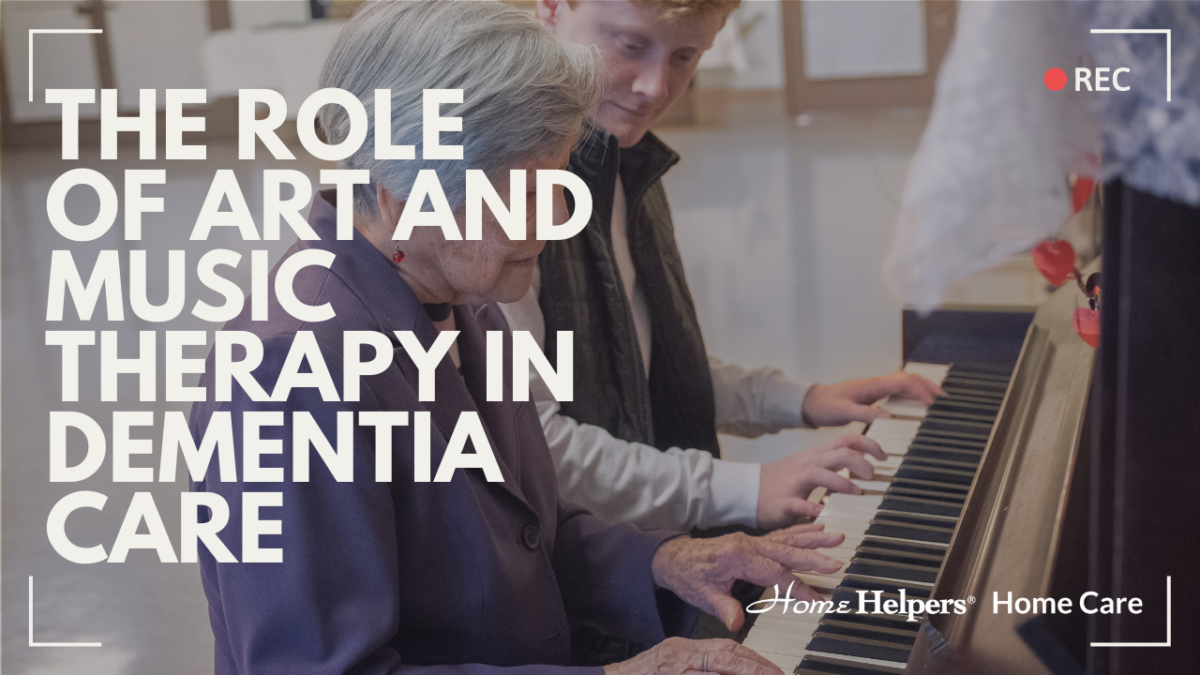
The Role of Art and Music Therapy in Dementia Home Care in Martinsburg, WV

Art and music therapy are powerful tools in dementia home care, offering emotional, cognitive, and social benefits for individuals living with memory-related conditions. For families in Martinsburg caring for a loved one with Alzheimer’s or another form of dementia, these therapies provide a meaningful way to improve quality of life while supporting daily routines.

At Home Helpers Home Care of Martinsburg, we believe in blending creativity with compassionate care to help seniors live with dignity, joy, and purpose at home.

1. Emotional Expression and Well-Being

Many seniors with dementia struggle to express their feelings verbally. Art and music offer safe and familiar outlets for emotions. Whether it’s painting a simple picture or listening to a favorite gospel song from years past, these moments help reduce stress and promote emotional healing.

2. Cognitive Stimulation

Creative expression keeps the brain engaged. Activities like drawing, playing music, or even singing along to familiar tunes can boost memory, attention, and focus. This kind of cognitive stimulation is a key element of effective in-home dementia care in Martinsburg.

3. Enhancing Communication

Music and art provide new ways for seniors to connect with others. Music, especially, can spark memories and even bring back speech in some individuals. For those who are non-verbal, painting or coloring can say more than words ever could.

4. Promoting Social Interaction

Art and music sessions—whether one-on-one or in a group—help seniors feel connected and seen. Our caregivers often engage clients in shared creative activities, creating opportunities for laughter, storytelling, and meaningful connection right at home.

5. Boosting Mood and Reducing Agitation

Dementia-related behaviors like restlessness or aggression can be managed through soothing activities. Singing along to old favorites or focusing on a painting project can calm the nervous system and shift energy in a positive direction.

6. Providing a Sense of Accomplishment

Every completed painting or hummed melody is a win. These experiences remind seniors of what they can do—boosting self-esteem and giving them a reason to smile. Small successes in creative therapy often lead to improved confidence in other areas of daily life.

Practical Ways to Use Art & Music in Daily Care

  • Art Projects: Try watercolors, coloring books, or seasonal crafts—no artistic skill required.
  • Personal Playlists: Create custom song lists with familiar music from the senior’s past.
  • Instrument Time: Even simple items like tambourines or bells can be fun and engaging.
  • Family Involvement: Invite grandchildren or friends to join in creative sessions.
  • Virtual Tools: Use tablets or smart speakers to access music and guided art activities.

How Home Helpers Home Care of Martinsburg Supports Dementia Care at Home

We offer non-medical dementia home care that prioritizes dignity, engagement, and emotional well-being. Our caregivers are trained to use art and music as part of a holistic care approach for seniors in Martinsburg and the surrounding area.

Our services include:

  • Facilitated Art & Music Activities
  • One-on-One Companion Care
  • Care Plan Collaboration with Therapists
  • Personalized Dementia Care Plans

We serve clients throughout Martinsburg, Inwood, and neighboring communities—helping families feel supported every step of the way.

Conclusion

Art and music therapy can transform daily care for seniors with dementia. If you’re looking for compassionate, creative in-home dementia care in Martinsburg, Home Helpers Home Care is here to help.

To learn more, visit our website or call our local office today.


Sources:

  1. Alzheimer’s Association. (2023). Art and Music Therapy. www.alz.org
  2. American Music Therapy Association. (2023). Music Therapy and Dementia. www.musictherapy.org
  3. National Institute on Aging. (2023). Creative Arts and Aging. www.nia.nih.gov

The Benefits of Exercise for Seniors with Progressive Diseases in Martinsburg, WV

Exercise is essential for maintaining physical health, enhancing mood, and improving overall quality of life—especially for seniors in Martinsburg living with progressive diseases like dementia, Parkinson’s, and multiple sclerosis. Regular physical activity can help manage symptoms, increase strength and mobility, and support mental well-being. Here’s how exercise benefits seniors with progressive diseases and some tips for incorporating it into a daily routine.

1. Improving Physical Health

Regular exercise helps seniors maintain cardiovascular health, build muscle strength, and improve flexibility. Whether enjoying a walk through War Memorial Park or participating in light resistance training at home, staying active can help control weight, reduce the risk of chronic conditions, and increase overall stamina.

2. Enhancing Mobility and Balance

Preventing falls is key to maintaining independence. Activities such as walking, tai chi, and balance exercises improve coordination and strengthen muscles and joints—crucial for safely aging in place.

3. Managing Symptoms of Disease

For seniors with progressive diseases, exercise can play a critical role in symptom management:

  • Dementia: Can support cognitive function and slow cognitive decline.
  • Parkinson’s Disease: May reduce tremors, improve gait, and enhance motor skills.
  • Multiple Sclerosis: Can ease fatigue, boost strength, and improve mobility.

4. Boosting Mental Health

Exercise supports mental well-being by reducing symptoms of depression and anxiety, lifting mood, and boosting self-esteem. Physical activity releases endorphins—natural mood boosters—and can offer a daily sense of purpose.

5. Promoting Social Interaction

Group exercise classes or walking with a companion are great ways for seniors in Martinsburg to stay socially engaged. These interactions reduce feelings of loneliness and provide much-needed emotional support.

6. Enhancing Cognitive Function

Activities that combine physical movement with mental focus—like yoga, dancing, or gardening—stimulate the brain and help preserve cognitive abilities.


Tips for Incorporating Exercise into a Daily Routine

  • Start Slowly: Begin with low-impact movements.
  • Set Realistic Goals: Achievable goals build momentum.
  • Find Enjoyable Activities: Choose enjoyable options like walking, stretching, or gardening.
  • Incorporate Variety: Alternate between cardio, strength, and flexibility work.
  • Stay Safe: Use proper technique and seek assistance if needed.

How Home Helpers Home Care of Martinsburg Can Support You

At Home Helpers Home Care of Martinsburg, we help seniors stay active and safe with personalized care that meets their unique needs. Our services include:

  • Personalized Exercise Plans
  • Supervised Exercise Sessions
  • Motivation and Encouragement
  • Companionship During Activities

We believe movement supports independence and quality of life—and we’re here to help make that possible.


Conclusion

Exercise provides countless benefits for seniors with progressive diseases, from strengthening the body to uplifting the spirit. If your loved one in Martinsburg could benefit from compassionate care that supports an active lifestyle, Home Helpers Home Care is here for you.

Visit our website or contact our office to learn more about how we can help.

#HomeHelpersMartinsburg #SeniorExerciseSupport #WeAreHomeHelpers


Sources:

  • Alzheimer’s Association. (2023). Exercise and Physical Activity. www.alz.org
  • Parkinson’s Foundation. (2023). Exercise and Parkinson’s. www.parkinson.org

National Institute on Aging. (2023). Exercise and Physical Activity for Older Adults. www.nia.nih.gov

Tips for Managing Finances for Seniors with Dementia in Martinsburg, WV

Caring for a senior with dementia presents numerous challenges, and managing their finances is among the most critical. As cognitive abilities decline, seniors may struggle with tasks like paying bills, managing investments, or avoiding financial scams. Implementing effective financial management strategies is essential to protect their assets and ensure their well-being.

If you have a loved one in Martinsburg, WV, or the surrounding areas, there are local resources available to help navigate financial planning and legal considerations specific to seniors with dementia.

1. Start the Conversation Early

As soon as a dementia diagnosis is confirmed, it’s important to discuss financial planning. West Virginia’s Department of Health and Human Resources (DHHR) provides elder support services, including financial and legal planning resources. Encouraging seniors to share their financial information early can help prevent crises down the line.

Local Tip: Martinsburg families can connect with the Berkeley County Senior Center for workshops on financial and long-term care planning.

Berkeley Senior Services
217 N High St, Martinsburg, WV 25404
Website | Phone: (304) 263-8873

2. Organize Financial Documents

Gather important documents, such as:

  • Bank statements
  • Investment records
  • Insurance policies
  • Wills and power of attorney (POA) documents

Keep these documents in a secure location where a trusted family member or caregiver can access them if needed. For families in Martinsburg, consider consulting a local elder law attorney to ensure all paperwork is legally sound.

Local Resources:
Sardelis & Bowditch, PLLC – Estate Planning & Elder Law Attorneys
126 E Burke St, Martinsburg, WV 25401 | Phone: (304) 263-0091

West Virginia Senior Legal Aid – Provides free legal services for eligible seniors
wvseniors.org | Phone: 1-800-229-5068

3. Establish Legal Authority with a Durable Power of Attorney (DPOA)

A DPOA allows a trusted individual to manage the senior’s finances once they are no longer able to do so. Without this, family members may face legal barriers when trying to pay bills or access accounts.

Local Tip: West Virginia law requires POA documents to be notarized. You can visit Berkeley County Clerk’s Office for notarization.

Berkeley County Clerk’s Office
100 W King St, Martinsburg, WV 25401 | Phone: (304) 264-1927

4. Simplify Banking & Protect Against Scams

Many seniors with dementia become prime targets for financial scams, including fraudulent phone calls and deceptive mail solicitations. Berkeley County’s Sheriff’s Department offers community programs to help prevent elder fraud.

Steps to Take:

  • Set up automatic bill payments to prevent missed payments
  • Enroll in West Virginia’s Do Not Call Registry to reduce telemarketing scams
  • Add a trusted family member as a co-signer on accounts (if appropriate)

Local Resource:
Berkeley County Sheriff’s Office – Financial Fraud & Elder Protection
510 S Raleigh St, Martinsburg, WV 25401 | Phone: (304) 267-7000

5. Plan for Long-Term Care Costs in West Virginia

As dementia progresses, professional in-home care or assisted living may become necessary. The cost of long-term care can be significant, but West Virginia offers Medicaid waiver programs for seniors.

Options for Financial Assistance:

  • WV Medicaid Aged & Disabled Waiver – Helps cover in-home care for eligible seniors
  • Veterans Aid & Attendance Benefits – Available for wartime veterans needing assistance with daily activities (We can screen you for that.)

For personalized guidance, Martinsburg families can visit:

WV Bureau of Senior Services – Martinsburg Office
2000 Foundation Way, Martinsburg, WV 25401 | Phone: (304) 264-7131

6. Work With Local Financial & Legal Experts

Consulting a local financial planner or elder law attorney can ensure that your loved one’s assets are protected and that long-term care is financially manageable.

Trusted Financial & Legal Experts in Martinsburg

Equitable Advisors – Martinsburg Office
2279 Winchester Ave, Martinsburg, WV 25405
Phone: (681) 260-2958
Website

West Virginia Legal Aid – Martinsburg Office
209 W King St, Martinsburg, WV 25401 | Phone: (866) 255-4370

7. Keep Communication Open & Reevaluate Plans

Regular family meetings ensure everyone remains informed about financial decisions. As dementia progresses, financial strategies may need to be adjusted.

Local Tip: Attend caregiver support groups at Hospice of the Panhandle or Alzheimer’s Association WV Chapter for financial planning insights.

Hospice of the Panhandle – Martinsburg Office
330 Hospice Ln, Kearneysville, WV 25430 | Phone: (304) 264-0406

Alzheimer’s Association – WV Chapter
alz.org/wv | Phone: (304) 343-2717

Final Thoughts

Managing finances for a senior with dementia in Martinsburg, WV, requires early planning, strong legal protections, and trusted local resources. With the right support, families can navigate financial decisions while ensuring their loved one’s well-being.

Have Questions? Contact Home Helpers Home Care of Martinsburg at (304) 433-8000 to discuss financial planning for dementia care.

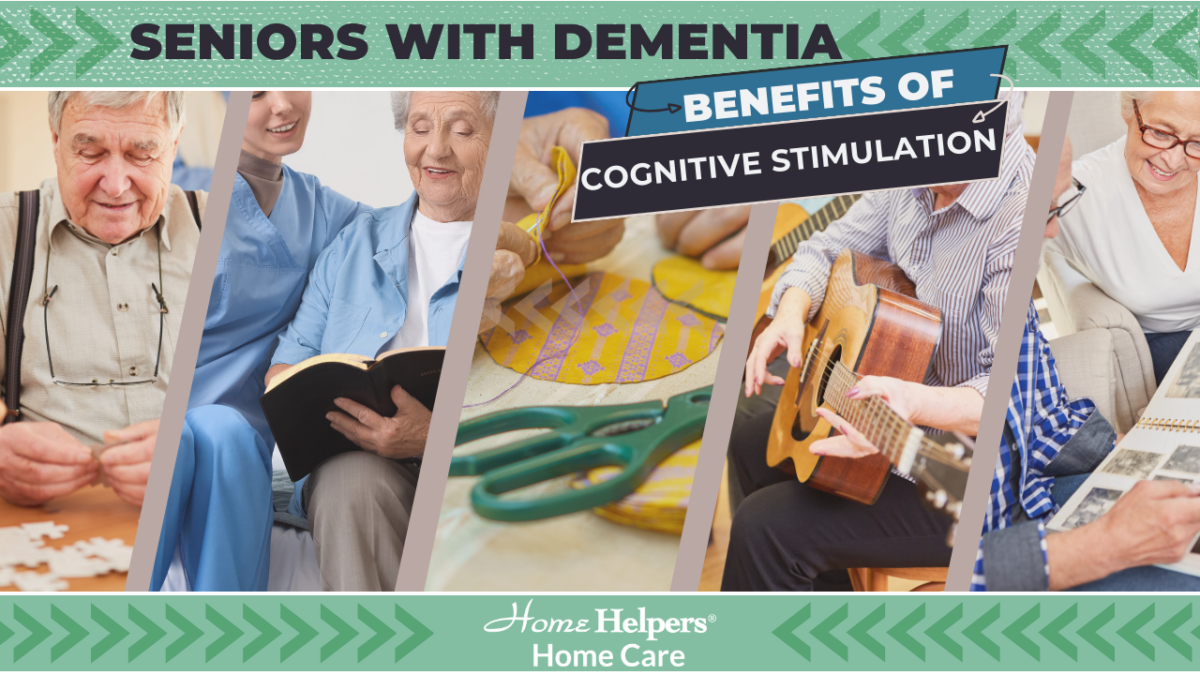
The Benefits of Cognitive Stimulation for Seniors with Dementia in Martinsburg, WV

Cognitive stimulation involves engaging activities that challenge the brain, promote mental agility, and improve overall cognitive function. For seniors with dementia, cognitive stimulation can play a significant role in slowing cognitive decline, enhancing quality of life, and providing emotional and social benefits. Here’s an in-depth look at the benefits of cognitive stimulation for seniors with dementia and some practical ways to incorporate it into daily care in Martinsburg, WV.

1. Slowing Cognitive Decline

Engaging in cognitive stimulation activities can help slow the progression of cognitive decline in seniors with dementia. Regular mental exercise keeps the brain active and can help preserve cognitive functions such as memory, attention, and problem-solving skills. Activities such as puzzles, reading, and memory games are effective in maintaining mental sharpness.

2. Enhancing Memory

Memory loss is a common symptom of dementia. Cognitive stimulation can help improve memory retention and recall. Activities like reminiscing about past events, looking at old photographs, or engaging in memory exercises can strengthen neural connections and support better memory function.

3. Improving Mood and Emotional Well-Being

Cognitive stimulation can have positive effects on mood and emotional well-being. Engaging in enjoyable activities can reduce feelings of depression and anxiety, promote a sense of accomplishment, and boost self-esteem. This emotional uplift can significantly enhance the quality of life for seniors with dementia.

4. Promoting Social Interaction

Many cognitive stimulation activities involve social interaction, which is beneficial for emotional health and reducing feelings of isolation. Group activities, such as games, music therapy, or arts and crafts, provide opportunities for social engagement and foster a sense of community and belonging. In Martinsburg, local senior centers and community groups offer events that provide opportunities for seniors to stay engaged.

5. Enhancing Communication Skills

Dementia can affect language and communication skills. Cognitive stimulation activities that involve verbal interaction, such as storytelling, conversation groups, or singing, can help maintain and improve communication abilities. These activities encourage the use of language and can make it easier for seniors to express themselves.

6. Maintaining Independence

Cognitive stimulation helps seniors maintain their cognitive abilities, which can contribute to greater independence. By engaging in activities that challenge their thinking and problem-solving skills, seniors can improve their ability to perform daily tasks and make decisions, promoting a sense of autonomy and control.

7. Providing Routine and Structure

Incorporating cognitive stimulation into daily routines can provide structure and predictability, which are important for individuals with dementia. A consistent schedule of activities can reduce anxiety and agitation by creating a sense of normalcy and stability.

Practical Ways to Incorporate Cognitive Stimulation in Martinsburg

Here are some practical ways to incorporate cognitive stimulation into the daily care of seniors with dementia in the Martinsburg area:

  • Puzzles and Games: Provide puzzles, crosswords, Sudoku, and board games that challenge the mind and encourage problem-solving.
  • Reading and Writing: Encourage reading books, newspapers, or magazines and writing letters, journals, or stories. The Martinsburg Public Library offers a great selection of reading materials for seniors.
  • Arts and Crafts: Engage in creative activities such as painting, drawing, knitting, or crafting, which stimulate the brain and enhance fine motor skills. Local art centers may have programs tailored for seniors.
  • Music and Singing: Use music therapy to engage seniors in singing, playing instruments, or listening to their favorite songs. Many Martinsburg churches and senior centers host music events.
  • Reminiscence Therapy: Use photographs, videos, or memorabilia to trigger memories and encourage discussions about the past. The Berkeley County Museum offers historical exhibits that can help stimulate memory recall.
  • Educational Programs: Enroll in educational classes or workshops that cover topics of interest and provide mental stimulation. The Martinsburg Senior Center frequently hosts such events.
  • Physical Activities: Combine physical exercise with cognitive challenges, such as dance classes, yoga, or tai chi, which benefit both the body and mind. Look into fitness programs for seniors at the Martinsburg-Berkeley County Parks & Recreation facilities.

How Home Helpers Home Care Can Support You in Martinsburg

Home Helpers Home Care provides comprehensive support for incorporating cognitive stimulation into the care of seniors with dementia. Our services in Martinsburg include:

  • Personalized Activity Plans: Developing tailored cognitive stimulation plans based on individual interests and abilities.
  • Engagement and Interaction: Facilitating activities that promote mental engagement and social interaction.
  • Companionship: Providing emotional support and companionship to enhance overall well-being.
  • Monitoring and Adaptation: Regularly assessing and adjusting activities to meet changing needs and preferences.

Our goal is to enhance the quality of life for seniors with dementia through personalized and effective cognitive stimulation.

Conclusion

Cognitive stimulation offers numerous benefits for seniors with dementia, from slowing cognitive decline to improving mood and promoting social interaction. Home Helpers Home Care is dedicated to providing personalized support to help seniors in Martinsburg engage in meaningful activities that enhance their cognitive health and overall quality of life.

For more information on how Home Helpers Home Care can support your family in Martinsburg, visit our website or contact us directly.

#HomeHelpersHomeCare #WeAreHomeHelpers #MartinsburgWV

Sources: Alzheimer’s Association. (2023). Cognitive Stimulation Therapy. Retrieved from www.alz.org 

National Institute on Aging. (2023). Cognitive Health and Older Adults. Retrieved from www.nia.nih.gov 

Mayo Clinic. (2023). Dementia: Treatment and Care. Retrieved from www.mayoclinic.org

The Role of Family in Home Care: A Pillar of Support in Martinsburg, WV

The Heart of Home Care

Caring for a loved one is one of the most significant responsibilities a family can take on. In Martinsburg and the Eastern Panhandle, families are the backbone of home care, providing not just physical assistance but also emotional and social support. However, family caregiving can be overwhelming without the right resources. Professional home care bridges the gap, offering skilled caregivers who work alongside families to provide compassionate, personalized support.

How Family Enhances Home Care

  1. Emotional & Social Connection
    Seniors who maintain strong family ties experience lower stress and reduced feelings of loneliness (National Institute on Aging, 2023). Simple activities like reminiscing, sharing meals, or engaging in hobbies help improve their emotional well-being.
  2. Personalized Advocacy & Coordination
    Family members understand their loved one’s preferences best. Whether it’s ensuring care routines align with their habits or communicating with doctors and caregivers, family input is crucial in crafting a holistic care plan.
  3. Health Monitoring & Safety
    Families often notice subtle health changes before they become serious issues. By working with professional caregivers, they can ensure early intervention and preventative care, reducing the risk of hospitalization.

How Home Helpers of Martinsburg Supports Families

At Home Helpers Home Care of Martinsburg, we understand that caregiving is a shared journey. Our team provides:
Respite care for family caregivers who need a break
Personal care assistance for daily activities
Specialized support for dementia and chronic conditions

📞 Call (304) 433-8000 today to schedule a free consultation and see how we can support your family.

Sources:

How to Create a Calming Environment for Dementia Patients in Martinsburg, WV

Caring for a loved one with dementia comes with unique challenges, but creating a calming environment can significantly improve their quality of life. In Martinsburg, WV, where many families care for aging loved ones, the right surroundings can reduce anxiety, prevent agitation, and promote a sense of safety and comfort. Whether at home or in a caregiving setting, simple yet effective changes can make a world of difference.

1. Maintain a Consistent Routine

Dementia can cause confusion and disorientation, making structured routines crucial. A predictable schedule for meals, activities, and rest helps your loved one feel secure. Local senior centers, such as the Berkeley Senior Services, offer structured activities that may help supplement at-home routines. Consistent routines also provide caregivers with a sense of structure and predictability, making caregiving less stressful.

2. Reduce Noise and Distractions

Excessive noise can be overwhelming for someone with dementia. In Martinsburg, quiet parks like War Memorial Park provide a peaceful setting for walks. Creating quiet spaces at home by designating a cozy, clutter-free area with soft furnishings and minimal background noise can help. Avoiding sudden loud sounds, such as television commercials or barking dogs, can also minimize confusion. Research suggests that calming music, particularly classical or nature sounds, can improve mood and reduce agitation in dementia patients. Soft instrumental music played in the background can have a positive impact on relaxation.

3. Optimize Lighting

Lighting plays a vital role in mood regulation and cognitive function. Natural light exposure during the day helps regulate the sleep-wake cycle, reducing the likelihood of sundowning—a state of confusion and agitation that often occurs in the evening. In Martinsburg, ensuring your loved one has access to natural light through walks or outings can be beneficial. At home, keep curtains open during the day and use soft, warm-toned LED lighting in the evening to create a soothing atmosphere. Motion-activated nightlights can also prevent nighttime disorientation and reduce the risk of falls.

4. Use Calming Colors and Familiar Objects

Decorating with familiar objects, such as family photos, cherished keepsakes, and personal mementos, can provide comfort and evoke positive memories. Local artisans and craft stores in Martinsburg offer memory books and custom keepsakes to help preserve personal history. Colors also play an important role in creating a calming space—soft blues, greens, and earth tones can promote relaxation. Avoid using patterns that may be visually confusing or overstimulating.

5. Incorporate Sensory Stimulation

Sensory activities such as aromatherapy and music therapy can be beneficial. The Martinsburg Public Library offers audiobooks and calming sound collections that can provide cognitive stimulation. Aromatherapy using lavender, chamomile, or vanilla can help reduce stress and anxiety in dementia patients. Tactile stimulation, such as using soft blankets, weighted lap pads, or stress-relief fidget items, can also be soothing and provide a sense of comfort.

6. Ensure Safety and Comfort

Creating a dementia-friendly environment also means minimizing hazards. Martinsburg has home safety specialists and local home modification programs that can help make your home safer for a loved one with dementia. Removing tripping hazards like loose rugs, ensuring furniture is arranged with clear walking paths, and installing grab bars in key areas can improve mobility and safety. Keeping frequently used items in easily accessible places can help dementia patients maintain their independence.


Sources

A Final Word: You’re Not Alone

Caring for a loved one with dementia can feel overwhelming, but small changes to their environment can have a profound impact. Home Helpers Home Care of Martinsburg is here to help. Our professional caregivers are trained to provide compassionate, in-home support to ensure your loved one remains safe and comfortable. Whether you need respite care, personal care assistance, or companionship services, we’re here to assist. Contact us today to learn how we can support your family with personalized in-home care services.

The Importance of Routine in Dementia Care

For individuals with dementia, routines can provide a sense of stability, security, and predictability. Establishing and maintaining a consistent daily routine can help manage symptoms, reduce anxiety, and improve the overall quality of life. Here’s why routines are essential in dementia care and how you can create an effective routine for your loved one.

1. Reduces Anxiety and Confusion

Dementia can cause confusion and disorientation, leading to anxiety and agitation. A consistent routine helps reduce these feelings by providing a predictable structure. Knowing what to expect throughout the day can give individuals with dementia a sense of control and security.

2. Supports Cognitive Function

Engaging in regular activities can help stimulate cognitive function and maintain mental engagement. Routines that include cognitive activities such as puzzles, reading, or memory games can help slow cognitive decline and keep the mind active.

3. Improves Sleep Patterns

A consistent daily routine can help regulate sleep patterns, which are often disrupted in individuals with dementia. Regular wake-up and bedtimes, along with scheduled activities, can promote better sleep and reduce nighttime wakefulness.

4. Enhances Independence

Routines can help individuals with dementia maintain their independence by providing a structured framework for daily tasks. When activities such as dressing, eating, and bathing are done at the same time each day, individuals are more likely to remember how to perform these tasks and feel more capable.

5. Facilitates Better Health Management

A routine that includes regular meals, medications, and physical activities can support overall health and well-being. Scheduled medication times ensure that medications are taken consistently, while regular meals and exercise promote physical health.

6. Encourages Social Interaction

Incorporating social activities into the daily routine can help reduce feelings of isolation and loneliness. Scheduled visits from family and friends, participation in group activities, or outings can provide meaningful social interaction and emotional support.

How to Establish a Routine

Creating a routine for your loved one with dementia involves several steps:

  1. Assess Daily Needs and Preferences: Understand the individual’s preferences, strengths, and needs. This includes their peak times of alertness and energy, favorite activities, and necessary tasks.
  2. Create a Structured Schedule: Develop a daily schedule that includes regular times for waking up, meals, personal care, activities, and bedtime. Consistency is key, so try to keep the same schedule every day.
  3. Incorporate Meaningful Activities: Include activities that the individual enjoys and finds meaningful. This could be hobbies, physical exercise, social interactions, or cognitive exercises.
  4. Be Flexible and Adjust as Needed: While consistency is important, it’s also crucial to be flexible. Adjust the routine as needed based on the individual’s changing needs and preferences. Monitor how they respond to the routine and make changes to improve their comfort and engagement.
  5. Involve the Individual: Whenever possible, involve your loved one in creating the routine. Their input can help ensure that the routine is engaging and respectful of their preferences.

How Home Helpers Home Care Can Support You

Home Helpers Home Care can assist in establishing and maintaining a routine for your loved one with dementia. Our caregivers are trained to provide structured and consistent care, including:

  • Daily Activities: Assisting with personal care, meals, and daily tasks.
  • Cognitive Stimulation: Engaging in memory-enhancing activities and exercises.
  • Social Interaction: Providing companionship and facilitating social activities.
  • Health Management: Ensuring regular medication intake and promoting physical health through exercise.

Our goal is to create a supportive and structured environment that enhances the well-being of your loved one with dementia.

Conclusion

Establishing a consistent routine is crucial in dementia care, providing stability, reducing anxiety, and supporting cognitive function. Home Helpers Home Care is dedicated to offering compassionate and professional support to help create and maintain effective routines for individuals with dementia.

For more information on how Home Helpers Home Care can support your family, visit our website or contact us directly.

#HomeHelpersHomeCare #WeAreHomeHelpers


Sources:

  1. Alzheimer’s Association. (2023). Daily Care Plan. Retrieved from www.alz.org
  2. National Institute on Aging. (2023). Alzheimer’s Caregiving: How to Create a Daily Care Plan. Retrieved from www.nia.nih.gov
  3. Mayo Clinic. (2023). Alzheimer’s Caregiving: Creating a Safe and Comfortable Environment. Retrieved from www.mayoclinic.org

How to Incorporate Physical Activity into Daily Routine for Seniors in Martinsburg

How to Incorporate Physical Activity into Daily Routine for Seniors in Martinsburg

Maintaining heart health is essential for seniors, and staying active is one of the best ways to support cardiovascular function. Regular movement helps lower blood pressure, improve circulation, and strengthen the heart. For seniors in Martinsburg, there are plenty of ways to add physical activity into daily routines—no gym membership required!

Simple Ways to Stay Active and Keep Your Heart Healthy

  1. Start the Day with Gentle Stretches – Morning stretches improve flexibility and get blood flowing. Simple movements like shoulder rolls and seated leg lifts can ease stiffness and prepare the body for the day.
  2. Take a Walk at War Memorial Park – Walking is one of the best low-impact exercises for heart health. A daily stroll around Martinsburg’s War Memorial Park provides fresh air, light cardio, and a scenic environment.
  3. Engage in Chair Exercises – Seated exercises can strengthen muscles and improve circulation without strain for those with mobility concerns. Chair yoga and resistance band workouts are great options.
  4. Household Activities Count! – Gardening, light cleaning, and even cooking involve movement. These tasks keep seniors active while providing a sense of accomplishment.
  5. Join a Local Senior Fitness Class – The Berkeley 2000 Recreation Center offers fitness programs tailored for seniors, including water aerobics and strength training. Staying socially engaged while exercising has added benefits for overall well-being.

Stay Active with the Right Support

At Home Helpers of Martinsburg, we encourage seniors to maintain an active lifestyle that supports heart health. Our caregivers can assist with safe movement, encourage participation in activities, and provide companionship along the way. Let’s keep hearts strong together!

The Benefits of Respite Care for Family Caregivers

Caring for a loved one with a progressive disease can be both rewarding and demanding. Family caregivers often face physical, emotional, and mental challenges while providing continuous care. Respite care offers temporary relief, allowing caregivers to take a much-needed break. Here are the benefits of respite care for family caregivers and how it can enhance their well-being.

1. Relieves Caregiver Stress and Burnout

Continuous caregiving can lead to high levels of stress and burnout. Respite care provides caregivers with time to rest and recharge, reducing stress and preventing burnout. A break from caregiving duties can improve mental and emotional well-being, making caregivers more effective in their roles.

2. Improves Physical Health

Caregiving can take a toll on physical health, leading to fatigue, sleep disturbances, and chronic health issues. Respite care allows caregivers to focus on their own health, engage in physical activities, and get adequate rest. Taking care of one’s own health is essential for sustaining the ability to provide quality care.

3. Enhances Emotional Well-Being

Caring for a loved one with a progressive disease can be emotionally draining. Respite care offers caregivers the opportunity to engage in activities they enjoy, spend time with friends and family, and participate in social events. These activities can boost emotional well-being and reduce feelings of isolation and depression.

4. Provides Time for Self-Care

Self-care is crucial for maintaining overall well-being. Respite care gives caregivers the chance to indulge in self-care activities such as reading, hobbies, exercise, or simply relaxing. Prioritizing self-care can improve mood, increase energy levels, and enhance the quality of caregiving.

5. Strengthens Family Relationships

Respite care allows caregivers to spend quality time with other family members, strengthening relationships and creating positive experiences. This time can help maintain a healthy family dynamic and provide emotional support to the caregiver.

6. Offers a Fresh Perspective

Taking a break from caregiving duties can provide caregivers with a fresh perspective on their role and responsibilities. It allows them to return to their duties with renewed energy and a clearer mind, enhancing their ability to provide effective care.

7. Ensures Continuity of Care

Professional respite care services ensure that the loved one continues to receive high-quality care while the primary caregiver takes a break. Trained caregivers can provide personalized care, ensuring the individual’s needs are met and offering peace of mind to the family caregiver.

8. Facilitates Personal Growth and Learning

Respite care provides caregivers with time to pursue personal growth and learning opportunities. This can include taking courses, attending workshops, or engaging in activities that foster personal development. Continuous learning can enhance caregiving skills and improve overall well-being.

9. Promotes Social Interaction

Caregiving can be isolating, limiting social interactions and support. Respite care allows caregivers to reconnect with friends, join support groups, and participate in social activities. Building a support network can provide emotional strength and reduce feelings of loneliness.

How Home Helpers Home Care Can Support You

Home Helpers Home Care offers professional respite care services to support family caregivers. Our services include:

  • Temporary Relief: Providing short-term care to allow caregivers to take breaks.
  • Personalized Care Plans: Ensuring continuity of care tailored to the individual’s needs.
  • Emotional Support: Offering companionship and emotional support to both the caregiver and the loved one.
  • Professional Caregivers: Trained caregivers who provide high-quality care and ensure the well-being of the loved one.

Our goal is to support family caregivers by providing respite care that enhances their well-being and ensures the best possible care for their loved ones.

Conclusion

Respite care is a vital resource for family caregivers, offering numerous benefits that improve physical health, emotional well-being, and the quality of caregiving. Home Helpers Home Care is dedicated to providing comprehensive respite care services, ensuring that both caregivers and their loved ones receive the support they need.

For more information on how Home Helpers Home Care can support your family, visit our website or contact us directly.

#HomeHelpersHomeCare #WeAreHomeHelpers


Sources:

  1. Alzheimer’s Association. (2023). Respite Care. Retrieved from www.alz.org
  2. National Institute on Aging. (2023). Taking Care of Yourself: Tips for Caregivers. Retrieved from www.nia.nih.gov
  3. Mayo Clinic. (2023). Respite Care: How to Get a Break When You Are Caring for a Loved One. Retrieved from www.mayoclinic.org

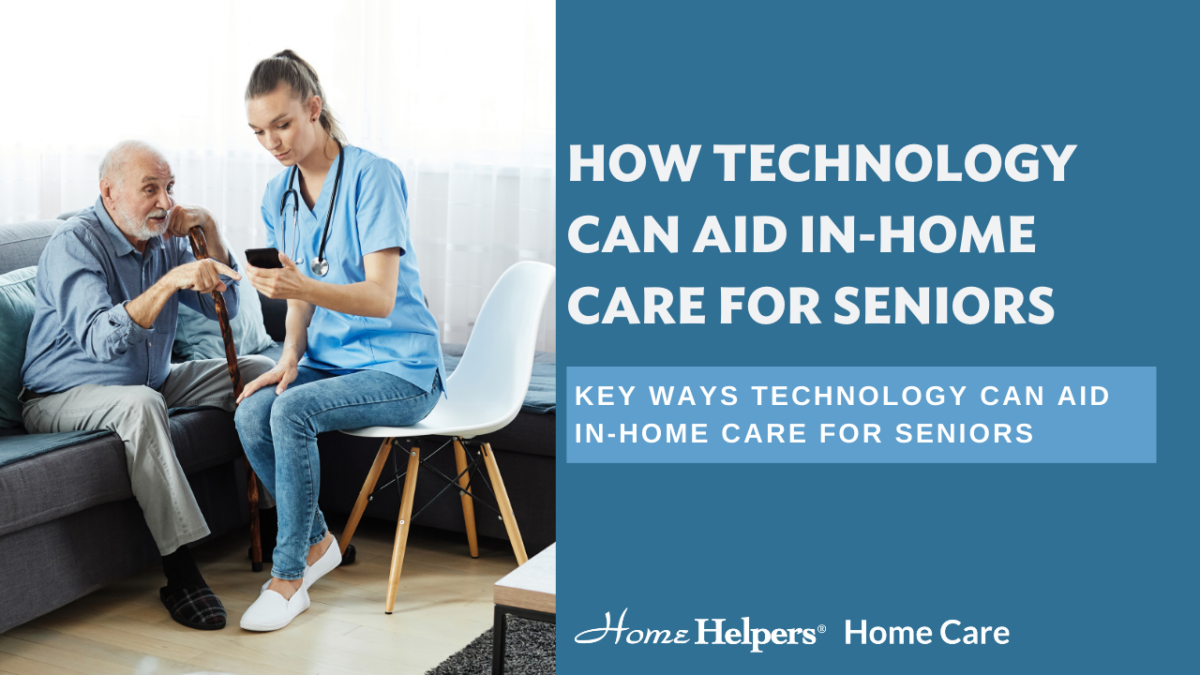
How Technology Can Aid In-Home Care for Seniors

Advancements in technology are transforming the landscape of in-home care for seniors, providing innovative solutions to enhance safety, independence, and quality of life. From remote monitoring to smart home devices, technology offers numerous benefits for both seniors and their caregivers. Here are some key ways technology can aid in-home care for seniors.

1. Remote Monitoring Systems

Remote monitoring systems allow caregivers to keep an eye on seniors from a distance, providing peace of mind and ensuring safety. These systems can include:

  • Wearable Devices: Such as smartwatches or pendants that track vital signs, detect falls, and send alerts to caregivers.
  • In-Home Sensors: Placed around the home to monitor movement, detect unusual activity, and alert caregivers if something seems amiss.
  • Video Monitoring: Cameras installed in common areas to allow caregivers to check in visually and ensure the senior’s well-being.

2. Telehealth Services

Telehealth services enable seniors to consult with healthcare providers remotely, reducing the need for travel and making healthcare more accessible. Benefits include:

  • Virtual Doctor Visits: Allowing seniors to speak with their doctors via video calls for regular check-ups, consultations, and follow-up appointments.
  • Remote Medication Management: Tools that help seniors manage their medications, receive reminders, and ensure they take the right dosages.

3. Medication Management Systems

Technology can assist with medication management, ensuring seniors take their medications correctly and on time. Solutions include:

  • Automated Pill Dispensers: Devices that dispense the correct dosage at the scheduled time, with alerts to remind seniors to take their medications.
  • Mobile Apps: Applications that provide medication reminders, track adherence, and send alerts to caregivers if a dose is missed.

4. Smart Home Devices

Smart home devices can enhance the safety and convenience of living at home for seniors. Examples include:

  • Smart Lights: Motion-activated lights that improve visibility and reduce the risk of falls.
  • Smart Thermostats: Devices that automatically adjust the temperature to maintain comfort and energy efficiency.
  • Voice Assistants: Virtual assistants like Amazon Alexa or Google Home that can set reminders, control smart home devices, and provide companionship.

5. Emergency Response Systems

Emergency response systems provide immediate assistance in case of an emergency. These systems include:

  • Personal Emergency Response Systems (PERS): Wearable devices with a button that seniors can press to call for help.
  • Mobile GPS Trackers: Devices that allow caregivers to locate seniors in case they wander or get lost.

6. Cognitive Training Apps

Cognitive training apps and games can help seniors keep their minds active and engaged. These tools offer:

  • Brain Games: Activities designed to improve memory, attention, and problem-solving skills.
  • Learning Platforms: Programs that provide educational content and courses to stimulate cognitive function.

7. Social Connection Tools

Maintaining social connections is essential for seniors’ mental and emotional well-being. Technology can help seniors stay connected with family and friends through:

  • Video Calling Apps: Platforms like Zoom, Skype, and FaceTime that allow for face-to-face communication.
  • Social Media: Websites and apps that help seniors stay in touch with loved ones and join online communities.

How Home Helpers Home Care Can Support You

Home Helpers Home Care embraces the use of technology to enhance the care we provide. Our caregivers are trained to utilize these technologies to ensure the safety, health, and well-being of seniors. Services include:

  • Technology Integration: Assisting with the setup and use of remote monitoring systems, telehealth services, and smart home devices.
  • Medication Management: Using technology to ensure seniors take their medications correctly and on time.
  • Emergency Preparedness: Implementing emergency response systems and training seniors on how to use them.
  • Cognitive and Social Engagement: Incorporating cognitive training apps and social connection tools into the daily routine.

Our goal is to leverage technology to provide the highest standard of care and support for your loved one.

Conclusion

Technology offers a wealth of opportunities to enhance in-home care for seniors, providing tools to improve safety, health management, and social connections. Home Helpers Home Care is dedicated to integrating these technologies into our caregiving services to ensure your loved one receives comprehensive and compassionate care.

For more information on how Home Helpers Home Care can support your family with the latest technology, visit our website or contact us directly.

#HomeHelpersHomeCare #WeAreHomeHelpers


Sources:

  1. National Institute on Aging. (2023). Technology to Support Aging in Place. Retrieved from www.nia.nih.gov
  2. AARP. (2023). Best Tech Products for Seniors Aging in Place. Retrieved from www.aarp.org
  3. Mayo Clinic. (2023). Technology and Older Adults. Retrieved from www.mayoclinic.org

© Copyright 2026 H. H. Franchising Systems, Inc, All Rights Reserved.