

How to Find a Home Care Helper for Your Aging Parent

Three caregivers

The key to choosing the ideal home care agency is knowing the amount of care needed by your mother or father. There are primarily two categories of in-home care: custodial care and professional care. Custodial care includes help with shopping, housekeeping, preparing meals, and also personal care like dressing, feeding and bathing. Skilled care, on the other hand, attends to the medical requirements of the senior. Some companies provide only one type of care while others have both choices.

Listed below are some pointers for selecting a home care agency for your loved one:

You really need to thoroughly evaluate what type of assistance is needed by your mother or father when it comes to their health care, household care and personal care. Do they need aid with home health care like supervising their medications or physical therapy?

  • Write a job summarization. After you have analyzed your loved one’s demands, it’s time to write a job description that will help you recognize the most suitable choices for the job. If you’re going to an elder care agency, the job description will also help them in choosing the right caregiver for your mother or father.
  • Have a job contract. Your in home care company should be able to draft a contract but it’s very important to make sure all the important details are included.
  • Try to find prospective elder care professionals. You can ask around– good friends, acquaintances or perhaps the people you work with– may be able to direct you to a few really good companies or they may know of a caregiver personally. You can also examine online for credible agencies. On a related tone, if your senior loved one calls for specific care, such as if they are dealing with dementia or Alzheimer’s disease, you should also ensure that the caregivers you are taking into consideration have the appropriate training and experience in dealing with patients who have these health issues.
  • Get ready for the meeting. Once you have selected an agency that utilizes home health aides, it’s time to get ready for the consultation. You need to have a list of questions to ask, not only the caregivers but also the agency itself. Ask how long they have been in the industry, if their caregivers are bonded, if they are licensed, and what kind of training the home care service providers have undergone. Pick an agency that is very helpful in answering your questions. Avoid those who seem too busy to answer your questions in addition to those that do not offer competent answers.

When talking to the caregiver applicants, always make it a point to observe their demeanor and temperament. Invite a family member to take part the interview so you can get a second opinion. Ideally, you also should observe the interaction and communications between the caregiver and the loved one who is requiring elderly care.

A lot of agency workers seem good on paper but may not really be qualified to give care to the elder. You need to look past their resumes and you should truly do your best to learn as much about them and their character before you choose who will take care of your aging mom or dad.

  • You should also examine if they have any reports of alcohol or drug use, if they have offenses that present a safety and security risk, and if they have a driver’s license. Find out as much as you can about the company and the caregiver. You want the best potential care for your parent and this begins by giving her or him a caregiver who is knowledgeable and trained to provide the services needed, someone who is thoughtful, understanding and patient, and someone you can trust to look after your parent when you’re not around.

Learn how the caregivers at Home Helpers can help provide the finest possible quality of life at home for your loved one– get in touch with us to schedule your free in-home consultation today.

Home Helpers of Lake Country is a locally-owned, trusted home health care agency and offers quality, compassionate senior in-home care services including home care assistance, personal care, companion care, respite care, Alzheimer’s & dementia care as well as homemaker services in Oconomowoc, Dousman, Beaver Dam, Hartland, Summit, Okauchee, Watertown, Delafield, Wales, Chenequa, Johnson Creek, Lake Mills, Juneau, Ixonia, Nashotah, and Concord.
Categories

Important Questions to Ask Yourself Before Becoming a Caregiver to Aging Parents

Family

If you are considering becoming a caretaker for your aging parents or other family member, there are a few questions you should ask yourself in preparation for this important role. It can be very demanding, but also wonderfully rewarding.

Many of us have parents who have reached the place where they need some extra help with the daily grind. Perhaps they need some assistance with cooking and housekeeping, or maybe they need a higher level of care for a chronic medical condition, but they have made it abundantly clear that they do not want to be placed in a nursing home.

Most seniors want the dignity of remaining as independent as possible for as long as possible. This likely includes aging at home so they can stay in a familiar environment. However, they may come to that place of needing the care and assistance that only a caregiver can provide. This may happen gradually or unexpectedly fast, but either way, it’s good to think through the process of becoming a caregiver to your aging family member.

Becoming a caregiver requires more than just physical assistance. It will often involve advocating by lining up doctor visits, home medical care from skilled nurses, physical therapy, etc. You will be managing medications, meals and overall wellbeing of your loved one. With more baby boomers retiring, the number of Americans caring for aging parents is also increasing. Currently, more than 68 million people in the United States are caregivers for their parents or other loved ones.

So How Do You Know If You’re Ready to Be a Caregiver?

There are some questions you should ask yourself before taking on this role. You’ll need to carefully consider important factors such as your own stamina, availability and even whether you have the right personality to provide ongoing effective care. You also need to make sure you can continue to care for yourself properly while taking on the role of parental caregiver. Being a caregiver for your parents can affect not only your relationship with them, but also other relationships in your life, so ask yourself these questions early to avoid the sudden shock so many people find themselves in when faced with the decision to become a caregiver:

  1. Am I fully able of providing proper care for my aging loved one?
  2. Do I have the support of other family and friends that I will need?
  3. Do I have the required resources to be a caregiver?
  4. Do I can still make time for my family as well as myself?
  5. Can I handle the mental and physical strain of being a caregiver?
  6. Am I a perfectionist or can I accept challenges and struggles?
  7. Am I able to allow for breaks and/or accepting outside help?
  8. Am I financially ready for the costs that come with caregiving?
  9. Do I have the flexibility in my job that will be required when becoming a caregiver?
  10. Can I determine when assisted living or skilled nursing care might be required?

A Few More Tips for Parental Caregivers

There are lots of resources available to help lighten your load as a caregiver. Avail yourself of them! Be sure to have a good support system in place to help you through the difficult times.

If your aging parent is suffering with dementia or Alzheimer’s Disease, it’s especially important that you have lots of support. Both conditions cause our loved one to say and do things they would never have normally done. They lose their filter and can behave in ways that may shock you or even offend you at times. This can be challenging for even the most prepared caregiver, but when it’s your own parents, it can be upsetting. Having support is crucial.

It’s important to remember that you can easily become hurt when you’re sacrificing your own time and freedom to provide care for your aging parents. Aging can sometimes bring the worst out in people and so you will need to give yourself and your parents lots of grace for this journey!

Being a caregiver can be an incredibly rewarding experience when you are properly prepared. If after answering the questions above honestly and you feel you cannot take care of your aging parent, please call Home Helpers, we can help.

Home Helpers of Lake Country is a locally-owned, trusted home health care agency and offers quality, compassionate senior in-home care services including home care assistance, personal care, companion care, respite care, Alzheimer’s & dementia care as well as homemaker services in Oconomowoc, Dousman, Beaver Dam, Hartland, Summit, Okauchee, Watertown, Delafield, Wales, Chenequa, Johnson Creek, Lake Mills, Juneau, Ixonia, Nashotah, and Concord.
Categories

Tips on Communicating with a Loved One with Dementia

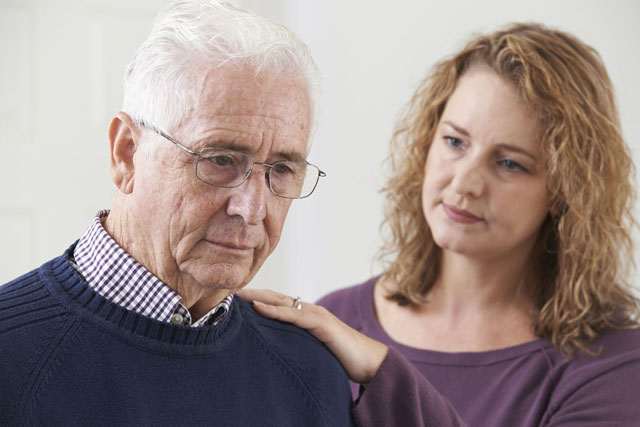
Woman speaking to elderly man

It can be painful, even frightening, to watch the deterioration of the once-bright and active mind of a family member suffering with dementia or Alzheimer’s disease. What can begin as simple forgetfulness can slowly turn into serious and extreme impairment and as it progresses, our loved one’s ability to function independently disappears, as well as certain personality traits that defined that person.

Our usual ways of communicating won’t work anymore. A new understanding of how to communicate must be learned. We know it isn’t easy, so we want to cover some tips that will be helpful in connecting with your elderly loved one.

It’s sad that dementia can cause a person to go about their lives as mere shadows of who he or she used to be. But please know this does NOT mean the person with dementia is just an empty shell. Far from it! It’s just that the “shell” has difficulty opening, and on some days, the shell might stay closed altogether. But just like the old, tightly closed oyster shell, inside is a precious treasure – the pearl! It’s that pearl we need to remember and be patient with that stubborn outward shell

When you learn how to gently get that shell open, you’ll have meaningful communication with your precious family member who is afflicted with dementia, however brief that window of opportunity may be. It takes certain tools to shuck an oyster, and even some skill. The same principle applies in connecting on deep level with your family member who suffers from dementia.

We offer you our best tips to help you communicate with a loved one who suffers from moderate to severe dementia.

  1. Do your homework and be well-informed about this disease. Dementia grows worse over time. People with dementia gradually will find it more problematic understanding what was once normal conversation and instructions.
  2. Find the perfect place. Avoid distractions at all costs. If you want to talk, look for a time and place that is quiet and without other people in the room. Make sure the TV or radio isn’t playing in the background. This will allow for total concentration on the conversation.
  3. Speak in your natural voice. Use a calm voice and by all means, don’t speak more loudly than you normally would. Remember – your loved one is not necessarily suffering from a hearing loss because of the dementia. Don’t use “baby talk” which can come across as condescending.
  4. Be specific when talking about other people. If someone has a name, use it all the way through the conversation. If you mention your son, David, for example, call him David each time you mention him. Don’t switch over to “he,” thinking the dementia sufferer will make the connection. Odds are, he won’t. When greeting a dementia patient, use his name. Say, “Hi Grandpa, it’s Jane.”
  5. Don’t skip around. Instead, talk about one subject at a time. A person with dementia probably can’t juggle different topics mentally, and won’t be able to follow the conversation threads.
  6. Use body language. It’s simple, but don’t forget to always maintain eye contact. Smile a lot. Pat a hand or shoulder; touch can be important. In fact, when dementia becomes advanced, sometimes nonverbal language is the only option you’ll have. If you start right away using these nonverbal cues, it won’t be a giant leap for you.
  7. Listen carefully. Pay close attention. If something is said that you truly can’t figure out, just gently and politely say so. You might have to ask a question or two to give the senior a chance to communicate more clearly.
  8. Don’t play school teacher. You won’t get very far with a conversation if you are focused on correcting every wrong statement made. Sometimes the delusions are real and nothing you say is going to change it, so just move on.
  9. Patience really is a virtue. Your family member suffering with dementia will need a little extra time to process and understand “normal” conversation. When you ask a question, be patient when waiting for the answer. It’s so easy to get frustrated, but please resist the urge.
  10. Understand there will be peaks and valleys. Although dementia always worsens over time, it doesn’t mean it’s a slippery slide downhill. There will be some days that are better than the one before. Enjoy these good days, while keeping in mind tomorrow might be a valley.

For information on how we can help you or someone you know with Alzheimer’s or Dementia, contact us today!

Home Helpers of Lake Country is a locally-owned, trusted home health care agency and offers quality, compassionate senior in-home care services including home care assistance, personal care, companion care, respite care, Alzheimer’s & dementia care as well as homemaker services in Oconomowoc, Dousman, Beaver Dam, Hartland, Summit, Okauchee, Watertown, Delafield, Wales, Chenequa, Johnson Creek, Lake Mills, Juneau, Ixonia, Nashotah, and Concord.

Categories

Why Seniors Need a Living Will

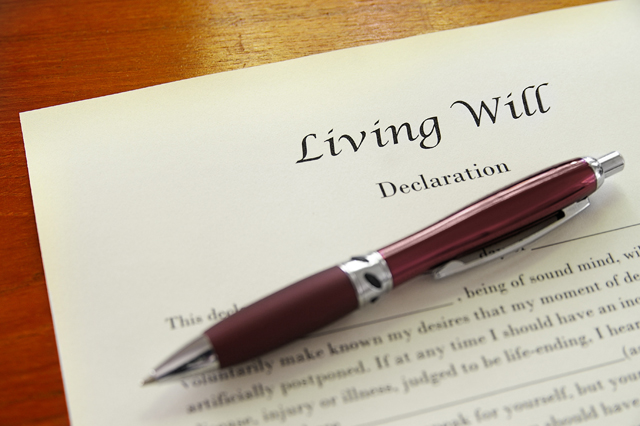
Living Will

No one wants to talk about end of life issues. Especially if those issues involve a beloved aging senior who isn’t near the end of his life. But no matter how hesitant family members might be to broach the subject, either because they find the subject awkward or in poor taste, it’s crucial that a living will be discussed and legally documented while your senior is still able to make known his or her wishes for end of life care! If your loved one is already unable to state coherently his or her wishes, then talk with siblings or other family members. Make and document the decisions you choose together.

Seniors, caregivers, and family members benefit from having a living will in place. Older adults often are relieved to have their end of life wishes known. Many seniors do not want their families to be burdened with having to make these difficult decisions during a sudden health crisis. Also, the burden of worrying that their wishes won’t be followed is removed.

A living will is a legal document which clearly lists a person’s stated wishes for end of life care. It may also be called a healthcare directive or an advance directive. The terms of the living will influence doctors and family members when they must decide on medical treatment for patients unable to communicate or no longer able to decide for themselves.

A living will and a medical Power of Attorney often work together. Some states combine the two into one document. Your senior can choose someone legally to make medical decisions for them. Sometimes that person is called the health care agent. They might also be called the proxy for health care decisions.

A living will documents specifically what end of life treatments are acceptable to your older adult and which ones they refuse. Usually, a living will will include a senior’s preferences for treatments such as CPR, mechanical ventilation (breathing by machine), tube feeding, dialysis, antibiotics or antiviral meds, palliative care (keeping the patient as comfortable and pain-free as possible. A senior may refuse any invasive treatments or tests, or may choose to have their medical Power of Attorney make those decisions about tests, etc., on an as-needed basis.

In a living will, end of life care directives often include seniors’ wishes for after end of life. Many seniors want to donate organs and tissue for others awaiting transplants. They may also wish to donate their bodies for scientific study. These two issues may be perhaps the most difficult to broach with your senior, but it is important that you do so.

When considering a living will for your senior, be sure to read the “fine print.” Having a living will takes the guesswork out of the decision making of end of life care. It protects caregivers or family members from the stress of trying to honor wishes which were not made clear to them and it should prevent arguments about the patient’s end of life care among family members and caregivers.

If seniors want a non-family member or an unmarried partner to be in charge of their end of life care, they have to put in place both a living will and a medical Power of Attorney. Otherwise, HIPPA laws will prevent doctors from even speaking to them about your older adult’s care.

Different states have different laws for living wills. Some states may require only the living will whereas another may require both a living will and a medical Power of Attorney. Make sure to use the correct form for your state. You can find links on the website for The National Hospice and Palliative Care Organization. Choose the “Caring” section. That link refers to the living will as an Advance Directive.

For more helpful information, visit our website, click here.

Home Helpers of Lake Country is a locally-owned, trusted home health care agency and offers quality, compassionate senior in-home care services including home care assistance, personal care, companion care, respite care, Alzheimer’s & dementia care as well as homemaker services in Oconomowoc, Dousman, Beaver Dam, Hartland, Summit, Okauchee, Watertown, Delafield, Wales, Chenequa, Johnson Creek, Lake Mills, Juneau, Ixonia, Nashotah, and Concord.

Categories

Why Women Are More Prone To Alzheimer’s

Elderly couple

A study of caregivers and Alzheimer’s disease show that women are diagnosed more often for the disease than men. This is evident from a 2011 report published by the Alzheimer’s Association which indicates that of the 5.4 million Americans with Alzheimer’s, more than 3.4 million are women.

The Gender Discrepancy Explained
There are many possible explanations for this, but the simplest may be that women just have a longer lifespan than men. Research conducted at the Indiana University Center for Aging Research and the Indiana University School of Medicine reveals that Alzheimer’s and dementia need time to progress, so it’s more likely with women than men.

A report by the U.S. Centers for Disease Control and Prevention shows that a girl born in 2012 has an expected lifespan of 81, while a boy born the same time will probably live up to 76. The point is that women have more time to develop the condition. But there are other factors to consider aside from age.

Alzheimer’s in Men and Women – Differences
Home health care workers need to know the different symptoms that men and women exhibit. While Alzheimer’s produces certain similar results, there are significant variations as well.

  • Men are more physically and verbally aggressive than women as the disease reaches its advanced stages. During this period they are more likely to wander off and engage in socially unacceptable behavior.
  • Women afflicted with Alzheimer’s become more emotional and shut themselves off from others. Hoarding of items becomes common, they get irritated when you try to help them and often cry or laugh at seemingly inappropriate instances. Women are also more likely to have delusions than men and more prone to depression.

Hormones and Other Factors
Hormones could be another reason why women are more susceptible than men, and there could be other factors as well given the discrepancies between the symptoms. According to Dr. Allen Levey, director of the Emory Center for Neurodegenerative Disease and Alzheimer’s Disease Center and Emory University School of Medicine chair, female hormones, especially estrogen, may be responsible for dementia.

There are some studies which suggest that HRT (hormonal replacement therapy) could make a person more vulnerable to dementia. Women with low or high levels of thyrotropin (a thyroid hormone) increase their risk of developing Alzheimer’s. It should also be pointed out that gender plays a bigger factor that thought when it comes to dementia.

For instance, men who have suffered a stroke are more vulnerable to dementia, three times more susceptible than women actually. In contrast, a stroke does not increase the risk factor for women. However, women afflicted with depression are more vulnerable to dementia than men who suffer from the same condition. Comparatively speaking, women with disabilities that prevent them from performing daily tasks are three times more likely to have dementia than men.

Studies have also revealed that when women reach the age of 65, there is a 1 in 6 chance they will develop Alzheimer’s or dementia, whereas with men it is 1 in 11. These studies also indicate that women in their mid-60s and older are twice more vulnerable to dementia and Alzheimer’s than to breast cancer.

While home health aides and medical experts know the lifespan difference is a factor, it cannot be the only one. University of Southern California Professor Roberta Diaz Brinton says that while age is the biggest risk factor, the difference on average is only 5 years, and Alzheimer’s can commence two decades prior to diagnosing.

A study conducted at Stanford University involved 8,000 individuals, and the goal was to search for ApoE-4, a gene that makes one more susceptible to Alzheimer’s and dementia. The researchers noted that men who carry the gene only had a slightly risk increase compared to those that didn’t have it. Women who possess the gene however, have two times more likely to have Alzheimer’s than women who don’t have it. The reasons for the discrepancy between the two are unclear yet, but it could have something to do with how the gene interacts with the female hormones. There is still a lot of research to be done.

For more information or to learn about our Alzheimer’s and Dementia Care Services, click here.

Home Helpers of Lake Country is a locally-owned, trusted home health care agency and offers quality, compassionate senior in-home care services including home care assistance, personal care, companion care, respite care, Alzheimer’s & dementia care as well as homemaker services in Oconomowoc, Dousman, Beaver Dam, Hartland, Summit, Okauchee, Watertown, Delafield, Wales, Chenequa, Johnson Creek, Lake Mills, Juneau, Ixonia, Nashotah, and Concord.

Categories

How to Have an End-of-Life Conversation with Seniors

Women talking

No one wants to think about their aging loved one’s end-of-life. Many view bringing up the subject as tacky or disrespectful. Some equate it with appearing greedy or trying to edge out other family from the decision-making process. Others even see it as bad luck.

But planning ahead for seniors’ final time on earth is critical to making sure that their wishes are honored. Sure, having this conversation is hard, but it’s also one of the most important things you can do for your loved one. And yet, most people struggle with how to approach the topic, while others simply put it off indefinitely.

Denial doesn’t help
We all know that, at some unknown time, we will all face our end-of-life. But many of us just can’t face it happening to those we love. Denial won’t make it go away. We can ignore death, but death will not ignore us.

It’s impossible to know the wishes of a senior unless you ask. Be ready to accept the answers, if you are willing to ask the questions. Often, the wishes of a loved one may be surprising or even upsetting to you. The important thing is that your senior’s wishes are honored, not that you agree with them. Be sure to have your loved one put these wishes in writing to avoid any confusion later on.

Being proactive about an end-of-life conversation can protect not only your senior, but your family as well. The last thing you need while dealing with the death or approaching death of a loved one is the stress and uncertainty of deciding (or arguing about) what your loved one would want.

What, exactly, is end-of-life?
End-of-life is more than the actual end of a person’s life. It’s to do with the care and support we will need or agree to receive as our physical bodies move toward death. How long this will take depends on many factors such as age, type or severity of illness or injury, etc.

When talking to loved ones about their wishes, you will need to know things like:

  • Whether or not to continue certain medicines or treatments
  • Where do they want to spend their final days
  • What types of treatment they want to receive
  • What sort of palliative and/or hospice care they want to receive

Starting the conversation
As with all difficult things, the first step is usually the hardest to take. Seniors and their loved ones alike have a hard time starting an end-of-life conversation. Usually fear of how the other will react to the subject matter prevents talking about it. Don’t be timid. Broach the subject. After all, it’s more important for you to protect your loved one than for you to be unafraid.

But how to actually broach the subject? You can seek wisdom from your pastor or doctor, or even from a trusted friend who has been through the same situation. You can even search the web for ideas.

The Conversation Project is a non-profit organization which helps people talk about end-of-life wishes. Visit their website for a great free guide. It’s called a Conversation Starter Kit. This tool can make it easier for you and your senior to have a thorough and successful end-of- life conversation.

The nitty gritty
None of us knows when end-of-life will happen. We only know that it will happen. So if you are a beloved senior and have not told your family your wishes for end-of-life, get on with it. You will ensure you get the care you want and protect your family at the same time.

If instead, you a family member of a senior and have no idea if your loved one has even thought about end-of-life, much planned for it, make time to discuss it with them while they are still able to choose what is to happen to them when the time comes.

Browse our blog for more caregiving tips. For professional assistance in caring for your loved one, please call Home Helpers today.

Home Helpers of Lake Country is a locally-owned, trusted home health care agency and offers quality, compassionate senior in-home care services including home care assistance, personal care, companion care, respite care, Alzheimer’s & dementia care as well as homemaker services in Oconomowoc, Dousman, Beaver Dam, Hartland, Summit, Okauchee, Watertown, Delafield, Wales, Chenequa, Johnson Creek, Lake Mills, Juneau, Ixonia, Nashotah, and Concord.

Categories

Memory Loss – Senior Moment or Alzheimer’s Indicator?

Man looking confused

The most common symptom of Alzheimer’s Disease and dementia is forgetfulness, but not all instances of memory loss or forgetfulness is a sign of the disease. So how can you tell the difference between dementia and normal memory lapses due to aging? While the differences can be subtle, there are ways of detecting it.

Signs of Dementia Related Memory Loss

Here are some of the more common signs:

  • The Memory Loss Affects Daily Tasks: senior care is not required if the person just forgets a name and recalls it later. However it is another story if the individual fails to remember daily appointments or if people say you’ve asked for something several times over. Another serious sign is if you suddenly forget a skill you know very well (i.e. cooking, drawing, playing the guitar etc.).
  • Inability to Think Clearly: everyone gets confused at some point when accounting or making plans, but it’s another thing if this happens frequently. For elderly people who are suddenly unable to manage  their checkbook or make plans for the day, some help may be necessary. The fact is most diagnosis of Alzheimer’s usually starts because the person is having trouble balancing their checkbooks.
  • Difficulty with Step Retracing: as home health care specialists will point out, one of the more common signs of dementia is the inability to retrace their steps. Even though we may misplace an item, it is not that difficult to go over a few steps back and get it. A sign of dementia is being unable to do this.
  • Unable to Find the Right Words: all of us have at some point had that tip of the tongue moment, when we are searching for a word but just cannot remember what it is. This is normal and happens every now and then, but it’s another story if it happens often. If it reaches the point it affects your daily activities, it’s time to seek assistance.
  • Forgetting the Time and Your Location: normal memory loss should not cause you to forget the time or where you are. Frequently forgetting the time is inconvenient and will affect your work, and forgetting your sense of location can be frightening and dangerous. These are not normal and require the help from a doctor.

Dementia and Normal Memory Loss

Doctors agree that a certain level of forgetfulness is common with aging. Typically, regular memory loss means having a difficult time recalling new information you have just acquired like the name of someone you were introduced to days ago. Difficulty remembering names, dates and events that took place several years ago is normal too and not a sign of dementia.

Dementia signs and symptoms involve more extreme forms of forgetfulness. Aside from the instances already mentioned, signs of dementia include forgetting the basics like putting on your shoes before going to work, whether you have eaten or not, where you are going or have been too, etc. Those are the kinds of situations that require in-home care because they are probably symptoms of dementia.

The question now is, what does one do? The answer is to take careful note of the situation and if it worsens. If you just forget or misplace your keys, it’s not a big deal. However if you’re out on your daily walk and you temporarily forget where you are, it’s better to consult a doctor. Family members who notice these symptoms affecting a loved one should seek help to determine the cause.

The good thing about talking with experts is they can rule out other possible causes of forgetfulness like stroke, head injuries, depression, and alcoholism among others. Speaking with a doctor, you will be asked the pertinent questions that will determine the root cause of the problem and arrive at the best possible solution.

Caregivers must not only take care of the person but learn as much as they can about the condition. A lot of the stress and frustration that comes with the job arises from lack of information about what is happening, so increasing your knowledge will help. With the proper home care, steps can be taken to help a person deal with memory loss caused by dementia.

If you need any help caring for a loved one dealing with memory loss caused by dementia, contact us or visit our website for more information.

Home Helpers of Lake Country is a locally-owned, trusted home health care agency and offers quality, compassionate senior in-home care services including home care assistance, personal care, companion care, respite care, Alzheimer’s & dementia care as well as homemaker services in Oconomowoc, Dousman, Beaver Dam, Hartland, Summit, Okauchee, Watertown, Delafield, Wales, Chenequa, Johnson Creek, Lake Mills, Juneau, Ixonia, Nashotah, and Concord.

Categories

Caring for Someone with Alzheimer’s Disease

Elderly couple

Alzheimer’s Disease is a condition that doesn’t just affect one individual but the entire family including those tasked with caregiving. Aside from the pain the individual is going through, his/her family has to deal with the grief and difficulty of watching someone they love suffer and decline. As a home care expert, your responsibility is to assist the patient and family any way you can. Here are some tips.

Take Care of Yourself
If you have ever talked to someone who cares for a patient with dementia, Alzheimer’s or other conditions, one of the first things they will tell you is to take care of yourself too. This is a stressful job and you won’t be of any use to the patient if you’re ill. Watch out for your health, get support and respite so you’ll be able to perform your duties. It isn’t just the patient or family that needs support, because you do.
You should not feel guilty about caring for yourself or taking some time off from your duties as home care specialist. One of the most difficult things for a home care specialist to do is admit they need to take care of themselves. If you find this difficult to do, remember that the care you give yourself is the care you’ll be giving to your patient.

Learn about Alzheimer’s
Elderly care will be less stressful if you’re knowledgeable about Alzheimer’s Disease. Learn as much about AD as you can and your role as a home care specialist will be more manageable. You should talk to the patient’s doctor and do research on your own. Most of the time you’ll be caring for someone with AD in the early or middle stages so don’t worry about the advanced stage now.

Talk to Other Professional Home Care Aides
One of the ways to handle this situation is to speak with other professionals who take care of patients with AD. You can get in touch with them on the Internet or your local community. One of the most challenging aspects of Alzheimer’s Disease is differentiating between Alzheimer’s and the patient, especially if he or she is a loved one or family member.

During the early stages of the disease it is easy to think that he or she is doing these things out of spite. This can lead to resentment and anger towards the patient, but you have to remember it isn’t them; it is the disease that causes them to behave that way.

Get Emotional Support
Families dealing with Alzheimer’s Disease often seek emotional support because it is a gut wrenching experience, both for them and the person that is afflicted with the condition. This should not be limited to family members as home health aides need it too. With proper support, you will be in a better position to deal with the situation and what to expect.

During the early stages of AD, the person diagnosed may refuse to accept their condition, and as a home care aide you mustn’t get frustrated with this. You can obtain emotional support from professional counseling or family members. Either you need to have a support system that grows and evolves with you.

Set Up a Daily Routine
Talk with the family about setting up a daily schedule. This will cut down on confusion and make the challenges less difficult to deal with. Those with Alzheimer’s can still follow schedules so take advantage of this. For important tasks like doctor’s appointments, bathing etc., schedule this when the person is most lucid.

Get the Individual Involved
You should also give the person with Alzheimer’s sufficient time to do what they want and don’t hurry them. If it’s still the early stages and they show signs of being capable, let the person do as many tasks as they can with as little assistance as possible. Whether it’s dressing without help, setting the table or so on, you might be surprised at how much they can still do.

Caregivers of people with Alzheimer’s Disease undergo a lot of stress and that is understandable, but you don’t have to give in. There are ways to deal with it and ease your tasks without shying away from your responsibilities.

Home Helpers of Lake Country is a locally-owned, trusted home health care agency and offers quality, compassionate senior in-home care services including home care assistance, personal care, companion care, respite care, Alzheimer’s & dementia care as well as homemaker services in Oconomowoc, Dousman, Beaver Dam, Hartland, Summit, Okauchee, Watertown, Delafield, Wales, Chenequa, Johnson Creek, Lake Mills, Juneau, Ixonia, Nashotah, and Concord.
Categories

Dementia and Alzheimer’s Myths and Facts

Elderly couple

To be a good caregiver, knowing the difference between dementia and Alzheimer’s myths and facts is necessary. Because there is still a lot we don’t understand about them, it is not surprising that myths and misinformation have spread, and you need to be aware of them.

Myth: Herbal Supplements Can Cure Alzheimer’s
Fact: There are a lot of herbal products and supplements which claim to cure Alzheimer’s, but there is no scientific or medical evidence to support them. These herbal supplements have been the subject of a lot of studies but no definitive conclusion has been reached yet. It is unlikely these supplements will cause side effects that affect their behavior, but there is no evidence these herbs can help.

Myth: Dementia and Alzheimer are One and the Same
Fact: The two are not the same.

Dementia is not classified as a specific disease, but a collection of indicators that are linked to a decline or loss of reasoning, thinking and memory. Those with dementia encounter problems performing daily routines that they have been doing all their lives.

Alzheimer’s disease is one of the most common types of dementia. It is progressive, irreversible and progressive. The exact cause is unknown and there is no cure. The need for home care for Alzheimer’s is it robs the person of their memory, leading to disorientation, confusion, memory loss and personality changes. These symptoms usually manifest during the middle and late stages of the disease.

Myth: If a Family Member Has Alzheimer’s, You Will Get it Too
Fact: This is not true. Yes, some types of dementia have a genetic element, but this does not mean you’re going to have one as well. Even if your parent or sibling has developed this condition, you can take steps to prevent it from happening to you. You can reduce your risk for instance, by living a healthy lifestyle, exercising and sticking to a healthy diet.

This doesn’t guarantee you won’t end up with dementia, but your risk goes down. By controlling your blood pressure and keeping your cholesterol at normal levels, you’ll be in better shape.

Myth: Red Wine is a Preventive Measure against Dementia
Fact: Home health aides are sometimes asked if red wine is good for people with Alzheimer’s, but it’s not. There are health benefits associated with red wine, but the amount consumed in typical social drinking is not enough to make a difference. Red wine contains a chemical known as resveratrol which offers some protective benefits. However, you need to drink about two dozen a night, which isn’t good for anyone whether they have dementia or not.

Myth: Head Injuries Cause Alzheimer’s
Fact: This myth is very persistent but again there is no conclusive proof yet. Certainly concussions among young and middle age people are a concern, but it is too early to link it linked to dementia. There are medical researchers who believe that concussions and other types of head injuries could lead to dementia, but until there is evidence to support this, it cannot be considered factual.

Myth: There is Nothing That Can be Done if a Person has Dementia
Fact: Dementia and Alzheimer’s are progressive and up to now there is no cure. However, it would be wrong to say that nothing can be done. With proper care and medication, it is possible to make up for the decline in a person’s cognitive functions. With the combination of medicine and personal care, it is possible to help a person deal with the symptoms. One of the keys is making sure the person is as physically and mentally active as possible.

Myth: Drug Use Leads to Alzheimer’s and Dementia
Fact: There is no evidence to support this claim. Drug abuse is unhealthy in many other ways, but there are not enough facts to support the view drug use in any way makes a person more vulnerable. More research is necessary.

As an in-home care expert, part of your responsibility is answering questions from family members concerning the disease. Doctors should have the final word of course, but knowing the facts and myths can go far in informing family members and putting their minds at ease.

For more tips on Alzheimer’s Disease or dementia or caregiving in general, visit our blog.

Home Helpers of Lake Country is a locally-owned, trusted home health care agency and offers quality, compassionate senior in-home care services including home care assistance, personal care, companion care, respite care, Alzheimer’s & dementia care as well as homemaker services in Oconomowoc, Dousman, Beaver Dam, Hartland, Summit, Okauchee, Watertown, Delafield, Wales, Chenequa, Johnson Creek, Lake Mills, Juneau, Ixonia, Nashotah, and Concord.

Categories

Are You New to Caregiving? Read This!

caregiver

As a home care expert for a loved one or a patient, you’re going to have to handle several responsibilities, and if you’re new to caregiving. it may seem overwhelming. In spite of the challenges however, caregiving is an emotionally rewarding experience, and there are things you can do to make the experience more enjoyable for you and the one you’re caring for.

Learn Your Patient’s Condition
A lot of the challenges involved with in-home care can be avoided by learning as much as you can about the disability or illness your patient is going through. The more you know about their condition, the more prepared you will be and the less stressful the situation becomes. By simply being knowledgeable about the situation your patient or loved one goes through, you’ll be in a better position to handle the circumstances and take the appropriate action.

Reach Out to Other Home Care Professionals
The best way to learn what caregiving is about is to reach out to those who have been there. Talk to other caregivers in your community or online and they will be more than happy to share their experiences and offer advice to you. There is nothing more comforting than knowing there are people out who care about you and what you have to go through.

Trust Your Instinct
You’ll want to follow the advice of your patient’s doctor, but at the same time, listen to what your instinct tells you what has to be done. You have been trained for this, so feel confident to do what must be done. Even if you’re new to the job, your training will serve as your guide for handling unexpected situations as they arise, and this will serve you well going forward.

Allow Independence
Allow your loved one or patient to be independent. While you’re the caregiver, that doesn’t mean you should do everything for them: it’s better to help and encourage them to be as independent as they possibly can. This isn’t so much to simplify your task as it is to give confidence to your loved one they can still do things without requiring assistance. Just as young people love independence, so do the elderly. Bottom line: your relationship is key to success, so apply strategies and approaches that will improve it.

Be Aware of Your Limitations
Home health care can be stressful so do an honest assessment of your capabilities. How much time can you provide to your loved one without succumbing to stress? You can only take care of them if you take care of yourself, so don’t push yourself over the limit. Before starting, talk with the family and make it clear what your responsibilities and limitations are. This needs to be cleared up not just with family members but their doctors and everyone else involved.

Don’t Doubt Yourself
Caring for seniors can produce a wide range of emotions including grief, helplessness, guilt, resentment, fear and anger. As someone who’s new to caregiving, you need to accept that this comes with the territory: accept those emotions whether they’re positive or negative. Having those negative feelings doesn’t mean you don’t care for them; only that you’re a human being with emotions.

Coping with Worry and Anxiety
It’s okay to feel worried or anxious: even those who’ve been caregiving for a long time still go through this. There are a thousand and one things probably going through your mind, but remember you’ve been prepared for this.
There will be days when you will feel resentful of your job or even the individual you’re caring for. This is illogical of course, so just remember that it’s related to stress and can be overcome. Caregiving is no different from other types of jobs where there are good days and bad ones, and in time you’ll learn how to deal with it.

At the other end of the spectrum is guilt: you may feel that you’re not doing enough for your loved one and that you can be better. Just as you should accept the fact negative emotions will affect you, accept too there’s only so much you can do.

As someone who is into senior care, just do your best and it will be enough.

If you have any questions regarding caregiving, please feel free to call us or send us an email.

Home Helpers of Lake Country is a locally-owned, trusted home health care agency and offers quality, compassionate senior in-home care services including home care assistance, personal care, companion care, respite care, Alzheimer’s & dementia care as well as homemaker services in Oconomowoc, Dousman, Beaver Dam, Hartland, Summit, Okauchee, Watertown, Delafield, Wales, Chenequa, Johnson Creek, Lake Mills, Juneau, Ixonia, Nashotah, and Concord.

Categories

© Copyright 2026 H. H. Franchising Systems, Inc, All Rights Reserved.