
Encouraging Seniors to Remain Independent

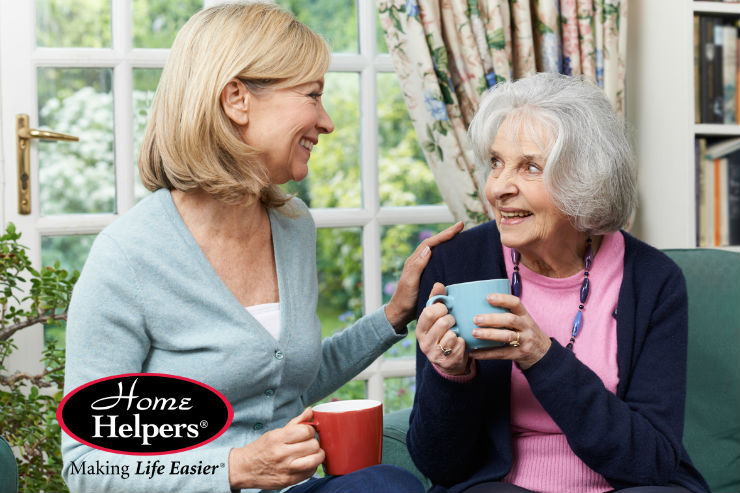
Every teenager looks forward to that rite of passage of becoming a legal adult. Turning 17 brings more freedom, yet also brings more responsibility. There is a newfound pride in reaching the age of maturity. The truth is that these feelings don’t subside as we approach our senior years—senior adults still want to be treated with respect and know that their independence will remain steady.

If you are caring for seniors, you already know how important it is to protect their sense of pride and respect. You want to encourage them to stay active and stay independent. But how? Read on.

It’s About Mental Health AND Physical Health
Your concern for the senior’s health shouldn’t be just physical. Many studies reveal that seniors often struggle with mental and psychiatric challenges as well. Many of these issues require extra care and a good support system. Even if you don’t feel qualified to deal with these delicate issues, you can learn to recognize the signs and offer support. Once you know the symptoms, you can then pass it off to the appropriate professional.

Careful Preparation for At-Home Care
Most homes aren’t equipped to handle the care that will come with a senior who is homebound. Of course, their needs will determine the type of preparation that should take place, but the main thing is to assess these needs ahead of time, so you are adequately prepared. These types of preparation could include:

  • Mobility Equipment.

This would include walkers, wheelchairs, stair lift, etc. If these items are used, furniture should be moved to accommodate them. Bathrooms may need to be fitted with handicap grab bars, raised toilet seats, etc. The main thing with this step is to make sure that the senior can navigate easily throughout their home safely.

  • Medical Alert Device.

Every senior who spends any time alone should ALWAYS have a medical alert button they can push in the case of an emergency! The technology is impressive and even includes fall detection. If they live alone, the monitoring company can see if they have gone too long without being active and send someone to do a welfare check. Of course, an ambulance would be dispatched in any event of emergency.

  • Clear Clutter

This step is so important!! Nothing in the home is more dangerous to seniors than clutter and loose items on the floor. Make sure all walkways are clear of rugs, loose floorboards, etc. Walk through and imagine where the senior will walk and prepare accordingly. The safer your senior feels, the more independent he will feel.

Sign Up for Grocery Delivery Services
The mundane task of quickly driving to the market to pick up items we need is anything but mundane for most seniors. They may have limited mobility, making it difficult to leave the house. With technology today, you can use a smartphone or other device to order groceries online and have them delivered right to your door. If your older adult is still able to drive, many stores will allow them to place orders for groceries online and simply pull up to a special parking space while an employee loads the bags into the car. Pretty cool!

With some good preparation, the senior in your life can stay as independent as possible while remaining in the comfort of their home. For more tips on keeping seniors safe and secure at home, contact us today!

Home Helpers of Farmington Valley is a locally-owned, trusted home health care agency and offers quality, compassionate senior in-home care services including home care assistance, personal care, companion care, respite care, Alzheimer’s & dementia care as well as homemaker services in Avon, Bloomfield, Canton, Collinsville, East Windsor, Farmington, Granby, New Hartford, Simsbury, South Windsor, Weatogue, West Hartford, Windsor, and Windsor Locks, Connecticut.
Categories

Preventing the Flu in Seniors and Their Caregivers

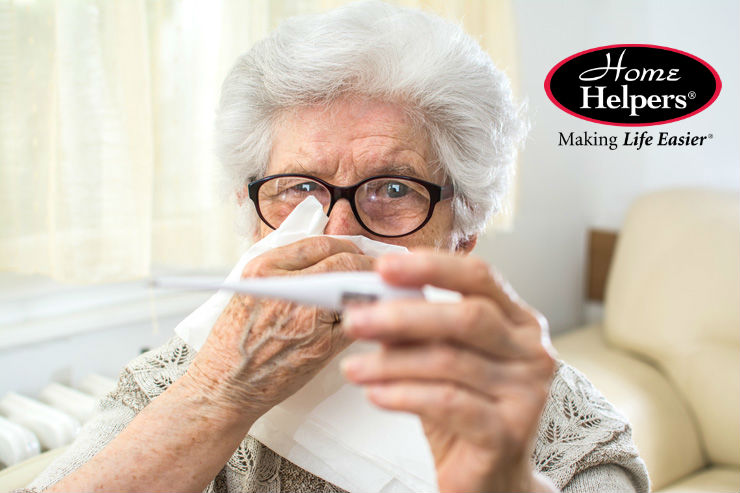
It’s that time of year again where flu season is upon us. Did you know that seniors, as well as their caregivers, are more vulnerable to the flu? It’s true, but there are things you can do to protect yourself and shorten the lifespan of the illness if it does happen.

The immune system is much weaker in the elderly, making them vulnerable to contract colds and flu. The same is true for caregivers, simply due to the stress they are under. Additionally, germs can be passed back and forth simply because of the time spent together and close proximity to one another.

To help you prevent colds and flu, here are some important tips:

1. Get the flu shot.
Contrary to widespread belief, getting the flu vaccine will NOT give you the flu. It is not made with live virus, therefore cannot cause the flu. It will, however, help protect against the flu, as well as shortening the duration should you come down with influenza. Taking the flu shot will go a long way in protecting each other if one is not able to take the vaccine. Flu shots work best when administered between October and November.

2. Wash hands often
Washing hands frequently is still the best way to prevent colds and flu. You do not need special antibacterial soap, despite what you might think. It’s the friction of rubbing hands together for up to 30 seconds that actually eliminates germs, so plain soap and water works fine. Pay special attention to the back of your hands, under nails, and between all your fingers. If it’s difficult for seniors to get to the sink often, hand sanitizer can also be an effective way to keep hands clean.

3. Get some exercise.
Not only does regular exercise help keep you healthy, it also strengthens the immune system and can help you cut the duration of colds and flu in half. It may be tough for you as a caregiver to find the time to exercise, or the senior adult may not have as much physical endurance, but any amount of exercise goes a long way in preventing illness.

4. Try not to touch nose, mouth and eyes.
Touching our face is normal and is done without even thinking about it. Germs enter the body through touching eyes and nose and mouth, especially if hands are not washed often enough.

5. Keep your environment clean.
Sanitize your environment the best you can by spraying Lysol on commonly used spaces where hands touch often. This includes doorknobs, light switches, and counter tops.

Keep sponges and cleaning rags sanitized. You can do this by putting them in the microwave for 60 seconds, soaking them in bleach or putting them in the dishwasher. Sponges are a huge breeding ground for germs, so it’s best to throw them away and replace them often with new ones.

Wash sheets and bedding often in hot water and dry them on high heat.

6. Disinfect devices and cellphones.
One of the most germ-infested areas is on mobile devices and telephones, including cell phones. Keep them sanitized by wiping them down with rubbing alcohol. Disposable disinfecting wipes can also be used.

7. Don’t hang out with sick people!
This is perhaps the easiest way to avoid getting colds and flu, and still the best. Don’t be around sick people and if anyone in your house is ill, try to limit contact with them. Also, avoid hand-to-hand contact with sick people, including hugging and shaking hands.

8. Don’t travel unless absolutely necessary.
The reason colds and flu are so prevalent in the colder months is because people are stuck indoors where ventilation might be poor. Avoid being in crowded places such as airports or subway stations. Traveling by plane is one of the most common ways to get sick due to being in sick due to being in such tight quarters.

9. Drink lots of water!
We’ve all heard our doctors tell us to get plenty of rest and drink plenty of water. This is still one of the best ways to protect yourself against illness. Drinking mostly water is best, although hot tea can also be effective in fighting off sickness. Look for teas with immune-strengthening ingredients such as echinacea or ginger. Lemon and honey help coat the throat and bring relief to a dry cough.

10. Increase your Vitamin C intake.
Getting extra Vitamins of any kind is a good way to ward off colds and flu, but Vitamin C is especially helpful. Getting vitamins and minerals from our food is superior, but you can aim for 200mg Vitamin C supplements for both caregiver and seniors. Always ask your doctor before taking any herbal or vitamin supplements.

Finally, getting enough protein is also vital when it comes to avoiding flu. Eat more eggs, fish, yogurts and green leafy vegetables. Meat does contain protein but can be hard on a sensitive senior’s digestive system, so getting it through dark colored veggies and certain dairy products is best.

For more tips on staying healthy during this flu season, contact us today!

Home Helpers of Farmington Valley is a locally-owned, trusted home health care agency and offers quality, compassionate senior in-home care services including home care assistance, personal care, companion care, respite care, Alzheimer’s & dementia care as well as homemaker services in Avon, Bloomfield, Canton, Collinsville, East Windsor, Farmington, Granby, New Hartford, Simsbury, South Windsor, Weatogue, West Hartford, Windsor, and Windsor Locks, Connecticut.

Categories

Warning Signs of Alzheimer’s Disease and How to Prepare

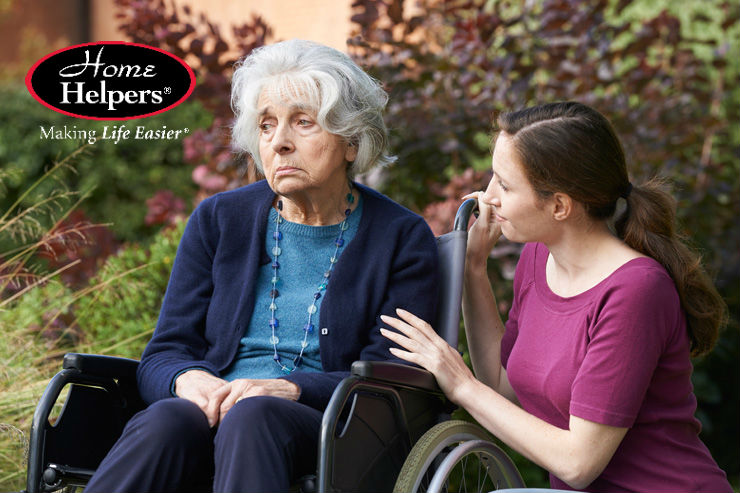
If you have a senior loved one who has dementia, then you already know what a job it is to provide proper care for them. When they also have Alzheimer’s Disease, you are looking at even more complex care. Many families can’t put their own lives on hold to be there for the at-home care that is needed. Whether it’s due to children, jobs, or other factors, you may need to get in touch with a senior care organization who specializes in dementia and Alzheimer’s. They can help you determine the type of care your loved one will need on a daily basis. However, you will want to have a clear understanding of the condition you are dealing with in your senior family member before you make your plan for long-term care.

In many cases of Alzheimer’s Disease or dementia, the early signs are noticed by family members first. These two conditions are not the same, but often are present at the same time. Dementia is found in older adults most of the time, and can be brought on by several medical factors. Here are a few conditions that could cause symptoms of dementia to show up:

  • Alzheimer’s Disease
  • Stroke
  • Parkinson’s Disease
  • Trauma to the brain
  • Alcoholism
  • Cardiac problems
  • Diabetes

If you have noticed signs and symptoms in your elderly loved one that concerns you, you’ll want to understand some of the warning signs of dementia and Alzheimer’s. Let’s look at a few of those signs:

1. Social Withdrawal
Your loved one probably knows that they are having memory or cognitive problems and do not want others to know. They may become reclusive, staying at home all the time or refusing to go out with friends. Social interaction is the most vulnerable setting for someone with these issues. Nobody wants to feel like they are losing their memory or risk looking foolish when they can’t recall if they’ve repeated things or not.

2. Changes in Grooming
You may notice they are wearing mismatched clothing when they’ve always been stylish, or they may wear clothes that are dirty. They may also refuse to bathe or want to wear the same clothes over and over.

3. Making Mistakes with Medications
They may seem to understand the doctor’s instructions, but can’t retain that information. This could cause them to take too much or too little medicine, or not finish a round of antibiotics.

4. Can’t Find Their Belongings
It’s common for people with dementia to misplace personal items and then accuse others of stealing them. Dementia brings on confusion and paranoia sometimes, so don’t let this upset you.

5. Mood Changes
Outbursts of anger or frustration are not uncommon with dementia and Alzheimer’s. Your loved one may become paranoid and suspicious of people when they were never like that before. It can escalate as they gain an understanding of their condition.

6.Denial
Your loved one may deny there are memory problems to other people or their doctor, insisting that everything is fine. They may even forget why they came to the doctor in the first place and leave out pertinent information about other issues the doctor needs to know about.

What Should You Do?

If you have noticed any of these early warning signs on a regular basis, you’ll want to educate yourself and read as much as possible about these conditions. Stay engaged so that you can empower yourself to help.

Talk to the people your loved one spends the most time with, such as friends and other family members. Ask if they have also noticed these symptoms.

Spend more time yourself with your aging loved one. If you are concerned about the signs you’ve observed, the best way to know for sure is to spend a lot of time with them so you can pay attention. Finally, talk to the person’s doctor so they can help you with a care plan. Your senior also needs to feel empowered, even if they get frustrated when it’s brought up. Remember, you will need to reach deep and provide a lot of patience and love as the disease progresses. Allow others to help you when possible, and keep in mind that the senior loved one will likely feel frustration with the situation. It can be very difficult for them to accept that they will need care or that their independence will change. Gentle communication is the key.

For more information on spotting early signs of dementia or Alzheimer’s Disease, please contact us today!

Home Helpers of Farmington Valley is a locally-owned, trusted home health care agency and offers quality, compassionate senior in-home care services including home care assistance, personal care, companion care, respite care, Alzheimer’s & dementia care as well as homemaker services in Avon, Bloomfield, Canton, Collinsville, East Windsor, Farmington, Granby, New Hartford, Simsbury, South Windsor, Weatogue, West Hartford, Windsor, and Windsor Locks, Connecticut.
Categories

How to Determine When a Pet Has Become Too Much for Seniors

One of the difficult parts of pet ownership is knowing when to let go. If your senior parent has a pet, they are most likely very attached. The emotional bond between seniors and their pets can be a very powerful one, so navigating this subject can be tricky.

If you feel the pet isn’t being cared for properly or the responsibility of the pet is becoming too much, it may be time to intervene. Here are some signs to look for and helpful solutions to consider.

1. Is the senior becoming forgetful? Check often to make sure the pet always has food and water in their dish. If the pet is overweight, they may be overfed. Alternatively, check to make sure they are not too thin and being underfed. Also, make sure the pet is being let out frequently enough. If you suspect the pet is going potty inside the house, you should investigate.

  • Solution: A fenced yard with a doggie door may solve this problem. Also, an automatic feeding system would ensure the animal always has access to food and water.

2. Is mobility a problem? If taking the dog on a walk has become too big of a chore, intervention may be warranted. Also, if the senior adult has a cat, check to make sure the litter is being changed regularly. Air quality can be drastically reduced if the stench of urine permeates the home, so this is important to check.

What Do You Do if Caring for the Pet Has Become Too Much?

First, remember you have options! Many retirement communities or assisted living facilities are pet-friendly. If this is something your parent is considering, be sure to ask about it, as they may be able to keep their pet with them. If your older adult has any mental impairments or physical handicaps, you may need to consider rehoming the pet.

There are also many charities who specialize in assisting seniors with their pets. They have volunteers who will come walk the pet, offer food and water and change litter. Many will even assist in administering medications or taking the pet to veterinarian appointments.

Another possible solution is to rehome the pet with a friend, neighbor, or family member so that the senior adult can still visit with the pet as frequently as possible.

When Separation is Necessary

If the time comes and separation is inevitable, you’ll want to be as sensitive as possible. It can be traumatic for seniors to be separated from beloved animals, so assuring them the pet will be happy and healthy is crucial to make the transition as smooth as possible. Remember also that it can be difficult for the pet as well as the senior. Assurance that visits are possible will help. If it’s not possible for the pet to stay connected with the senior, consider utilizing a therapy dog. There are many wonderful organizations that will volunteer to make house calls with dogs or other animals that are specially trained to offer interaction with seniors.

It’s tough to lose a pet, no matter how old we are! Just remember that you are doing what’s best for the senior parent, as well as the animal.

For more information on how to determine if a pet has become too much for the senior in your life, contact us today!

Categories

Helping Seniors Who Refuse Help

What do you do when your senior loved one is refusing help? Unfortunately, this is a common issue for caregivers. Seniors can be very stubborn as they lose control of their daily activities, making it tough to know how to break through. All seniors want to stay independent as long as possible, so it can be a delicate balance to strike. Their health is the most important factor, so it’s crucial to know how to handle a stubborn loved one.

Tips for Handling Refusal of Help

1. Determine if there is a cognitive problem. Consult with their doctor to help clarify if stubbornness or refusal for help is caused by any mental impairments. Try not to assume that the senior is not in their right mind simply because they don’t want to cooperate with what you think is best.

It is important, however, to understand that as we age, our brains don’t function as quickly and decision-making can be a challenge. If you feel like you can’t logically reason with them, consider the possibility that their brain function has been slowed down. This is a big red flag if they are unable to exercise good judgment.

Keep in mind that many of these mental impairments can be treated or even reversed, so be sure to ask their doctor about your concerns. Often, seniors who have been in the hospital become agitated and difficult to deal with. Patience is needed and it can take months for them to be restored to the mind they had before being hospitalized. Also, certain medical problems can cause mental impairment, along with side effects from the medicine they take.

In severe cases, resistance or refusal to allow care is brought on by Alzheimer’s or dementia. Warning signs for these conditions can often manifest in stubborn behavior. Although they can’t be reversed, these conditions can be successfully treated, so the earlier the problem is diagnosed, the better the outcome. Ultimately, treatment is aimed at restoring the quality of life as much as possible.

2. Validate their feelings and have a listening ear! It’s harder to think logically with those we are closest to sometimes. This can often be the case, no matter what age we are. Rational thinking can seem absent when dealing with tough emotional issues. Be sure to listen more than you talk and allow them to express their fears and concerns. You can offer comfort and stability, which is often all that is needed to break through the refusal for help.

3. Talk through your senior’s concerns and make compromises. If they are refusing help where it is needed the most, try to come up with ways they can be involved in the solution. Communication is key here, and allowing them to have a voice in their care and treatment will help with the loss of control seniors often feel.

One of the most common conflicts seniors face with family members is striking the balance of living longer lives, avoiding injuries and illness, and staying independent. As loved ones, we concentrate more on safety and health, whereas they may be thinking more about not losing control. Here again, communication is the key. What they deem to be most important may not be the same as you. There is no magic fix, but we can meet in the middle and compromise where it’s possible. The bottom line is that as they grow more fragile in body, they will need more care and help, and that’s where the rub comes in. Talking through it will help everyone feel more secure.

4. Learn to tell the difference between their needs and your own. Determine what is driving your decisions and be willing to loosen your grip on control. Your senior loved one probably already is feeling a loss of control, so it’s very important to make sure you aren’t trying to control them based out of your own fears.

Caretaking comes with its own challenges. It’s never easy to watch our loved ones decline in health, but being a caretaker is a great privilege. Listen to their stories, find out their fears, and offer stability and security. The more your senior adult feels heard, the less chance that they will be resistant to your help.

For more information on caring for seniors, contact Home Helpers today!

Categories

© Copyright 2025 H. H. Franchising Systems, Inc, All Rights Reserved.