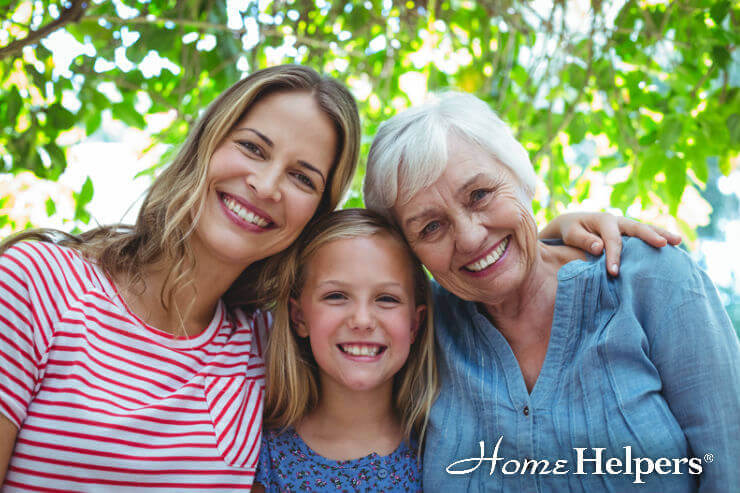
Taking Care of Yourself as a Caregiver for Others

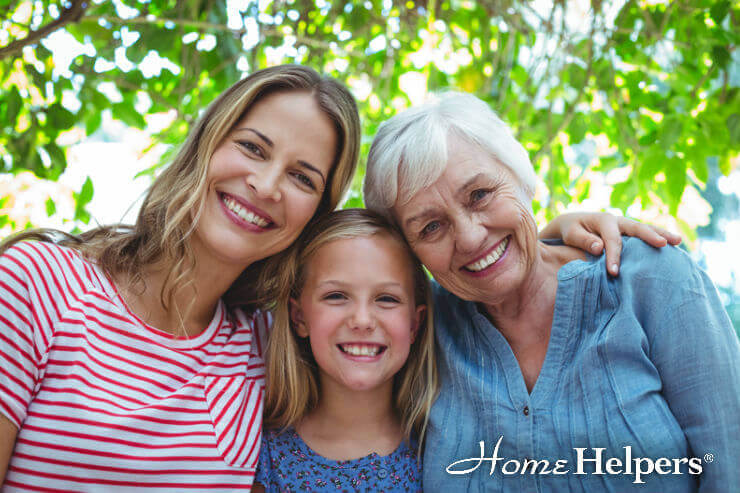
Becoming a caregiver to a family member is both rewarding and challenging. It will no doubt have an impact on the other relationships in your life, making the personal priorities fall to the back burner. While we may tell ourselves, this type of caregiving is only temporary, it often turns into much longer months or even years. You must take care of yourself while you take care of a family member, and that self-care includes nurturing the most important relationships in your life. Here are a few tips on doing just that…

Take Care of Your Marriage
Any marriage requires love and attention to stay healthy, so you must find the time to pour into yourself, your spouse, and the things that hold you together. Studies show us that marriages can suffer when one spouse is a caregiver to a family member. Whether it’s substance abuse or other addictions, depression/anxiety, or even health challenges, marriages can fall victim to many challenges when you aren’t taking the time to nurture it properly.

  • Be sure to communicate openly and often!
  • Find ways to express your love language, such as notes or flowers.
  • Make time for a date night, even if it doesn’t involve leaving the house.
  • Take time to LISTEN to what your spouse has to say.

These simple tips can help maintain and even preserve a marriage! Keep in mind that you are a team and being a caregiver for a family member who needs you often requires a team approach. Be each other’s best support!

Maintaining Your Relationship with Your Children
You may have heard the term “sandwich generation.” It refers to people who are both caretakers for their children as well as elderly parents. This role can also include financial care, which can put a lot of stress on a family. Emotional support is critical to maintaining the care needed in both scenarios.

There is a way to take care of yourself while caring for parents and adult children! Here are a few tips….

  • Explain to your children what is required of you as a caretaker.
  • For younger children, explain that the senior generation will need help or assistance much more often and how they can be a part of that assistance.
  • Ask your children to help. You may be surprised to find that adult children or even younger kids WANT to help, which will ease the burden on you!
  • Find things your elderly parents and grandchildren can enjoy together. This may depend on the age of the kids, but card games, board games, puzzles, word games, etc.…these are all ways to spend time together while keeping the brain engaged.

Maintaining Your Friendships as a Caregiver
There is no doubt that caregiving will demand more of your time and this may affect your personal friendships. Sometimes the caregiving duty will take priority over a lunch date or even a phone chat, and you may find yourself feeling like you have nothing left to pour into friendships after taking care of your parents all day. If you find this happening, communicating with your friends is the best policy. Let them know what your challenges are and ask for their support. Finding ways to spend time together will give you a chance to talk. Perhaps you could go workout at the gym or take a walk while you chat. You need healthy friendships in order to maintain your own sanity as a caregiver! Most friends will do anything to help if you will just tell them what you need.

Don’t Go it Alone
Remember—we are not meant to go it alone in life! No matter what stage of the game of caregiving you are in, you will need help, support, and understanding. Everyone we have mentioned in this article is part of your support system, so reach out when you need to!

Also, always remember that it is a healthy thing to set boundaries so that you can care for yourself. Burnout is by far the biggest risk for caregivers, so finding ways to nurture the things that are important to you is the absolute healthiest thing you can do to avoid burnout.

Finally, don’t be afraid to allow professionals to come in and take over the caregiving role for your parents when you need a break. Even just one day a week could allow you to refresh and recharge so you can feel good about the rest of the time you are providing care for your loved one! Even if you are met with resistance about bringing in help, remember that they will be fine and it’s important for everyone involved to find balance.

For more information on taking care of yourself while caring for elderly family members, please contact us today!

Home Helpers is a locally-owned, trusted home health care agency and offers quality, compassionate senior in-home care services including home care assistance, personal care, companion care, respite care, 24-hour live-in care, Alzheimer’s & dementia care, Parkinson’s care as well as homemaker services in Downers Grove, Addison, Glendale Heights, Glen Ellyn, Lisle, Wood Dale, Bensenville, and Plainfield, Illinois.

Legal Disclaimer
This blog provides general information and discussions about medicine, health, and related subjects. The words and other content provided in this blog, and in any linked materials, are not intended and should not be construed as medical advice. If the reader or any other person has a medical concern, he or she should consult with an appropriately-licensed physician or other healthcare workers.

Never disregard professional medical advice or delay in seeking it because of something you have read on this blog or in any linked materials. If you think you may have a medical emergency, call your doctor or 911 immediately.

The views expressed on this blog and website have no relation to those of any academic, hospital, practice or other institution with which may have been mentioned or linked to in the article

Categories

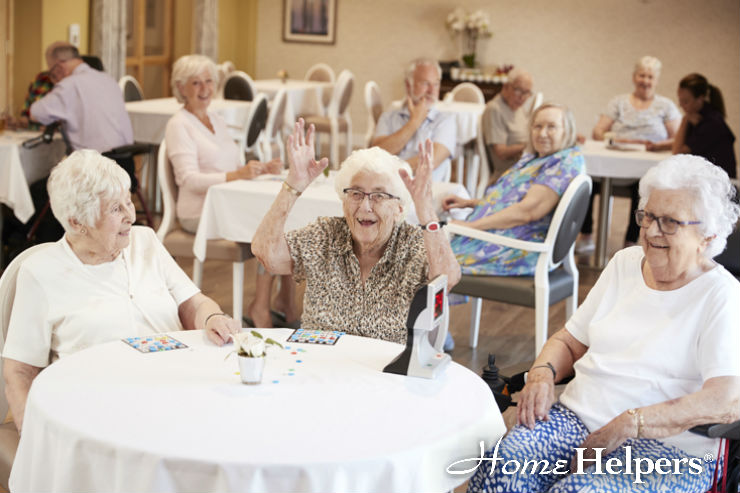
Playing Bingo Has Great Benefits for the Elderly

Did you know that Bingo has been recognized not only as a great pastime for the elderly, but also a great way to sharpen memory and thinking skills? It’s true! There are lots of positive benefits to playing Bingo on a regular basis—let’s look at a few!

Inclusivity
It makes no difference whether you are physically challenged, sitting in a wheelchair, or struggling with dementia. Bingo has a fun way of bringing together family and friends to create the perfect environment of fun where everyone feels welcome! No matter your skill level, you can play and have a lot of fun, even if you’re just beginning.

Improves Physical Health
Bingo is not exactly a game that gives you a cardio workout, but it does bring its own benefits! Research has shown that elderly clients heading into their 80s do much better overall and need far less assistance with everyday tasks such as getting dressed if they had an active social life. Bingo is just one way elderly friends can get together and have some fun, making this research more valid than ever! The study concluded that people with active social interaction with friends remained free of disabilities and challenges about twice as long as those who do not interact with friends.

Provides an Outlet for Social Interaction
Seniors are often susceptible to depression or anxiety. Having a social life that is active is one of the best ways to combat these problems! What better way than Bingo for seniors to hang out with friends, and even make new friends who can continue the friendship outside the Bingo Hall!

Improves Mood
We all need laughter in our lives and seniors are no different! Laughter releases our “feel good” hormones called endorphins, and that is what gives us relief from stress and elevates our mood. Laughing together with friends and family creates an overall feeling of calm and wellbeing, and even can relieve chronic pain! Having a good time is good for what ails you, whether it’s emotional or physical, and seniors are no different!

Promotes Healing
Other studies have shown that seniors who undergo surgical procedures or have been in the hospital will recover faster with shorter hospital stays when they have an active social life playing games like Bingo. This is partly due to the positive power of endorphins as they recover.

Helps Sharpen Cognitive Functions
Playing Bingo makes us think a little bit about the information in front of us. As we try to retain that info, the game of Bingo has done a very important job in helping seniors with cognitive challenges to stay engaged in the game and thinking through their options. It’s a good exercise for the brain to listen for the numbers called out and to try to quickly locate them on the board. Just this simple game can sharpen memory and help seniors think more quickly!

Improves Hand-Eye Coordination
As seniors continue to age, they may notice that reflexes and hand-eye coordination can be decreased. Bingo has a pretty fast pace and keeps the players engaged and focused, looking for the numbers that have been called out. While this is engaging the hand, brain, and eyes, it is also delaying the onset of issues such as dementia or Alzheimer’s Disease.

Who knew Bingo could have so many positive effects on our elderly loved ones? If you want to know more information or are just curious about how Bingo can help the seniors in your life, please contact us today!

Home Helpers is a locally-owned, trusted home health care agency and offers quality, compassionate senior in-home care services including home care assistance, personal care, companion care, respite care, 24-hour live-in care, Alzheimer’s & dementia care, Parkinson’s care as well as homemaker services in Downers Grove, Addison, Glendale Heights, Glen Ellyn, Lisle, Wood Dale, Bensenville, and Plainfield, Illinois.

Legal Disclaimer
This blog provides general information and discussions about medicine, health, and related subjects. The words and other content provided in this blog, and in any linked materials, are not intended and should not be construed as medical advice. If the reader or any other person has a medical concern, he or she should consult with an appropriately-licensed physician or other healthcare workers.

Never disregard professional medical advice or delay in seeking it because of something you have read on this blog or in any linked materials. If you think you may have a medical emergency, call your doctor or 911 immediately.

The views expressed on this blog and website have no relation to those of any academic, hospital, practice or other institution with which may have been mentioned or linked to in the article

Categories

Exercises for Improving Balance in Seniors

As seniors grow older, you may notice increasing problems with balance. This increases the risk of falling, which can have terrible consequences. Their bones are more fragile and falling can easily mean a broken hip. The good news? There are many exercises that are simple and easy and can be done right from home with no special equipment! Here are a few exercises that will increase balance and mobility in your senior loved one.

Tightrope Walk

This exercise is a favorite among many seniors and caregivers. It helps get them moving while easily improving balance. It’s best done in a long narrow space such as a hallway. In this way, the senior will the wall to help steady them should they feel like they are going to trip or fall. If there is no hallway to use, simply have another person nearby to spot the senior as they do the exercise
For this exercise, the title says it all. Walking as though the person is on a tightrope, which is heel-to-toe. This is also what police officers use when testing for sobriety. Place the heel of one foot against the toes of the other foot and try to take several steps in that manner. If walking that way is uncomfortable or scary, the senior could just practice standing in that position without walking. Remember that a wall may help steady the movement if needed.

Flamingo Stand

This is one of the simplest exercises to help improve balance. Just like the name suggests, the person just stands on one foot while lifting the other foot off the ground a few inches. The next step is to hold that position for a few seconds and try to increase that time each time the exercise is performed. Again, a wall or chair can be used to help steady the person, and as they grow stronger, they can increase the time standing unaided on one foot.

Leg Raises

This is a simple and easy exercise but has enormous benefits. The person needs only a chair. Simply have them stand behind the chair with their hands gripping the chair, and then raise the legs behind them one at a time about 6 inches off the ground. Repeat this 10-15 times before switching sides. This exercise can also be done lifting the leg to the side rather than behind.

Sit to Stands

Sitting exercises can be a bit more challenging because they are working the core muscles as well as strength in the hamstrings. The idea with this is to have the person seated in a chair with feet flat on the floor at the same width apart as the shoulders. Stand up slowly without moving the torso. Hold the standing position for several seconds and then slowly sit back down in the chair. If balance is particularly difficult, have a chair in front of the senior so they can steady themselves as they stand up. Repeat this motion several times.

For more information on how to improve balance and stamina in seniors, please contact us today!

Home Helpers is a locally-owned, trusted home health care agency and offers quality, compassionate senior in-home care services including home care assistance, personal care, companion care, respite care, 24-hour live-in care, Alzheimer’s & dementia care, Parkinson’s care as well as homemaker services in Downers Grove, Addison, Glendale Heights, Glen Ellyn, Lisle, Wood Dale, Bensenville, and Plainfield, Illinois.

Legal Disclaimer
This blog provides general information and discussions about medicine, health, and related subjects. The words and other content provided in this blog, and in any linked materials, are not intended and should not be construed as medical advice. If the reader or any other person has a medical concern, he or she should consult with an appropriately-licensed physician or other healthcare workers.

Never disregard professional medical advice or delay in seeking it because of something you have read on this blog or in any linked materials. If you think you may have a medical emergency, call your doctor or 911 immediately.

The views expressed on this blog and website have no relation to those of any academic, hospital, practice or other institution with which may have been mentioned or linked to in the article
Categories

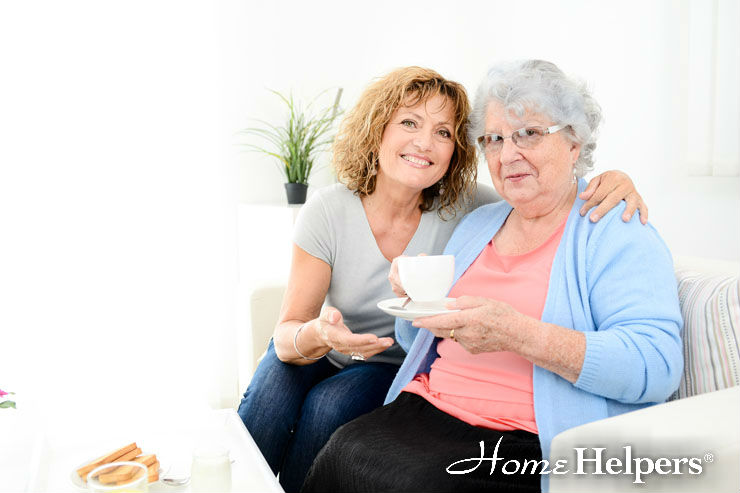
Special Father’s Day Ideas for Seniors

If you’re fortunate enough to have your own father in your life as a senior or are a caregiver for a senior dad, there are lots of ways to make their Father’s Day fun and special! Let’s look at some great ideas…

  1. Try Bowling. Bowling is fun, no matter how old you are! It’s an activity that every family member can enjoy together, from tots all the way to seniors! Get Dad out there and help him have some fun at the bowling alley!
  2. Take Him to a Ballgame. What guy doesn’t love a good ballgame? Not only is it an American classic pastime, but it’s a super fun way to forget your troubles and go root for your team!
  3. Fishing. Dad’s love to fish, no matter how old they are! Seniors often enjoyed fishing in years past and really love to pass the time with someone who will do it with them. Maybe they are not safe to go out on their own, but would love to do it again if someone would go enjoy it along with them!
  4. Try Having a Game Night or Card Game. Ask Dad which board games he enjoyed in the past and then pull one out and play it together. Perhaps you have favorites from your childhood that are still popular and easy to play. It may even be a great idea to invite some old friends and make a night of it!
  5. Get Dad to Tell Some Stories. Seniors love it when they are asked to reflect and tell stories from earlier days. Even if they have dementia or other memory decline, they often have no troubles with long-term memory, so they can recall events and stories from years back. Learn something new by asking them to share a story, and record it for future generations!
  6. Go Golfing. A game of golf is something that can be enjoyed together no matter how old you are, or how skilled you might be! Get out on a favorite golf course and just see what the day brings!
  7. Show Him Something New. The internet has become much more friendly to seniors. Try teaching Dad a way to enjoy social media, or use Skype so they can enjoy talking to loved ones. Not only does it stimulate their mental health, but it will do wonders for their quality of life. A simple tablet or small computer is all that is needed. If they have a smartphone, perhaps you could teach them new tricks to enjoy with it!

Don’t miss the opportunity this Father’s Day to enjoy the senior dad in your life! As you can see, it doesn’t need to cost a lot of money to make a lot of special memories! For more info on how to make holidays special for seniors, contact us today!

Home Helpers is a locally-owned, trusted home health care agency and offers quality, compassionate senior in-home care services including home care assistance, personal care, companion care, respite care, 24-hour live-in care, Alzheimer’s & dementia care, Parkinson’s care as well as homemaker services in Downers Grove, Addison, Glendale Heights, Glen Ellyn, Lisle, Wood Dale, Bensenville, and Plainfield, Illinois.

Legal Disclaimer
This blog provides general information and discussions about medicine, health, and related subjects. The words and other content provided in this blog, and in any linked materials, are not intended and should not be construed as medical advice. If the reader or any other person has a medical concern, he or she should consult with an appropriately-licensed physician or other healthcare workers.

Never disregard professional medical advice or delay in seeking it because of something you have read on this blog or in any linked materials. If you think you may have a medical emergency, call your doctor or 911 immediately.

The views expressed on this blog and website have no relation to those of any academic, hospital, practice or other institution with which may have been mentioned or linked to in the article
Categories

Tips for Managing Caregiver Stress

If you are a caregiver for a senior loved one, you know how tough it can be, both mentally and physically. It can be overwhelming, especially if it becomes a full-time job! You need to expect some adjustments and know that even if it’s hard to manage the stress, there are ways to do it that will help you. We’ve put together several coping skills so you can deal with the tough times that always come from being a caregiver around the clock.

Here are some tips to reduce caregiver stress:

Take Time for Yourself. Caregiving is demanding of your time. Be sure to make time to spend with the other loved ones and friends in your life. Keep doing hobbies you love, read good books and be kind to yourself. Simple things like taking a walk can help you gather your thoughts and recharge your battery. Meditation and breathing are also very helpful!

Ask for Help. No one can do this alone. You will absolutely need to be free to ask for help or you’ll head straight into caregiver burnout! Asking for help is not a sign of failure. Not only does it give you a break, but it gives other people the opportunity to get involved in your loved one’s care. Consider finding a support group or check into an adult daycare facility—they are there to help you!

Stay Healthy. Caregivers face an increased risk of cardiac disease and diabetes. Don’t neglect your own health while you’re caring for someone else! There is no doubt you are more vulnerable to things like colds and flu, so be sure to eat healthy meals and get the sleep you need. Stay active, and exercise regularly—it is a great way to work out the stress!

Set a Schedule and Plan Ahead. Make a to-do list so you can check off the things that are important for that day. A routine is critical to success in caregiving, and it will also help the patient when they know what to expect next. Removing unknowns will create peace and stability. Plan ahead for meals, doctor appointments and visiting time with friends and family!

Finally, remember that there are tons of resources to help and support you! Be sure to take advantage of them. We are always here to help, so if you need more tips on coping with stress, contact us today!

Home Helpers is a locally-owned, trusted home health care agency and offers quality, compassionate senior in-home care services including home care assistance, personal care, companion care, respite care, 24-hour live-in care, Alzheimer’s & dementia care, Parkinson’s care as well as homemaker services in Downers Grove, Addison, Glendale Heights, Glen Ellyn, Lisle, Wood Dale, Bensenville, and Plainfield, Illinois.

Legal Disclaimer
This blog provides general information and discussions about medicine, health, and related subjects. The words and other content provided in this blog, and in any linked materials, are not intended and should not be construed as medical advice. If the reader or any other person has a medical concern, he or she should consult with an appropriately-licensed physician or other healthcare workers.

Never disregard professional medical advice or delay in seeking it because of something you have read on this blog or in any linked materials. If you think you may have a medical emergency, call your doctor or 911 immediately.

The views expressed on this blog and website have no relation to those of any academic, hospital, practice or other institution with which may have been mentioned or linked to in the article

Categories

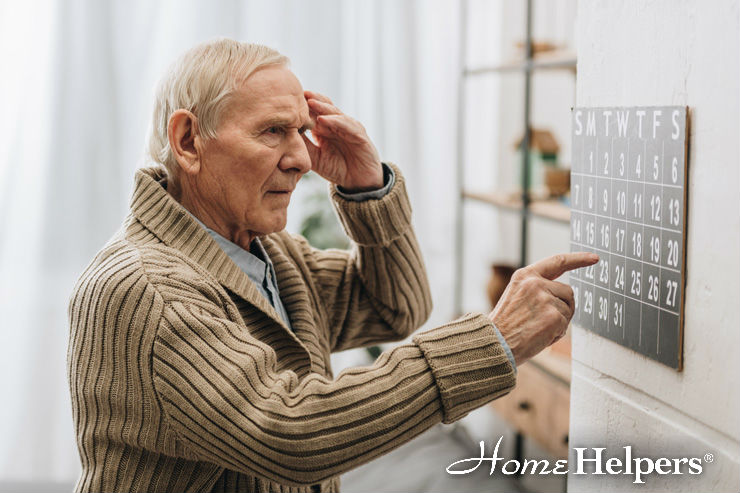
Memory Loss: When to Be Concerned

Have you ever heard the phrase, “you can’t teach an old dog new tricks?” Many seniors start worrying that they are losing memory and cognitive thinking skills as they age, and many of them think it just comes with growing older. To some degree, that can be true, but how do you know the difference between normal memory loss from aging and a cognitive decline such as dementia? Read on….

How Do You Know What’s Normal?
There are differences between forgetfulness that comes with aging and a more serious memory problem. The biggest difference is if there is a struggle to do normal tasks. Everyone is forgetful at times, but if it hampers your ability to think clearly, you should talk to a doctor about it. Here are some other points that might help you pinpoint the difference:

  • If driving becomes frightening for fear of getting lost
  • Being in familiar places and not remembering where you are or how to get home.
  • Inability to remember and follow directions
  • Confusion about the date, time, or relevant people or events.

Mild Cognitive Decline
Many older adults do develop mild memory or cognitive impairment that can be treated. They don’t usually have any major problems doing normal tasks or caring for themselves. While mild memory impairment may be an early sign of dementia or Alzheimer’s, this is not always the case.

Signs of a more serious memory impairment might include:

  • Always losing things.
  • Inability to remember appointments, events, or normally scheduled tasks.
  • Searching for vocabulary words to express what they are feeling.
  • Frustration trying to communicate effectively
  • Not remembering the names of loved ones, or which name goes with which face.

If your loved one is struggling with this type of memory decline, it’s important to see a doctor at least twice a year to monitor the progression. While there are no medications that are effective for mild memory loss, there are things you can do to help manage it well.

Dementia
The loss of cognitive function that affects every part of daily life is called dementia. Dementia starts with memory loss and can progress to the point that the individual is no longer safe to live on their own. Reasoning skills, remembering people, places, and names, and the ability to problem-solve are very impacted by dementia. 
While memory loss is the most obvious sign of onset dementia, there are other things to look for as well, such as a short attention span, inability to communicate effectively and clearly, looking for words all the time, and even visual perception. Alzheimer’s is the most common and most severe form of severe dementia and normally happens in older adults over the age of 65.

When to Visit the Doctor
It’s important to talk to a doctor if memory problems are concerning you. Dementia is not the only thing that causes memory loss. It can also come from certain infections, medications, substance abuse, and even depression. Only a doctor can help determine the cause and how to treat it. If it is a neurological disorder such as Alzheimer’s, your doctor can help manage the symptoms and get the best care possible. 
Be sure to ask a physician before you attempt to use supplements or other products that claim to help memory loss.

For more information on managing memory loss, dementia, or Alzheimer’s, please contact us today.

Home Helpers is a locally-owned, trusted home health care agency and offers quality, compassionate senior in-home care services including home care assistance, personal care, companion care, respite care, 24-hour live-in care, Alzheimer’s & dementia care, Parkinson’s care as well as homemaker services in Downers Grove, Addison, Glendale Heights, Glen Ellyn, Lisle, Wood Dale, Bensenville, and Plainfield, Illinois.

Legal Disclaimer

This blog provides general information and discussions about medicine, health, and related subjects. The words and other content provided in this blog, and in any linked materials, are not intended and should not be construed as medical advice. If the reader or any other person has a medical concern, he or she should consult with an appropriately-licensed physician or other healthcare worker.

Never disregard professional medical advice or delay in seeking it because of something you have read on this blog or in any linked materials. If you think you may have a medical emergency, call your doctor or 911 immediately.

The views expressed on this blog and website have no relation to those of any academic, hospital, practice or other institution with which may have been mentioned or linked to in the article.

Categories

3 Ways to Help Seniors Improve Their Memory

Sights, Scents, and Sounds Help Bring Memories to Mind

Everybody complains of memory loss as we grow older. Whether we’re looking for car keys, important paperwork or trying to remember someone’s name, it seems we have had to accept that memory loss just comes with the aging process. When older adults suffer from dementia or Alzheimer’s, memory loss can be much more pronounced and difficult to deal with. There are some ways to help make it better, though. Let’s look at some tips!

If you are a caregiver for a dementia patient, you already know that they depend on you to be their memory. By spending time talking about stories from the past, various family members, and momentous occasions, you will be able to help spark those memories in your loved one. Here are a few ways to help trigger those good memories.

1. Smells Can Trigger Memories
Of all our senses, smell is the most pronounced and also the most commonly connected to memories. It’s amazing how even distant memories can become crystal clear when you smell something that reminds you of that time. For those with dementia, smells can be a powerful stimulant.

Studies have shown that the sense of smell can trigger our memories and take us way farther back in time than visual or verbal cues. Certain smells brought many participants in the study an instant memory all the way back from childhood. Something as simple as baking cookies or a favorite meal can be a wonderful way to not only trigger happy memories but also open up the door to have meaningful conversations.

2. The Power of Music
Memories have two types—implicit and explicit. When you think about past memories and attempt to deliberately go back to a certain time or place, this is called explicit memory. Implicit memories are unintentional and tend to be more reactive. However, it’s the explicit memory that is so often damaged by dementia and Alzheimer’s Implicit memories can be strongly connected to music due to the emotional nature of those memories.

Music can bring us back to favorite memories, so it’s a wonderful tool to help seniors recall memories that they may not think of often. It can evoke strong emotions and become very personal, which is very comforting to most seniors.

3. Aiding Memory with Puzzles
Memories can develop atrophy just like other muscles that require exercise. We have all heard “use it or lose it.” The more we can stimulate the brain, the more “exercise” the memory part of the brain gets. Using games, crossword puzzles, etc., can be very helpful with keeping the mind active and able to problem solve and process information. If your loved one can still write and read with no difficulty, consider acquiring some logic-type games with either letters or numbers. These puzzles don’t require math skills; just the ability to think. This is easy to do with puzzle books online games or even the crossword puzzles in the newspaper.

Here are a few extra tips to stimulate memory:

  • Keep a folder full of pictures of the life and friends of your loved one so they can see them often and keep the memories strong through visual stimulation. 
  • Make a scrapbook together. You can gather items that represent different eras of your loved one’s life such as concert tickets, passport stamps, driver license, love letters, etc. 
  • Record your loved one on video talking about the things that are dear to them. They can tell you stories about family members, favorite memories and life events. This is a wonderful legacy of love!!

For more information on how you can stimulate the memory of your older adult, contact us today!

Home Helpers is a locally-owned, trusted home health care agency and offers quality, compassionate senior in-home care services including home care assistance, personal care, companion care, respite care, 24-hour live-in care, Alzheimer’s & dementia care, Parkinson’s care as well as homemaker services in Downers Grove, Addison, Glendale Heights, Glen Ellyn, Lisle, Wood Dale, Bensenville, and Plainfield, Illinois.

Legal Disclaimer
This blog provides general information and discussions about medicine, health, and related subjects. The words and other content provided in this blog, and in any linked materials, are not intended and should not be construed as medical advice. If the reader or any other person has a medical concern, he or she should consult with an appropriately-licensed physician or other healthcare workers.

Never disregard professional medical advice or delay in seeking it because of something you have read on this blog or in any linked materials. If you think you may have a medical emergency, call your doctor or 911 immediately.

The views expressed on this blog and website have no relation to those of any academic, hospital, practice or other institution with which may have been mentioned or linked to in the article
Categories

How Sandwich Generation Caregivers Can Relieve Stress

It’s stressful enough being a caregiver for an aging parent, but when you are also in the “sandwich generation,” things can be even harder. The sandwich generation refers to adults caring for senior parents as well as children young enough to still be in the home. The risk of problems related to stress is much higher for those who fall in this category of caregiving, and we thought it would be helpful to give you some tips for easing the stress of caring for two different generations.

Be Willing to Ask for Help. Most people have many friends and family who would genuinely love to help you if they just knew the need. Perhaps they know you need help but don’t know how to offer that help to you. Don’t be afraid to reach out and ask for assistance! You can’t possibly do everything for everyone and keep yourself sane in the process, so write down a few ways that your friends and family could help lighten your load. It might be doing errands or helping drive to doctor appointments, etc. Not receiving help from others will surely lead to burnout and exhaustion, rendering you no good to anyone.

Consider the Option of In-Home Care. If you have parents who need some help, why not look into having a care assistant come to your home so you can have a break! Not only does this lighten the load, but also gives you the assurance that they are in the hands of a competent professional. This would allow you to increase your time spent with your own children and family members!

Make it a priority to take care of yourself. You should put the same amount of energy and dedication in caring for yourself as you do everyone else around you! If you are worn down, burned out, and unable to get good sleep, you won’t be much good to anyone. Be kind to yourself with a healthy diet, a little time each day to take a quick walk, and go on a date night with your spouse! Those connection times will refuel your tank so you can be the caretaker that you need to be.

Maximize your time by combining activities and effort. Being a caretaker to two different generations can be challenging, but it does not mean you have to evenly divide yourself down each generation. When possible, look for similar tasks that are required for both your children and your parents, and see if those things could be combined. Things like cooking double batches of food and grocery shopping for both households are good ways to help combine your efforts so you have more free time.

We all need personal times of solitude. This can be especially true in a house where there are very young children, as well as the activity of caring for seniors. However, many seniors are not aware of how technology works and that it’s a great way to keep up with someone you love for free!

We should never be too proud to ask for help—after all, it may be the difference between feeling like you have some sanity left or not! For more information on the Sandwich Generation’s unique needs, please contact us today!

Home Helpers is a locally-owned, trusted home health care agency and offers quality, compassionate senior in-home care services including home care assistance, personal care, companion care, respite care, 24-hour live-in care, Alzheimer’s & dementia care, Parkinson’s care as well as homemaker services in Downers Grove, Addison, Glendale Heights, Glen Ellyn, Lisle, Wood Dale, Bensenville, and Plainfield, Illinois.

Legal Disclaimer

This blog provides general information and discussions about medicine, health, and related subjects. The words and other content provided in this blog, and in any linked materials, are not intended and should not be construed as medical advice. If the reader or any other person has a medical concern, he or she should consult with an appropriately-licensed physician or other healthcare worker.

Never disregard professional medical advice or delay in seeking it because of something you have read on this blog or in any linked materials. If you think you may have a medical emergency, call your doctor or 911 immediately.

The views expressed on this blog and website have no relation to those of any academic, hospital, practice or other institution with which may have been mentioned or linked to in the article.

Categories

How Dance Can Improve the Lives of Seniors

Did you know that seniors can actually overcome many challenges of aging simply by dancing? It’s true! While we might not think of dance as something elderly people like to do, you might be surprised if you just ask them! As a caregiver for seniors, there are many ways you can incorporate dance into their lifestyle. They may enjoy signing up for a dance class tailored especially for seniors, or perhaps they could use a video to get up and dance like nobody’s watching! Even still, you could hire a private dance instructor to come to the home and help them have some fun! Beyond the great physical benefits, here are some ways that dance can improve the quality of life for your older adult!

1. Cognitive Function
In order to dance, fine motor skills need to be in operation. Coordinating the movement to music is an excellent way to keep their mind sharp! Memory is also improved as they learn and remember different choreography.

Studies have shown us that dementia and Alzheimer’s can be slowed down or even prevented when caregivers dance with their senior clients or family members!

2. Improves Balance
Dancing causes several senses to be engaged at one time. Body movements like spinning or footwork allow the senior to improve his balance and coordination due to the muscle memory that dancing provides. This, in turn, allows them to be far more steady on their feet during the other parts of daily life, such as dressing and bathing. This improved balance most certainly helps to reduce the risk of falls!

3. Circulatory Stimulation
Any form of aerobic exercise gets the heart rate and blood flow going, and dance is no exception! Dancing allows for mild cardio exercise without all the strenuous movements that can normally be found in exercise routines. All this circulation provides blood flow to the brain, which sharpens memory and mood, as well as relieves achy or stiff joints and muscles. Another wonderful part of dancing is that the senior adult can do it alone or with others. This means they can take breaks and go at their own pace.

4. Helps Reduce Loneliness and Depression
Because dance is a form of self-expression, it allows seniors to stay tuned in and connected with their own body, which improves self-esteem and confidence. It’s a proven fact that music has an enormous effect on our spirits and can be a wonderful mood lifter. As seniors dance to their favorite music, loneliness and depression can greatly be reduced. They may enjoy sharing memories of dancing during their younger years. If the music is positive and uplifting, these memories can be a source of happiness, rather than sadness.

If the senior is able to enjoy dancing with other people in a dance class, this can be a huge way to make new friends and combat loneliness. Perhaps they could work up to preparing for a performance with other people in a class, giving them a sense of purpose and fulfillment as they participate in their community activities.

For more information on how dance can improve the lives of seniors, please contact us today!

Home Helpers is a locally-owned, trusted home health care agency and offers quality, compassionate senior in-home care services including home care assistance, personal care, companion care, respite care, 24-hour live-in care, Alzheimer’s & dementia care, Parkinson’s care as well as homemaker services in Downers Grove, Addison, Glendale Heights, Glen Ellyn, Lisle, Wood Dale, Bensenville, and Plainfield, Illinois.

Legal Disclaimer

This blog provides general information and discussions about medicine, health, and related subjects. The words and other content provided in this blog, and in any linked materials, are not intended and should not be construed as medical advice. If the reader or any other person has a medical concern, he or she should consult with an appropriately-licensed physician or other healthcare worker.

Never disregard professional medical advice or delay in seeking it because of something you have read on this blog or in any linked materials. If you think you may have a medical emergency, call your doctor or 911 immediately.

The views expressed on this blog and website have no relation to those of any academic, hospital, practice or other institution with which may have been mentioned or linked to in the article.

Categories

Managing High Blood Pressure in Seniors

We live in an age where high blood pressure is incredibly common, and seniors are no different than the rest of the population. If a senior loved one in your life is dealing with high blood pressure, you may be wondering how to manage it properly. It all starts with making sure they have regular checkups by their doctor so it can be diagnosed quickly.

Here are a few tips that will help them manage it on their own as much as possible, and also things you as a caretaker can help them do. It doesn’t always have to involve medication, but that depends on the person.

Lose Weight — The number one cause for high blood pressure is being overweight. America is the fattest nation on earth and it leads to chronic illness, such as high blood pressure and diabetes. If your loved one is struggling to keep their weight under control, take the necessary steps to help them get it turned around. ALWAYS do it under the care of their physician.

Exercising — Exercising needs to be done in conjunction with a healthy diet to get the best results. It can be difficult to know what kind of activity a senior can safely do, but it is important that they get some kind of physical movement regularly.

Eat Healthy — This applies to all of us! We need good food in order to stay well. But for those with high blood pressure, certain foods are triggers and need to be avoided. Low fat, low cholesterol diets are important. Also, taking in more potassium and less sodium.

Eat Less Salt — High sodium in the diet can cause huge problems with high blood pressure and is often the first thing a doctor will talk about. It’s not just adding table salt when you eat; it’s also reading labels and avoiding huge sodium content. Packaged food of any kind is almost always high in sodium and should be avoided. Fresh, raw, organic plant-based food is the best way to change the eating patterns. A great way to get your senior adult started is by replacing salt with other spices and herbs.

Reduce Stress Levels — Make sure your loved one is getting enough rest and not carrying around worry over things in their lives. Stress can wreak havoc in our bodies and cause way more serious diseases. Engaging in things like yoga, meditation, walks outside, gardening will be wonderful to reduce stress. Even finding hobbies they enjoy or working with their hands can be very relaxing. Whether it’s needlepoint or coloring or working puzzles and word games, it’s all great for bringing down stress levels!

Reduce Caffeine — While caffeine doesn’t always cause blood pressure problems, it can contribute to it. It will cause some stress in your body since it is a stimulant, so your senior loved one should reduce the amount of caffeine they are taking in. If you aren’t sure whether or not caffeine is playing a role in high blood pressure, try logging the amount and time of when they drink coffee. Check the blood pressure before and after the coffee has been consumed and start seeing if there are any differences.

For more information and tips on managing blood pressure in your senior loved one, please contact us today!

Home Helpers is a locally-owned, trusted home health care agency and offers quality, compassionate senior in-home care services including home care assistance, personal care, companion care, respite care, 24-hour live-in care, Alzheimer’s & dementia care, Parkinson’s care as well as homemaker services in Downers Grove, Addison, Glendale Heights, Glen Ellyn, Lisle, Wood Dale, Bensenville, and Plainfield, Illinois.

Legal Disclaimer

This blog provides general information and discussions about medicine, health, and related subjects. The words and other content provided in this blog, and in any linked materials, are not intended and should not be construed as medical advice. If the reader or any other person has a medical concern, he or she should consult with an appropriately-licensed physician or other healthcare worker.

Never disregard professional medical advice or delay in seeking it because of something you have read on this blog or in any linked materials. If you think you may have a medical emergency, call your doctor or 911 immediately.

The views expressed on this blog and website have no relation to those of any academic, hospital, practice or other institution with which may have been mentioned or linked to in the article.

Categories

© Copyright 2026 H. H. Franchising Systems, Inc, All Rights Reserved.