The Benefits of Cognitive Stimulation for Seniors with Dementia in Hagerstown & Frederick
Cognitive stimulation involves engaging activities that challenge the brain, promote mental agility, and improve overall cognitive function. For seniors with dementia, cognitive stimulation can play a significant role in slowing cognitive decline, enhancing quality of life, and providing emotional and social benefits. Here’s an in-depth look at the benefits of cognitive stimulation for seniors with dementia and some practical ways to incorporate it into daily care in Hagerstown and Frederick.
1. Slowing Cognitive Decline
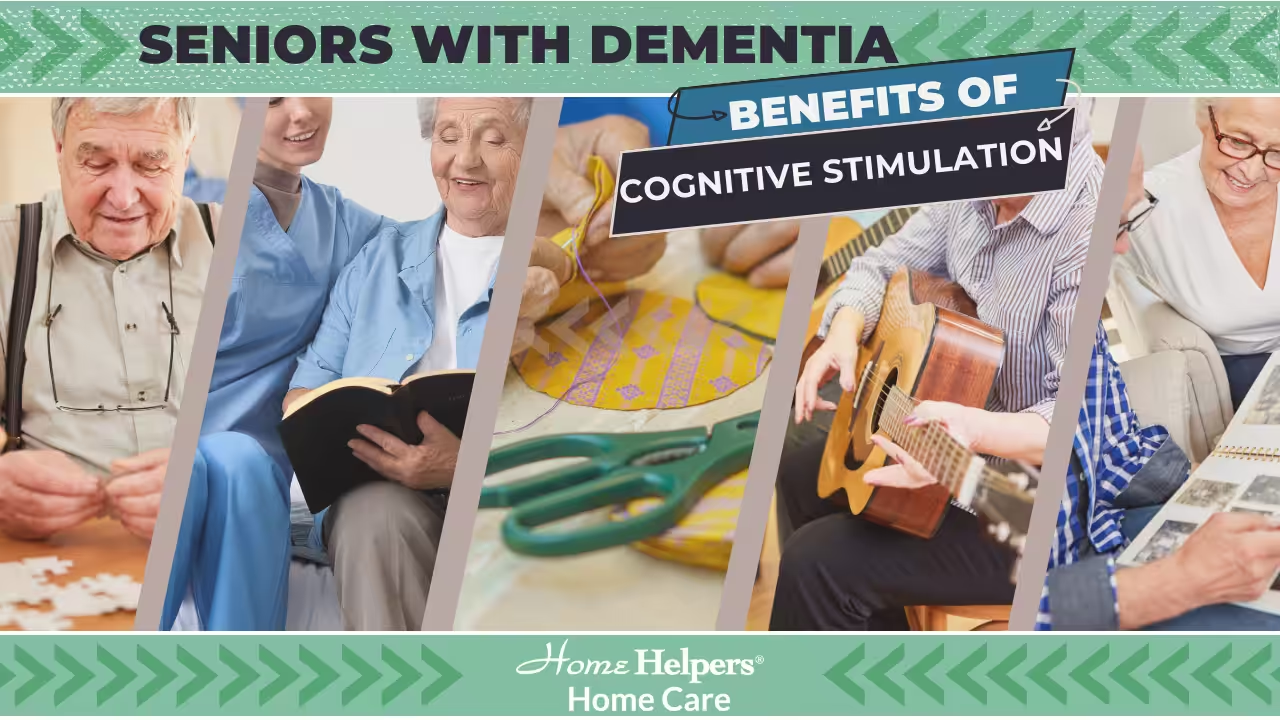
Engaging in cognitive stimulation activities can help slow the progression of cognitive decline in seniors with dementia. Regular mental exercise keeps the brain active and can help preserve cognitive functions such as memory, attention, and problem-solving skills. Activities such as puzzles, reading, and memory games are effective in maintaining mental sharpness.
2. Enhancing Memory
Memory loss is a common symptom of dementia. Cognitive stimulation can help improve memory retention and recall. Activities like reminiscing about past events, looking at old photographs, or engaging in memory exercises can strengthen neural connections and support better memory function.
3. Improving Mood and Emotional Well-Being
Cognitive stimulation can have positive effects on mood and emotional well-being. Engaging in enjoyable activities can reduce feelings of depression and anxiety, promote a sense of accomplishment, and boost self-esteem. This emotional uplift can significantly enhance the quality of life for seniors with dementia.
4. Promoting Social Interaction
Many cognitive stimulation activities involve social interaction, which is beneficial for emotional health and reducing feelings of isolation. Group activities, such as games, music therapy, or arts and crafts, provide opportunities for social engagement and foster a sense of community and belonging. In Hagerstown and Frederick, senior centers and community organizations offer events to help seniors stay active and socially engaged.
5. Enhancing Communication Skills
Dementia can affect language and communication skills. Cognitive stimulation activities that involve verbal interaction, such as storytelling, conversation groups, or singing, can help maintain and improve communication abilities. These activities encourage the use of language and can make it easier for seniors to express themselves.
6. Maintaining Independence
Cognitive stimulation helps seniors maintain their cognitive abilities, which can contribute to greater independence. By engaging in activities that challenge their thinking and problem-solving skills, seniors can improve their ability to perform daily tasks and make decisions, promoting a sense of autonomy and control.
7. Providing Routine and Structure
Incorporating cognitive stimulation into daily routines can provide structure and predictability, which are important for individuals with dementia. A consistent schedule of activities can reduce anxiety and agitation by creating a sense of normalcy and stability.
Practical Ways to Incorporate Cognitive Stimulation in Hagerstown & Frederick
Here are some practical ways to incorporate cognitive stimulation into the daily care of seniors with dementia in the Hagerstown and Frederick areas:
- Puzzles and Games: Provide puzzles, crosswords, Sudoku, and board games that challenge the mind and encourage problem-solving.
- Reading and Writing: Encourage reading books, newspapers, or magazines and writing letters, journals, or stories. The Washington County Free Library and the C. Burr Artz Public Library offer excellent resources for seniors.
- Arts and Crafts: Engage in creative activities such as painting, drawing, knitting, or crafting, which stimulate the brain and enhance fine motor skills. Art centers in both cities host workshops that seniors can enjoy.
- Music and Singing: Use music therapy to engage seniors in singing, playing instruments, or listening to their favorite songs. Many churches and community centers in Hagerstown and Frederick organize musical events for seniors.
- Reminiscence Therapy: Use photographs, videos, or memorabilia to trigger memories and encourage discussions about the past. The Washington County Historical Society and the Frederick County Historical Society offer exhibits and programs that can aid in memory recall.
- Educational Programs: Enroll in educational classes or workshops that cover topics of interest and provide mental stimulation. Local community colleges and senior centers frequently host such programs.
- Physical Activities: Combine physical exercise with cognitive challenges, such as dance classes, yoga, or tai chi, which benefit both the body and mind. The YMCA and local senior centers in Hagerstown and Frederick offer specialized fitness programs.
How Home Helpers Home Care Can Support You in Hagerstown & Frederick
Home Helpers Home Care provides comprehensive support for incorporating cognitive stimulation into the care of seniors with dementia. Our services in Hagerstown and Frederick include:
- Personalized Activity Plans: Developing tailored cognitive stimulation plans based on individual interests and abilities.
- Engagement and Interaction: Facilitating activities that promote mental engagement and social interaction.
- Companionship: Providing emotional support and companionship to enhance overall well-being.
- Monitoring and Adaptation: Regularly assessing and adjusting activities to meet changing needs and preferences.
Our goal is to enhance the quality of life for seniors with dementia through personalized and effective cognitive stimulation.
Conclusion
Cognitive stimulation offers numerous benefits for seniors with dementia, from slowing cognitive decline to improving mood and promoting social interaction. Home Helpers Home Care is dedicated to providing personalized support to help seniors in Hagerstown and Frederick engage in meaningful activities that enhance their cognitive health and overall quality of life.
For more information on how Home Helpers Home Care can support your family in Hagerstown and Frederick, visit our website or contact us directly.
#HomeHelpersHomeCare #WeAreHomeHelpers #HagerstownMD #FrederickMD
Sources: Alzheimer’s Association. (2023). Cognitive Stimulation Therapy. Retrieved from www.alz.org
National Institute on Aging. (2023). Cognitive Health and Older Adults. Retrieved from www.nia.nih.gov
Mayo Clinic. (2023). Dementia: Treatment and Care. Retrieved from www.mayoclinic.org
The Most Comprehensive Care In The Industry

Physical Wellness
We make daily life easier as needs change, with support for personal care, mobility, medication reminders, and recovery after a hospital stay.
Learn More
Mental Well-Being
Staying active and connected matters. Our caregivers provide companionship and meaningful engagement to support emotional health and independence.
Learn More
Nutrition & Hydration
Healthy meals and proper hydration are essential. We help with planning, shopping, and preparation to support daily wellness and energy.
Learn More
Active Connections
Strong relationships bring comfort and purpose. We help seniors stay connected through social engagement, technology, and regular check-ins.
Learn More