How Nutrition Affects Cognitive Function in Seniors in Washington and Frederick Counties MD
How Nutrition Affects Cognitive Function in Seniors in Washington and Frederick Counties MD
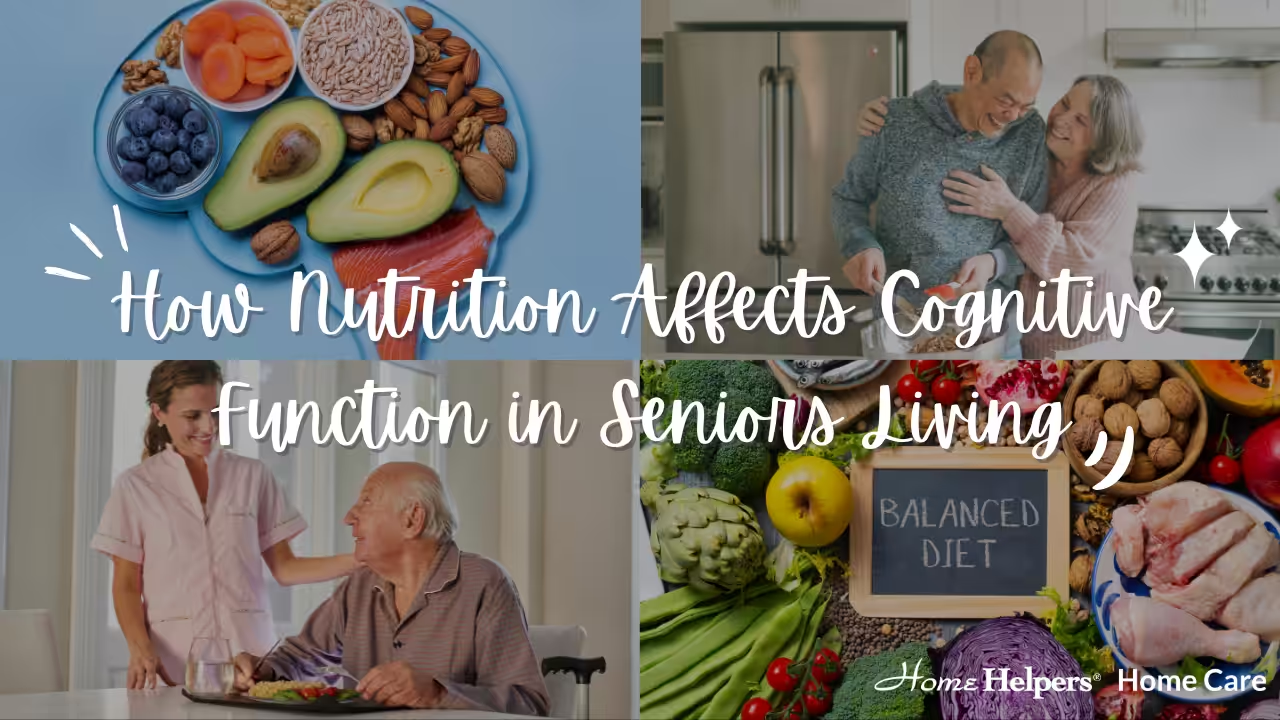
Aging brings many changes, but one of the most powerful ways to protect both body and mind is through proper nutrition. For seniors in Hagerstown, Frederick, and the surrounding Maryland communities, the link between diet and cognitive function is clear—and more important than ever.
The food we eat doesn’t just fuel the body—it also supports memory, concentration, and mood. For caregivers and families in Washington and Frederick counties, understanding how to create brain-friendly meals can help loved ones maintain independence and quality of life as they age.
Why Nutrition Matters for Brain Health
Our brains depend on a steady supply of nutrients to function. Essential vitamins, minerals, and healthy fats help reduce inflammation, repair cell damage, and regulate mood-related neurotransmitters.
According to the National Institute on Aging, “Diets rich in vegetables, fruits, whole grains, fish, and healthy fats may help protect brain health.”¹ Eating patterns like the Mediterranean or MIND diets are especially beneficial in lowering the risk of Alzheimer’s and slowing cognitive decline.
Key Nutrients for Cognitive Support
Seniors in Hagerstown and Frederick can benefit from these nutrients in their everyday meals:
- Omega-3 Fatty Acids – Found in fatty fish like salmon and mackerel, they support memory and reduce brain inflammation.
- B Vitamins (B6, B12, Folate) – Support brain cell health and slow memory loss. Deficiencies are linked to cognitive issues.²
- Vitamin D – Crucial for nerve signaling and mood; many older adults are deficient, especially in the winter months.
- Antioxidants – Present in berries, leafy greens, and nuts, antioxidants fight oxidative stress linked to brain aging.
- Protein and Amino Acids – Aid in neurotransmitter production to regulate mood and cognitive function.
Diet Patterns That Promote Brain Health
Instead of focusing on single nutrients, Maryland health experts recommend adopting dietary patterns proven to support cognitive aging.
The Mediterranean Diet
This diet is full of whole foods—fruits, vegetables, whole grains, nuts, olive oil, and fish. Studies link it to improved memory and lower dementia risk.
The MIND Diet
A hybrid of the Mediterranean and DASH diets, MIND emphasizes leafy greens, berries, nuts, and poultry while limiting processed foods, cheese, and red meat.
Hydration
Dehydration can mimic dementia symptoms in older adults. Encourage regular fluid intake through water, herbal teas, broths, or fruits with high water content like oranges and cucumbers.
How Poor Nutrition Impacts Cognition
Seniors who consume highly processed foods, refined sugars, and saturated fats are more likely to experience:
- Brain fog or difficulty concentrating
- Memory decline
- Emotional instability
- Increased risk of Alzheimer’s or vascular dementia
In communities like Hagerstown and Frederick, where many seniors live independently or with limited support, poor nutrition often goes unnoticed until health issues arise. Caregivers should be alert for signs such as appetite changes, fatigue, or unexplained weight loss.
Supporting Seniors with Healthy Eating
Making nutrition easier and more enjoyable for seniors doesn’t have to be complicated:
- Add colorful fruits and vegetables to every meal
- Choose nutrient-rich snacks like Greek yogurt or almonds
- Cook in bulk or plan meals ahead for convenience
- Encourage hydration with easy-access drinks
- Share meals together to boost appetite and social connection
For those with dementia or memory concerns, familiar foods and consistent mealtime routines are especially important.
How Home Helpers Home Care of Hagerstown & Frederick Can Help
At Home Helpers Home Care of Hagerstown & Frederick, we know that food is more than fuel—it’s comfort, connection, and a cornerstone of well-being. Our Caregivers support seniors with:
- Meal planning tailored to cognitive needs and dietary restrictions
- Grocery shopping and preparation of balanced, brain-boosting meals
- Hydration tracking and support
- Encouraging mealtime consistency and companionship
- Adjustments for memory loss or dementia-related eating challenges
We’re proud to help families throughout Washington and Frederick counties provide nutrition that nurtures both body and mind.
Final Thoughts
Nutrition plays a vital role in brain health—and in the daily lives of seniors across Hagerstown, Frederick, and surrounding communities. With a little planning and support, healthy eating can help improve memory, lift mood, and slow cognitive decline.
Call Home Helpers Home Care of Hagerstown & Frederick today at (240) 428-7135 to learn how our compassionate Caregivers can help your loved one thrive.
References:
- National Institute on Aging. (2023). What Do We Know About Diet and Prevention of Alzheimer’s Disease? https://www.nia.nih.gov/health/what-do-we-know-about-diet-and-prevention-alzheimers-disease
- Smith, A.D., et al. (2010). Homocysteine-lowering by B vitamins slows the rate of brain atrophy in people with mild cognitive impairment: a randomized controlled trial. PLOS ONE.
Alzheimer’s Association. (2023). Nutrition and Alzheimer’s Disease. https://www.alz.org/alzheimers-dementia/what-is-dementia
The Most Comprehensive Care In The Industry

Physical Wellness
We make daily life easier as needs change, with support for personal care, mobility, medication reminders, and recovery after a hospital stay.
Learn More
Mental Well-Being
Staying active and connected matters. Our caregivers provide companionship and meaningful engagement to support emotional health and independence.
Learn More
Nutrition & Hydration
Healthy meals and proper hydration are essential. We help with planning, shopping, and preparation to support daily wellness and energy.
Learn More
Active Connections
Strong relationships bring comfort and purpose. We help seniors stay connected through social engagement, technology, and regular check-ins.
Learn More