
10 Considerations for Cancer Prevention in Clearwater
Author: Debbie Humphrey
In March 2025, a client of Home Helpers was diagnosed with stage 4 colon and liver cancer, and her doctor suggested that she get her affairs in order. This was shocking to the 83-year-old woman because she never smoked or drank, and aside from diabetes, she had few health issues.
All of that changed with the cancer diagnosis. She was hospitalized twice over the next few months: once for surgery to remove a blockage in her colon, and again when she became severely dehydrated. She passed away on October 3, 2025.
I’m not sure that I know anyone who has NOT directly or indirectly been impacted by cancer. I know people who have survived various forms of the disease and others who have succumbed to its devastating effects, like our client.
Cancer comes in a variety of forms and stages, and the very word generates feelings of fear and anxiety among patients and families.
As a Certified Senior Care Advisor and the President of Home Helpers Clearwater, I have had numerous opportunities to meet with seniors battling cancer and their family members to discuss ways a compassionate caregiver could make life easier during and after treatment, and as they approached the end of their life.
With so many men and women coping with this dreadful disease in whatever form, I have sought and found 10 considerations for cancer prevention in Clearwater from an academic leader in the medical community, Harvard Medical School.
- Avoid tobacco in all its forms, including exposure to secondhand smoke. You don't have to be an international scientist to understand how you can try to protect yourself and your family.
- Eat properly. Reduce your consumption of saturated fat and red meat, which may increase the risk of colon cancer and a more aggressive form of prostate cancer. Increase your consumption of fruits, vegetables, and whole grains.
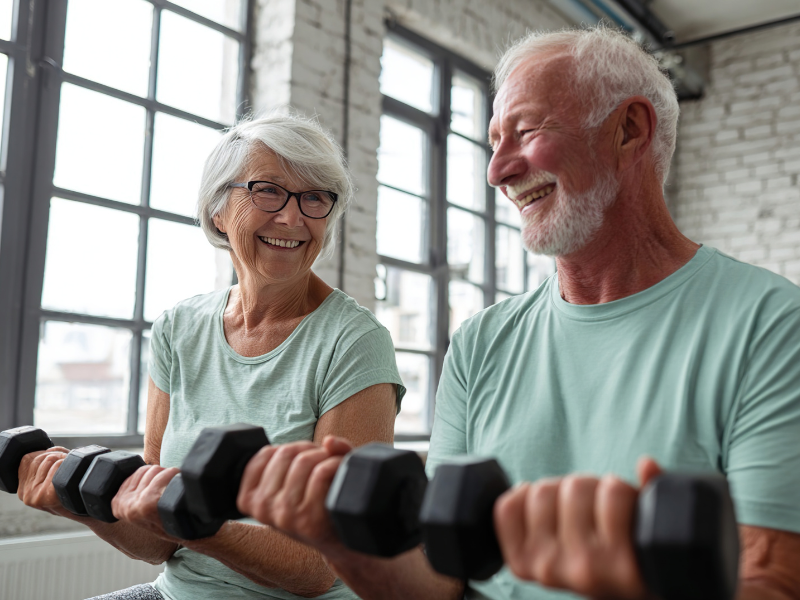
- Exercise regularly. Physical activity has been linked to a reduced risk of colon cancer. Exercise also appears to reduce a woman's risk of developing breast and possibly reproductive cancers. Exercise will help protect you even if you don't lose weight.
- Stay lean. Obesity increases the risk of many forms of cancer. Calories count: if you need to slim down, take in fewer calories and burn more with exercise.
- Limit alcohol. If you choose to drink, limit yourself to an average of one drink a day. Excess alcohol increases the risk of cancers of the mouth, larynx (voice box), esophagus (food pipe), liver, and colon; it also increases a woman's risk of breast cancer. Smoking further increases the risk of many alcohol-induced malignancies.
- Avoid unnecessary radiation exposure. Get medical imaging studies only when you need them. Check your home for residential radon, which increases the risk of lung cancer. Protect yourself from ultraviolet radiation in sunlight, which increases the risk of melanomas and other skin cancers. But don't worry about electromagnetic radiation from high-voltage power lines or radiofrequency radiation from microwaves and cell phones. They do not cause cancer.
- Avoid exposure to industrial and environmental toxins such as asbestos fibers, benzene, aromatic amines, and polychlorinated biphenyls (PCBs).
- Avoid infections that contribute to cancer, including hepatitis viruses, HIV, and the human papillomavirus, HPV. Many are transmitted sexually or through contaminated needles.
- Make quality sleep a priority. Admittedly, the evidence linking sleep to cancer is not strong. However, poor and insufficient sleep is associated with weight gain, which is a cancer risk factor.
- Get enough vitamin D. Many experts now recommend 800 to 1,000 IU a day, a goal that's nearly impossible to attain without taking a supplement. Although protection is far from proven, evidence suggests that vitamin D may help reduce the risk of prostate cancer, colon cancer, and other malignancies. But don't count on other supplements.
Since February is Cancer Prevention Awareness Month, these top 10 considerations for preventing cancer from a highly respected medical resource are worth remembering.
If cancer has impacted your life or the life of a loved one, I know it is scary and challenging. I employ the most compassionate caregivers at Home Helpers who assist senior women and men every day, and they are always ready, willing, and able to provide transportation to and from doctor appointments, cancer screenings, and treatments.
Additionally, these exceptional caregivers are highly trained to assist with personal care, light housekeeping, healthy meal planning and preparation, recuperative care, post-operative care, hospice support, respite care for family caregivers, and so much more. I gladly offer a FREE Consultation to identify specific ways we can help and create a personalized care plan to make life easier for you or your loved one battling cancer.
We, at Home Helpers® Clearwater, are honored to have been ranked among the Activated Insights Top 100 Leaders in Experience for home care providers in 2025 and to have received the Best of Home Care® Provider of Choice, the Best of Home Care® Employer of Choice, and the Best of Home Care® Leader in Experience Awards in 2025, along with the Caring Super Star 2026 Award.
Home Helpers Clearwater proudly serves male and female seniors, veterans, and differently abled individuals in Bayonet Point, Clearwater, Clearwater Beach, Dunedin, Gulfport, Holiday, Hudson, Largo, Madeira Beach, New Port Richey, North Redington Beach, Oldsmar, Palm Harbor, Pass A Grille, Pass A Grille Beach, Port Richey, Redington Shores, Safety Harbor, Saint Petersburg, Seminole, South Pasadena, Tarpon Springs, Tierra Verde, Treasure Island, Trinity, and surrounding areas. Home Helpers®…we are Making Life Easier® 727.942.2539
Source: