4 Common Ways to Pay for In-Home Care
The Caring Corner Blog
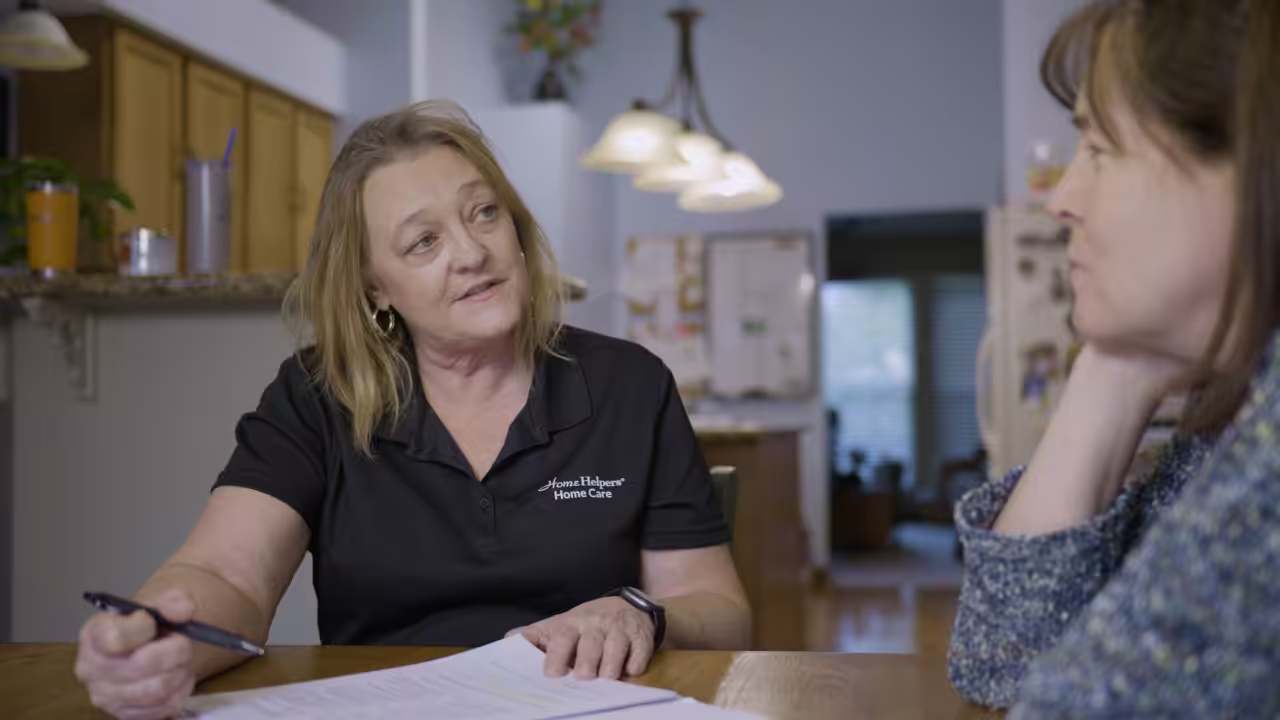
What families should know about private pay, Veterans benefits, public programs, and long-term care insurance
Deciding that a loved one may need extra help at home is a big step. Figuring out how to pay for that care can feel like another challenge altogether.
Families may already be thinking through safety concerns, changing routines, and what kind of care would allow their loved one to remain comfortable and independent at home. Maybe only a few hours of assistance are needed at first. Or maybe a loved one needs more consistent support with personal care, meals, mobility, medication reminders, or companionship.
As those needs become clearer, cost naturally becomes part of the conversation. Families want to know what to expect, what resources may be available, and how to plan in a way that feels realistic.
In this blog, we’ll walk through four common ways to pay for in-home care, including private pay, Veterans benefits, public programs, and long-term care insurance, so families can better understand their options and move forward with more clarity and confidence.
How Is the Cost of In-Home Care Determined?
Before families can decide how to pay for in-home care, it helps to understand what they are paying for.
Three important factors often shape the cost:
1. Type of Care Needed – Some families may need companion care or homemaker services, such as help with cooking, light housekeeping, grocery shopping, transportation, errands, or companionship. Others may need personal care, which includes hands-on assistance with activities of daily living, such as bathing, dressing, hygiene care, and mobility support. Specialized needs, such as dementia care, respite care, or support after an illness, injury, or hospital stay, can also affect the care plan.
2. Frequency of Care – The amount of care needed matters, too. Some individuals may only need a few hours of assistance each week, while others may need daily visits, overnight care, 24-hour care, or regularly scheduled wellness calls for check-ins and reminders.
3. Location and Level of Support – Where your loved one lives, the number of hours needed, whether care is hourly or 24-hour live-in care, and the level of specialization required can all influence cost.
The Genworth Cost of Care Survey is a useful resource for comparing the cost of care based on the geographic location of the care setting and the level of care required. Once families understand what can affect the cost of care, they can begin looking at payment resources.
How to Pay for In-Home Care
Paying for in-home care can feel like a big decision, but families often have more options than they realize. Some begin with private pay. Others may qualify for Veterans benefits, public programs, long-term care insurance, or a combination of resources.
Below are four common ways families pay for in-home care.
1. Private pay – With private pay, families use personal income, savings, retirement funds, or other personal resources to cover the cost of care. This option can offer flexibility because families can choose the amount of care, schedule, and services that best fit their loved one’s needs.
For some families, private pay may start with just a few hours of care each week. This can be a helpful way to introduce care gradually, especially when a loved one only needs assistance with errands, meals, companionship, or light household tasks.
As needs change, the care plan can be adjusted to include more frequent visits, personal care, overnight care, or additional services. Private pay may also be useful when care is needed quickly or when a family does not qualify for certain benefit programs.
2. Veterans Benefits – Veterans and their spouses may qualify for programs that can help pay for in-home care or make care at home more accessible.
Here are three options that are available:
- Aid and Attendance is a benefit that may provide additional monthly payments to eligible Veterans and survivors who need help with daily activities or are housebound. According to the U.S. Department of Veterans Affairs (VA), this benefit may apply when a Veteran needs another person to help with activities such as bathing, feeding, or dressing.
- The VA Community Care Network connects eligible Veterans with community providers when care is not available directly through a VA facility or when certain access standards are met. For Veterans who need help with daily activities, VA programs may include homemaker, home health aide, or respite care services.
- Veteran-Directed Care may also be an option for eligible Veterans who need personal care services and assistance with activities of daily living, such as bathing, dressing, or meal preparation.
Because eligibility, availability, and covered services can vary, Veterans and their families should contact the VA, their local VA Medical Center, or an accredited Veterans Service Organization to better understand which programs may apply.
3. Public Programs – Government programs such as Medicare and Medicaid are often part of the payment conversation, but coverage varies based on the program, eligibility requirements, care needs, and state of residence.
Medicare, a federal health insurance program in the U.S. for people age 65 or older, generally does not cover long-term personal care services, such as 24-hour-a-day care, home meal delivery, homemaker services, or other personal care services when that is the only type of care needed. However, it may cover certain home health services when specific requirements are met.
Families should review their coverage carefully or speak with Medicare to understand which services may apply.
Coverage for Medicaid varies by state and by program. Some Medicaid home and community-based services (HCBS) may allow eligible individuals to receive care in their own homes or communities. Because programs and eligibility requirements vary, families should check what is available in their state and speak with the appropriate Medicaid office or program representative.
For families who are caring for a loved one with dementia, the Guiding an Improved Dementia Experience (GUIDE) Model may be another resource to consider. GUIDE is a Medicare model that provides comprehensive care management, navigation services, and Caregiver support for beneficiaries with dementia.
For eligible beneficiaries, GUIDE may also include respite services, with the Centers for Medicare & Medicaid Services (CMS) reimbursing participating providers up to an annual cap of $2,500 per beneficiary.
Eligibility rules apply, so families should contact a participating GUIDE provider or Medicare representative to learn whether the model may apply.
4. Long-term care insurance – Long-term care insurance may help cover the cost of in-home care, depending on the policy.
Unlike traditional health insurance, long-term care insurance is designed for people who need ongoing assistance with daily activities or care related to chronic illness, disability, cognitive impairment, or other long-term needs.
Long-term care insurance can be a possible resource, but it is important to understand the policy before care begins. This option is not available to every family, and relatively few older adults have long-term care insurance.
Understanding these payment options can help families feel more prepared as they plan for care.
Because each Home Helpers® Home Care agency is independently owned and operated, available payment options vary by location, and not all agencies accept or participate in every payment method listed above.
Questions About In-Home Care Costs? We’re Here to Help
At Home Helpers® Home Care, we understand that paying for care can be one of the biggest questions families face when deciding whether in-home care is the right fit.
For nearly 30 years, we have partnered with families to create personalized in-home care plans that respect family dynamics, address practical needs, and adapt as situations change. Our Caregivers provide compassionate in-home care while helping families stay connected and informed.
Our holistic Cared-4℠ approach focuses on:
- Physical Wellness: We’re here to help with activities that are tough to handle alone. Whether it’s personal care, hygiene and cleanliness, staying active, keeping up with medications and appointments, support for chronic conditions, or keeping an eye on hydration and proper sleep, you can count on us.
- Mental Well-Being: Our top priority is building an emotional connection and keeping the mind active and engaged. We do this through games, mental activities, and specialized memory care. Through companionship and great conversations, we add those small touches that make a big difference.
- Nutrition and Hydration: We’re here to help with nutrition and hydration by planning meals, shopping for groceries, and preparing food. We can lend a hand in the kitchen, create balanced meals, and even monitor changes in appetite or eating habits to help your loved one live their best life.
- Active Connections: We love strengthening connections with family, friends, community, and the things you love to do. Whether it’s using online resources and devices to connect, planning social activities, keeping in touch with family, or supporting hobbies and interests, we make sure those connections thrive.
To learn more about our in-home care services, contact us today to schedule your FREE in-home care consultation or find a Home Helpers® Home Care agency near you.
During this conversation, we will answer your questions, learn about your family’s situation, and help you understand what the next steps might look like, with no pressure and no obligation.
FOR MORE EDUCATIONAL PIECES ABOUT HOME CARE 101, FOLLOW US ON FACEBOOK, INSTAGRAM, AND LINKEDIN.

The Most Comprehensive Care In The Industry

Physical Wellness
We make daily life easier as needs change, with support for personal care, mobility, medication reminders, and recovery after a hospital stay.
Learn More
Mental Well-Being
Staying active and connected matters. Our caregivers provide companionship and meaningful engagement to support emotional health and independence.
Learn More
Nutrition & Hydration
Healthy meals and proper hydration are essential. We help with planning, shopping, and preparation to support daily wellness and energy.
Learn More
Active Connections
Strong relationships bring comfort and purpose. We help seniors stay connected through social engagement, technology, and regular check-ins.
Learn More