
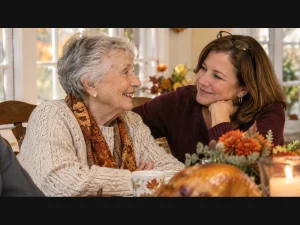
Thanksgiving is just around the corner, and many of us are looking forward to spending time with family and friends. For those with aging parents or relatives who live independently, the holiday may also be the first opportunity in months to see how they’re really doing.
A phone conversation can tell us a lot, but it doesn’t always reveal the full picture. It’s often during an extended visit that we begin to notice things we hadn’t picked up on before.
Perhaps your mom is moving more slowly than she did during your last visit. Your dad seems to have lost weight, or the refrigerator contains very little fresh food. Maybe the house isn’t quite as well maintained as it used to be.
Individually, these observations may not seem particularly concerning. But taken together, or when they represent a noticeable departure from someone’s usual behavior, they may suggest that additional support is needed.
Having spent nearly three decades working in healthcare and life sciences, I’ve learned the importance of recognizing changes early and understanding what may be contributing to them. My own experiences as a family caregiver have reinforced another important lesson: recognizing that someone needs help and figuring out how to provide it are two very different challenges.
Not every change is a cause for alarm. Aging affects people differently, and many older adults continue to live safely and independently well into their later years. What matters is recognizing changes from an individual’s usual level of functioning, particularly when those changes begin to affect daily activities, safety, or quality of life.
As families gather this Thanksgiving, here are seven areas worth paying attention to.
1. Changes in Personal Appearance and Hygiene
One of the first things families may notice is a change in personal appearance. Someone who has always taken pride in being well dressed may begin wearing the same clothes repeatedly or appear less attentive to grooming.
There can be several explanations. Arthritis may make buttons or zippers difficult to manage. Reduced mobility can make bathing more challenging. Fatigue, vision problems, depression, or changes in memory may also play a role.
Rather than assuming someone has simply stopped caring about their appearance, consider whether an underlying physical or cognitive challenge may be making these activities more difficult.
2. Changes in the Home Environment
The condition of someone’s home can offer useful clues about how they’re managing.
Unopened mail, accumulated laundry, spoiled food, or an unusual amount of clutter may indicate that everyday responsibilities are becoming harder to maintain.
The important consideration is whether this represents a change. Everyone has different standards for housekeeping, and a cluttered home alone doesn’t mean someone needs assistance.
However, when a previously organized person begins struggling to keep up with routine household tasks, it’s worth understanding why. Physical limitations, fatigue, changes in vision, and memory difficulties can all contribute.
3. Difficulty With Mobility and Balance
Mobility is one of the most important areas to observe because it directly affects a person’s ability to function safely at home.
Watch how your loved one gets up from a chair, walks across the room, or navigates stairs. Are they reaching for furniture to steady themselves? Do they appear hesitant when walking or have difficulty standing without assistance?
Changes in balance, strength, and walking patterns can increase fall risk. They may also reflect treatable conditions, medication effects, or deconditioning following an illness or period of inactivity.
These changes deserve attention, particularly if there has been a recent fall.
A healthcare provider can help determine whether physical therapy, medication review, assistive equipment, or other interventions may be appropriate.
4. Changes in Memory or Thinking
Some changes in memory occur with normal aging. Occasionally forgetting a name or misplacing an item is not necessarily concerning.
More significant changes may include repeatedly asking the same questions, missing important appointments, having difficulty following familiar routines, or becoming confused about medications or finances.
It’s important not to jump immediately to the conclusion that these symptoms indicate dementia.
Memory and cognitive changes can have multiple causes, including medication side effects, sleep disturbances, depression, infections, and other medical conditions. Some are treatable.
If you notice persistent or worsening changes, encourage your loved one to discuss them with a healthcare professional. A sudden change in mental status is different from gradual forgetfulness and requires prompt medical attention.
5. Changes in Eating Habits or Weight
Nutrition is another area that can be overlooked, especially when families live some distance apart.
A noticeable change in weight, limited food in the refrigerator, or an increased reliance on snacks and convenience foods may suggest that shopping or meal preparation has become difficult.
Sometimes the issue is physical. Standing long enough to prepare a meal may be exhausting, or arthritis may make food preparation painful. Other factors, including dental problems, medication effects, changes in appetite, or memory difficulties, can also contribute.
Unintentional weight loss should be discussed with a healthcare provider.
For some older adults, relatively simple adjustments—such as grocery delivery, help with meal preparation, or having someone available at mealtimes—can make a meaningful difference.
6. Withdrawal From Social Activities
Social engagement is an important component of healthy aging, yet changes in social behavior can be easy to miss.
Perhaps your loved one no longer attends church regularly, has stopped participating in senior center activities, or seems less interested in hobbies and friendships.
Before assuming this is simply a normal part of getting older, consider what may have changed.
Hearing difficulties can make conversations frustrating. Mobility limitations or concerns about driving may make it harder to leave home. Grief, depression, and other health concerns can also contribute to social withdrawal.
Understanding the reason is important because the appropriate support will depend on what’s actually preventing participation.
7. Difficulty Managing Everyday Responsibilities
Some of the most significant changes are not immediately visible.
Managing medications, paying bills, keeping appointments, arranging transportation, and maintaining a household all require a combination of physical ability, memory, organization, and judgment.
When these responsibilities begin to slip, families may not realize there’s a problem until something more serious happens.
Missed medication doses, unpaid bills, or increasing difficulty with familiar tasks deserve attention.
The goal should not be to take over responsibilities unnecessarily. Instead, consider which activities your loved one can continue managing independently and where additional support might help.
What If You Notice Something Concerning?
One of the most common mistakes families make is assuming that recognizing a problem means they need to solve everything immediately.
In most situations, the better approach is to begin with a conversation.
Ask your loved one how they’re managing and whether anything has become more difficult. Listen to their concerns and preferences before offering solutions.
It’s also important to distinguish between changes that may require medical evaluation and those that could be addressed through practical assistance.
For example, new mobility problems may warrant a medical assessment or physical therapy evaluation. Difficulty preparing meals may be addressed through meal delivery or in-home assistance. Increasing forgetfulness may call for a medication review or cognitive assessment.
Often, the most effective approach involves a combination of medical guidance, family involvement, and community-based support.
For families considering additional help, it’s worth remembering that support doesn’t have to be all or nothing. A few hours of assistance each week with household tasks, meal preparation, transportation, companionship, or personal care may be enough to address emerging needs while preserving independence.
A Different Kind of Thanksgiving Conversation
As someone who has spent years balancing professional responsibilities with family caregiving, I understand how difficult these conversations can be.
We want our loved ones to remain independent. We also want them to be safe, comfortable, and able to enjoy a good quality of life.
Those goals are not mutually exclusive.
One thing I’ve learned is that families often wait until a hospitalization, fall, or other significant event before discussing what additional support might look like. Yet many of these conversations are easier when they happen before a crisis.
This Thanksgiving, enjoy the time together. Share a meal, catch up on family news, and appreciate the traditions that bring everyone home.
But also take the opportunity to notice how your loved ones are managing and, when appropriate, have an open conversation about what might make everyday life a little easier.
You don’t need to arrive with a plan or a list of solutions.
Sometimes, simply asking “How are things going for you these days?” is the best place to start.
Bonnie’s Care Tip
When visiting aging loved ones this Thanksgiving, pay attention to changes in how they manage everyday activities, but don’t turn your holiday visit into an assessment. Enjoy your time together, observe naturally, and look for opportunities to have a private conversation about how things are going. Remember, the goal isn’t to take away someone’s independence. It’s to recognize when a little additional support might help preserve it.
About Care Notes
Care Notes with Dr. Bonnie Bain is a biweekly series offering practical insights on caregiving, aging in place, and supporting the families we love.
Dr. Bonnie Bain is CEO and Owner of Home Helpers® Home Care of North Shore, MA. With nearly 30 years of experience in healthcare and life sciences, she brings both professional expertise and personal caregiving experience to her work. She is committed to helping individuals and families navigate caregiving challenges while preserving dignity, independence, and quality of life.
Learn more at homehelpershomecare.com/north-shore-ma/.