
Why Person-Centered Community Care Matters for Autism Families
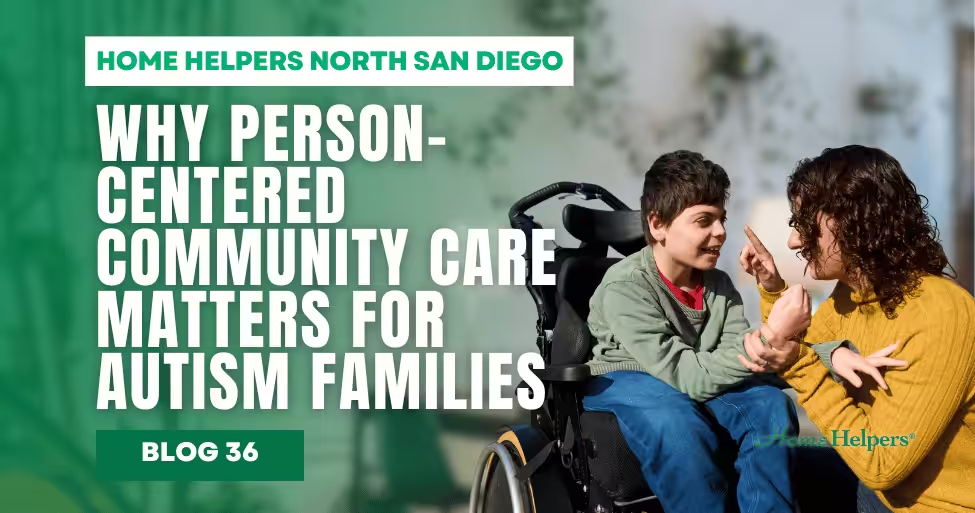
Families supporting a loved one with autism often balance many responsibilities at once, medical care, daily routines, emotional support, education, and long-term planning. Over time, this can feel overwhelming, especially when families feel like they are navigating complex systems on their own.
A growing approach in autism support combines person-centered care with strong community collaboration. This model brings families, healthcare providers, local organizations, and individuals with autism together to create more connected, supportive, and coordinated care experiences.
Rather than relying on a single provider, families benefit from a network of support working toward shared goals.
Table of Contents
What Community Collaboration Means for Autism Families
How Families Search for Local Autism Support
Why Person-Centered Planning Is Essential in Community Care
Support During the Transition to Adulthood
Why Community Collaboration Truly Matters
How Families Can Build Their Support Network
What Community Collaboration Means for Autism Families
Community collaboration means that care and support extend beyond one service or organization. It includes partnerships between:
- Healthcare professionals
- Community-based organizations
- Educational institutions
- Advocacy and family support groups
- Families and individuals with autism
One well-known example is Stanford’s IDD-Transform initiative, which brings together healthcare systems, individuals with developmental disabilities, and their families to improve access to adult healthcare. Programs like this also focus on educating providers so they better understand the needs of individuals on the autism spectrum.
For families, this type of collaboration leads to better communication, smoother coordination, and fewer gaps in care, especially during major life transitions.
How Families Search for Local Autism Support
Families often search online with questions such as:
- “What community resources are available for adults with autism?”
- “Where can families find autism support programs near us?”
- “How do I connect with other autism families in my area?”
Community-based collaboration helps answer these questions by creating visible, trusted programs families can find and rely on. These programs often include:
- Educational workshops for caregivers
- Family and peer support groups
- Care coordination and health education
- Social, recreational, and life-skills programs
When families are connected to local networks, they gain both practical support and emotional reassurance.
Why Person-Centered Planning Is Essential in Community Care
Person-centered planning ensures the individual with autism remains at the center of every decision. Instead of focusing only on available services, this approach asks:
- What are this person’s goals and interests?
- What routines help them feel comfortable and confident?
- What supports improve daily life?
When person-centered planning is combined with community collaboration, families benefit from shared knowledge and coordinated care. Providers work together instead of in isolation, and families have a meaningful voice in shaping plans that reflect real life.
This shared approach also helps reduce caregiver burnout by spreading responsibility across a supportive team.
Support During the Transition to Adulthood
One of the most common concerns families raise is:
“How do we support our loved one with autism as they become an adult?”
The transition from pediatric to adult services can feel complex. Community collaboration helps by:
- Coordinating healthcare and adult service providers
- Offering education around legal, financial, and future planning
- Connecting families to vocational training or adult day programs
- Supporting changes in routines and responsibilities
When organizations work together, families feel more confident navigating this important stage of life.
Why Community Collaboration Truly Matters
When a strong community network supports families, they often experience:
- Better access to trusted local resources
- Fewer gaps in care and communication
- Support during stressful life transitions
- Opportunities to learn from other autism families
Instead of feeling isolated, families become part of a shared system of learning and support. This benefits caregivers and improves quality of life for individuals with autism.
How Families Can Build Their Support Network
Families do not need to take every step at once. Small actions can make a meaningful difference:
- Ask current providers about local autism partnerships
- Attend community workshops or family education events
- Join caregiver or parent support groups
- Advocate for inclusive, person-centered programs
- Encourage participation from the individual with autism whenever possible
Active involvement helps families build stronger connections and ensures care stays aligned with personal goals and daily needs.
The Most Comprehensive Care In The Industry

Physical Wellness
We make daily life easier as needs change, with support for personal care, mobility, medication reminders, and recovery after a hospital stay.
Learn More
Mental Well-Being
Staying active and connected matters. Our caregivers provide companionship and meaningful engagement to support emotional health and independence.
Learn More
Nutrition & Hydration
Healthy meals and proper hydration are essential. We help with planning, shopping, and preparation to support daily wellness and energy.
Learn More
Active Connections
Strong relationships bring comfort and purpose. We help seniors stay connected through social engagement, technology, and regular check-ins.
Learn More