How Nutrition Affects Cognitive Function in Seniors Living
How Nutrition Affects Cognitive Function in Seniors Living in Martinsburg and the Eastern Panhandle
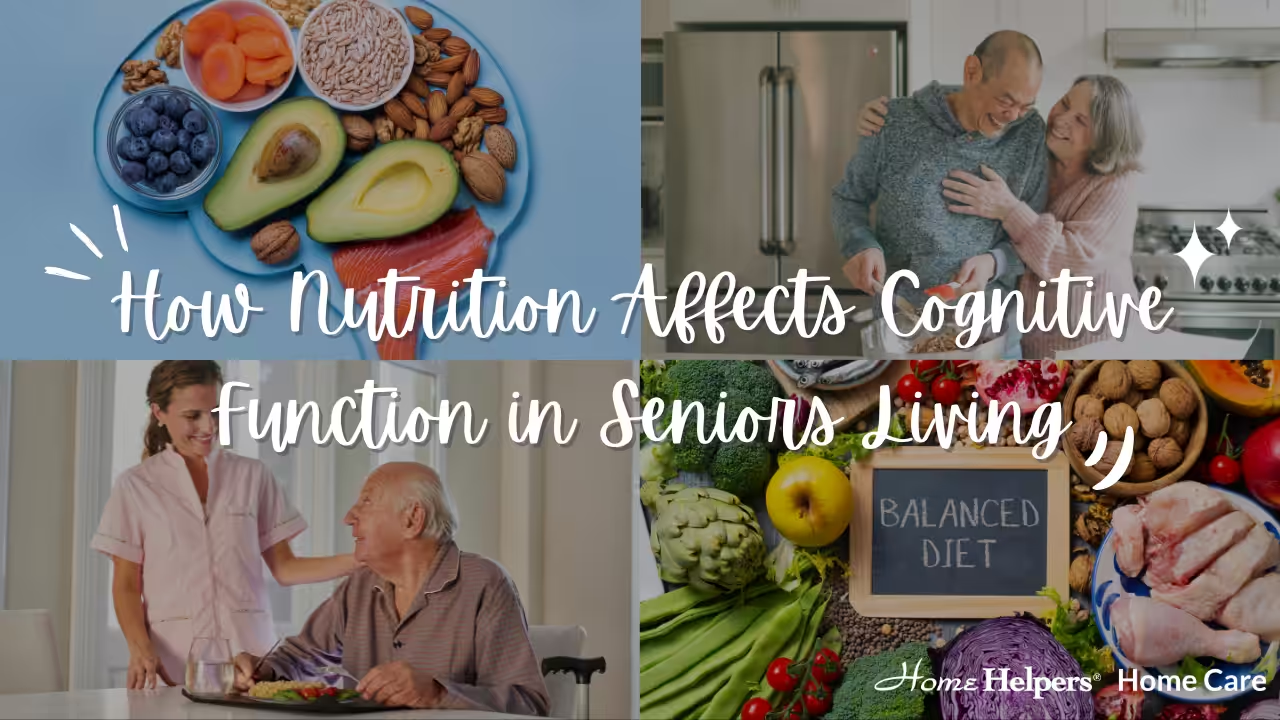
As we age, our bodies and brains undergo natural changes—but those changes are strongly influenced by daily choices. One of the most powerful and often overlooked tools in preserving cognitive health is nutrition. For seniors living in Martinsburg and throughout West Virginia’s Eastern Panhandle, what’s on the plate each day can make a meaningful difference in memory, focus, and emotional well-being.
Whether you’re caring for a loved one in Martinsburg, Inwood, or Hedgesville, understanding how nutrition impacts brain health is a vital step in supporting independence and quality of life.
Why Nutrition Matters for Brain Health
The brain requires high-quality fuel—nutrients that maintain structure, reduce inflammation, and support the neurotransmitters that regulate memory and mood.
The National Institute on Aging notes that “diets rich in vegetables, fruits, whole grains, fish, and healthy fats may help protect brain health.”¹ That’s why dietary patterns like the Mediterranean and MIND diets are consistently linked to better cognitive function and reduced risk of dementia.
Key Nutrients for Cognitive Support
For seniors in Berkeley and Jefferson counties, choosing nutrient-dense foods can offer powerful protection for the brain:
- Omega-3 Fatty Acids – Found in salmon, mackerel, sardines, and walnuts; help reduce inflammation and support memory.
- B Vitamins (B6, B12, Folate) – Vital for brain metabolism; low levels are linked to cognitive decline.²
- Vitamin D – Supports nerve health and mood regulation; seniors with limited sun exposure are often deficient.
- Antioxidants (Vitamin C, E, Polyphenols) – Combat oxidative stress. Look to berries, leafy greens, and green tea.
- Amino Acids & Protein – Support neurotransmitter production and brain cell repair.
Diet Patterns That Promote Brain Health
It’s not just about individual nutrients—it’s about creating consistent, healthy eating habits. Martinsburg families may find these dietary patterns helpful:
Mediterranean Diet
A favorite among researchers, this diet emphasizes olive oil, vegetables, fish, legumes, and moderate wine intake. It has been shown to protect against cognitive aging.
MIND Diet
A fusion of the DASH and Mediterranean diets, the MIND diet highlights brain-protective foods like leafy greens, berries, whole grains, poultry, and fish—while limiting red meat, butter, and sweets.
Hydration
Dehydration is a common but overlooked contributor to confusion in seniors. Make hydration part of daily care with options like water-rich fruits, herbal teas, or electrolyte drinks.
How Poor Nutrition Impacts Cognition
A diet heavy in processed foods, saturated fats, and sugar can lead to inflammation and an increased risk of cognitive decline. Seniors with poor diets are more likely to experience:
- Memory loss
- Concentration issues
- Elevated risk for dementia
- Mood disturbances
In the Eastern Panhandle, social isolation, mobility issues, or chronic illness can also contribute to poor nutrition. That’s why family caregivers need to keep an eye out for signs of fatigue, weight loss, or changes in eating habits.
Supporting Seniors with Healthy Eating
Building healthy habits doesn’t have to be complicated. Even small changes can boost brain function:
- Include more fresh produce in meals
- Swap sugary snacks for fruit, nuts, or Greek yogurt
- Plan and prep meals ahead of time to reduce stress
- Stay hydrated with water, teas, or soup
- Eat together when possible to increase enjoyment and appetite
For seniors experiencing memory loss, familiar foods and a quiet, comforting mealtime setting can also make a big impact.
How Home Helpers Home Care of Martinsburg Can Help
At Home Helpers Home Care of Martinsburg, we’re committed to helping seniors thrive through thoughtful, personalized care—including nutrition support.
Our trained Caregivers offer:
- Grocery shopping and meal planning
- Meal prep with dietary preferences and restrictions in mind
- Hydration reminders and nutrient monitoring
- Positive mealtime experiences that encourage routine and joy
- Companionship and support for seniors with cognitive conditions
Whether your loved one is living with dementia, recovering from illness, or simply aging at home, our goal is to help them feel their best—mind and body.
Final Thoughts
Brain health starts at the table. By focusing on nutrition, families across Martinsburg and the Eastern Panhandle can help their aging loved ones stay mentally sharp, emotionally balanced, and full of life.
Call Home Helpers Home Care of Martinsburg today at (304) 924-4751 to learn how our Caregivers can help make brain-healthy nutrition a part of everyday care.
References:
- National Institute on Aging. (2023). What Do We Know About Diet and Prevention of Alzheimer’s Disease? https://www.nia.nih.gov/health/what-do-we-know-about-diet-and-prevention-alzheimers-disease
- Smith, A.D., et al. (2010). Homocysteine-lowering by B vitamins slows the rate of brain atrophy in people with mild cognitive impairment: a randomized controlled trial. PLOS ONE.
Alzheimer’s Association. (2023). Nutrition and Alzheimer’s Disease. https://www.alz.org/alzheimers-dementia/what-is-dementia
The Most Comprehensive Care In The Industry

Physical Wellness
We make daily life easier as needs change, with support for personal care, mobility, medication reminders, and recovery after a hospital stay.
Learn More
Mental Well-Being
Staying active and connected matters. Our caregivers provide companionship and meaningful engagement to support emotional health and independence.
Learn More
Nutrition & Hydration
Healthy meals and proper hydration are essential. We help with planning, shopping, and preparation to support daily wellness and energy.
Learn More
Active Connections
Strong relationships bring comfort and purpose. We help seniors stay connected through social engagement, technology, and regular check-ins.
Learn More