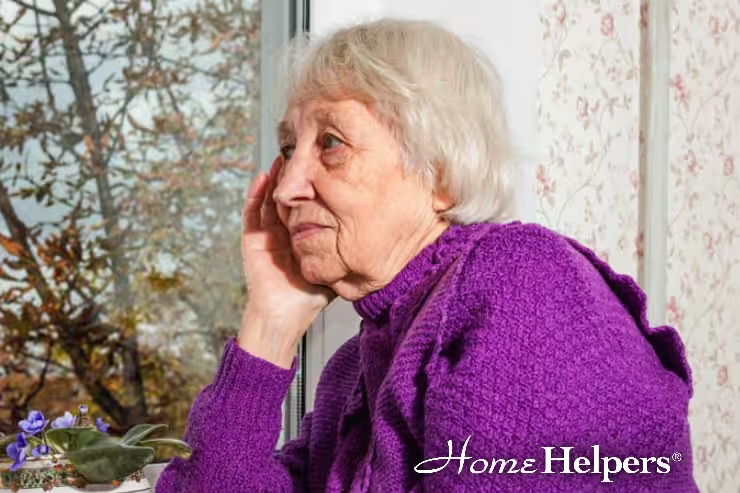
If you get the winter blues each year, it might be more than just an emotional slump that comes on when it gets cold. Millions of seniors are affected by Seasonal Affective Disorder every year, causing depression and sadness that is tough to shake. This can especially be true for those who live in a northern climate that sees a lot of snow and frigid temps each winter.
During the winter, daylight comes later and doesn’t last as long. Sometimes the sun doesn’t really shine for days on end and dealing with the overcast skies and cold weather can really mess with those who suffer from the symptoms of depression. Here are the things you should watch for if you’re concerned a senior loved one may be dealing with Seasonal Affective Disorder.
Recognizing the Symptoms of Seasonal Affective Disorder (SAD)
Mood changes that last for weeks on end are the most obvious sign of SAD. It’s time to seek help if a caregiver observes sadness that doesn’t end, or a lack of motivation to participate in daily activities. Here are some other signs and symptoms:
- Agitation, irritability or feelings of anxiety
- Fatigue that is not easily shaken
- Sleep patterns that change—too much or too little sleep
- Weight gain or weight loss that is unintentional
- Sudden cravings for carbohydrates or other appetite changes
Getting Treatment for Seasonal Blues and Cabin Fever
We all experience some cabin fever from time to time, especially during the winter months. Here are some things you can do to help counteract it:
- Get Outdoors. Not having an exposure to the sunlight can really take a toll on your mood. If it’s cold outside, bundle up and take a short walk. Sleep patterns can really be improved by getting some time outside.
- Be Active. The best solution for beating the blues any time of year is to get active. Try some easy exercises such as swimming, walking or yoga.
- Eat Healthy. Vitamin deficiencies are often linked to depression, so make sure you are eating a healthy diet that is balanced.
- Lighten Your Environment. Depression sets in when there is too much darkness. Open some blinds, pull back the curtains and let the sun shine in! You’ll be amazed what this will do for those wintertime blues!
- Light Therapy. If getting outdoors is hard for you or your senior loved one, consider doing what people in the far north do—use a lightbox to get some light therapy. Non-damaging UV rays will emit from these devices that will help bring balance to the brain chemicals during the winter. Be sure to speak to a physician before beginning light therapy. There are many lightboxes to choose from and all of them have unique benefits.
For more information on helping seniors who suffer from Seasonal Affective Disorder, please contact us today!
Home Helpers of Dallas is a locally-owned, trusted home health care agency and offers quality, compassionate senior in-home care services including home care assistance, personal care, companion care, respite care, 24-hour live-in care, Alzheimer’s & dementia care, Parkinson’s care as well as homemaker services in Dallas, Richardson, Garland, Plano, Highland Park, University Park, Mesquite, Allen, Carrollton, Irving, Addison, Farmers Branch, Lake Highlands, Duncanville, Desoto, Fairview, Cedar Hill, and McKinney, Texas.
Legal Disclaimer
This blog provides general information and discussions about medicine, health, and related subjects. The words and other content provided in this blog, and in any linked materials, are not intended and should not be construed as medical advice. If the reader or any other person has a medical concern, he or she should consult with an appropriately-licensed physician or other healthcare workers.
Never disregard professional medical advice or delay in seeking it because of something you have read on this blog or in any linked materials. If you think you may have a medical emergency, call your doctor or 911 immediately.
The views expressed on this blog and website have no relation to those of any academic, hospital, practice or other institution with which may have been mentioned or linked to in the article.