Does Trauma Affect Aging Adults and Can Compassionate In-Home Care Make a Difference?
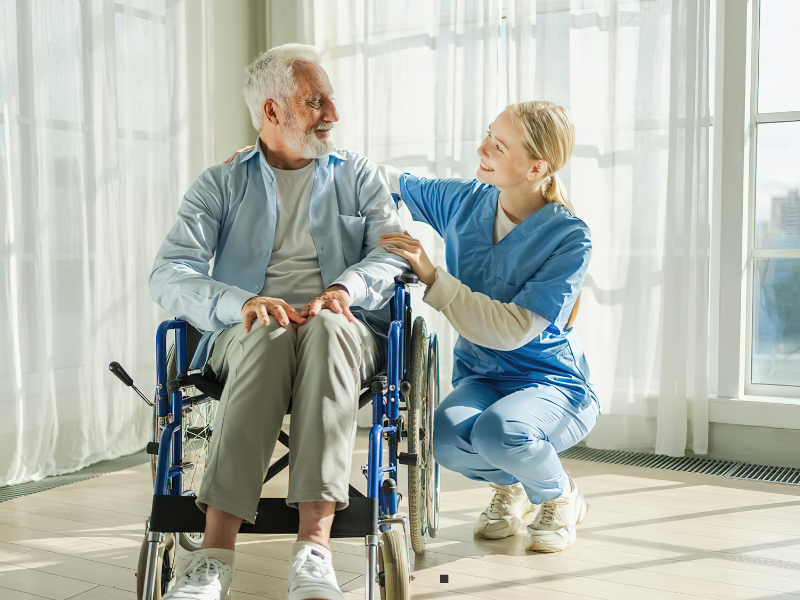
June is PTSD Awareness Month, a time dedicated to increasing understanding of Post-Traumatic Stress Disorder (PTSD) and its lasting impact. While PTSD is often associated with younger populations or veterans returning from service, it’s important to recognize that many older adults live with unresolved trauma that continues to affect their daily lives. For seniors, PTSD can resurface or intensify due to life changes, health challenges, or loss, making compassionate, in-home care more essential than ever.
Understanding PTSD in Older Adults
PTSD is a mental health condition triggered by experiencing or witnessing a traumatic event. For aging adults, these events may include military combat, abuse, serious accidents, natural disasters, or the sudden loss of loved ones. Many seniors, especially those from generations less likely to seek mental health support, may have lived with PTSD symptoms for decades without diagnosis or treatment.
As individuals age, they may face increased isolation, cognitive decline, or physical limitations. These changes can bring unresolved trauma to the surface, resulting in symptoms such as:
- Anxiety and depression
- Flashbacks or nightmares
- Difficulty sleeping
- Irritability or emotional withdrawal
- Avoidance of certain places, people, or activities
In some cases, PTSD can also be mistaken for dementia or other cognitive disorders, making proper understanding and support crucial.
The Unique Challenges Seniors Face
Aging adults with PTSD often encounter barriers that make coping more difficult. Retirement can lead to a loss of routine and purpose, while physical health issues may limit independence. The loss of a spouse or close friends can further increase feelings of loneliness and vulnerability.
Additionally, sensory changes such as hearing or vision loss may heighten confusion or fear, especially for those experiencing PTSD-related episodes. These challenges underscore the importance of consistent, compassionate support tailored to each individual’s emotional and physical needs.
How Caregivers Provide Meaningful Support
At Home Helpers Clearwater, caregivers play a vital role in supporting seniors living with PTSD. While they do not replace clinical treatment, professional caregivers offer essential day-to-day assistance that promotes stability, comfort, and emotional well-being.
1. Creating a Safe and Calm Environment
Caregivers help establish a structured and predictable routine, which can be incredibly reassuring for individuals with PTSD. Minimizing loud noises, sudden changes, or overstimulation helps reduce anxiety and prevent triggers.
2. Offering Companionship and Emotional Support
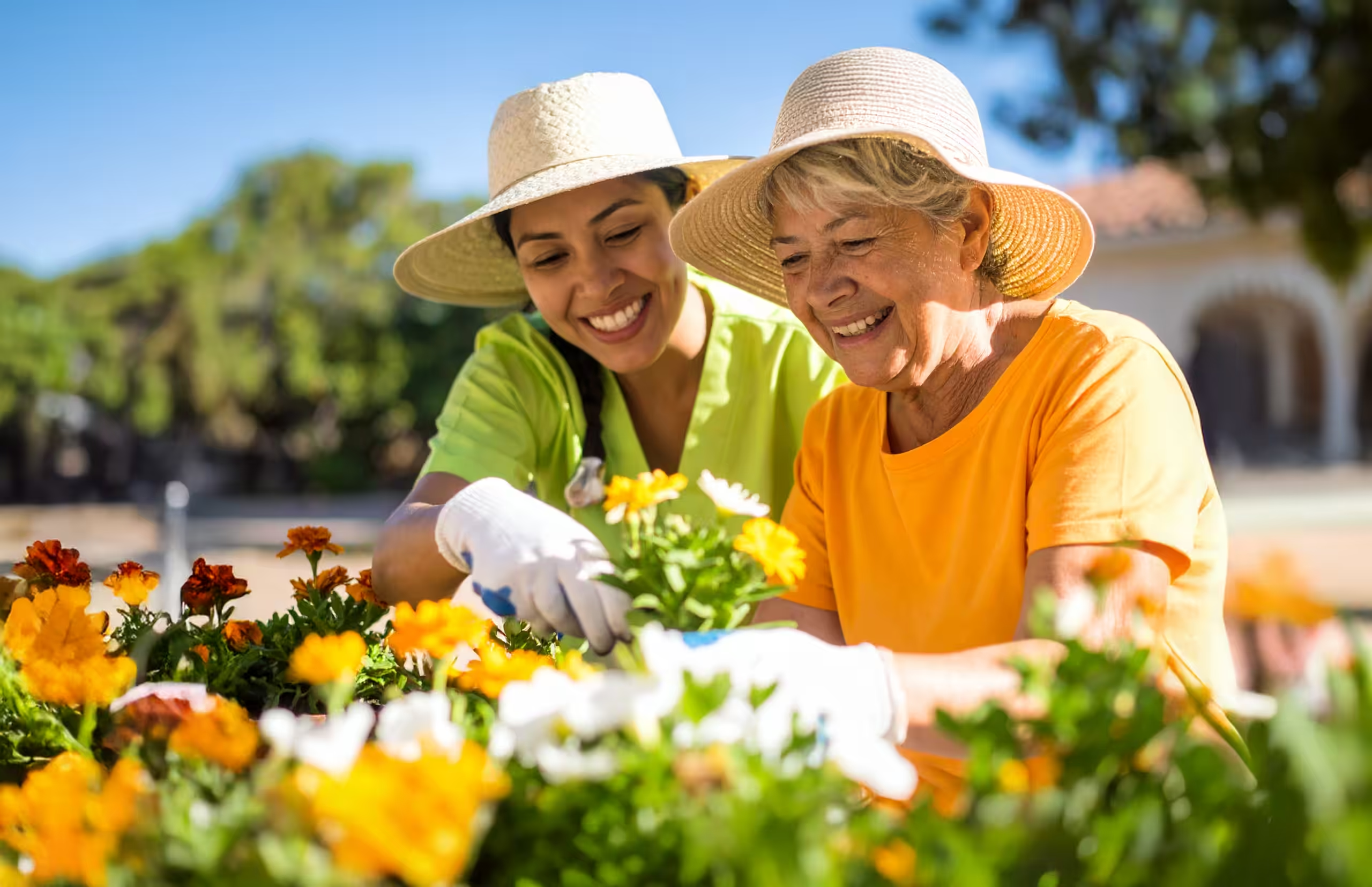
Loneliness can worsen PTSD symptoms. Caregivers provide meaningful companionship, engaging seniors in conversation, hobbies, and activities that promote a sense of connection and purpose. Simply having someone present who listens with empathy can make a significant difference.
3. Assisting with Activities of Daily Living (ADLs)
For seniors struggling with PTSD, everyday tasks like bathing, dressing, or preparing meals can feel overwhelming. Caregivers offer respectful, supportive assistance that helps maintain dignity and independence.
4. Encouraging Healthy Habits
Good nutrition, regular physical activity, and consistent sleep are important for managing PTSD symptoms. Caregivers can prepare balanced meals, encourage light exercise, and help establish calming bedtime routines.
5. Supporting Medical and Mental Health Care
Caregivers can provide transportation to doctor appointments, therapy sessions, and support groups. They may also help with medication reminders and communication between seniors and their healthcare providers.
6. Recognizing Triggers and Responding with Care
Trained caregivers learn to identify potential triggers and respond calmly during moments of distress. Their presence can help de-escalate situations and provide reassurance when seniors feel overwhelmed.
The Importance of Family and Community
Family members also play a crucial role in supporting loved ones with PTSD. Open communication, patience, and education about the condition can help reduce misunderstandings and foster stronger relationships. Partnering with a trusted in-home care provider like Home Helpers Clearwater ensures families have the additional support they need to provide consistent, compassionate care.
Raising Awareness and Reducing Stigma
One of the most important goals of PTSD Awareness Month is to reduce the stigma surrounding mental health. Many older adults grew up in a time when discussing emotional struggles was discouraged. Today, we have the opportunity to change that narrative—encouraging seniors to seek support and reminding them they are not alone.
Compassionate Care Makes a Difference
PTSD does not have an expiration date, and its effects can be deeply felt throughout a person’s life. However, with the right support system, aging adults can experience comfort, stability, and improved quality of life.
At Home Helpers Clearwater, the caregivers I employ are committed to providing personalized, compassionate in-home care that addresses both the physical and emotional needs of every client. During PTSD Awareness Month and beyond, we honor the resilience of seniors living with trauma and remain dedicated to helping them feel safe, supported, and valued in the place they call home.
Contact Home Helpers Clearwater today to schedule a FREE Consultation with me to learn how our compassionate caregivers can support your loved one’s well-being every step of the way.
Home Helpers Clearwater proudly serves male and female seniors, veterans, and differently abled individuals in Bayonet Point, Clearwater, Clearwater Beach, Dunedin, Gulfport, Holiday, Hudson, Largo, Madeira Beach, New Port Richey, North Redington Beach, Oldsmar, Palm Harbor, Pass A Grille, Pass A Grille Beach, Port Richey, Redington Shores, Safety Harbor, Saint Petersburg, Seminole, South Pasadena, Tarpon Springs, Tierra Verde, Treasure Island, Trinity, and surrounding areas. Home Helpers®…we are Making Life Easier® 727.942.2539
The Most Comprehensive Care In The Industry

Physical Wellness
We make daily life easier as needs change, with support for personal care, mobility, medication reminders, and recovery after a hospital stay.
Learn More
Mental Well-Being
Staying active and connected matters. Our caregivers provide companionship and meaningful engagement to support emotional health and independence.
Learn More
Nutrition & Hydration
Healthy meals and proper hydration are essential. We help with planning, shopping, and preparation to support daily wellness and energy.
Learn More
Active Connections
Strong relationships bring comfort and purpose. We help seniors stay connected through social engagement, technology, and regular check-ins.
Learn More