How is In-Home Care Making Life Easier® for Older Adults Living with Pain?
Need Home Care?
Contact Us Today
More often than not, when I meet with seniors and their family members, pain is an issue that impacts the aging adult’s activities of daily living.
September is Pain Awareness Month, an important time to recognize the challenges faced by people living with chronic or recurring pain. For older adults, pain can affect much more than physical comfort. It may make everyday activities more difficult, limit independence, interfere with sleep, and contribute to feelings of frustration or isolation.
How is In-Home Care Making Life Easier® for Older Adults Living with Pain in Clearwater, FL?
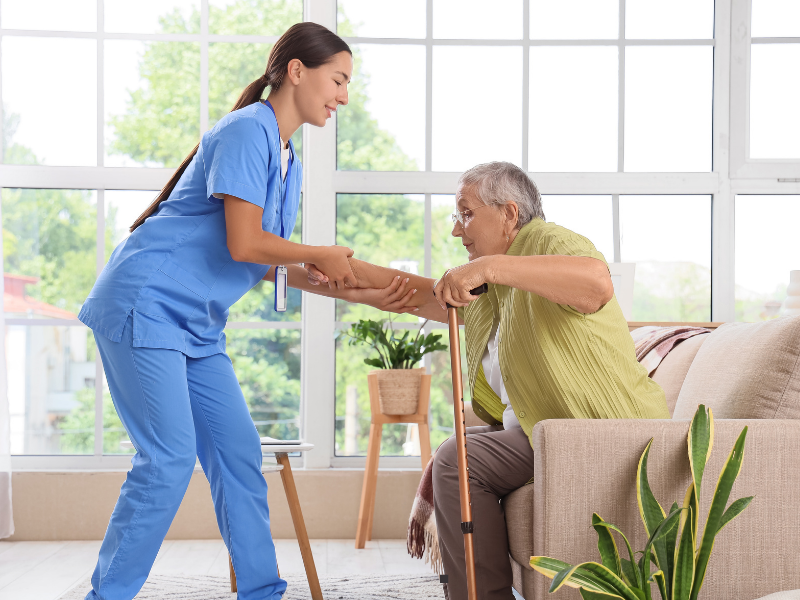
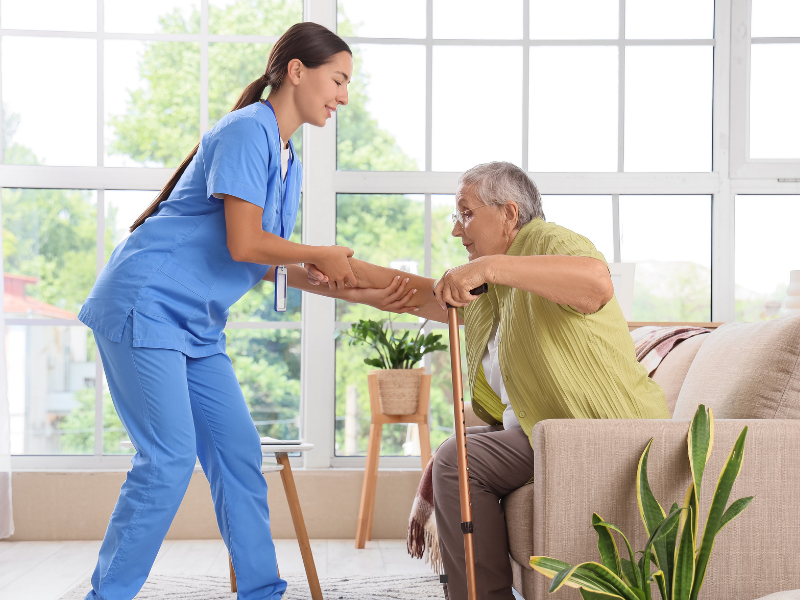
Fortunately, older adults living with pain do not have to manage every daily challenge alone. In-home care can provide practical, compassionate support that helps seniors remain comfortable, safe, and independent at home. For families in Pinellas and West Pasco Counties, professional caregivers can help make life easier.
What Types of Pain Do Older Adults Experience?
Pain can look different from one person to another. Understanding the type and source of pain can help families recognize when an older loved one may need additional support.
Arthritis and Joint Pain
Arthritis is a common source of pain among older adults. Stiff, swollen, or painful joints can make activities such as walking, bathing, dressing, preparing meals, and doing household chores more challenging. Even simple movements may require extra time and effort.
Back and Muscle Pain
Back pain and muscle aches can develop because of aging, previous injuries, reduced mobility, or chronic health conditions. Persistent discomfort may discourage seniors from moving around, potentially contributing to reduced strength and mobility.
Nerve Pain
Nerve pain, sometimes described as burning, tingling, shooting, or numbness, can occur with certain medical conditions or injuries. This type of pain may make walking, sleeping, and performing everyday tasks particularly difficult.
Post-Surgical or Injury-Related Pain
Older adults may experience temporary pain while recovering from surgery, an injury, or a medical procedure. During recovery, having help with household tasks and personal care can allow seniors to focus on following their healthcare provider’s recommendations and regaining strength.
Headaches and Other Recurring Pain
Some seniors experience recurring headaches or other types of chronic pain. When discomfort becomes a regular part of daily life, even routine activities can feel overwhelming.
Pain should always be discussed with a healthcare professional, particularly when it is new, severe, persistent, or worsening. Professional caregivers do not diagnose or treat pain, but they can provide valuable non-medical assistance that supports an older adult’s daily routine.
How Can In-Home Care Help Seniors Living with Pain?
Living with pain can turn ordinary household responsibilities into exhausting tasks. A professional caregiver can provide personalized assistance based on an older adult’s needs, abilities, and preferences.
Assistance with Personal Care
Pain and stiffness can make bathing, grooming, dressing, and toileting more difficult. A compassionate caregiver can provide appropriate assistance while encouraging seniors to do as much as they safely can for themselves.
Help with Meals and Nutrition
Preparing meals can be challenging when standing, bending, lifting, or moving around the kitchen causes discomfort. Caregivers can assist with meal preparation, helping seniors maintain regular, nutritious meals without taking on tasks that may aggravate their pain.
Homemaker Assistance
Vacuuming, doing laundry, changing linens, grocery shopping, and other household chores can become difficult for someone experiencing chronic pain. A caregiver can help with these everyday responsibilities, creating a safer and more comfortable home environment.
Mobility and Fall Prevention Support
Pain may affect balance, gait, or confidence when moving around. Caregivers can provide appropriate assistance with mobility and help identify everyday safety concerns in the home. They can also offer companionship during activities, errands, or appointments when appropriate.
Medication Reminders
Managing multiple medications can be challenging, particularly when an older adult is dealing with ongoing pain. Caregivers can provide medication reminders according to the established care plan. They do not prescribe medications or make changes to dosages.
Companionship and Emotional Support
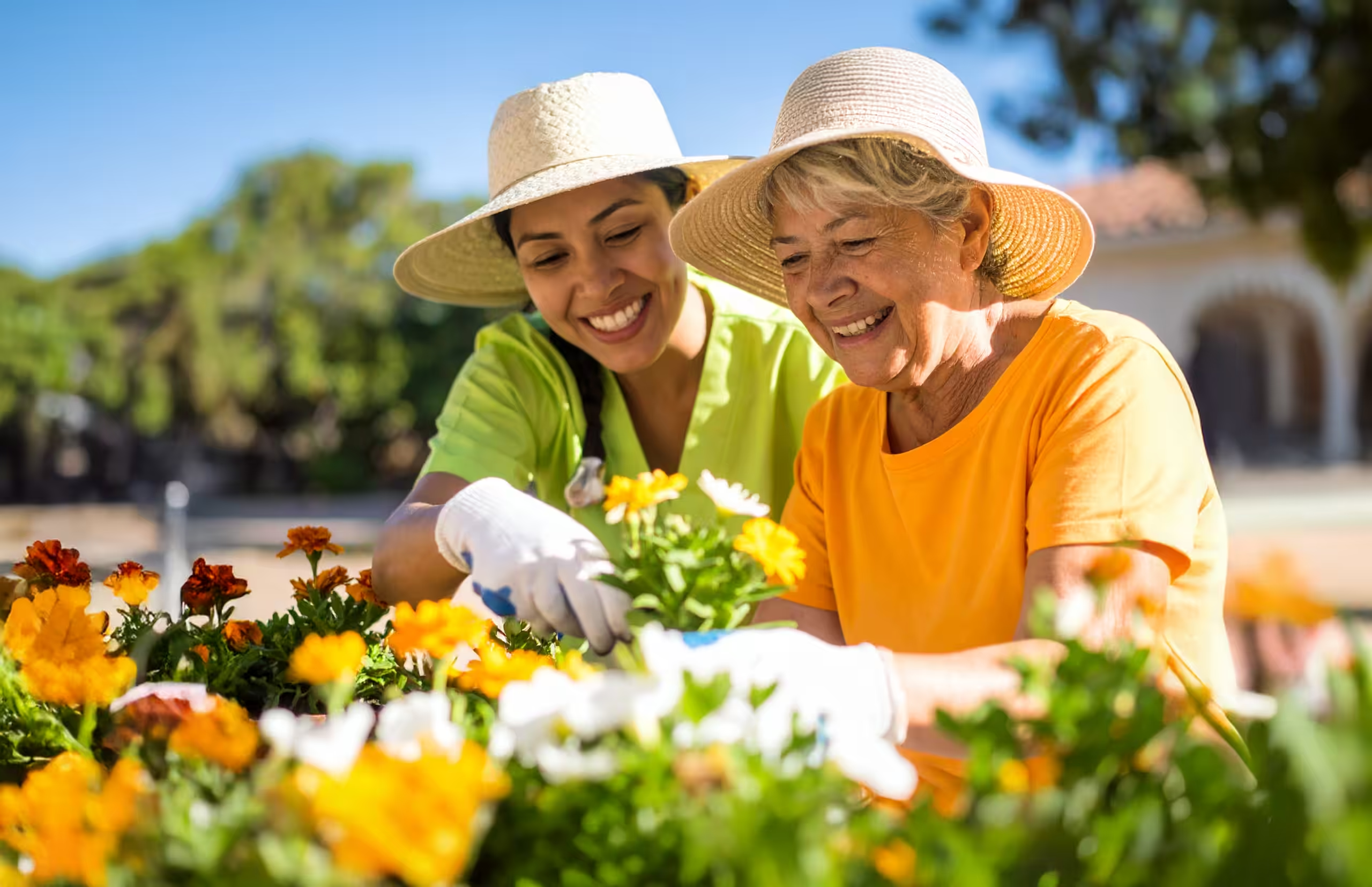
Chronic pain can sometimes lead seniors to withdraw from activities they once enjoyed. Compassionate companionship can provide meaningful social interaction and encouragement. A caregiver might share a conversation, play a game, read together, or accompany a senior on an outing.
Making Life Easier® for Seniors and Their Families
Pain can affect an entire family. When an aging loved one needs help with everyday tasks, family caregivers may feel stretched between work, personal responsibilities, and caregiving.
Professional in-home care can provide an extra layer of support while allowing older adults to remain in the familiar surroundings of home. Most importantly, care can be customized to the individual’s needs and adjusted as those needs change.
During Pain Awareness Month, take time to notice how pain may be affecting an older loved one’s daily life. If routine activities have become difficult, in-home care may provide the compassionate assistance needed to restore confidence, comfort, and independence.
At Home Helpers® Clearwater, our goal is simple: Making Life Easier® for older adults and the families who care about them. From personal care, meal preparation, and homemaker services to companionship, recuperative care, and respite services, the caregivers I employ are here to provide dependable, compassionate support at home.
These senior care services are examples of what Home Helpers® caregivers easily manage. I gladly offer a FREE Assessment to discuss specific ways we can help you or someone you love who contends with physical, mental, or emotional pain.
Home Helpers® Clearwater proudly serves male and female seniors, veterans, and differently abled individuals in Bayonet Point, Clearwater, Clearwater Beach, Dunedin, Gulfport, Holiday, Hudson, Largo, Madeira Beach, New Port Richey, North Redington Beach, Oldsmar, Palm Harbor, Pass A Grille, Pass A Grille Beach, Port Richey, Redington Shores, Safety Harbor, Saint Petersburg, Seminole, South Pasadena, Tarpon Springs, Tierra Verde, Treasure Island, Trinity, and surrounding areas. Home Helpers®…we are Making Life Easier® 727.942.2539
The Most Comprehensive Care In The Industry

Physical Wellness
We make daily life easier as needs change, with support for personal care, mobility, medication reminders, and recovery after a hospital stay.
Learn More
Mental Well-Being
Staying active and connected matters. Our caregivers provide companionship and meaningful engagement to support emotional health and independence.
Learn More
Nutrition & Hydration
Healthy meals and proper hydration are essential. We help with planning, shopping, and preparation to support daily wellness and energy.
Learn More
Active Connections
Strong relationships bring comfort and purpose. We help seniors stay connected through social engagement, technology, and regular check-ins.
Learn More