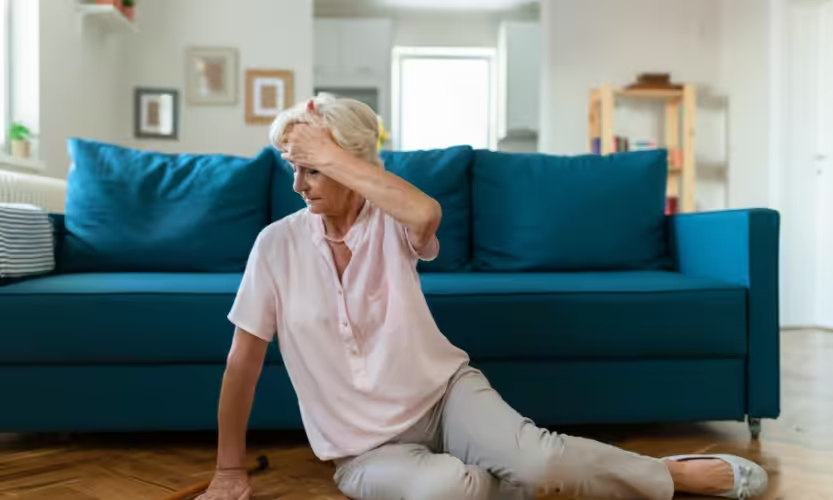
One thing that is always prevalent on my mind when working with seniors is their ambulation and risk of falling.
The National Council on Aging [NCOA], reports that 1 in 4 seniors will experience a fall each year, so the likelihood an aging adult I know will take a tumble is high. Unfortunately for senior citizens, some of these falls can result in broken bones, head injuries, or worse, fatalities.
Even if a major injury does not occur, from personal experience, I know falling can trigger fear in older adults which can lead to a less active lifestyles, increased isolation and in many cases, depression.
The five primary factors that affect a senior’s risk of falling include:
Balance/Gait – The loss of coordination and balance due to inactivity promotes falling.
Vision/Hearing Impairment – Aging leads to decline in vision and hearing, which can prevent seniors from seeing obstacles or hearing warning signals that could manifest in a nasty fall.
Medications – Medications have side-effects like dizziness, drowsiness, and dehydration which can lead to falls.
Environment – Stairs and slippery surfaces are major concerns for seniors.It is important to make necessary modifications around the home environment to keep surroundings safer for seniors.
Chronic Conditions – The NCOA says, “More than 90% of older adults have at least one chronic condition like diabetes, stroke, or arthritis. Often these increase the risk of falling because they result in lost function, inactivity, depression, pain, or multiple medications.”
We can help prevent senior falls by having frank discussions with the aging adults in our lives to determine their level of fear of falling; how health conditions promote that fear; if medications they are taking present side effects; or if vision or auditory impairments contribute to their risk of taking a nasty spill.
Additionally, if you are able to observe how they move around their home, I strongly encourage you to do so. Are they holding onto walls or furniture for balance; or if they demonstrate difficulties standing from a seated position? These behaviors speak volumes about their fear of slips and falls.
A visit to the senior’s health care professional may be warranted to address these issues.
Also, carefully check for slippery throw rugs, unsecured electrical cords, or miscellaneous items that may become obstacles which can easily trip seniors who shuffle their feet when they walk. Another helpful suggestion is they wear shoes during waking hours for better traction on floor surfaces.
Remember, September is Fall Prevention Month, and it’s important we protect seniors and keep them safe, steady and upright, any way we can. At Home Helpers® Clearwater, our caregivers are trained to identify fall hazards and remedy them. The detailed training curriculum and ongoing training our caregivers receive ensure they are always fully-prepared to assist our clients and help prevent senior falls.
If you know a senior who lives alone and exhibits signs that they could be at risk for falling, I am available for a FREE Consultation, at your convenience, to assess specific needs, and find the right caregiver and care-giving services for you or your loved one. Call today for more information: 727.942.2539
We, at Home Helpers® Clearwater, are honored to have received the Home Care Pulse – Best of Home Care® Provider of Choice Award for 2017, 2018, 2019 & 2020. We proudly serve male and female seniors in Clearwater, Dunedin, Palm Harbor, Safety Harbor, Tarpon Springs, Holiday, New Port Richey, Trinity, Port Richey, Hudson and surrounding areas. Home Helpers®…we are Making Life Easier℠
Source: