How Mental Health Affects Older Adults Every Day

Mental health is something that often goes unnoticed in older adults, even though it shapes so much of daily life. It is not only about diagnoses or major life events. It can affect how seniors feel day to day, how connected they feel to others, and even how much they enjoy activities that once brought them happiness.
Many families are surprised to learn how common emotional struggles can become as loved ones age. According to the Centers for Disease Control and Prevention (CDC), Healthy Aging and Mental Health Resources, approximately one in five adults over age 55 experiences some type of mental health concern. The Florida Department of Elder Affairs also recognizes emotional well-being as an important part of helping older adults remain healthy and connected throughout Florida communities.
For many seniors in Bradenton and throughout Florida, emotional well-being can slowly shift over time. Adult children often tell us they noticed changes long before they understood what was happening. A parent who once loved attending lunch with friends may begin declining invitations. A loved one who always looked forward to hobbies may stop participating. Someone who enjoys regular conversations may become quieter than usual.
These changes can be easy to overlook because they often happen gradually. Families sometimes assume these shifts are simply part of getting older. In reality, mental health in older adults can affect everyday life in ways that deserve attention and support.
Mental Health Often Shows Up in Everyday Routines
Families sometimes expect emotional struggles to appear in obvious ways. What we often see at home looks much different.
Changes can appear through routines and habits that once felt normal. A loved one may begin sleeping more than usual. They may stop cooking meals, lose interest in favorite activities, or become less engaged during family conversations.
Over the years, we have seen families initially focus on physical health changes because they feel easier to recognize. Emotional changes can remain hidden for longer.
Some everyday signs families may notice include:
- Spending more time alone
- Losing interest in hobbies
- Changes in eating or sleeping habits
- Increased frustration or irritability
- Less interest in social interaction
- Pulling away from activities they once enjoyed
Recognizing changes early creates opportunities to provide support before a loved one feels disconnected.
Loneliness in Seniors Can Affect More Than Social Life
One issue we see frequently involves loneliness in seniors. Many older adults experience changes that naturally affect social interaction. Retirement, losing a spouse, moving away from familiar communities, or changes in mobility can all make staying connected more difficult.
Families often underestimate how much social interaction affects emotional wellness.
A few missed outings can become fewer phone calls. Fewer phone calls can mean more time alone. Over time, isolation can slowly become part of a person’s routine.
This is one reason regular visits, conversations, and shared experiences matter so much.
Something as simple as eating lunch together, sitting outside on the porch, taking a short drive, or talking about favorite memories can create a meaningful connection.
Connection does not always require big moments.
Understanding the Signs of Social Isolation
Many adult children ask us what they should watch for. The signs of social isolation are often subtle.
You may notice your loved one:
- Stops answering calls as often
- Declines invitations repeatedly
- Seems less interested in conversations
- Avoids social activities
- Appears withdrawn during visits
- Talks less about future plans
Families sometimes explain it as their loved one “just slowing down.” Sometimes it may simply reflect needing more connection and support.
Paying attention to these small shifts often helps families recognize when additional support could be helpful.
Emotional Wellness for Seniors Deserves Daily Attention
Many people focus on physical health and forget that emotional wellness for seniors deserves care, too.
Supporting emotional wellness often starts with everyday routines:
Encouraging social interaction. Staying involved in hobbies. Finding opportunities to spend time with friends and family. Maintaining routines that create structure and familiarity.
Simple activities can make a difference:
- Reading together
- Listening to favorite music
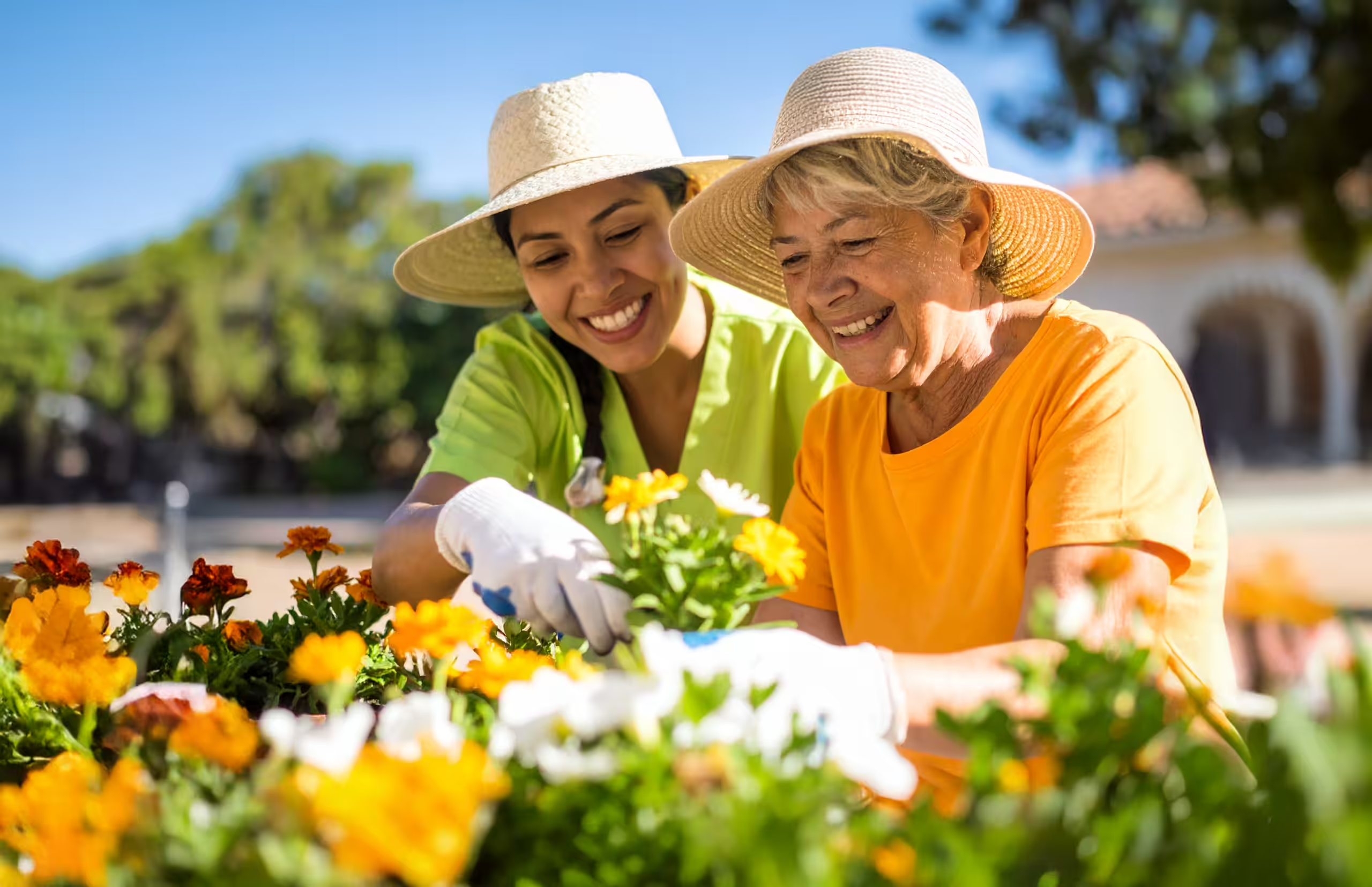
- Gardening
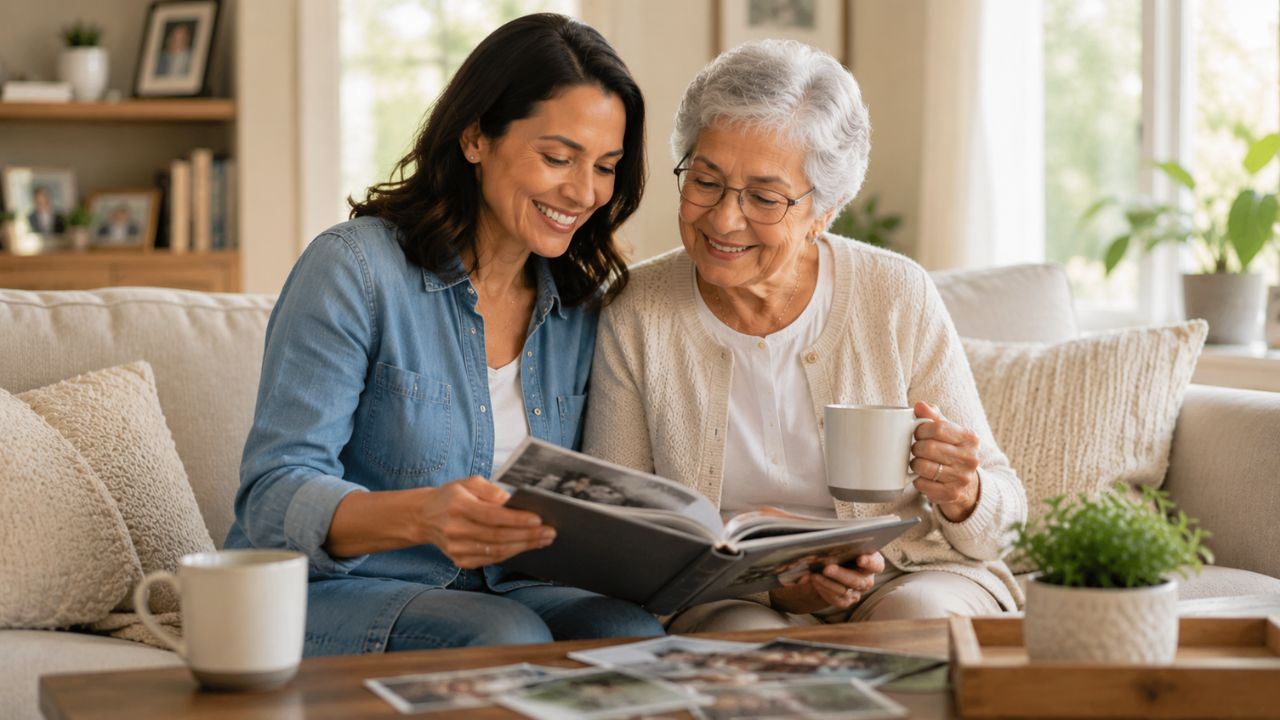
- Looking through old family photos
- Attending community events
- Participating in favorite hobbies
Meaningful moments often create emotional comfort and connection.
Senior Companionship Benefits Go Beyond Conversation
Families sometimes assume companionship simply means having someone around the house. In reality, the benefits of senior companionship often reach much deeper.
Companionship creates opportunities for connection, conversation, routine, and encouragement. It provides another familiar face throughout the week and another source of emotional support.
We have seen seniors become more engaged simply because someone consistently shows up to share a meal, go for a walk, play cards, or sit and talk.
Connection helps people feel seen.
That matters at every age.
Supporting Aging Loved Ones Starts With Small Moments
When supporting aging loved ones, families often worry they need to have all the answers.
Most of the time, support starts with noticing changes, asking simple questions, and creating opportunities for connection.
Small actions can mean a lot:
- Checking in regularly
- Encouraging favorite activities
- Scheduling family visits
- Helping maintain routines
- Creating opportunities to stay socially connected
Families often tell us they wish they had noticed changes sooner. Staying aware of emotional well-being can make a meaningful difference.
Home Helpers Home Care of Bradenton Is Here to Support Families
At Home Helpers Home Care of Bradenton, we understand that emotional well-being matters just as much as physical support. Families throughout Bradenton and surrounding Florida communities often tell us they want peace of mind knowing someone is there for their loved one.
Through companionship, conversation, daily routines, and meaningful connections, our caregivers help older adults remain engaged and supported at home.
Sometimes support begins with helping someone feel less alone.
If your loved one could benefit from extra companionship or support at home, our team is here every step of the way.
The Most Comprehensive Care In The Industry

Physical Wellness
We make daily life easier as needs change, with support for personal care, mobility, medication reminders, and recovery after a hospital stay.
Learn More
Mental Well-Being
Staying active and connected matters. Our caregivers provide companionship and meaningful engagement to support emotional health and independence.
Learn More
Nutrition & Hydration
Healthy meals and proper hydration are essential. We help with planning, shopping, and preparation to support daily wellness and energy.
Learn More
Active Connections
Strong relationships bring comfort and purpose. We help seniors stay connected through social engagement, technology, and regular check-ins.
Learn More